Will Under-the-Table Salaries Become the Norm?
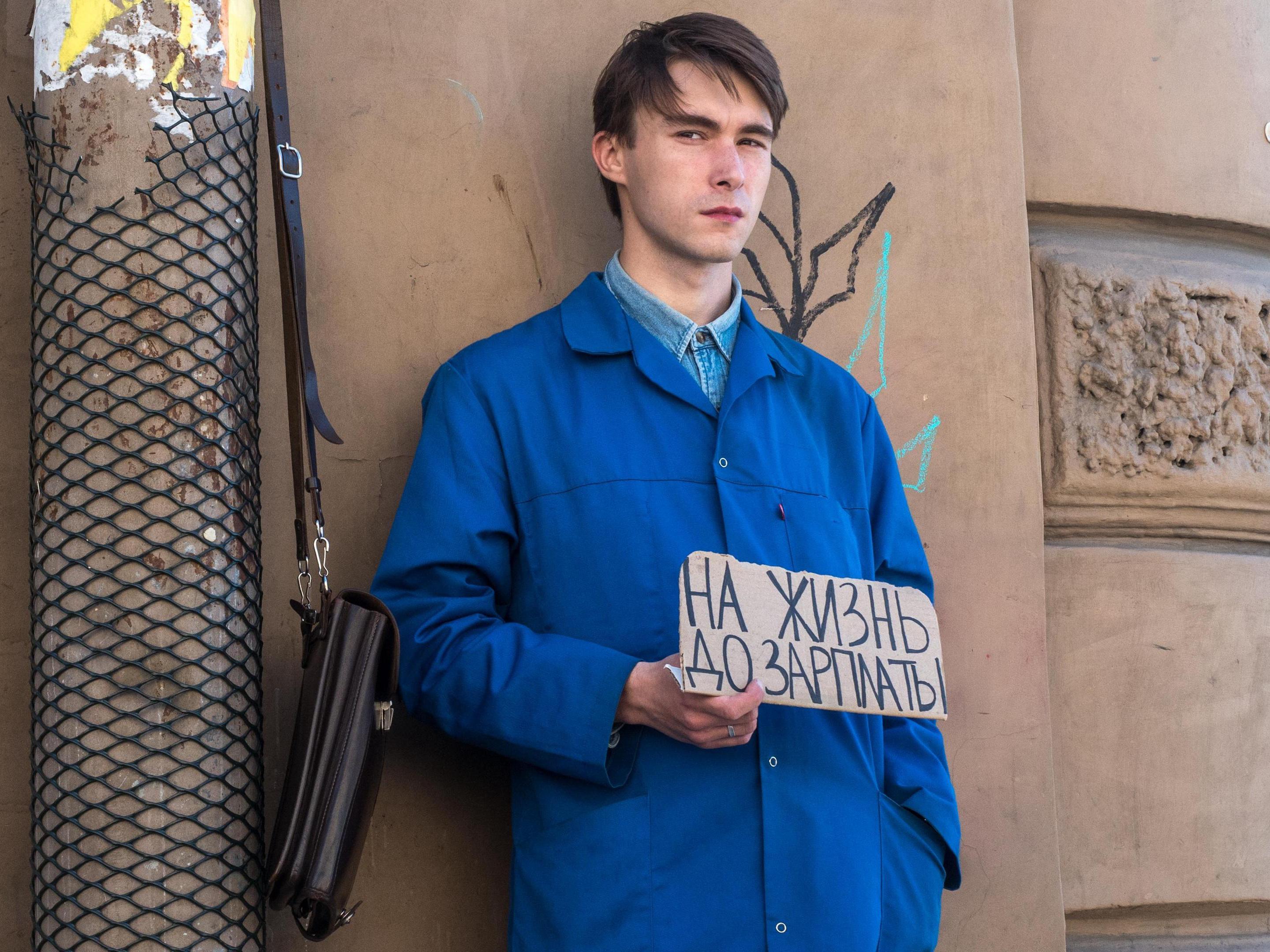

Starting in 2026, Russia«s tax system enters a new phase of higher and more differentiated burden on both labor and business profits. It is already clear that the changes primarily affect the wage fund and the associated business obligations.
This is not about one specific tax, but a combination of factors.
Firstly, the development of a progressive scale for the Personal Income Tax (PIT) continues: high incomes are taxed at higher rates.
Secondly, the fiscal role of insurance contributions is being strengthened — they remain the key source of replenishment for the Russian Social Fund. Temporary benefits and reduced tariffs, introduced in previous years as anti-crisis measures, are gradually being phased out or selectively reviewed.
Thirdly, control over payments to the self-employed and individual entrepreneurs (IEs), which were often used as a substitute for employment contracts, is being tightened.
For businesses, this means an increase in the cost of legal employment. According to experts, even a slight «graying» of the wage fund — at the level of 10% — can lead to a multiple increase in the deficit of the Social Fund. This is why social media increasingly cites a return to «envelope» salaries (under-the-table payments) as one of the key threats to the economy in 2026.
However, the issue is not as straightforward as it might seem at first glance, say MSK1.RU industry experts.
Under-the-Table Salaries Actually Benefit No One
Partner at the law firm Sonichev, Kazus and Partners Anton Sonichev points out that informal payments create a chain of risks that affect all participants in economic relations at once.
For the employee, says Sonichev, an under-the-table salary means an actual lack of legal protection. The person is deprived of guaranteed wage payment, does not accumulate pension rights, loses the right to full sick leave, maternity and other social benefits. In the event of a conflict with the employer, it becomes almost impossible to prove the actual amount of income.
For the employer, saving on taxes and insurance contributions seems attractive only in the short term. In essence, the company takes a «tax credit» that will almost inevitably have to be repaid.
«After a tax audit, you will have to pay not only all unpaid taxes, but also fines of 20 or 40%, as well as penalties, which on average will amount to about 30% of unpaid taxes. Loss of business reputation is also a significant risk, especially for large organizations,» the lawyer explains.
The state in this structure suffers the most obvious damage — direct budget losses. But the consequences are not limited to that. The mass spread of under-the-table salaries leads to undermining the pension system, health and social insurance systems, and also stimulates the growth of corruption and legal nihilism, explains Sonichev. And therefore, measures to combat under-the-table salaries will grow proportionally.
«It»s Too Early to Draw Conclusions«
Leading expert at the Center for Political Technologies, economist Nikita Maslennikov urges not to rush to conclusions about «going into the shadows» and to carefully monitor the adaptation of business to the new conditions.
«So far, various assumptions can be made, but until the end of the first half of the year, talking about an established trend, in my opinion, is premature,» the expert notes.
According to him, despite the increase in tax burden, last year saw an increase in the number of small and medium enterprises — by about 19%. Moreover, the business activity index in December, when it was already clear that tax pressure would increase, confidently held above 50 points, which indicates a revival in small and medium businesses.
«Business already has some experience of interaction with the state and sees that in many parameters it is being accommodated. After all, simultaneously with the increase in taxes for a number of activities, the list of benefits was expanded — including for social insurance and the transition to simplified regimes. By the way, your media colleagues often focus exclusively on the tax component, ignoring the compensatory function of these measures,» Maslennikov emphasizes.
The economist believes that the real balance between the growth of fiscal burden and support measures will become clear closer to the second quarter. At the same time, control over «envelope» payments, says Maslennikov, by the tax authorities will inevitably increase. Therefore, no matter how much some businessmen would like to «go into the shadows», doing so will, firstly, be extremely difficult, and secondly, more trouble than it«s worth.