Novosibirsk man's Motorola prevents bank video call, account locked
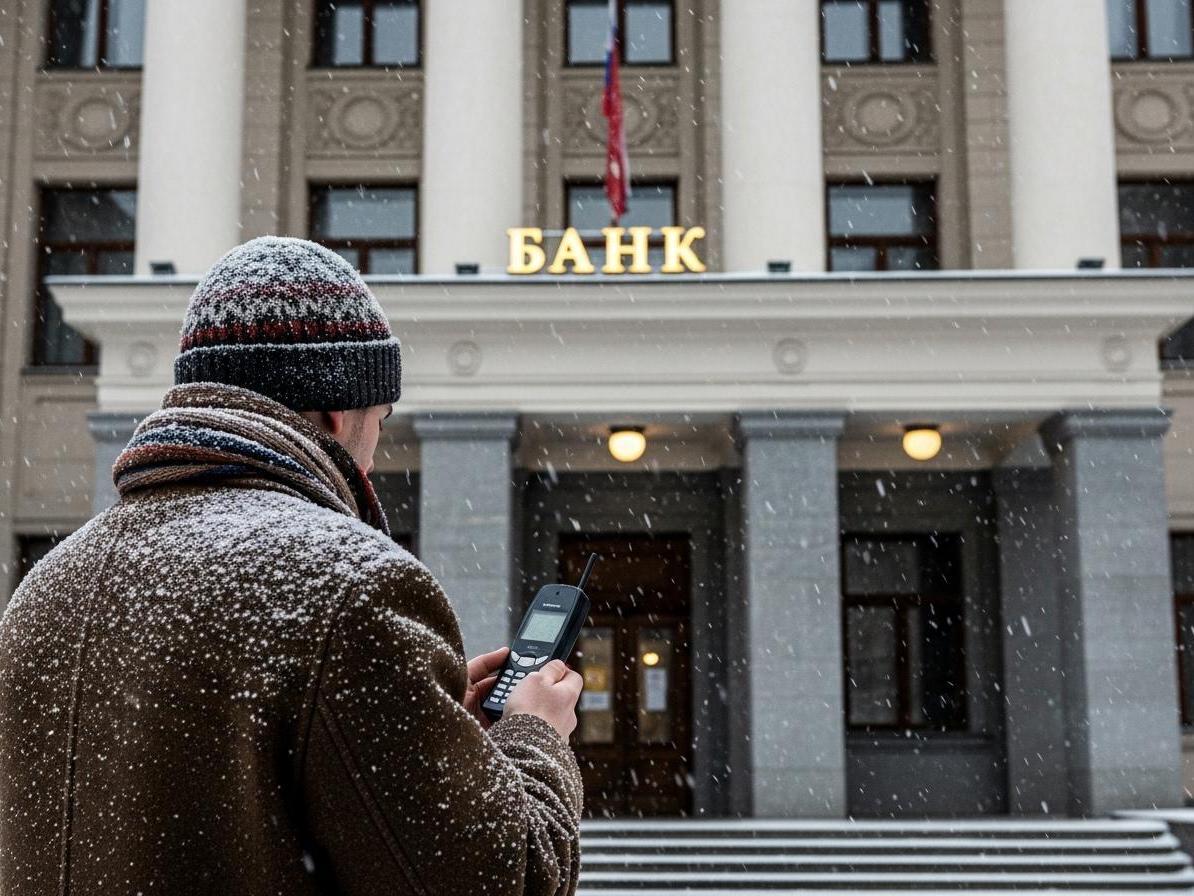

After multiple attempts, the man from Siberia succeeded in regaining access to his bank account.
A Novosibirsk resident lost access to his online banking accounts due to an old mobile phone, a Motorola T190. The call center operator insisted on a video call for identity verification, while the man«s device did not support this function. NGS asked bank representatives and a lawyer how to avoid such a scenario and what to do if it happens.
“You mean, you don’t have a phone”
Vladimir K. from Novosibirsk faced a difficult situation: he wanted to perform an investment operation in T-Bank, but discovered that he could not log into his personal account — access was blocked. To unblock it, bank representatives set an unfeasible condition for Vladimir: he had to click a link in an SMS to make a video call, thereby confirming his identity.
But the Novosibirsk resident uses an old button phone — he has a Motorola T190.
“It doesn’t matter why I can’t or don’t want to video call: maybe I look unattractive or my phone doesn’t support video calls. I have the right to that,” the Siberian is sure.
He called the bank and made complaints. The editorial office has a recording of a 12-minute conversation between Vladimir and the call center operator.
“I didn’t sign a contract saying that you can video call me and confirm my identity, right?” the bank client clarifies. The operator responds that their internal rules have changed.
“Without video, that means you will never give me access to my personal account and my money, right?” Vladimir clarifies, and the operator confirms this.
The Siberian proposed other ways to resolve the problem: send copies of his documents to T-Bank by mail, meet with a bank representative in person, or provide him with a mobile device that supports video calls for temporary use as a client. But none of these options worked.
At the seventh minute of the conversation, the operator guessed what was going on: “Ah, you mean, you don’t have a phone that supports video calls?”
The Novosibirsk resident asked to be transferred to a more competent employee.
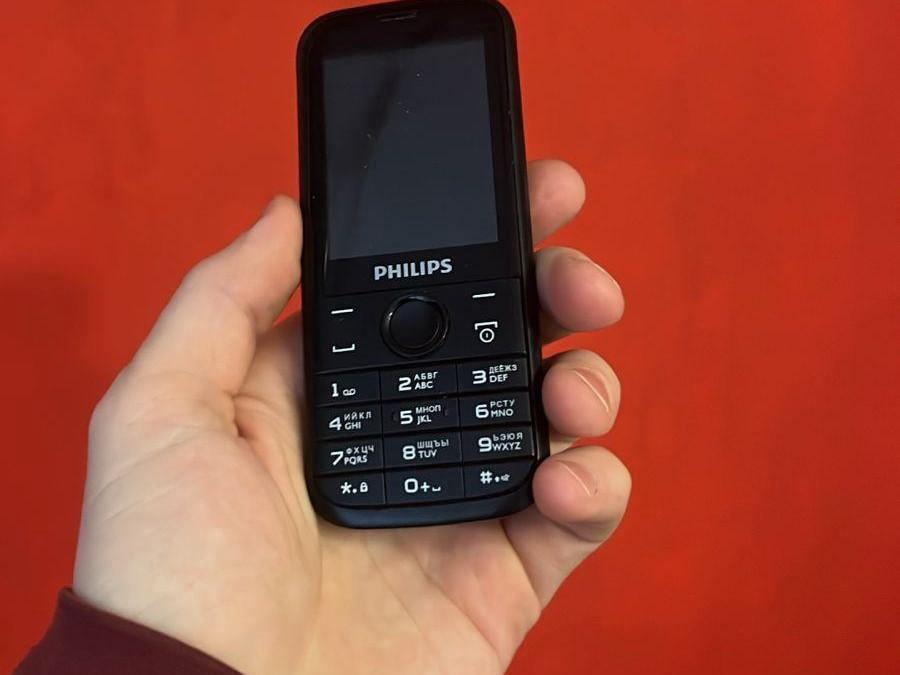
The Novosibirsk resident uses a collection of basic mobile devices that lack video call functions.
Vladimir turned out to be persistent; after five or six long conversations, he finally managed to regain access to his assets.
“When another operator told me ‘Let’s confirm your data,’ I doubted: ‘It’s unlikely we’ll manage, because your predecessors couldn’t.’ But she asked for my last name, first name, patronymic, and date of birth. That’s it!” Vladimir marvels.
According to him, the reason for the difficulties other operators had before was a script they couldn’t deviate from. The bank representative who managed to help him explained that such conditions were “issued by the system” to her colleagues.
Vladimir says that before this, he had no problem logging into the bank’s website from a desktop computer, entering his card number and password, and gaining access to operations with his assets. The only thing that changed before the incident was that he gave up his T-Bank SIM card, switching mobile operators.
Isolated Incident
NGS requested a comment on the situation from T-Bank’s press service. They stated that the temporary suspension of the client’s account was not related to restrictions on button phones.
“We did not block his accounts. The client did not link a phone number in his personal account, which is why he encountered a login problem,” was the response to NGS’s inquiry at the bank.
At T-Bank, they emphasized that various identification methods are used for the security of clients and their accounts.
“If a video call is unavailable, we always offer alternative ways to confirm identity, as in this case,” the response states. “After identifying the client, we helped him set up his phone number in the application. He logged into his personal account and continued working, without further contact with support.”
Moreover, the press service noted that such situations are isolated and usually resolved quickly.
“Read the Fine Print”
Novosibirsk lawyer Konstantin Zinovyev, in a conversation with an NGS correspondent, emphasized that in this situation, everything depends on the contract that was concluded between the bank and the client.
“This, as they say, read the fine print. And considering that now it’s mostly not a contract in the classic sense, but the bank’s service rules on the website, which no one reads at all. In this case, it all depends on what is written in them: if they provide for mandatory video confirmation of identity in certain cases, then when concluding the corresponding contract, the citizen should have known that, in principle, this might be needed. And if there is no such provision, then of course, it’s a violation of his rights as a depositor, as an account holder,” the expert explained.
In such a case, the bank client can go to court and demand compensation for lost profits if he believes that occurred.
In September, NGS reported how fraudsters managed to buy an old phone number of a Novosibirsk resident and take out a loan in the former owner’s name.