Gen Z's no-buy lists signal a shift in global consumer behavior
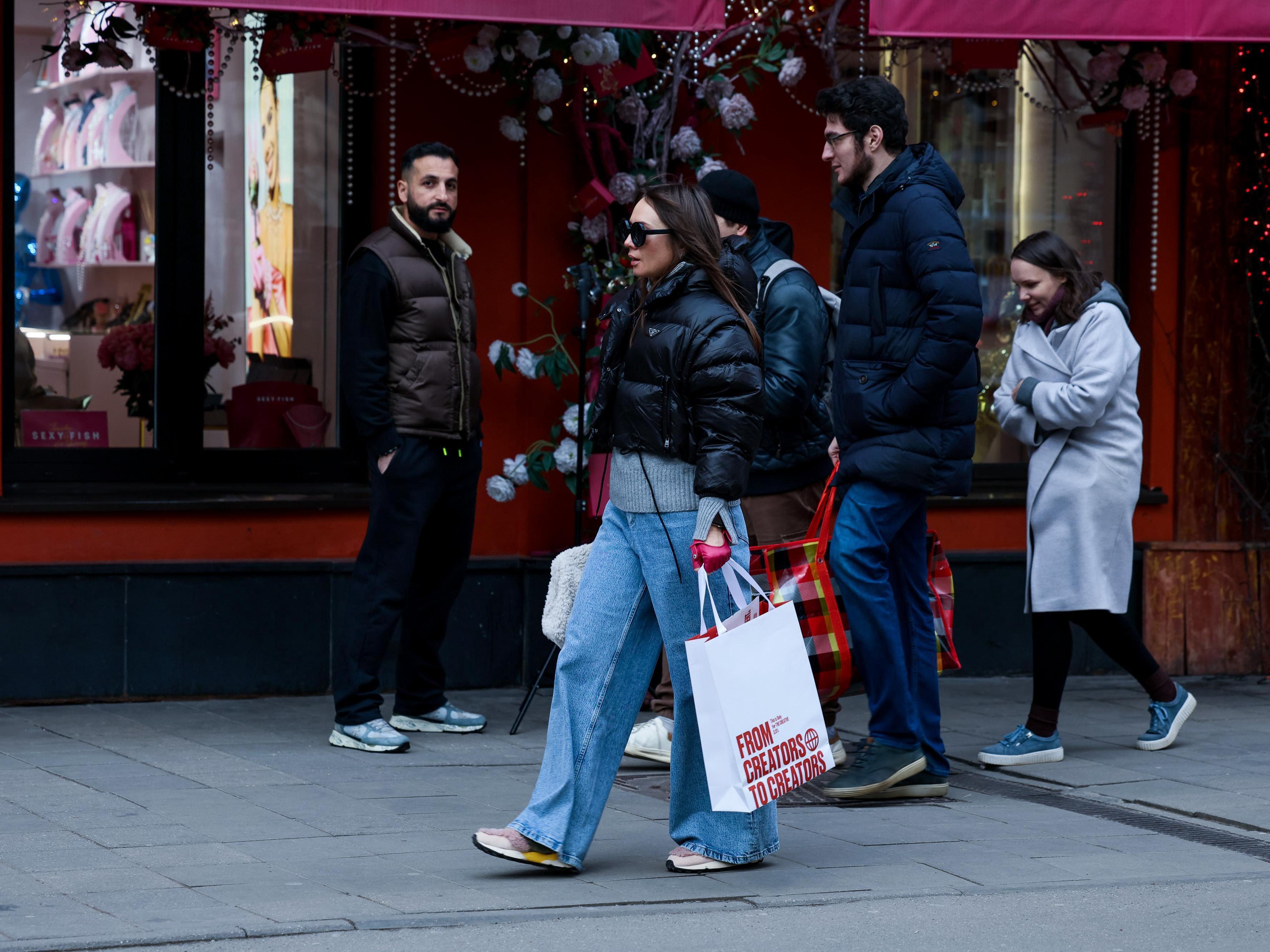

The #nobuylist trend first appeared on social media in late 2025 and became a mass movement by early 2026. People are publicly renouncing impulse buys, creating entire categories of things they definitely won«t buy in the coming year. Experts say this phenomenon reflects long-brewing changes in consumer behavior. Read more about the conscious consumption trend and its economic implications in this NGS report.
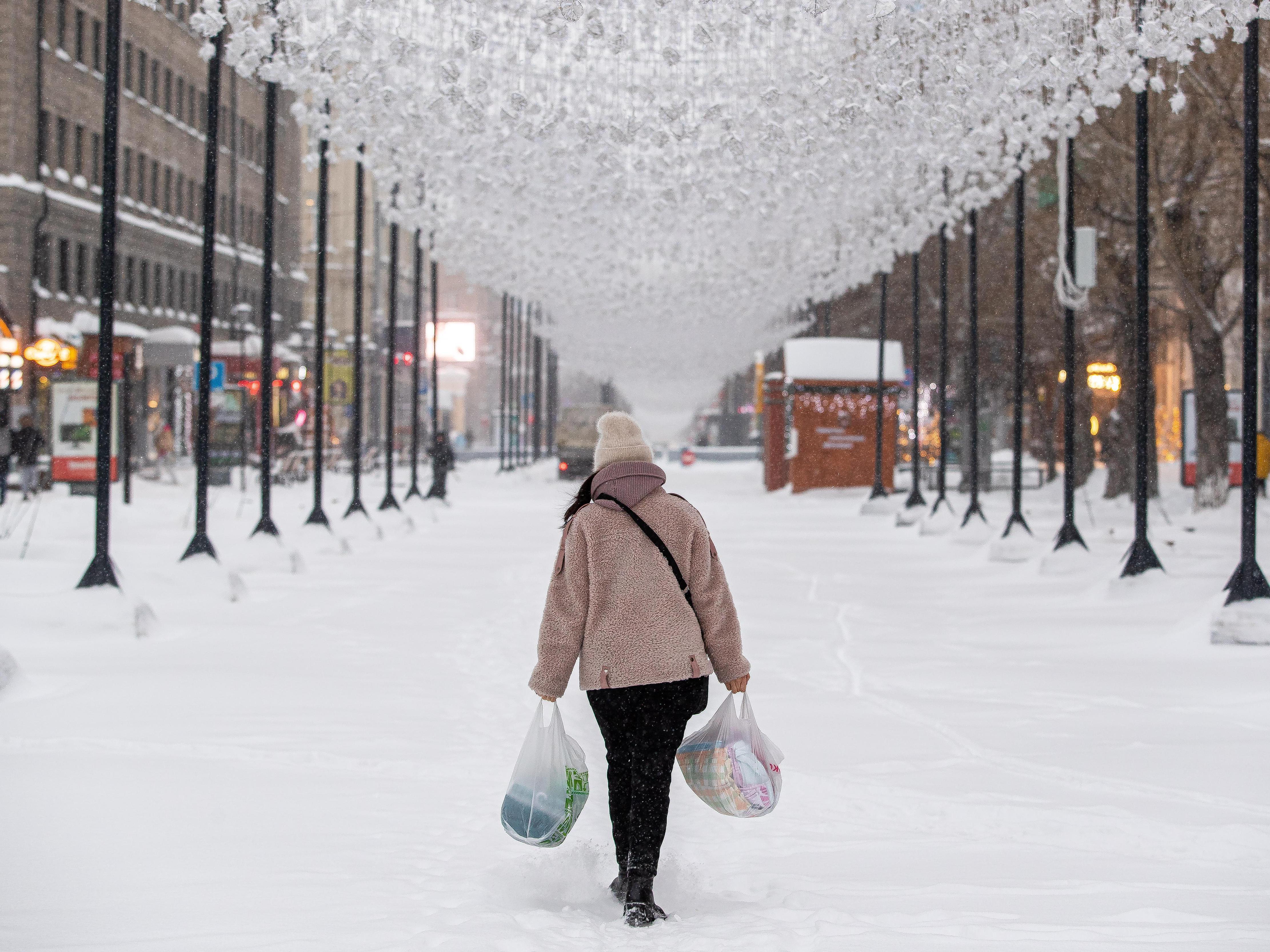
A new trend is spreading actively on social media under the hashtags #nobuy and #nobuylist. Instead of making wish lists and shopping lists for the year, users are compiling lists of items and services they definitely will not buy. These lists include beauty treatments, hyped-up brands, many trendy items, and non-essential cosmetics.
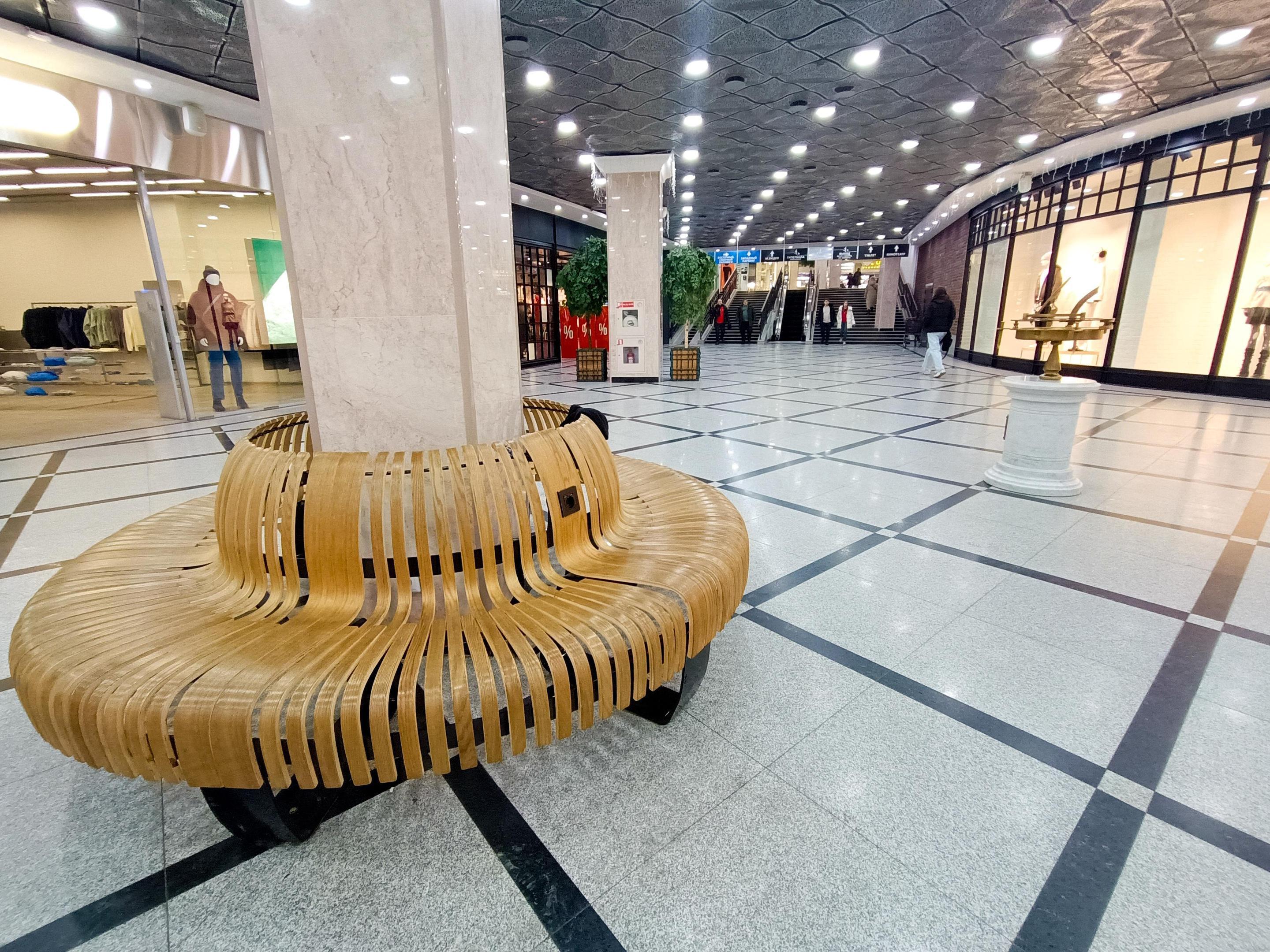
The trend originated back in 2025 and gained massive popularity by the beginning of 2026. This includes among social media users in Novosibirsk (Siberia, Russia).
«I try not to follow trends, but this one interested me. I thought, why not define my own list of things I would never buy. Among them were eco-fur coats from marketplaces that many people wear now — it looks strange and not original,» said Siberian resident Daria T. «Generally, conscious consumption really worries me, as many people unconsciously buy jars of cream, piles of things on sale. And in the end, most of it lies on shelves unused.»
The girl shared that even though the list is made, she still often gives in — especially when scrolling through marketplaces or watching bloggers« reviews.
»What stops me is that I could be left without money,« Daria admitted.
Yevgenia A. became interested in the trend after several of her favorite bloggers took part in it.
«I thought it was an interesting idea, I»d never heard of such a thing before. Well, and I decided to try it too: I gave up excessively expensive skincare and coffee at lunch. Maybe I«ll buy something with the saved money. But if it»s easy with skincare, giving up coffee is difficult. I«m holding on for now, but I don»t know how long I«ll last,» the girl admitted.
The era of slow fashion
A serious attitude toward this trend would seem to deal a painful blow to manufacturers. But according to marketing communications and PR expert Yekaterina Zheleznyakova, they themselves are seriously concerned about their impact on the environment.
«Already 10-15 years ago, brands began calculating and sharing information about how many times you could circle the globe if you laid out all the fabric remnants from clothing produced on the planet, measuring in kilometers the height of mountains you could build from all unsold collections, calculating liters of water and the number of water bodies in the world that have dried up from cotton processing,» she said. «Reasonable, conscious consumption, ethical production, and sustainability have become a reason to communicate with the client and an argument in the brand»s favor, all else being equal.«
For example, the fashion industry long ago saw the emergence of the concept of slow fashion — an approach that involves producing long-lasting items, with an emphasis on quality, not quantity. Stylists increasingly advise creating capsule wardrobes, where items complement each other and allow for mixing and matching the same pieces without buying too many. Gen Zers have popularized resale and upcycling — reselling secondhand items and remaking old items into new and stylish ones.
Brands, tracking audience sentiment, also try to meet their expectations. Therefore, fashion houses and manufacturers increasingly emphasize eco-friendly production and care for the environment. The #nobuylist trend in these processes is a quite logical continuation and the natural «cherry on top,» believes Yekaterina Zheleznyakova.
«A trend that becomes a meme or a challenge always gains popularity and mass appeal. For fashion retail, this means a reduction in impulse sales and a need to revise business models. The buyer is increasingly investing in versatile, durable items and refusing the seasonal race for micro-trends,» the expert is sure.
The numbers confirm this. Some global fashion brands note that in 2025, revenue grew due to price increases, but fewer items were purchased. For example, according to the Moneyplace service, sales at Bershka decreased sevenfold, and at Stradivarius — 3.6 times.
«When choosing a particular item, the consumer is increasingly guided by the meanings the brand conveys and the consumer experience created around the purchase. Failed »Black Fridays« over the last two years speak to the declining importance of discounts; the pattern of buying behavior to snatch something unnecessary but cheap is fading,» Yekaterina summarized.
She believes that from a macroeconomic point of view, the trend portends a cooling of the consumer sector and a redistribution of expenses toward experiences, travel, and services. In the long term, #nobuy could even reduce overproduction and make the fashion industry more sustainable and mature.
A symptom of cultural doubt
If you look at the trend from a psychological point of view, it is primarily not an economic but a self-regulatory phenomenon, believes psychologist Rodion Chepalov. People make lists of things to not buy not only because the market pushes them to it, but also because they feel tired of the constant pressure of consumer culture.
«This is an attempt to regain control: »It«s not marketing deciding for me, but me myself.» Often behind this lies anxiety — financial, environmental, existential — and a desire to reduce internal tension through restrictions,« the psychologist explained.
For the economy and brands, the trend is not at all dangerous, the expert is sure — it exists only at the level of personal decisions and declarations, but is not supported by the system itself.
«All digital environments — marketplaces, social media, advertising, algorithms — still work to increase purchases, not to restrain them. A person may have a no-buy list in their head, but there is no »you«ve forbidden yourself to buy this» button in the shopping cart interface. Therefore, in a moment of fatigue or emotion, the prohibition is easily bypassed,« Rodion Chepalov clarified.
This can be compared to a diet: if there is no supporting environment, the habit won«t last long. If features that actually help not to buy appear — reminders, family restrictions, or »anti-carts« — the trend»s influence will become noticeable. For now, «the list of things I definitely won»t buy« is more a symptom of cultural doubt in the idea of endless consumption than a real threat to the economy.
«For brands, this is a signal not for panic but for rethinking: what»s becoming more important to people is not the quantity of things, but meaning, honesty, and respect for their boundaries,« the psychologist summarized.
Earlier we reported on how AI technologies are changing the modeling business.