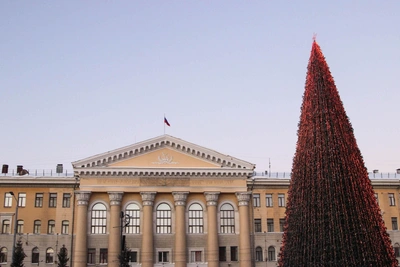
Cheap Sugar, Expensive Restaurants: Inflation Rises in Trans-Urals
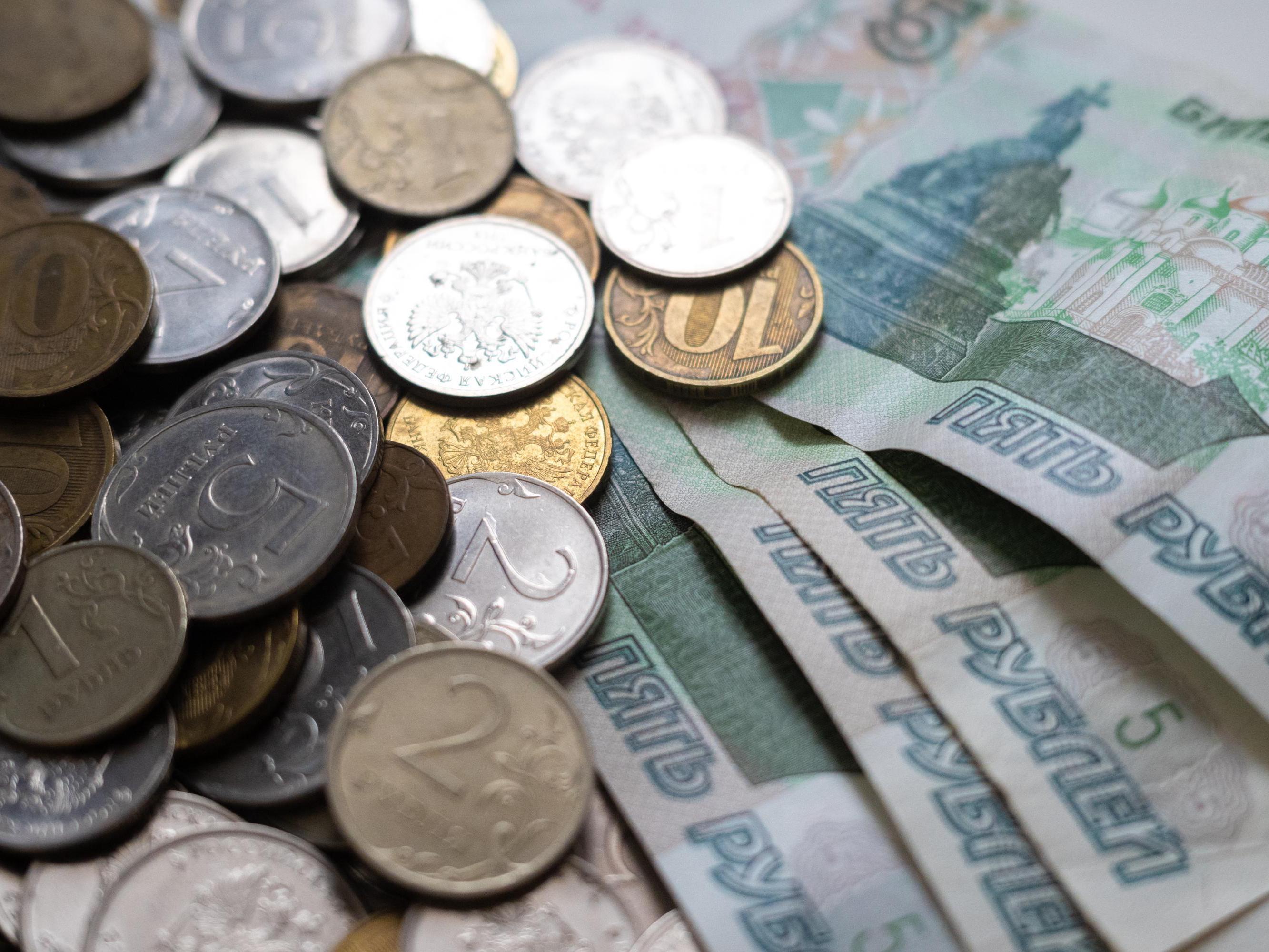

In the Trans-Urals region in December, annual inflation rose to 6.49%, increasing by 0.31% compared to November. It is higher than the national rate (5.59%), according to the Bank of Russia website.
Experts note that the price drop for basic foods occurred due to a good harvest in 2025 and increased production. Sugar, rice, and peas became cheaper because of high inventory levels. The increase in milk processing volumes led to lower prices for cheese, cream, and butter.
However, prices in cafes and restaurants, on the contrary, rose. Businesses passed on accumulated costs to dish prices amid high New Year«s demand.
In December, during the pre-holiday rush, cosmetics and perfumery became more expensive, allowing companies to compensate for logistics costs. Over the month, prices for laminate, drywall, and wallpaper increased.
Warm clothing items became more expensive due to rising raw material and logistics costs. But fur products became significantly cheaper, as retailers clear out leftovers through sales.
Prices for popular gasoline brands decreased. This is the result of completion of repair work at oil refineries and the restoration of supply volumes in the market.
Experts from the Bank of Russia«s Center emphasize that in December, vouchers for sanatoriums and individual medical services became noticeably more expensive, as did prices for subscriptions to online services.
The cost of tourist trips abroad significantly decreased, because in December the season ended in some countries, for example, in Egypt and Turkey. Also, the strengthening of the ruble continued.
According to the forecast, in 2026 inflation will drop to 4–5% and stabilize near 4% subsequently.