Cautious Consumption: How Tula Residents Save on Food
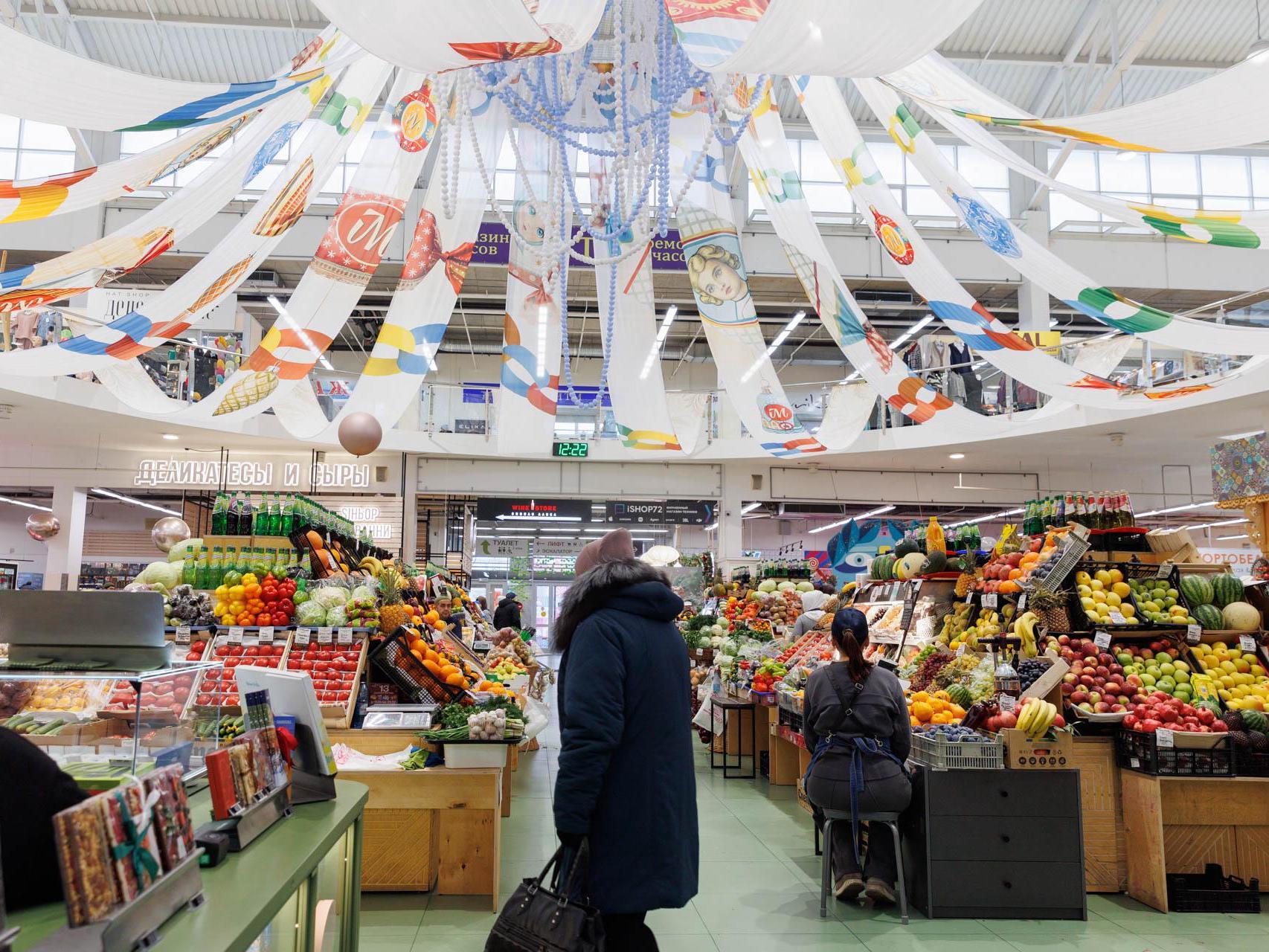

Russians are changing their consumer preferences. They are choosing a savings model, cutting costs on purchases, and switching to cheaper alternatives. Market participants and experts are talking about this. The observer from 72.RU together with interlocutors is trying to understand what is happening.
What do retailers say?
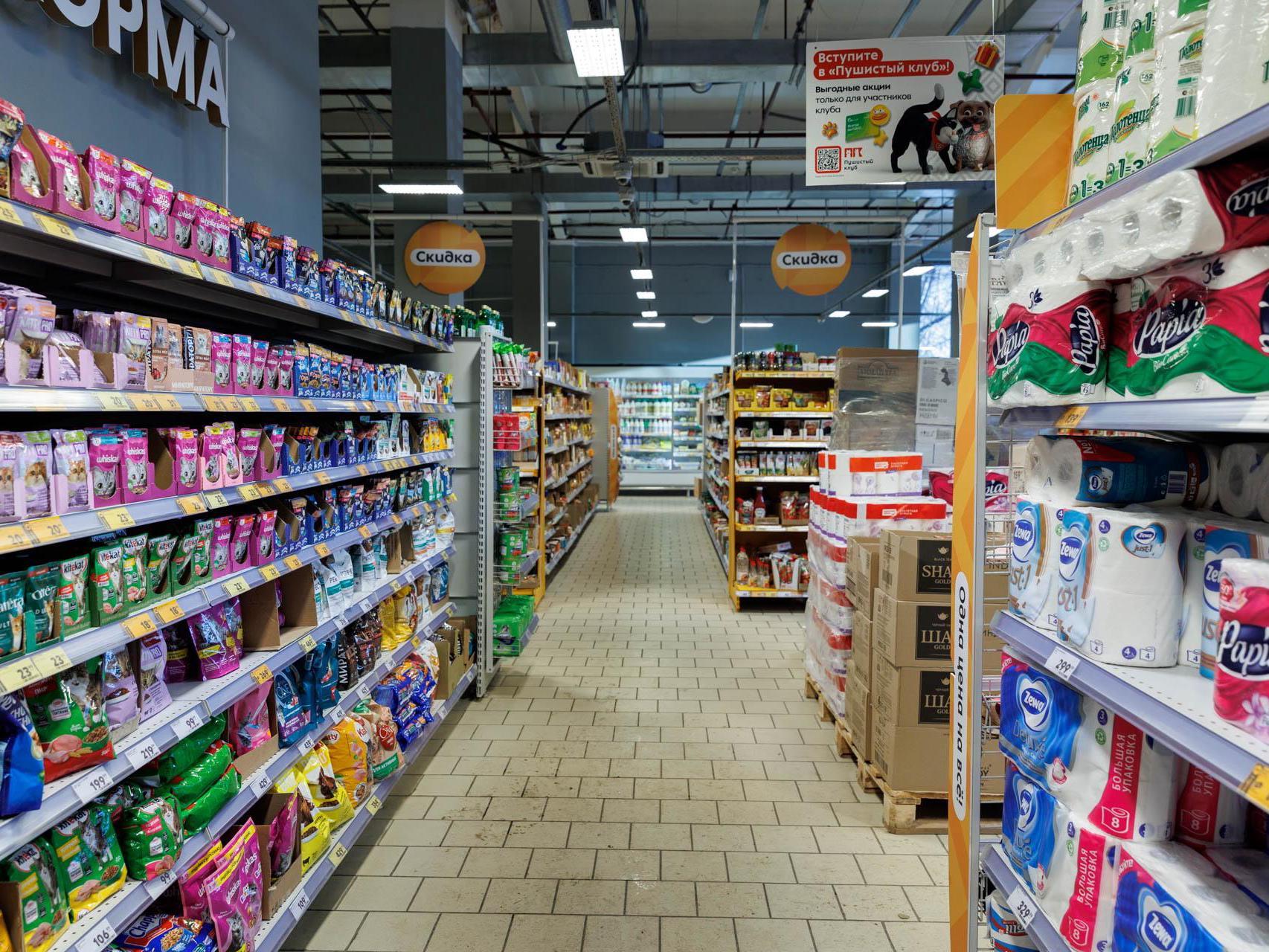
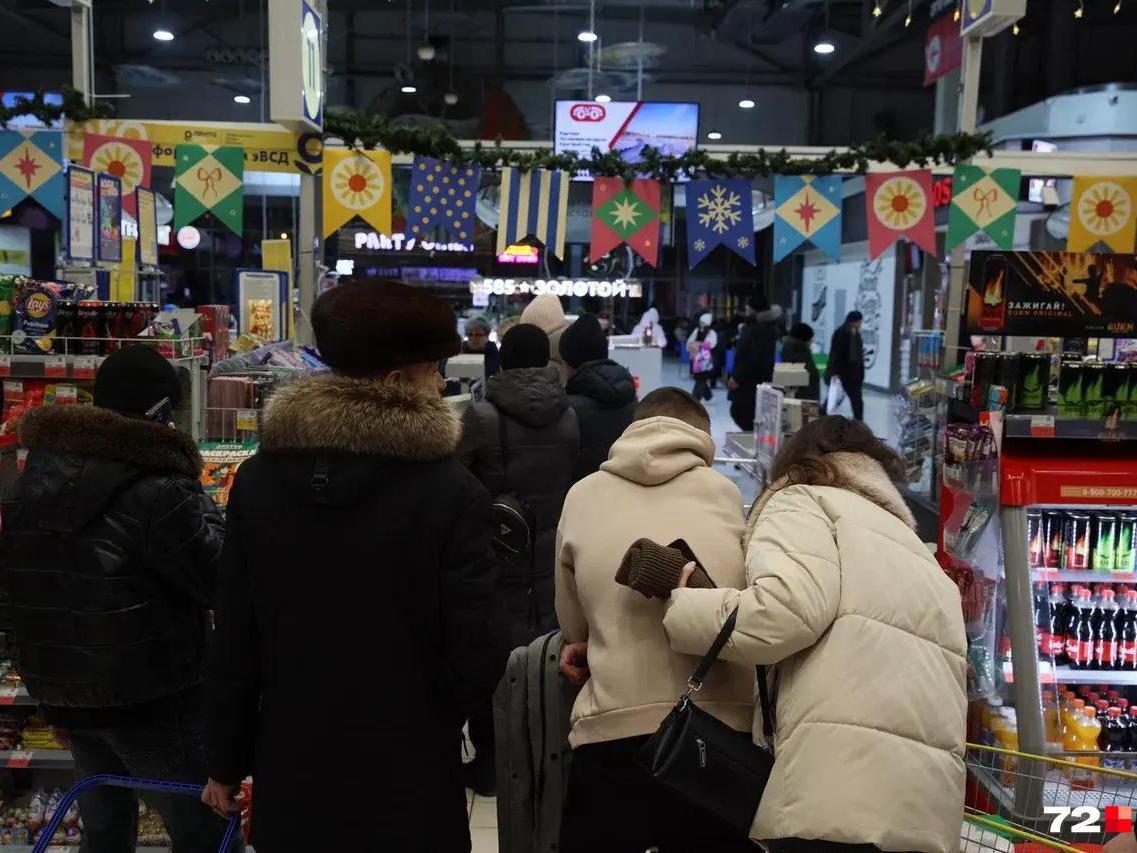
Direct market participants note savings among buyers. Speaking about their behavior, they highlight the preservation of the savings consumption model, rational spending, a shift to discounters, and the search for advantageous offers. Affluent buyers are interested in goods in the mid-price segment. Another trend is the slowdown in market demand.
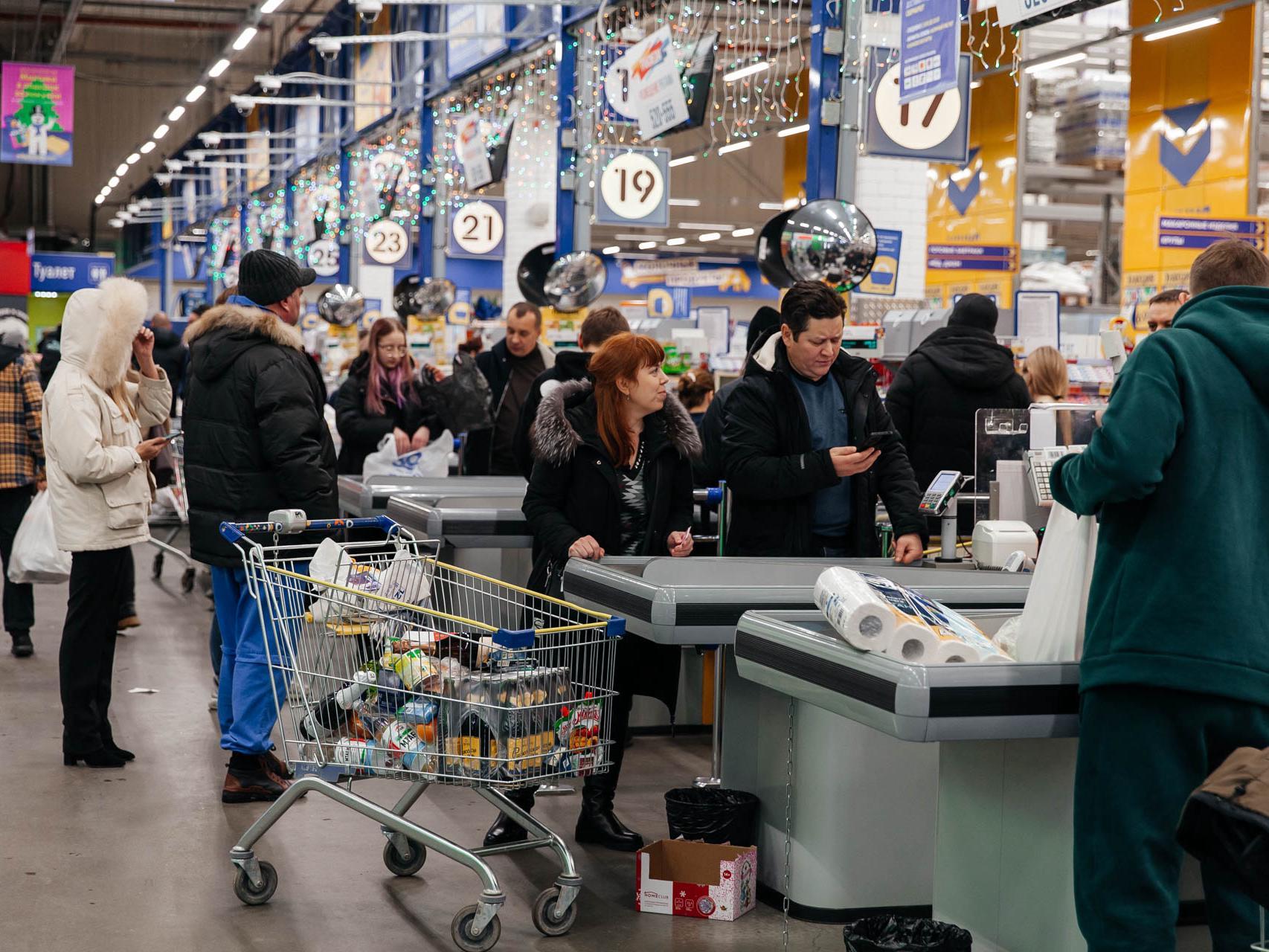
«With the cooling of the economy, we are observing a slowdown in the growth of the food retail market — in physical volumes from 6–7% in 2024 to ~2% in 2025,» — said to the journalist of 72.RU in the press service of X5 Retail Group.
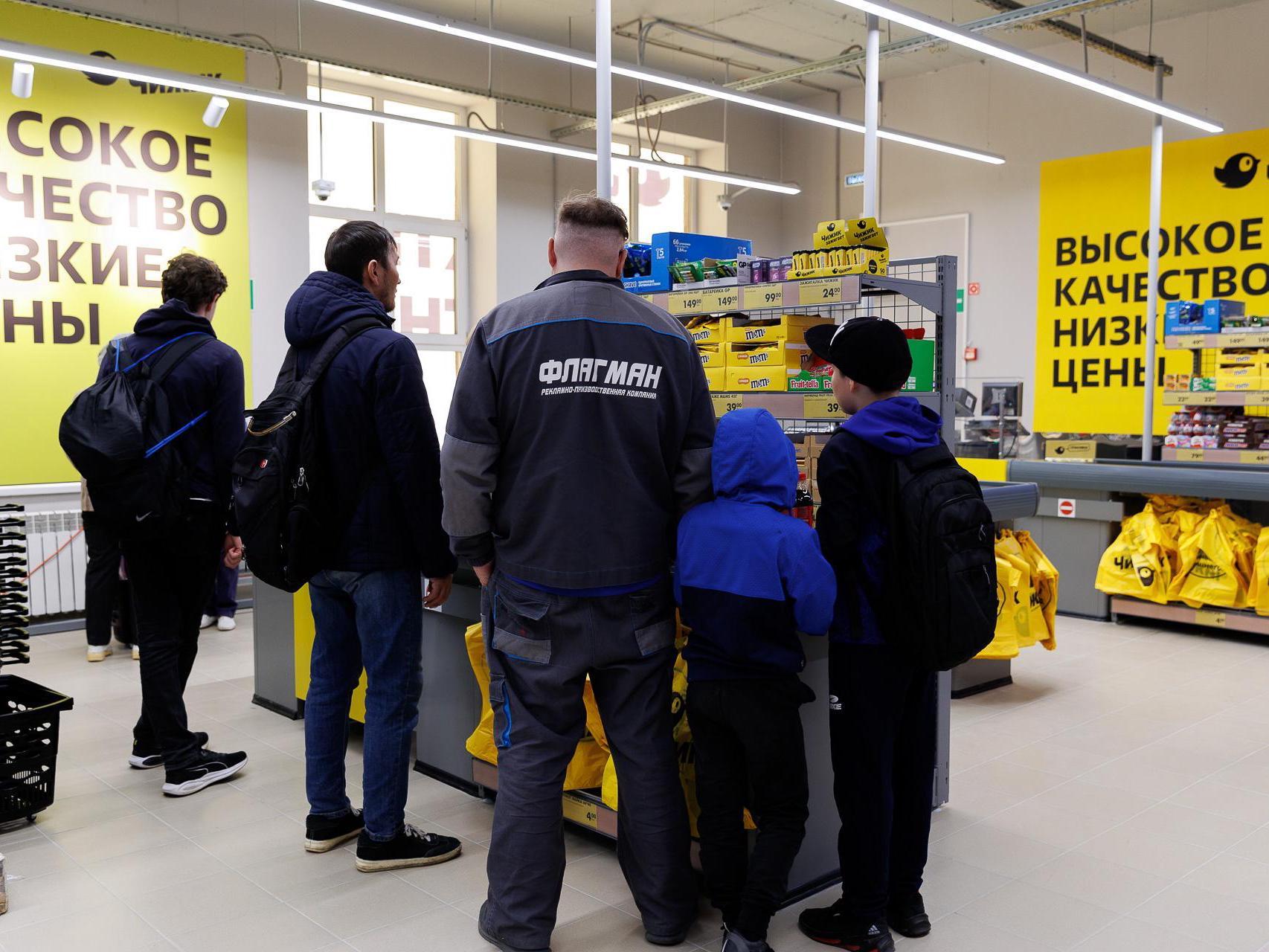
They note that the consumer maintains a savings model of consumption and strives for rational spending.
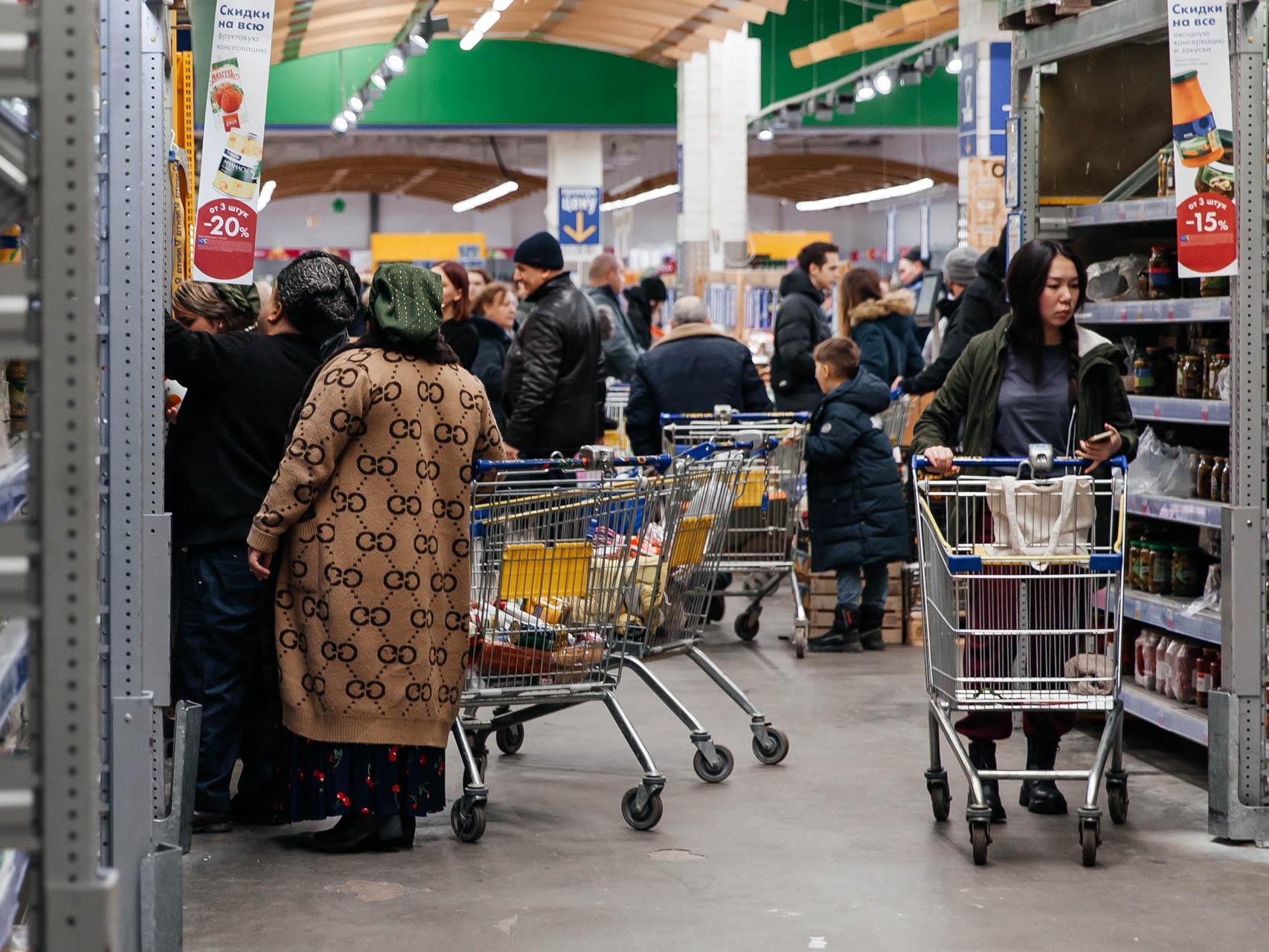
«Chizhik, as a new-format discounter, is one of those stores where there is an influx of buyers due to consumers» more rational attitude towards financial distribution,« — added in X5.
In the press service of Lenta they say that buyers continue to save on purchases and not only strive to find low prices, as before, but also consider the ratio of product weight and cost per unit. In addition, they more actively use promo codes and cashback, take into account marketing promotions to plan purchases in advance.
«Demand for goods in the mid-price segment is growing, even among affluent buyers. Last year, the retail market faced a slowdown in demand, so we take trends into account and actively adapt the assortment to the needs of the buyer. Including offering the most advantageous prices,» — added there.
And what is happening?
Among the characteristic signs of last year Vasily Kutyin, director of analytics at Ingo Bank, notes cautious consumption.
«The purchasing power of the population remains under pressure: income growth lags behind expense growth, and the high interest rate in the first half of the year restrained both consumer loans and major purchases. Households are increasingly focusing on basic essential goods, but even on them they have to save,» — explains the expert.
In addition, further strengthening of purchase rationality, growth in demand for domestic goods.
«The popularity of marketplaces continues to grow, consumers are transitioning to the online format. In Russia, the online format is popular also due to difficult climatic conditions. In our country, during the calendar year, there are approximately 6–7 months of uncomfortable weather, which stimulates consumption through online channels,» — says Kutyin.
The preferences of Russians are changing significantly, states Oleg Abelev, head of the analytical department of the investment company Ricom-Trust. He explains that this structural restructuring of consumer behavior is happening under the influence of sanctions, import substitution, high rates, and so on.
«Key signs, first of all, are rationality and pragmatism. I would say that the buyer has become smart, calculating, evaluates price, expiration date, weight, volume, and only then the brand. The popularity of price comparison applications, loyalty cards, cashback is growing,» — explains the economist.
The second trend is the transition to cheaper alternatives, notes Abelev — from the premium segment to the middle, from the middle to the economy, more often choosing retailers« own brands. Moreover, adds the expert, buyers are more actively purchasing discounted goods.
The third trend, continues Abelev, is the focus on basic needs — spontaneous emotional purchases are decreasing; priority is given to food products, household chemicals, goods for children, and the like.
«This is digital hygiene, rejection of excesses. For example, in public catering, the trend towards simple quality food is becoming more noticeable, also the demand for street food, for more democratic formats is growing,» — notes the economist.
Another trend, says Abelev, is hyper-loyalty to discounts, promotions. According to him, buyers are ready to change stores, routes to them, to buy goods on promotion. The significance of loyalty programs with real benefits, personal offers is growing.
Also, notes the economist, some part of buyers has begun to purposefully choose domestic goods and thus support local producers — the trend towards patriotism. It appeared only in 2025.
Why are hard discounters in demand?
The trend towards hard discounters is key in the market and is related to economic pressure, says Oleg Abelev. Such stores offer the minimum possible price due to super-efficient logistics, minimum staff, simple design and work with local producers, as well as an extremely narrow assortment only from popular items, explains the economist.
«Another reason for the growth in the number of discounters is the change in perception. Previously, such a format was associated with low quality. Now, the mass buyer has come there, who saw that it is possible to buy the same basic goods — pasta, cereals, flour, sugar, canned goods 15–20% cheaper, or even cheaper. Well, plus geographical expansion — discounters are actively entering cities where previously there were only federal chains, and they win due to price,» — explains Abelev.
The economist predicts in the next two to three years a rapid growth of the format, then — the emergence of softer and hybrid ones, perhaps with a slightly wider assortment.
What will happen?
Oleg Abelev talks about the era of own brands in 2026 and the appearance of premium in this segment, as well as environmental lines. Also, he notes that retailers are turning into powerful media platforms. According to the economist, instead of general promotions, targeted struggle for the customer through mobile applications, purchase history will come.
Vasily Kutyin notes several trends that may manifest on the consumer market in 2026.
«With high probability, one can expect the further spread of installment payment models (BNPL). At the same time, there are risks that the activation of regulation of this segment may change the picture in the long term,» — he says.
Also, Kutyin highlights several others: growth in the popularity of loyalty programs and cashback, as retailers strive to retain customers against the backdrop of high competition; development of the e-grocery segment (online sale of everyday goods); increase in the popularity of ready-made food.
Earlier, they published a column by a local resident who works in the oil and gas sector. He told how his work is organized, how much he earns, and why he wants to quit shift work forever.