What Will Replace Disappearing Fish in Azov Sea

Invertebrates are emerging as a key resource for the Azov Sea«s small fishing fleet amid declining fish stocks.
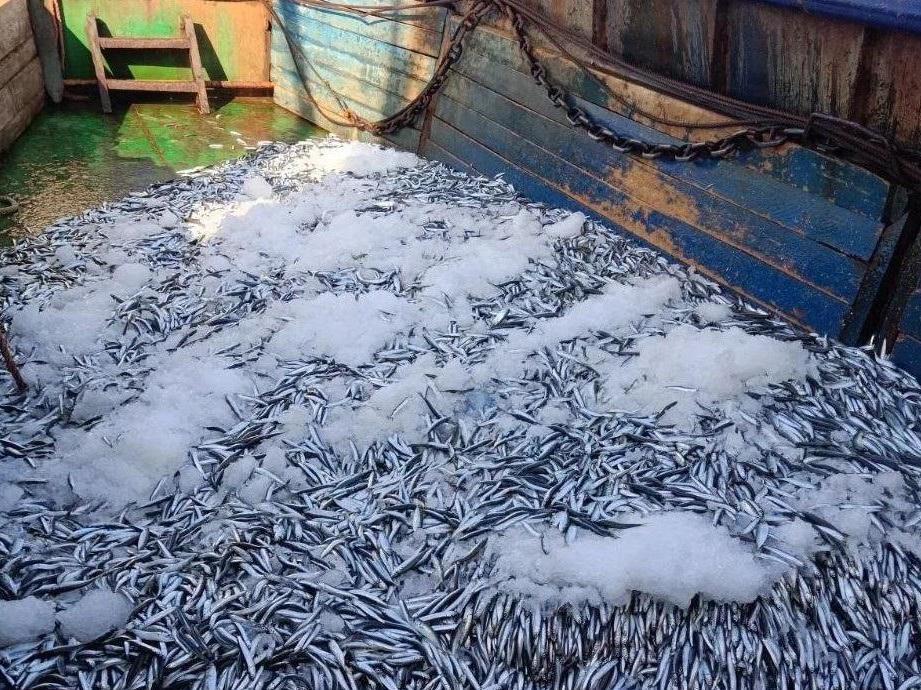
According to the monograph «Fishery Potential of the Azov Sea» published by specialists from the Azov Research Institute of Fisheries and Oceanography (AzNIIRKH), the basis for the small fishing fleet in the perspective until 2040 will be not fish, but invertebrates. Traditional catch objects — gobies, tyulka, and anchovy — are in an extremely depressed state due to the critical restructuring of the water body«s ecosystem under modern climatic conditions.
«It is precisely commercial invertebrates that can become the basis for preserving the small fishing fleet in the Azov Sea and preventing its decline,» the researchers state.
The reorientation is already underway. If until 2011, crayfish were mainly considered commercial, then due to the increase in sea salinity, invertebrates began to spread rapidly. Their aggregate stocks grew from 204 tons in 2000 to 9.6 thousand tons in 2022. Now, they account for more than a third of all annually harvested biological resources in the sea.
Most indicative is the explosive growth of rapa whelk stocks: from 1.4 thousand tons in 2010 to 26.3 thousand tons in 2024. Scientists note: «The spread of the rapa whelk»s range across the entire sea area allows this raw material base object to be considered as the main alternative until 2030–2040 for ensuring the employment of the small fishing fleet.«
Other species promising for fishing include:
- Shrimp: by the end of 2024, a historical record was recorded in the volume of their catch.
- Scapharca mollusk (anadara): a species that recently penetrated the sea has quickly spread throughout the entire water area. Its fishing is officially permitted since 2023, and in Asia, the meat of this mollusk is considered a delicacy.
- Mussels: studies record mass accumulations, their extraction is also permitted, but is not yet conducted.
- Jellyfish: having swarmed the sea in recent years, they are considered as a potential fishing object. Specialists from AzNIIRKH have already proposed options for their use in cuisine.