Stalin's Shelterbelts in Rostov Region to Be Restored
Prime Minister Mikhail Mishustin has instructed the development of a program to care for three old shelterbelts in the region.
Jan 25, 2026 0
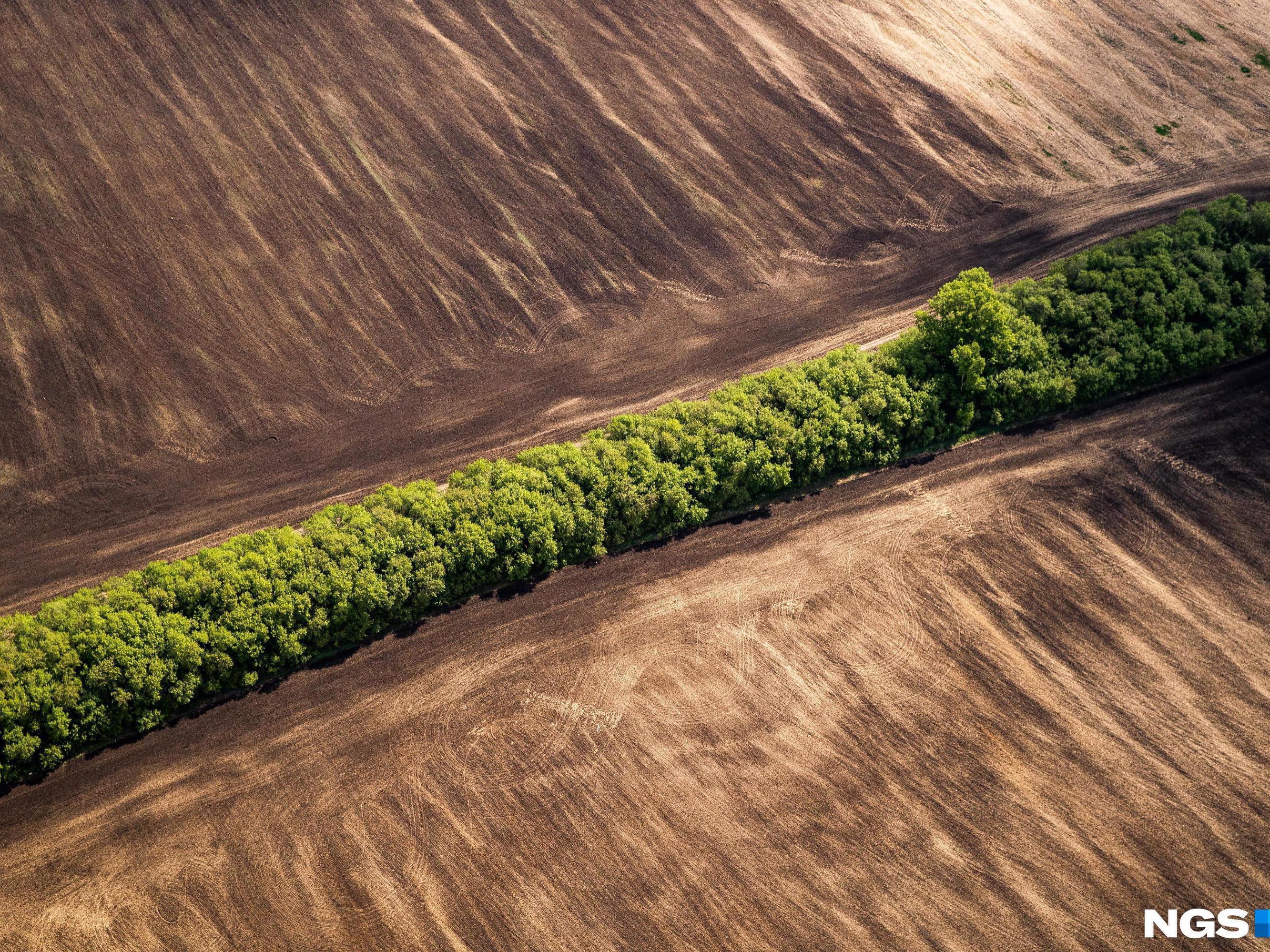

Shelterbelts were intended to protect agricultural fields from drought.
Source:
In Rostov Region, state protective shelterbelts created over half a century ago as part of the so-called Stalin«s Plan for the Transformation of Nature will be put in order. This was reported by Vyacheslav Vasilenko, deputy chairman of the regional Legislative Assembly.
The corresponding instruction to a number of federal ministries was given by Russian Prime Minister Mikhail Mishustin. By November 2, 2024, the agencies must prepare a scientific and technical program for the restoration and maintenance of these plantations.
«We have three such shelterbelts in Rostov Region that were planted according to Stalin»s plan. They have been unmanaged for over 40 years,« Vasilenko noted.
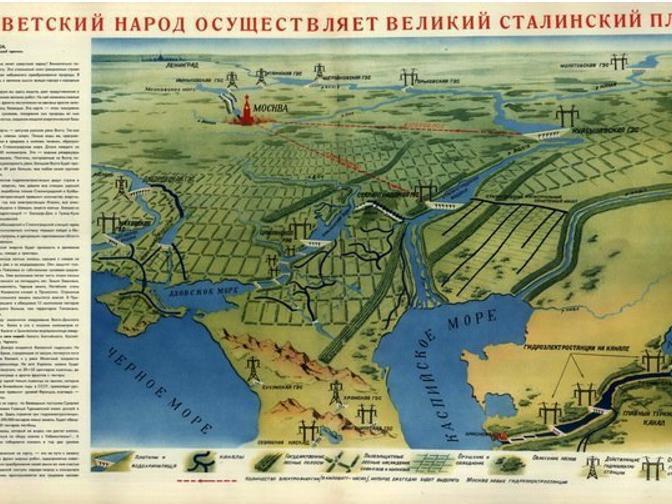
The grand plan for the transformation of nature was developed in the USSR in 1947–1948 after a severe drought that caused famine. Its main goal was land reclamation in the steppe and forest-steppe regions of the European part of the country.
The main measure was the creation of eight large state shelterbelts with a total length of over 5,300 kilometers. Four belts were to run along the banks of the Volga, Don, Ural, and Seversky Donets rivers, and another four in the watersheds between them. Work on the plan was halted after Joseph Stalin«s death in 1953, but later resumed and largely completed by 1972.
Shelterbelts were created to protect agricultural fields from dry winds, prevent erosion of the fertile soil layer, and restore lands.
«After 1972, they were tended to for about 15 years and then abandoned. No one has been looking after them for a long time. And these are huge field-protective shelterbelts, some with a width of 11 rows. They are essential for ecology,» stated Vyacheslav Vasilenko.
The total length of three such shelterbelts passing through Rostov Region is about 2,000 kilometers. These are the belts:
- from Penza to Kamensk,
- along the banks of the Don from Voronezh to Rostov-on-Don,
- along the banks of the Seversky Donets from Belgorod to the Don.
Previously, it was reported that scientists from the Botanical Garden of Southern Federal University in Rostov are creating a special nursery for breeding plants adapted to local conditions, which can be used for greening cities in the region.
Read more