Scientists propose crackers made from Azov Sea jellyfish
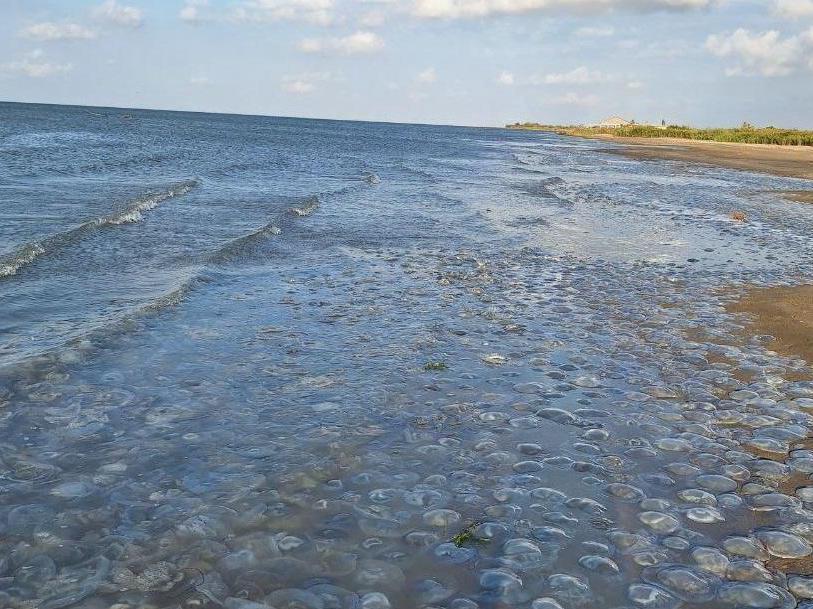

Jellyfish, which have massively proliferated in the Azov Sea, can be caught and processed into food for humans. This was stated by the Azov Scientific Research Institute of Fisheries (AzNIIRKh).
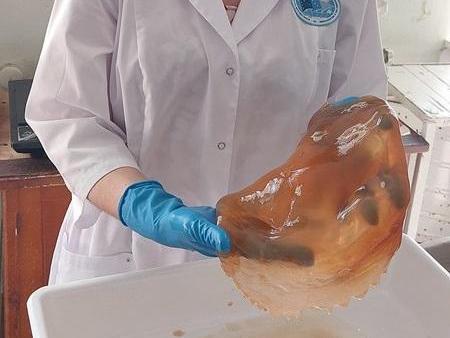
Specialists from the AzNIIRKh branch in Krasnodar Krai have developed a technology for safely salting these marine organisms.
«Another possible way to process jellyfish is to use them in boiled or dried form in the production of flour confectionery products, such as crackers,» AzNIIRKh reported.
The use of jellyfish allows for the elimination of table salt from recipes, as they naturally contain sodium chlorides. Jellyfish crackers will also be rich in macro- and microelements.
AzNIIRKh scientists have obtained a patent for a method of producing dried jellyfish. This method increases the protein content from 0.6–0.8% in fresh jellyfish to 28–36% in dried jellyfish, which enhances its nutritional value as raw material for hydrolysates and food products.
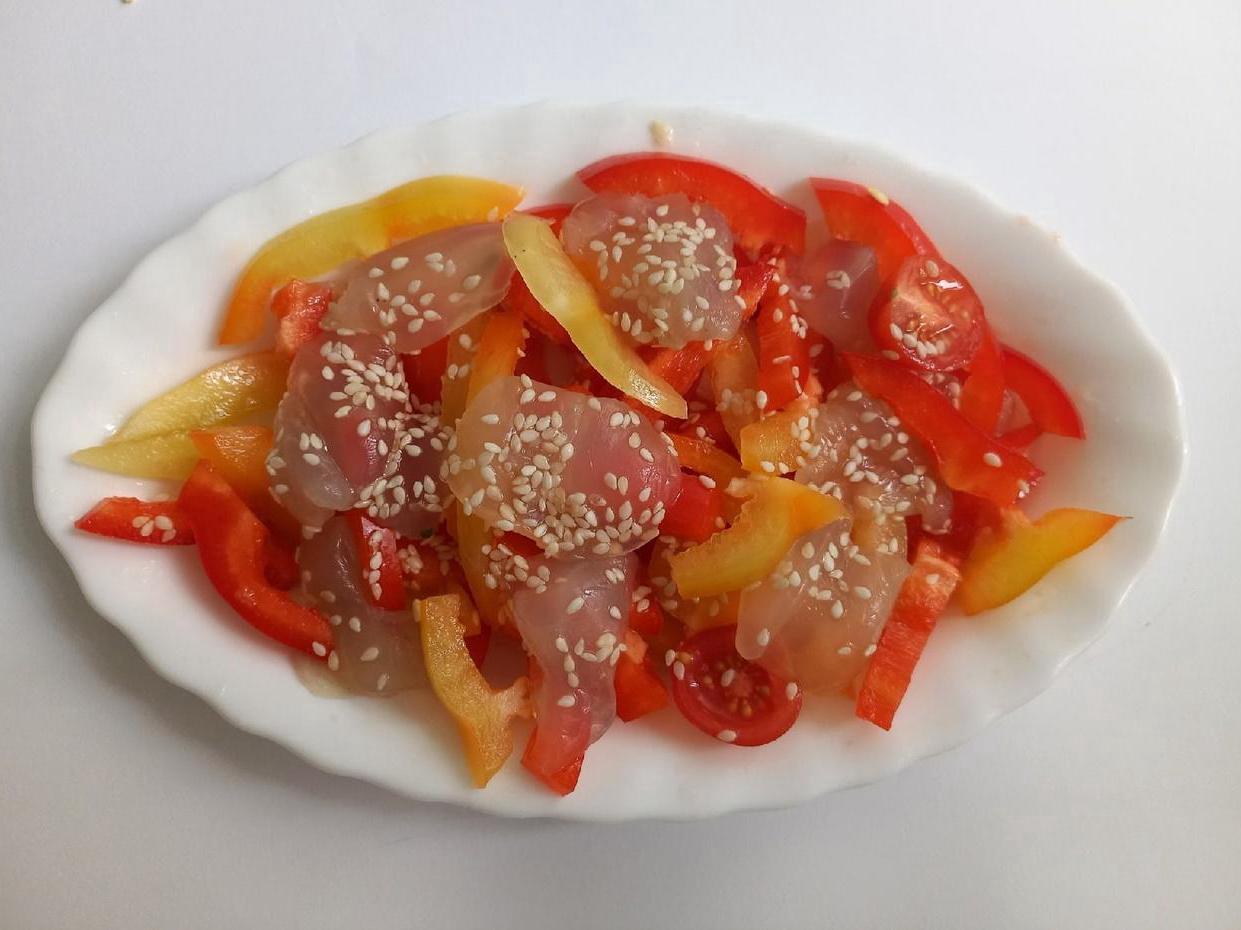
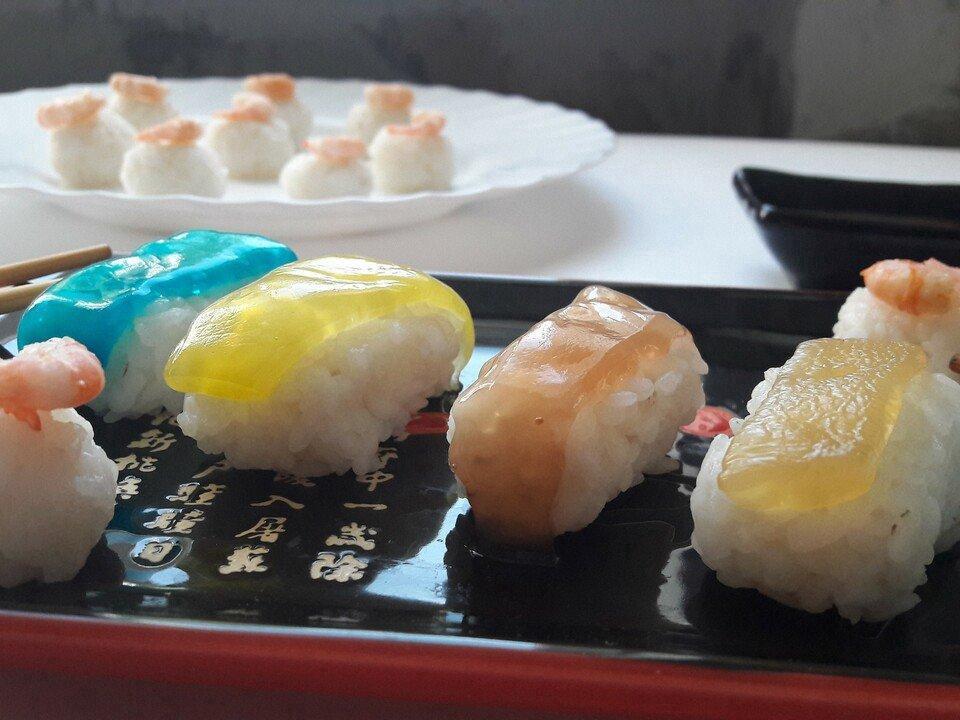
From dried rhizostome jellyfish, semi-finished products for soups, sushi, or seafood salads can be made. Also, salted jellyfish can be marinated in various sauces, dressings, and spicy broths, then dried to an elastic state. In this form, it can be consumed, for example, with rice.
The spread of jellyfish in the Azov Sea is caused by the continuing increase in the water body«s salinity due to the reduction in freshwater flow from the Don and Kuban rivers. In certain periods of the year, their numbers are so high that fishermen are forced to stop fishing.