Vera Alentova's Life and Love: 'I Owe Everything to My Mother'
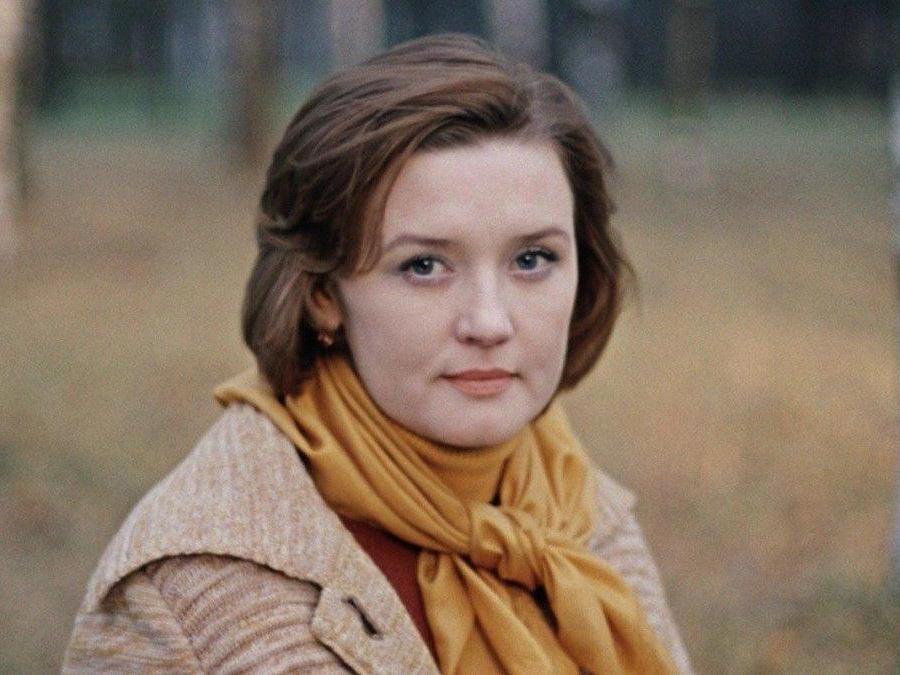

From the outside, it seemed actress Vera Alentova«s life was a complete fairy tale and a cause for envy. Natural beauty, which was even appreciated in Hollywood, a successful husband, popularity, and connections—what more could one dream of? However, gradually Alentova lost all of this, one thing after another, but bore the blows humbly, until the next one proved fatal for her.
‘My mother didn«t want me to become an actress’
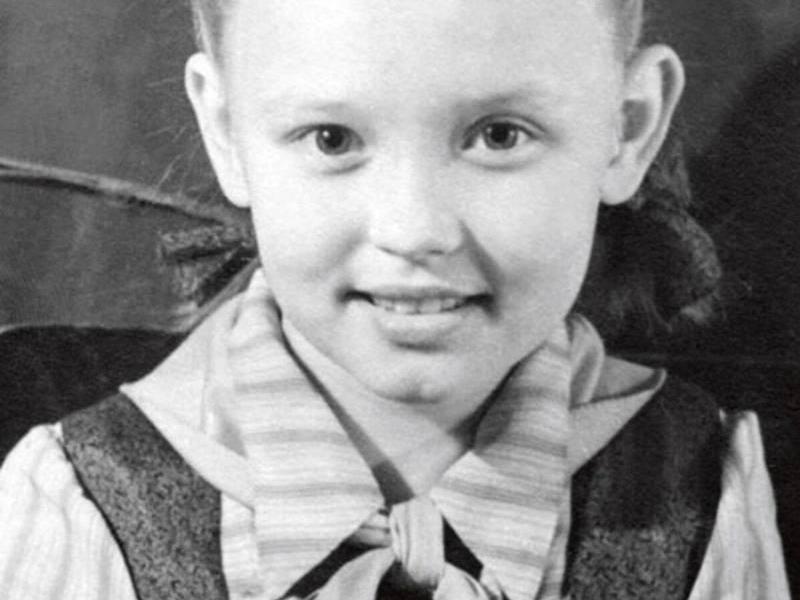
Vera Valentinovna learned early what loss and poverty were. Alentova was born during wartime. When the little girl was not yet four years old, her father fell ill and could not get up again; he was struck down by tuberculosis.
Alentova was raised by her mother. They could rely only on themselves, so the woman took on any work and taught Vera everything she knew herself.
No matter how hard the woman tried, the family lived in great poverty, and sometimes for Vera, not only toys but even ordinary food was a luxury. However, a hungry and difficult childhood did not break Vera at all, but only made her dream bigger. She wanted to be an actress: beautiful, successful, rich, bathing in applause and knowing no hardship.
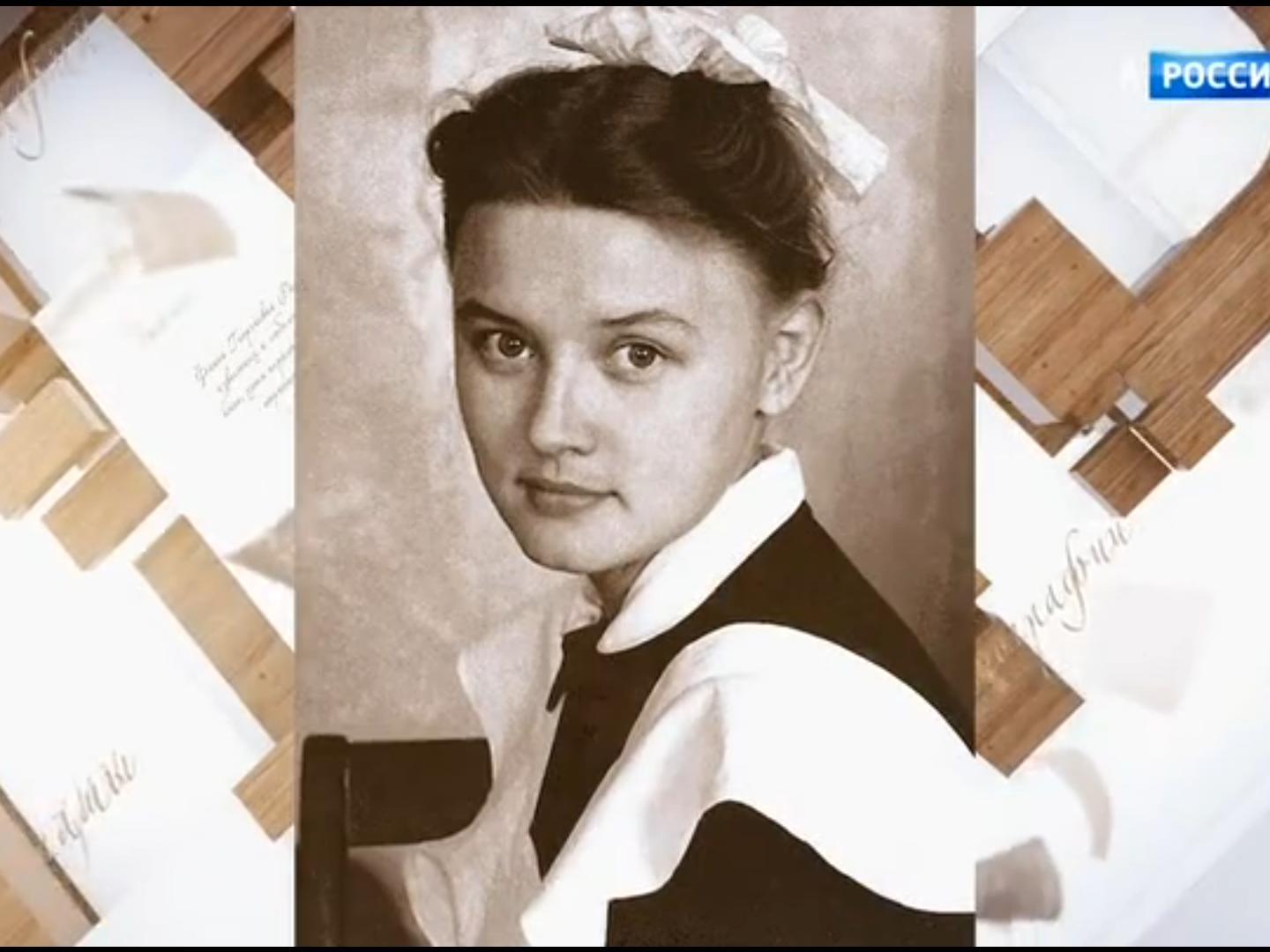
Her mother, wise with life experience, did not support her daughter«s fantasies. She believed there were many actors, but only a few made it, and it was not a given that Alentova could become one of them. She hoped the girl would come to her senses and become a doctor.
— My mother didn«t want me to become an actress... But if I hadn»t become an actress, I would have been the unhappiest person in the world, doing something that wasn«t my calling, — Vera said in one interview.
In order not to upset her mother, Alentova did apply to medical school, but consciously and spectacularly failed the exams. At the same time, she auditioned for the local Altai Drama Theater, which accepted her. Vera remembered for the rest of her life how she told her mother about this.
— Mom, I have two pieces of news: one good, one not so good. I didn«t get enough points and didn»t get into medical school. But! I was accepted into the auxiliary cast of the Altai Drama Theater, — Vera announced proudly.
Alentova never heard praise or joyful shouts. Instead, her mother only reproached her, saying that life as an extra was not the pinnacle of dreams. And if Vera wanted to become an actress, she had to go to Moscow.
— Get into a theater institute. If you are talented, they will take you with open arms, but if you are talentless—you have no business in the theater, — Vera«s mother concluded.
The girl packed her things and in 1961 set off for the capital, where on her second attempt she was accepted into the Moscow Art Theatre (MKHAT).
‘It«s very tiring—homelessness, lack of money, student living’
At the theater institute, Vera met Vladimir Menshov and immediately fell in love with him. Within a year, they had a student wedding, and in 1969 their daughter Yulia was born.
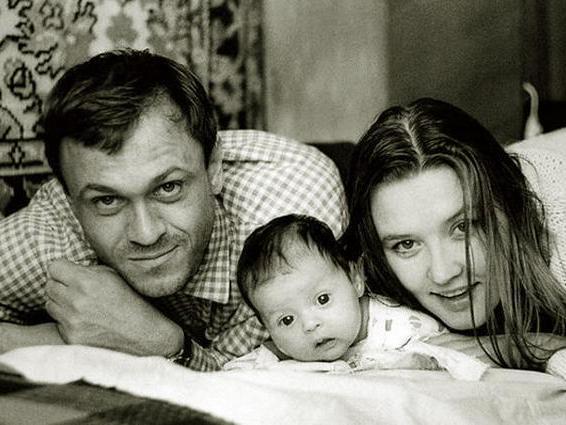
Married life was difficult for Alentova. At first they could only afford a room in a dormitory and barely made ends meet. With each year, mutual grievances accumulated more and more.
— The dormitory life lasted a very long time... Yes, it«s very tiring—homelessness, lack of money, student living. And grievances pile up anyway. Then, when the housing issue was resolved, I was given an apartment, and Volodya started acting and there might have been money, we decided to separate, — Vera admitted.
For four years, each lived their own life. Vera performed at the Pushkin Theatre and took her first steps in film; Vladimir acted and thought about creating something of his own. At the same time, as Alentova recounted, she had no complaints about her relationship with her husband, and they remained good friends.
A meeting in Oryol brought the spouses back together. Both had come there on business, and Vera did not want to meet unnecessarily, but fate decided everything for her.
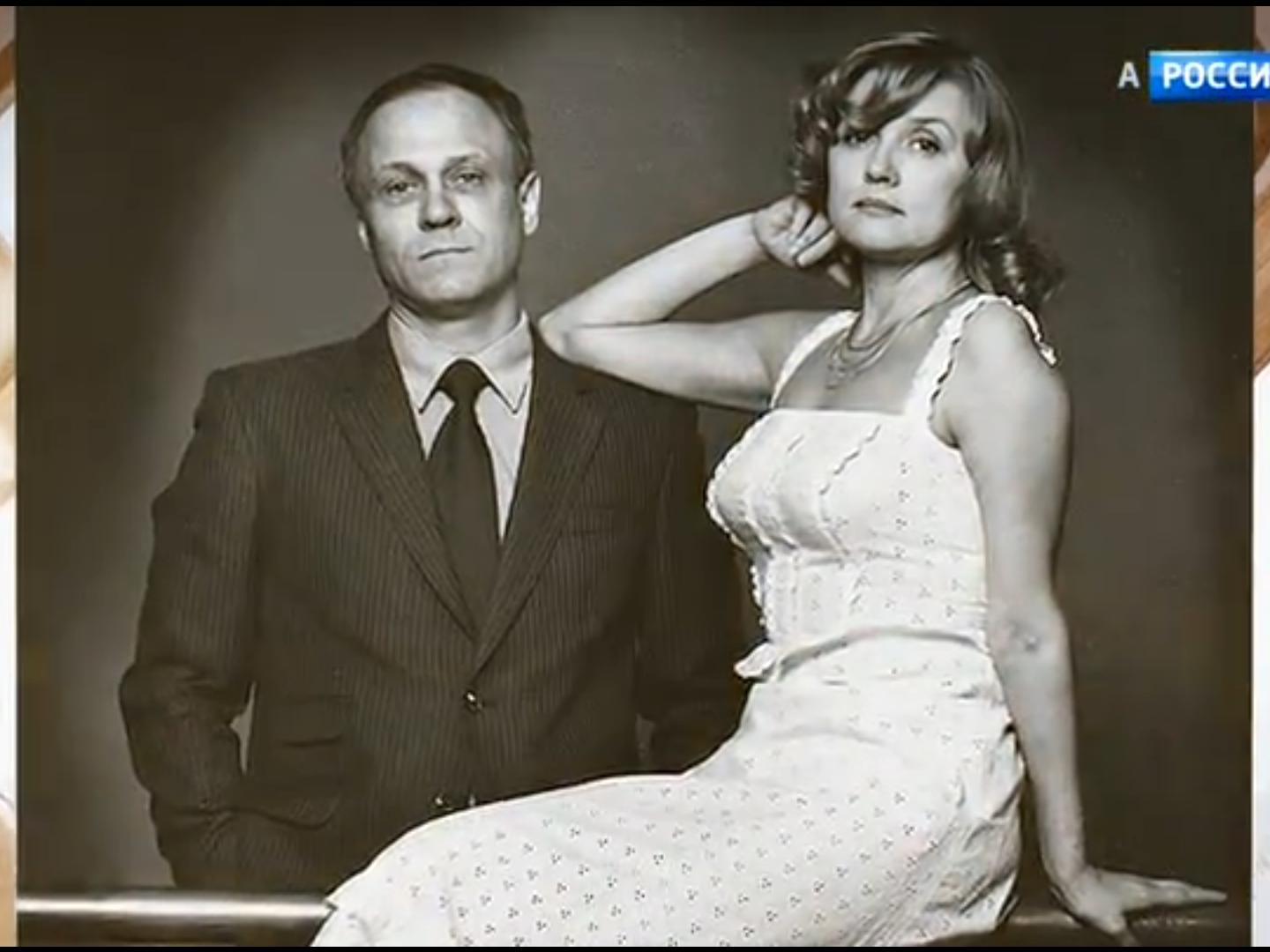
— When we stopped in Oryol, Yulia, looking out the window, said: «My daddy is here.» And for the first time I understood that there were three of us. And I got a lump in my throat. I thought: «Good Lord, I don»t know what a father is or why he is needed, but for her, a father is probably as important as a mother,« — the actress realized.
After this incident, Vera and Vladimir never parted again. It was Alentova who became Menshov«s main muse in his Oscar-winning film »Moscow Does Not Believe in Tears« (18+). The actress considered the day her husband went on stage for the statuette to be one of the happiest in her life.
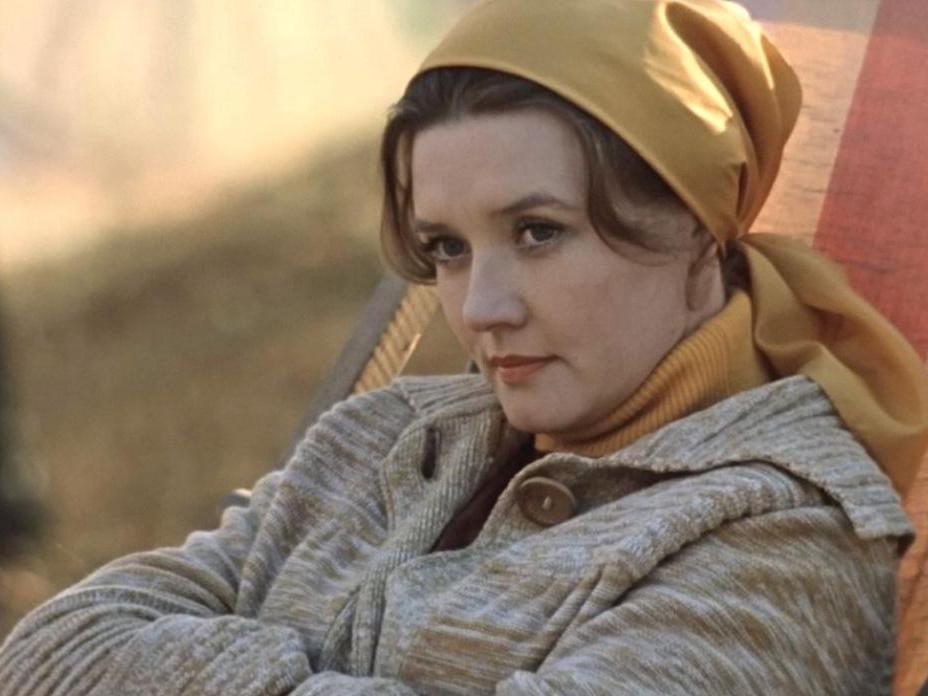
— The day I was admitted to the School-Studio at the Moscow Art Theatre was an absolutely happy day—the first conscious one. When Yulia was born—that«s the second day. The feeling of possessive strength, I gave the world a new life, perhaps a genius one, and the world awaits new discoveries. And the third day of absolute happiness—is the day the Oscar was awarded to the film »Moscow Does Not Believe in Tears«, — Vera listed.
‘Mother is no more’
After the premiere of «Moscow Does Not Believe in Tears,» Vladimir and Vera never lived as before again. Poverty, cramped quarters—all that was forever left in the past. The actress acted in film and theater and was happy when her daughter decided to follow in their footsteps and dedicate her life to art.

The first heavy blow in her life came in the 2010s. The woman never hid that to preserve her beauty and youth, she turned to plastic surgeons. Every procedure went well until one doctor suggested a new method.
— He injects your own fat into your face and thinks it«s good for an aging face... So as not to offend him, I said: »Well, maybe.« The doctor understood these words in his own way: he decided I had agreed to his persuasion and injected that damn fat into my face. When I came to after the anesthesia and saw this horror, I thought it would be better for me to die right here, — the actress lamented.
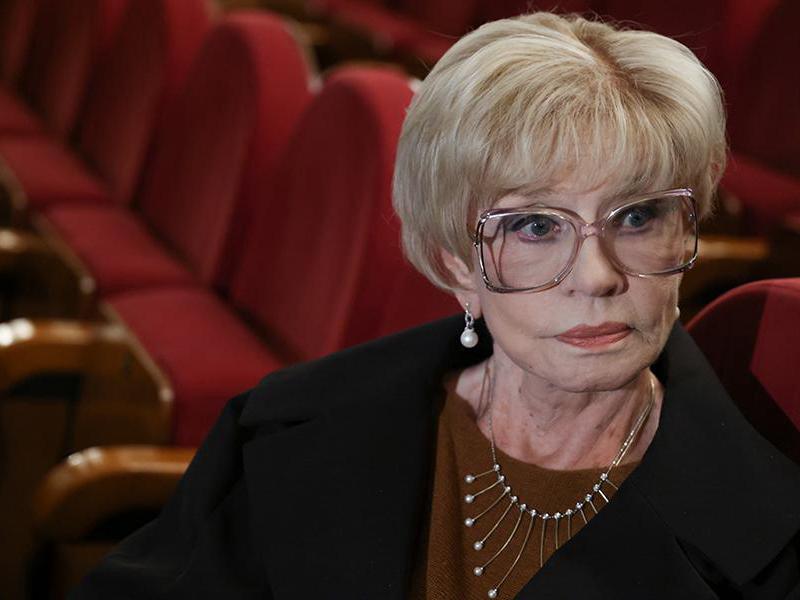
Vera Valentinovna tried to restore everything as it was. She consulted doctors, had massages, but nothing helped; the clots did not dissolve. The actress was never able to fully recover.
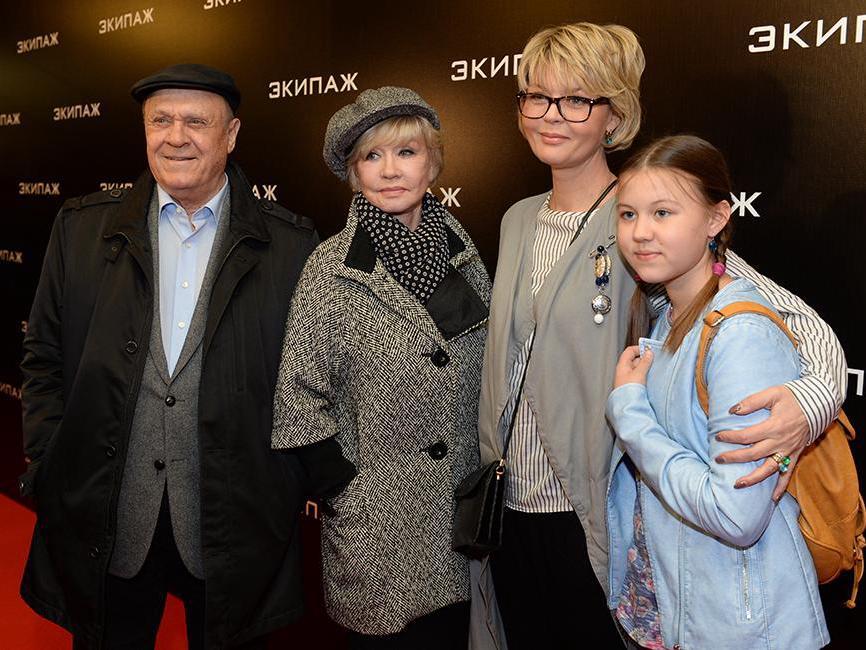
In 2021, it turned out there is an end not only to beauty but also to marital happiness. Alentova and Menshov both fell seriously ill with coronavirus. While the actress managed to pull through, the director developed complications and died.
Vera Valentinovna took the loss of her husband hard and until the end could not believe he was gone.
— He hasn«t left, we are still together, and we talk: I tell him everything... He hasn»t left our lives at all—neither mine nor Yulia«s, — the actress said with tears in her eyes.
Everything Alentova had worked so long for and so tenderly protected for many years slipped away from her. Each year she felt worse; she contracted coronavirus again, and her health rapidly deteriorated. After another shock—the death of actor Anatoly Lobotsky—her heart could not take it, and she died right at her friend«s funeral.
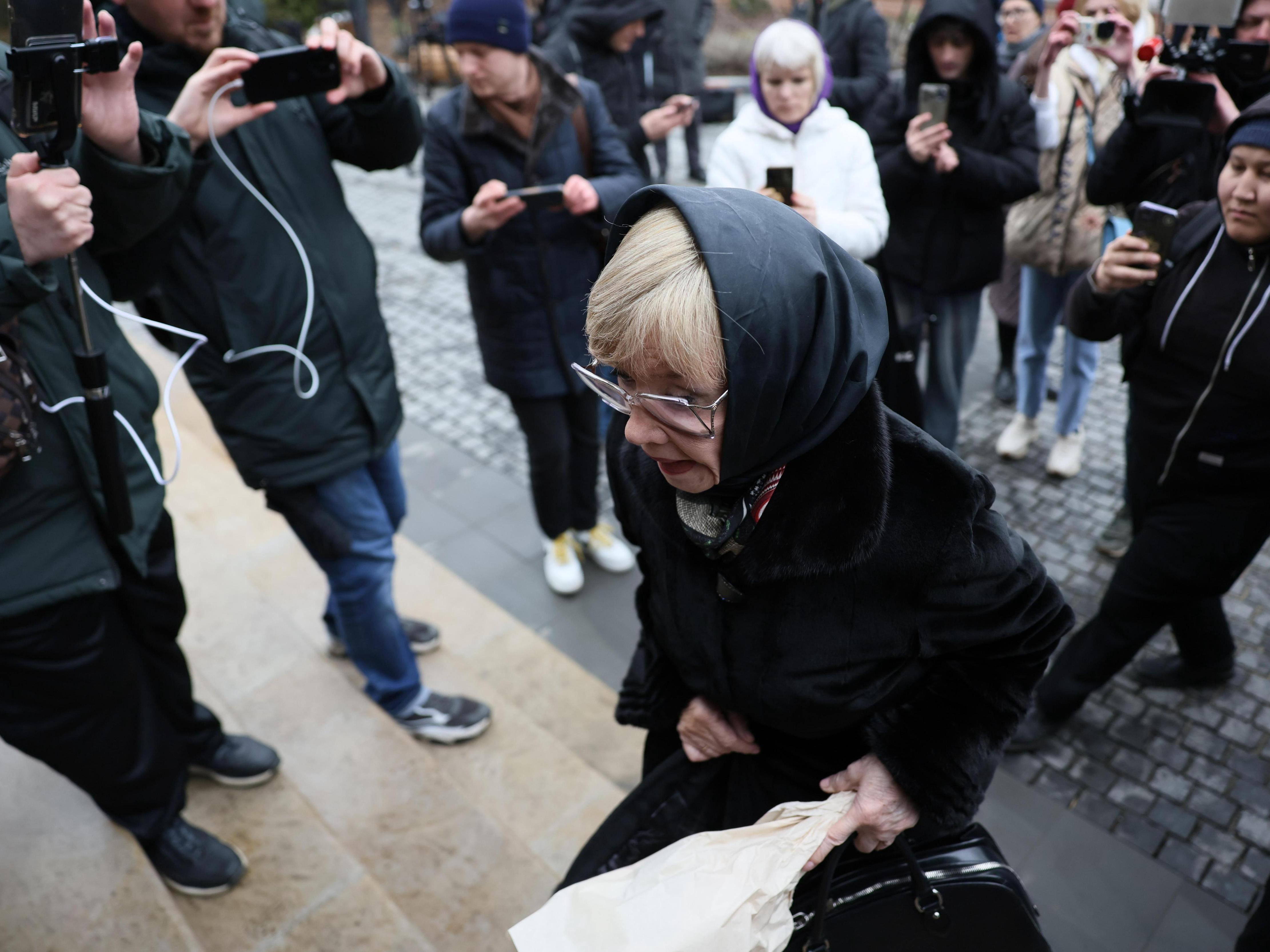
— Mother is no more. Now they are together, — Yulia Menshova wrote briefly on her social media.
‘I owe everything to my mother’
Late in life, Vera admitted that her mother was the main person in her fate. It is no coincidence that in her memoirs the actress wrote:
‘I owe everything I know how to do to my mother, and I know how to do a lot.
Back in childhood, my mother taught me to sew, embroider, knit, darn, neatly mend torn clothes, fix things, nail, whitewash, hang wallpaper, and cook simple food.
And when I grew up, my mother taught me even more important lessons:
Be ready for troubles and know how to endure them with dignity.
Don«t boast.
Deal with your own problems yourself, without making people dependent on your situation.
Don«t lie and never take what belongs to others.
Keep your word.
Be equally courteous to any person, be it a janitor or a king.
Don«t imitate anyone: value yourself. But don»t «I-I-I» (the best pronoun is «we»).
Don«t envy—be content with what you have.
Value people with their own opinions, even if they differ from the generally accepted.
Have your own opinion about everything and don«t succumb to pressure.
Be above gossip, don«t participate in it, and don»t pass it on: «Let evil end with you.»
Judge a person by their actions, not by what is said about them.
Don«t believe in a person»s bad deed if you weren«t a witness to it.
Never lose your dignity.
Be an intelligent person. And that means—not doing something forbidden not because someone will find out, but because you yourself cannot allow it. So that you are not ashamed before your own conscience.’