St. Theodosius Day: Taboos on Cutting Nails and Lending Money
On January 24, Orthodox Christians honor St. Theodosius the Great, while folk traditions warn against various activities like lending money and cutting hair due to associated omens.
Feb 6, 2026 0
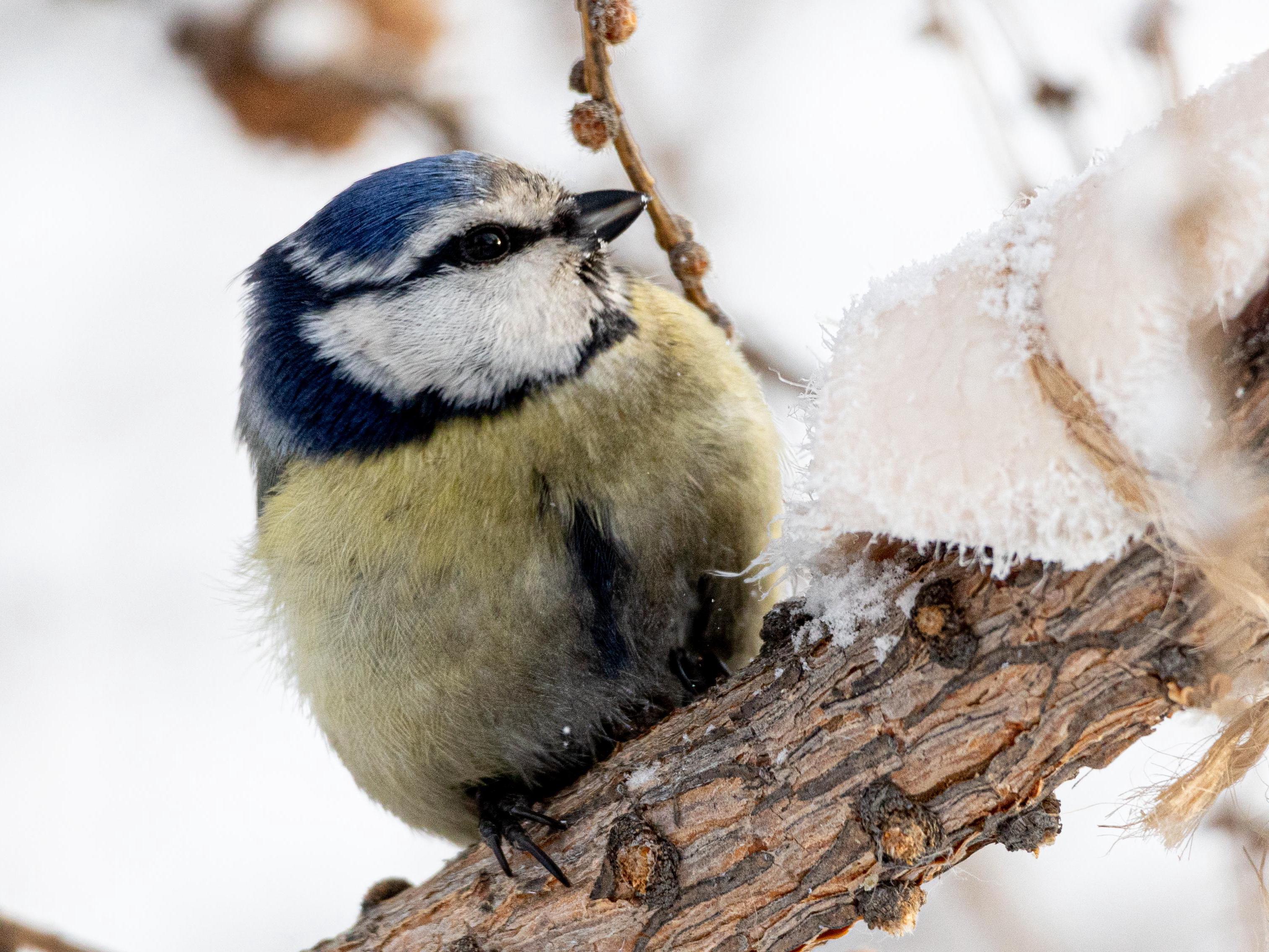

An illustration related to the Orthodox saint and the folk beliefs surrounding his feast day on January 24.
Source:
In the Orthodox tradition, January 24 is dedicated to St. Theodosius the Great — a monk from the 5th–6th centuries, considered the founder of cenobitic monasteries. In the church calendar, the name Theodosius is also associated with several early Christian saints, including St. Theodosius the Cenobiarch, Theodosius of Antioch, and the martyr Theodosius of Sirmium.
In the folk calendar, this date has a strong reputation for cold. In Rus, this day was associated with severe frosts, seen as harbingers of a prolonged winter. It was believed that unclean spirits, expelled from homes during the Christmas season, «bring on» the frosts. In folk proverbs, such colds were described as dangerous and unfavorable for farming.
Weather omens were also linked to this day. Frost was considered a sign of a long winter, while a thaw was a harbinger of early spring. These observations became entrenched in sayings, used as a guide for planning agricultural work. However, excessive warmth was viewed with caution: according to beliefs, a warm January day could mean unstable weather later.
A number of household restrictions were also associated with this date. According to folk beliefs, on this day it was not recommended to embark on long journeys, lend money, or cut or dye hair. Special attention was paid to health — it was thought that a cold caught on this day could linger for a long time.
Read more