Nurture Your Own Identity: Roman Matytsin on Kuban's Lost Music
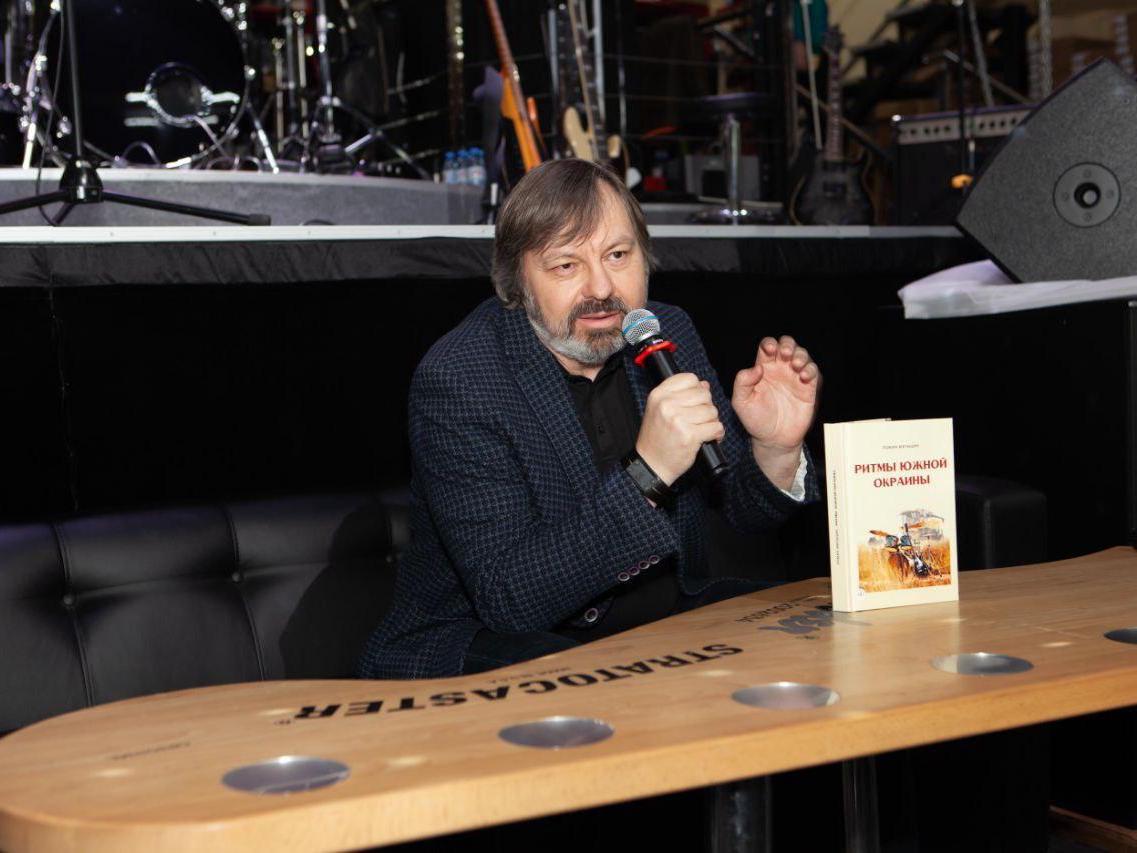

Roman Matytsin authored a book documenting the musical history of Kuban in the 1970s and 80s.
A unique publication has recently come out. Krasnodar resident Roman Matytsin wrote the book «Rhythms of the Southern Outskirts» about the region«s musical culture in the 70s and 80s of the last century. Journalist Nina Shilonosova read it and spoke with the author specifically for 93.RU.
— Roman, what prompted you to write a book about the musical world of the city and region in Soviet times...
— I guess I grew up. Had a mid-life crisis, an existential one. You start thinking not just about making a living. And during COVID, I almost died in the hospital.
Even earlier, music critic Alexander Kushnir asked me why our musical life here is completely undocumented, unlike in other regions? But I«m a »classifier« by nature, I collected a lot of material, and decided it was time. And good people who care about it helped publish it.
You could say Sashka Eberhardt influenced this too (musician and underground activist Alexander Eberhardt died in Abkhazia in 2007 while scuba diving. For several years, a festival in his memory was held in Krasnodar. — Ed.).
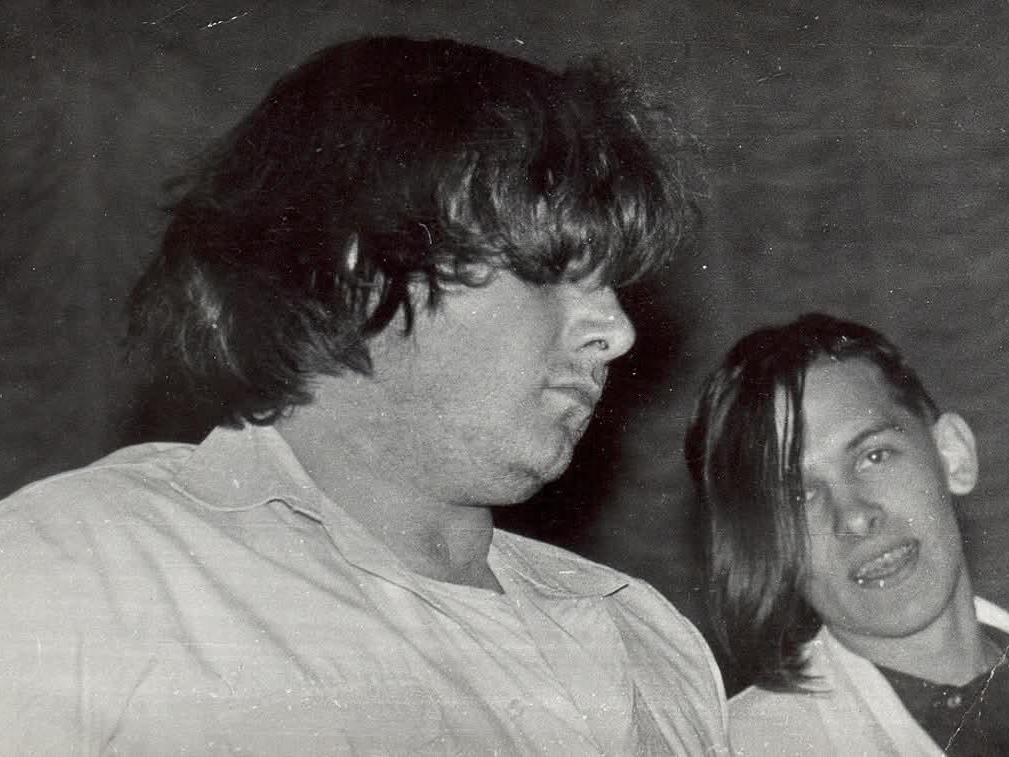
Alexander Eberhardt and K. Matsuko in the 1980s were prominent figures in the underground music scene.
— I understand you were «inside.» But how did that happen? Tell us about yourself.
— My biography is both standard and has its own twists. I was born in Krasnodar. Mom is a doctor, dad is a teacher, classic Soviet intelligentsia. Dad was both a deputy principal and a school principal. Thanks to my parents, I lived in Africa for a while at an early age. Dad was sent to various countries through the Union of Soviet Societies for Friendship and Cultural Relations with Foreign Countries. We spent a whole year in Ethiopia, hence my interest and knowledge of ethnic music. I had to live and study at the USSR Ministry of Foreign Affairs boarding school in Moscow. Overall, I changed five schools. Yes, and I studied at a music school, naturally.
But after finishing, I didn«t get into university and went into the army...
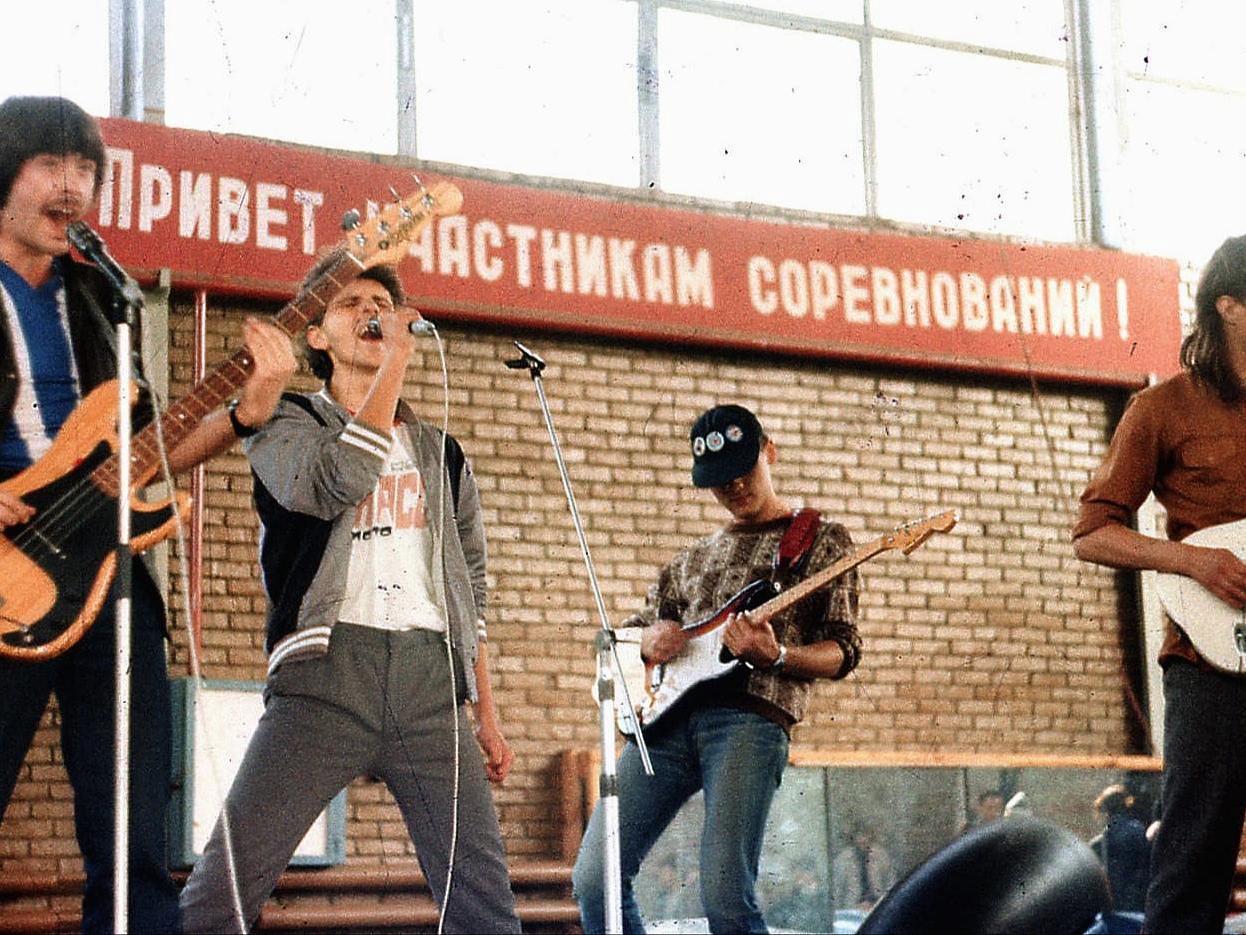
Archival materials include personal photographs from the author«s collection related to the era.
— Were there no other options?
— Dodge the draft? My parents were very proper, what are you talking about! I served in Rostov and Volgograd. Part of the time at headquarters, where I reread the entire regimental library. We also had a supply clerk — Warrant Officer Kandyba, a very strange character who adored jazz.
And then I entered Kuban State University (KubGU) at the Faculty of Romance and Germanic Philology. The city had its first FM radio station, Fermata, where I had my own show — «Head Tilted» (based on a song by the band «Kalinov Most»). I played completely different music — psychedelic, progressive rock. It was 100% free air, playing from records, everyone did their own thing, there was no format. Many interesting people worked there, like Masha Makarova, Rustam Solntsev (Kolganov) — now a foreign agent.
Later, I ended up at Mr. Lameikin«s radio »Volnaya Kuban« (Free Kuban), good years, by the way, I remember warmly. Then I became a manager for Alexander Melkonov at the company »Cinema,« secured frequencies for »Hit-FM,« initiated the appearance of »Shanson« radio here. I remember running around the ministry in Moscow with string bags, caviar in one hand, fish in the other. They equipped me, I handed out Kuban gifts!
Many years there, then I went freelance, opened my own production company, we make films.
— You also wrote articles, interviewed rock stars who came to Krasnodar back then...
— I always wrote. Alongside work. Since the early 90s. For newspapers, then for websites. On Moscow«s Jamsession.Ru, the portal of Artyomiy Troitsky (now a foreign agent), I was the only non-capital author, reviewing heavy rock. I read all the music magazines. There was even samizdat (self-published works), later columns on »Yugopolis« under Yura Grechko. Social networks, where I started communicating with serious journalistic brethren writing about music.
There«s a professional side, and there»s... I have a music lover past — I went to «Polyana» (a cult open-air market, mainly near the «Kuban» stadium. — Ed.), to «Blokha» (the flea market), played a bit myself. And all my relatives are somehow connected to culture. And one of the characters in the book is my uncle Vladimir Degtyarev.
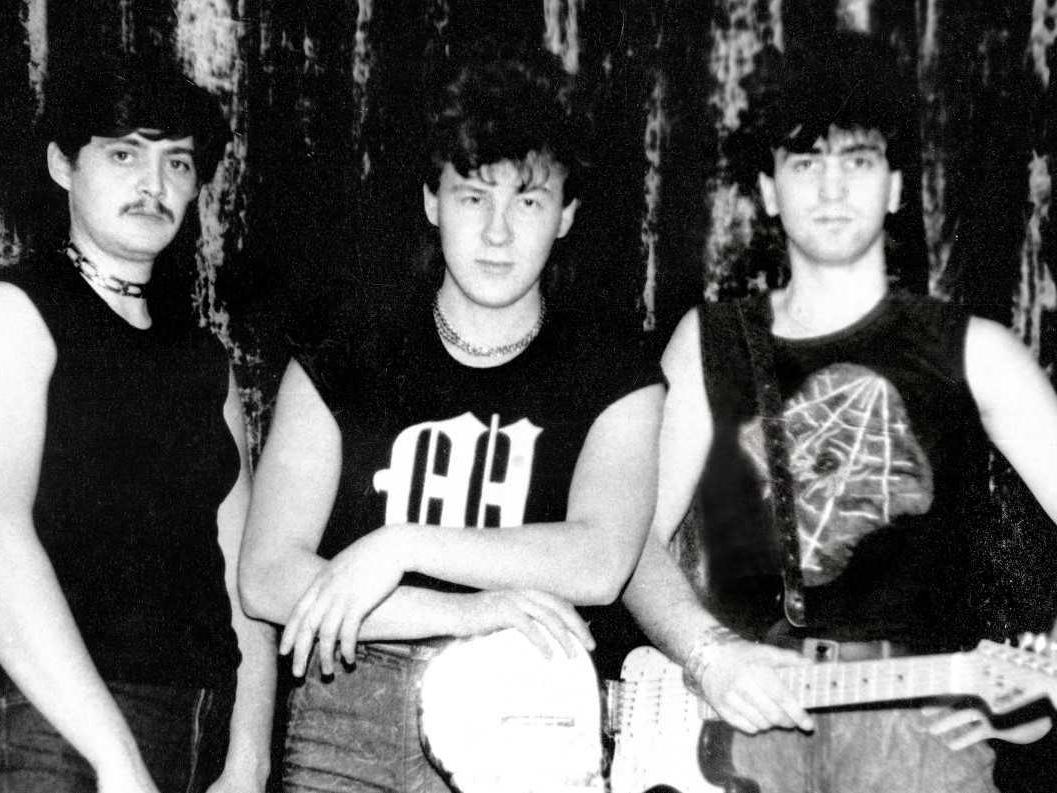
The group «Magistr» in 1987 featured S. Miroshnikov, S. Dokuchaev, and O. Tyutyunnikov.
— There«s a lot about him in there, he did so much in the 70s!
— Yes, the VIA «Plamennye Serdtsa» (Flaming Hearts), the legendary disco «Fonograf» (Phonograph), and much more. I saw all that with my own eyes.
And after the army, there was so much interesting in the city! Perestroika, you know. I saw a huge poster for a punk rock festival with very famous bands, it turned out Eberhardt came up with it, organized it, and drew the poster himself. I went, and that«s where we met Eber — that»s what everyone called him.
— In the book, many people remember Alexander Eberhardt...
— Sashka is a real hero. A unique personality and a contradictory character. Possessor of rare charisma that could break through various bosses. They might yell at us, swear, but he would come and calmly resolve complex issues. He organized clubs, they«d get closed after a while, he»d go to another place and open another one. Festivals emerged from nothing. He trained and educated musicians through fines if they didn«t understand otherwise — that»s in the book. His group «Geroi Soyuza» (Heroes of the Union) is still remembered by many.
Imagine, he was a truly ideological person. He could earn a lot and then lose it all immediately. Sasha was far above the scene. I even asked, why do you waste your efforts for nothing, and he said in all seriousness: «I»m uplifting local culture.« And there were results, albeit ambiguous.
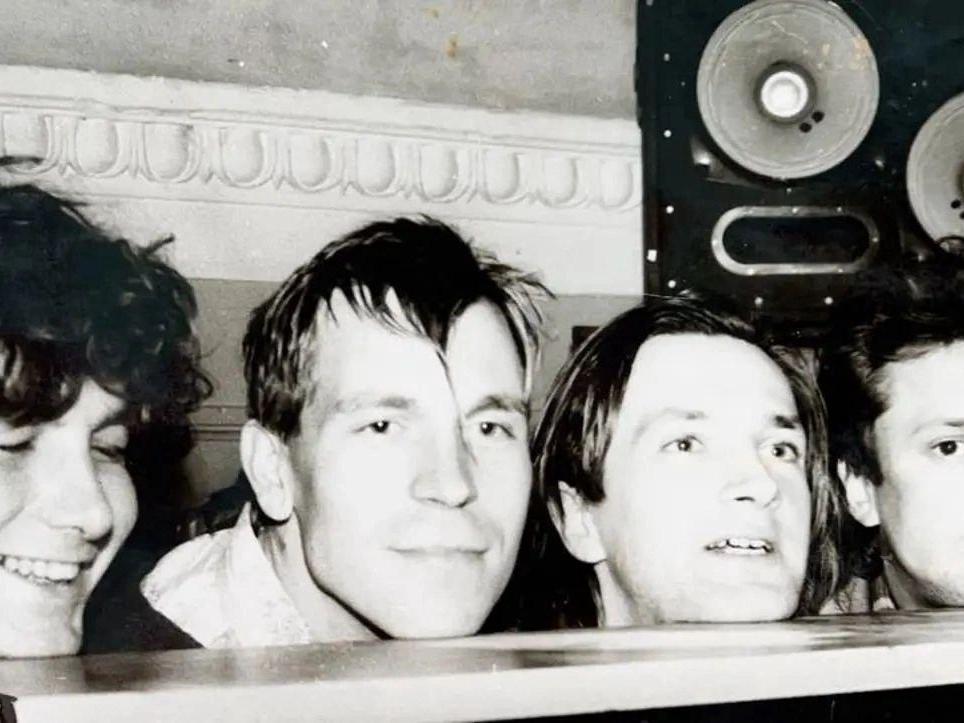
«Geroi Soyuza» (Heroes of the Union) included A. Eberhardt, A. Sivokon, A. Taranov, and A. Novozhenov.
— A true kulturtrager (cultural promoter), though they didn«t even know such a word back then...
— In Kuban, even in Soviet times, and now, I think, the attitude towards culture is... very utilitarian. Functional — either to accompany propaganda work, or to entertain. But culture is very diverse. And what I wrote and am writing about — there will be a continuation about the 90s and 2000s — is both urban culture and sprouts of self-identification.
This is all very valuable. Only over time do you begin to understand what it really was. But forgetfulness and devaluation are widespread. Both in the moment and later. For me, this is equivalent to a crime.
And for decades, we«ve only had the Kuban Cossack Choir on the banners. Worthy, undoubtedly, but it»s not the only one. And simultaneously, the «Cossack face» of the region, by which we can be identified, is now blurring. It«s not just about the large influx of migrants in recent years, probably the lack of cultural policy. One must nurture one»s own identity.
— Well, listen, I arrived in Krasnodar during perestroika, slogans from party boss Medunov«s rule were still hanging everywhere — »Kuban means excellent.« A two-meaning word — means both the best and the other. The city was very provincial back then. Maybe that»s why the new wasn«t appreciated on its merits?
— I think people themselves didn«t value themselves. For example, almost no recordings from that time remain. There were very good groups at various clubs and cultural centers of enterprises and universities (by the way, where are the decent cultural centers for people in Krasnodar now, besides the Railway Workers» Cultural Center?). They composed music, songs, made arrangements, held concerts. And they didn«t record it. Nothing survived, with rare exceptions. For some reason, in Omsk or Sverdlovsk (Yekaterinburg), there was a different attitude towards unofficial movements.
I«m now essentially engaged in local history. I meet with participants in the events, record memories, sit in libraries and archives, look for photographs and posters.
— It«s worth noting that the book is not only about VIAs and youth discos under Komsomol patronage, and then about rock and punk groups. Much attention is paid to philharmonic and restaurant ensembles...
— Musicians are freedom-loving people, they could flow from clubs and philharmonics to groups in the food service industry. And the level there was high. And here we had our own peculiarity — there was a structure «from above,» OMA — the Association of Musical Ensembles, which dictated a lot to performers. Strong performers worked in cabarets, for example Alexander Serov...
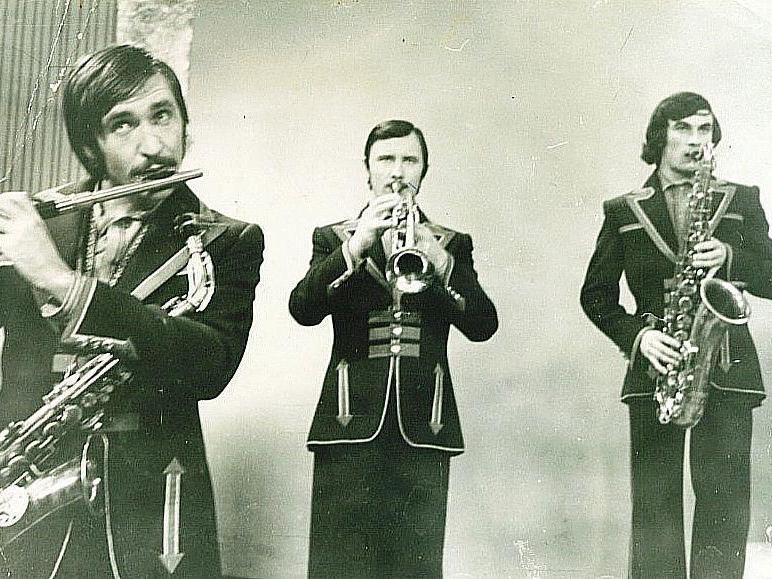
The VIA «Iva» (Willow) of the Krasnodar Philharmonic featured Alexander Serov on the right.
— I remember the film «Souvenir for the Prosecutor» with a scene in the Intourist restaurant, where he, already a star, sings...
— Before that, he spent over ten years in Krasnodar both as a soloist and playing. First in the philharmonic, then at the «Yuzhny» (Southern) motel, had his own «Serov»s Brigade.« By the way, the book describes how the enterprising Serov secretly bought driver microphones from Hungarian Ikarus buses at the public transport depot.
And at the «Intourist,» there was the show «Evening Fantasy,» which the legendary impresario Leonard Gatov set up as early as 1984. Saxophonist Eduard Grigoryan believes that his famous association «Premiera» essentially started from this variety show.
— His recollections are in the book, yes. As are hundreds of other participants« over many years. And they are unvarnished, very frank, but sometimes contradictory...
— Actually, only a quarter of the collected material made it into the book. For various reasons. And they are edited precisely because neither the volume of «stream of consciousness» nor the vocabulary allows everything to be transferred. But the outline of events is the same, while details may differ. Because it«s stored in memory differently, hence the multidimensionality of this »puzzle.«
— I«ll also note that many funny stories are told. For example, how in the VIA »Kubanochka« Pyotr Kaygorodov had an »Italian« soloist Angela Marconi, how rock-metal musicians adapted dog collars, how police detained people at concerts for standing ovations, how »Gulyay, Pole« (a folk group) misbehaved at Alla Pugacheva»s Christmas concerts, and so on.
— Well yes, because it«s all firsthand, uncontrived. It was such a strange but interesting life.
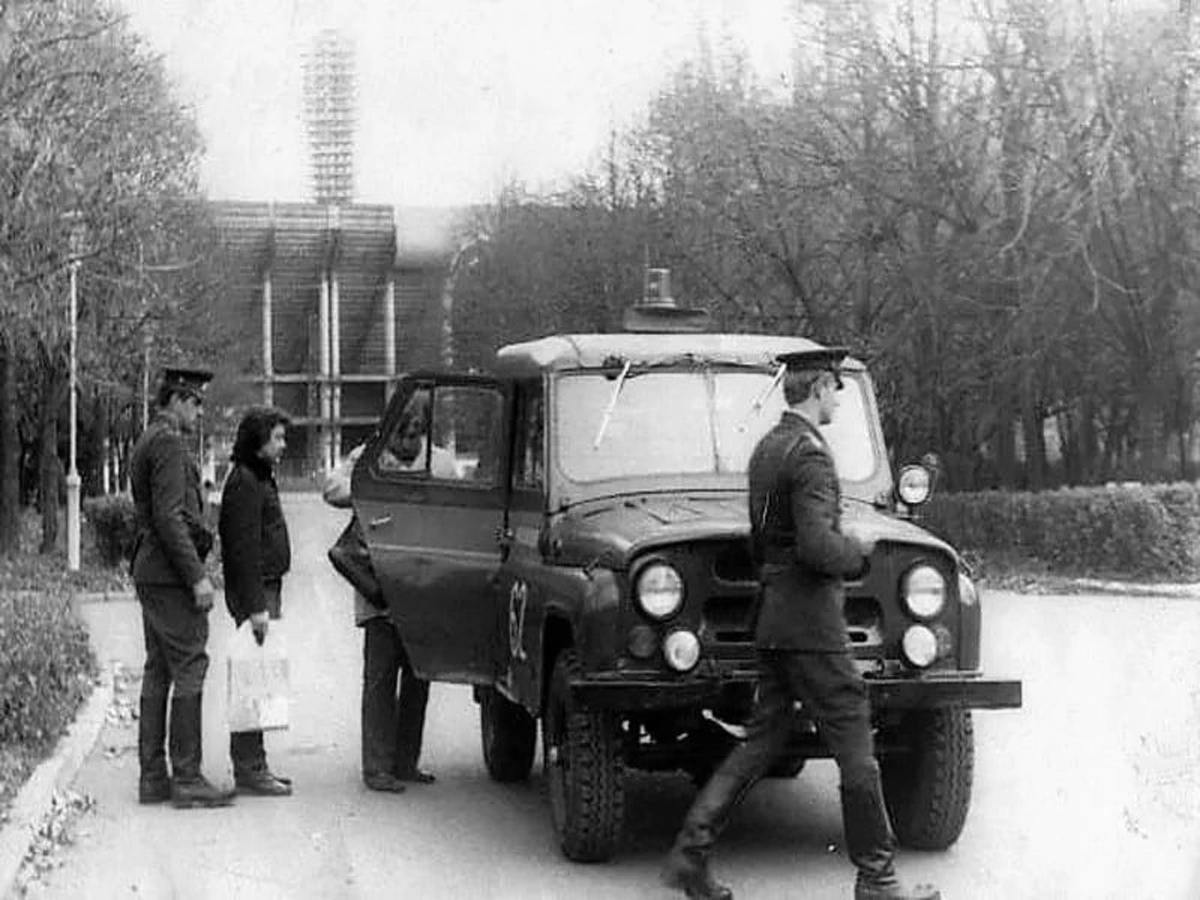
A police raid on the «Polyana» market in Krasnodar in the 1980s involved A. Eberhardt and Yu. Gorodetsky.
— The book has pages about stanitsas (Cossack villages), other cities of Kuban, and Adygea. About legendary recordings of Arkady Severny«s concerts in Tikhoretsk and Kushchevskaya (where the mother of one of the »Tsapki« gang sang in a VIA), about festivals in the country and region (I learned from which poultry farm Alexander Tkachev performed). So there are plenty of revelations that even locals don»t know. Who remembers that in Krasnodar there was a chemical plant with a famous cultural center — the club «KhimDym» (ChemSmoke)?
— I generally feel like some kind of local historian. This work turned out not to be musicological, but broader. Thanks to this project, I«ve been immersing myself in folk culture, and history in general.
A continuation of «Rhythms of the Southern Outskirts» is due out soon — about Kuban«s music in New Russia (the post-Soviet era).