Esphyr Slobodkina: From Chelyabinsk to New York Art Star
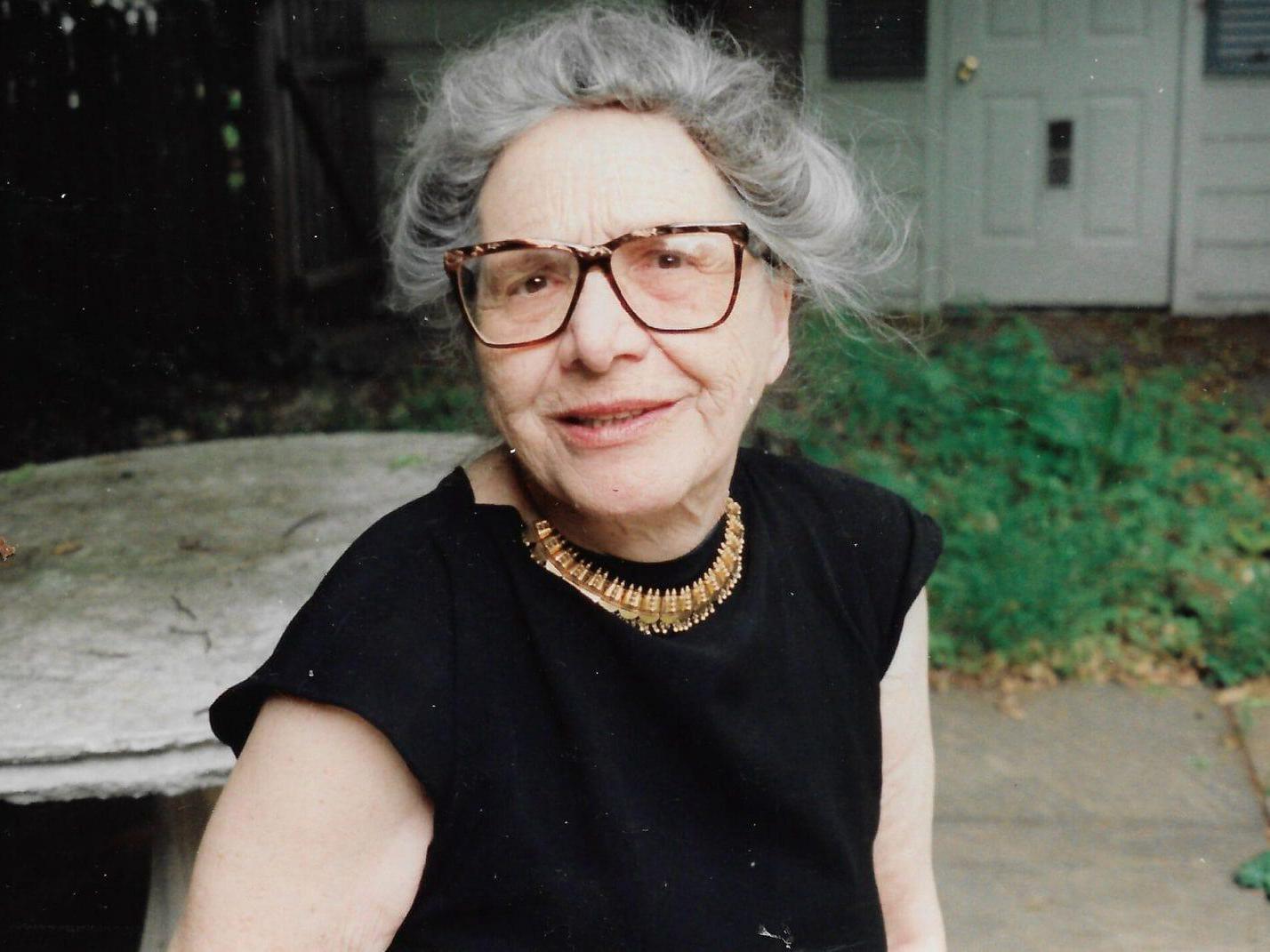

«She wore a black ankle-length jumper, black stockings, and »Mary Jane« shoes, with her long white hair neatly tied in a bun. She resembled a modest lady from the turn of the century, but her unruly manners were far from Victorian. With a determined and disappointed expression, she waved her cane like a police baton.»
This is how 83-year-old Esphyr Slobodkina was first seen by her biographer, personal assistant, and future president of the artist«s foundation, Anne-Marie Sayre. In the US, Esphyr Slobodkina is called a »pioneer of American abstractionism«; her works are held in major museums, university and private collections, but few know that she was born in Chelyabinsk.
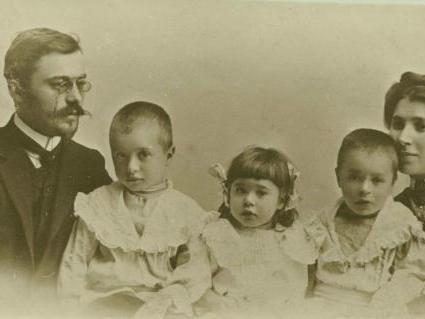
Born in 1908, Esphyr was the youngest of five children of the milliner Itta Agranovich-Slobodkina and Solomon Slobodkin, who held a high position at the Mazut plant. The family was not poor; a governess and a cook worked in the house, and guests often visited. In her memoir «Notes for a Biographer,» Slobodkina gives this description of Chelyabinsk receptions: «Good food, lots of music, unobtrusive flirting, and many serious conversations.»
After the revolution, the family moved to Vladivostok, then to Harbin. In emigration, the girl had to master sewing skills early to earn money alongside adults; she finished school in China, where great attention was paid to children«s art education.
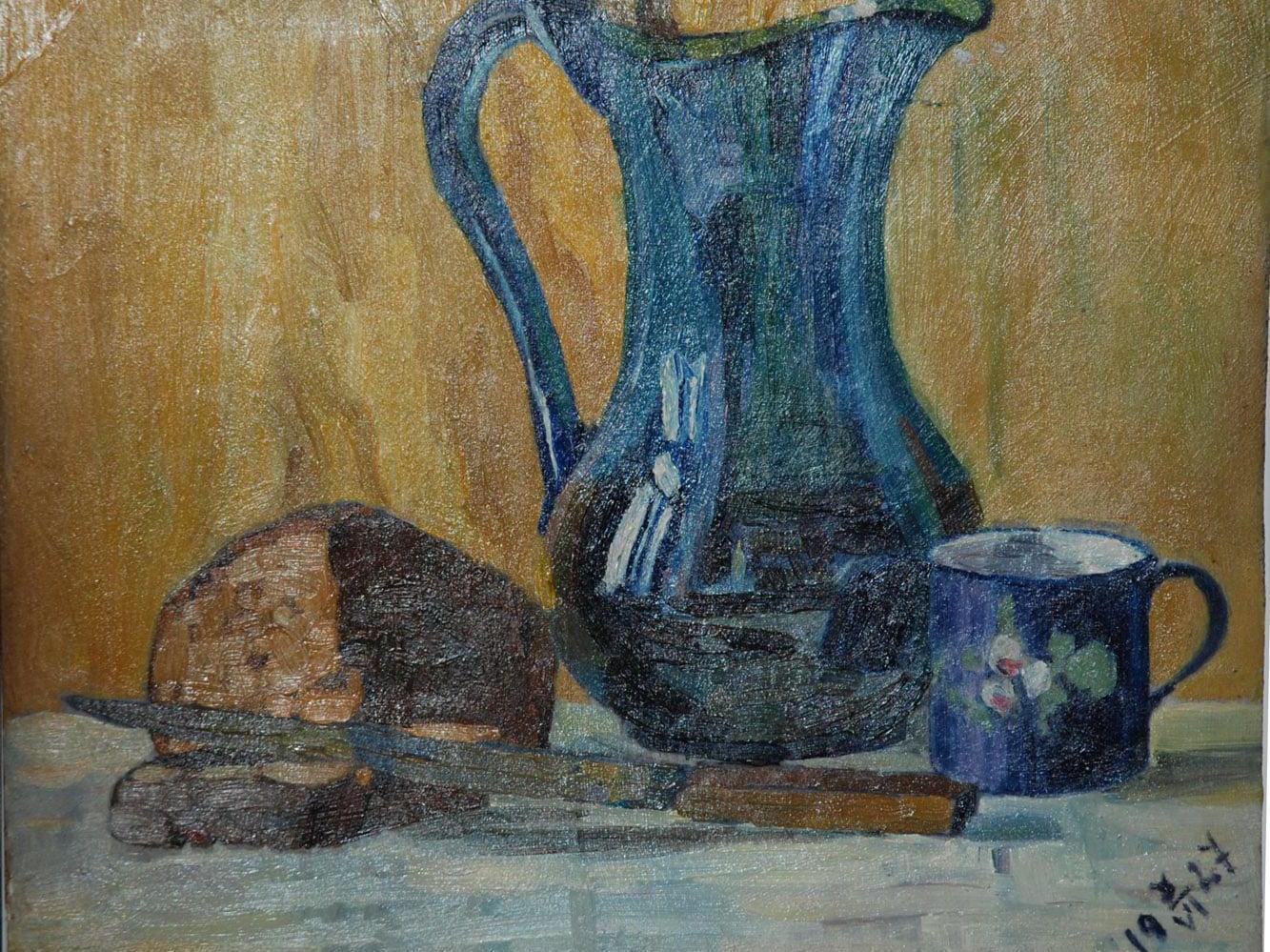
One of Esphyr«s older brothers left Harbin for the US and secured an invitation for his sister on a student visa: thus, the young Chelyabinsk native ended up in New York. The girl studied at a missionary school and studied art at the National Academy of Design.
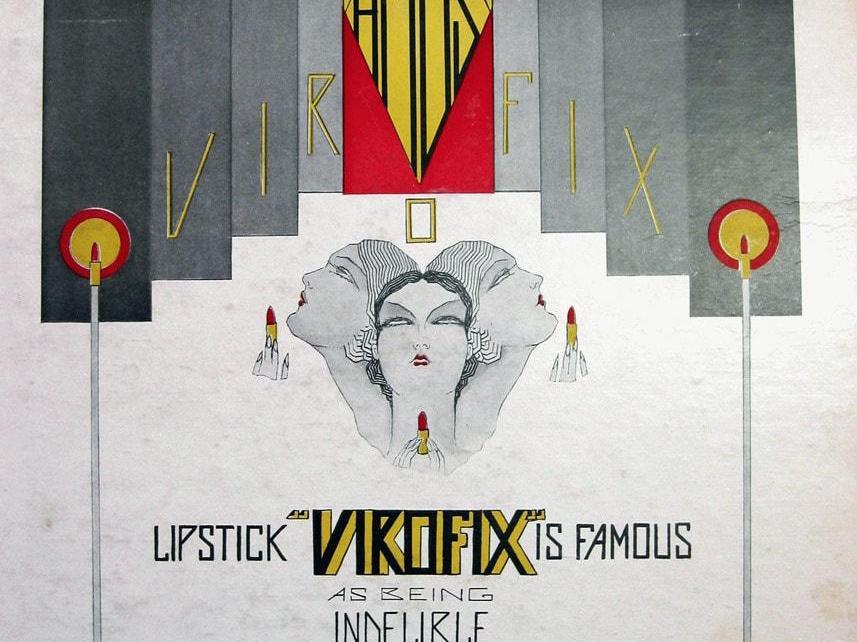
Alongside her studies, Esphyr worked hard—first as a milliner, and later as a decorator artist.
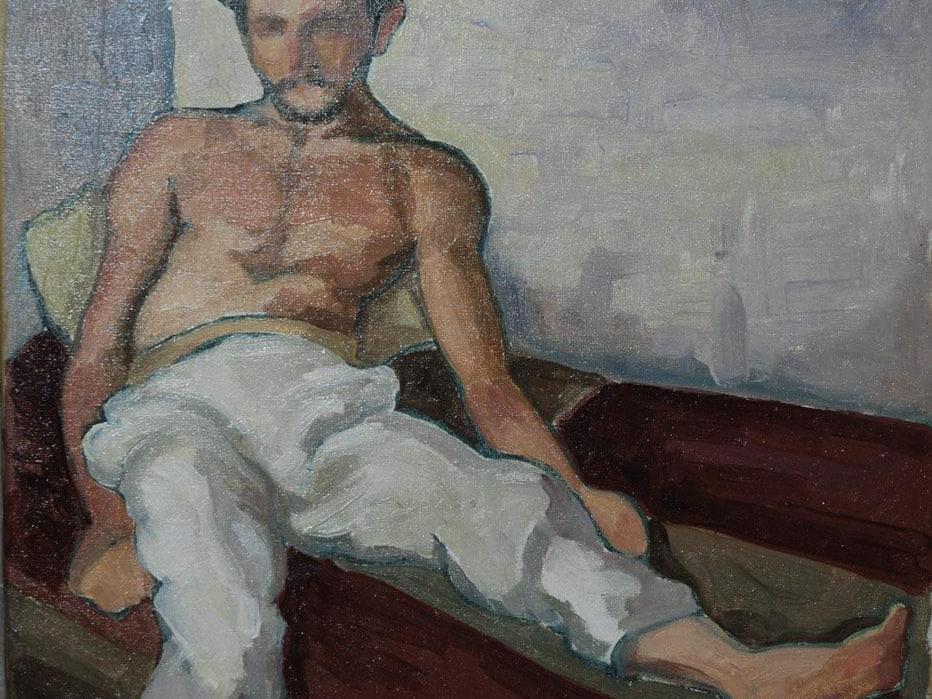
During her studies, the girl met Ilya Bolotowsky, also an emigrant, but already a US citizen. In 1933, they married.
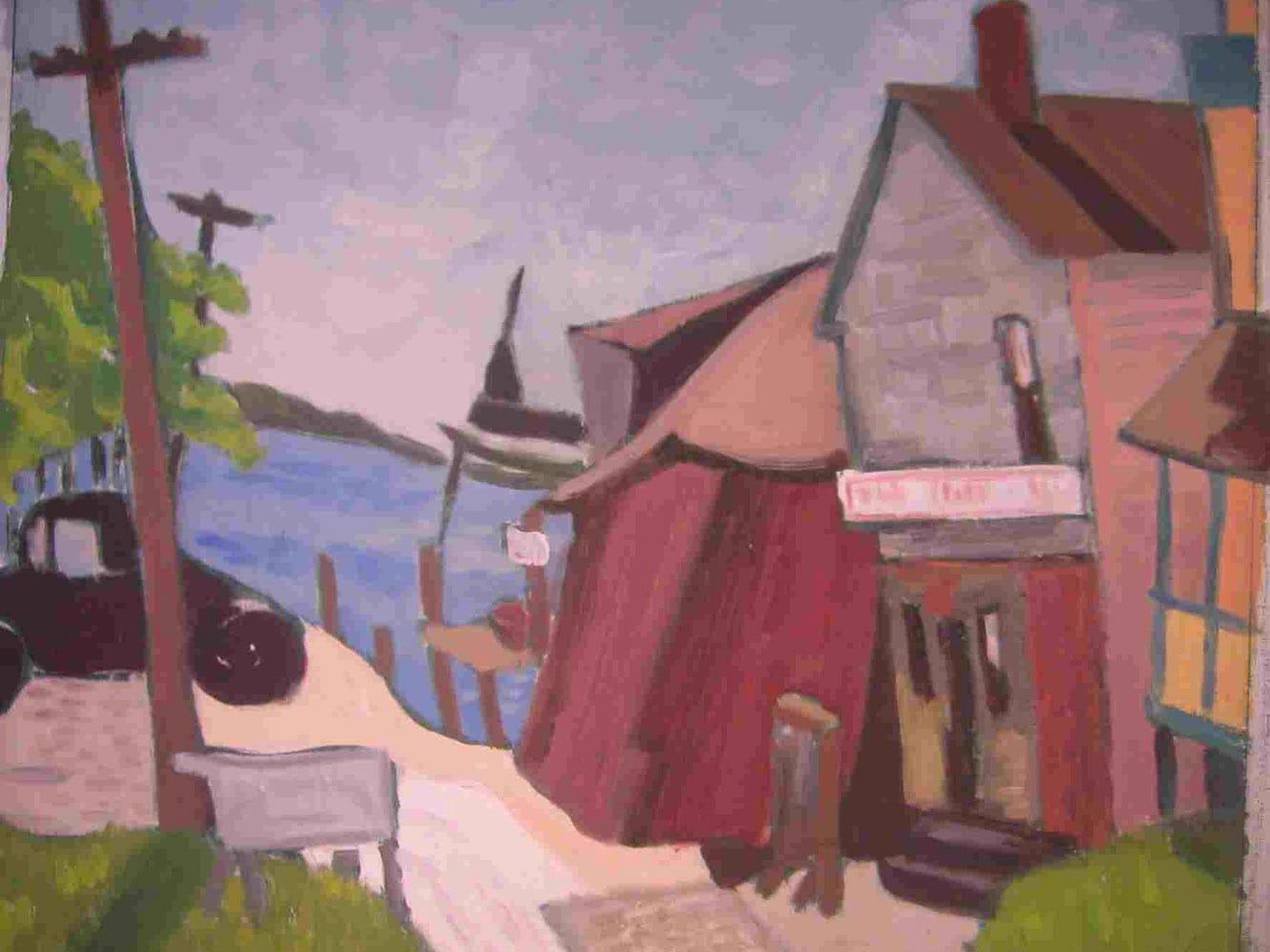
«I was not in love, but he proved to me that it was idiocy to continue attending the academy just to stay in the country, if by marrying him, I could get American citizenship and art education all at once,»—reports Esphyr«s words Anne-Marie Sayer.
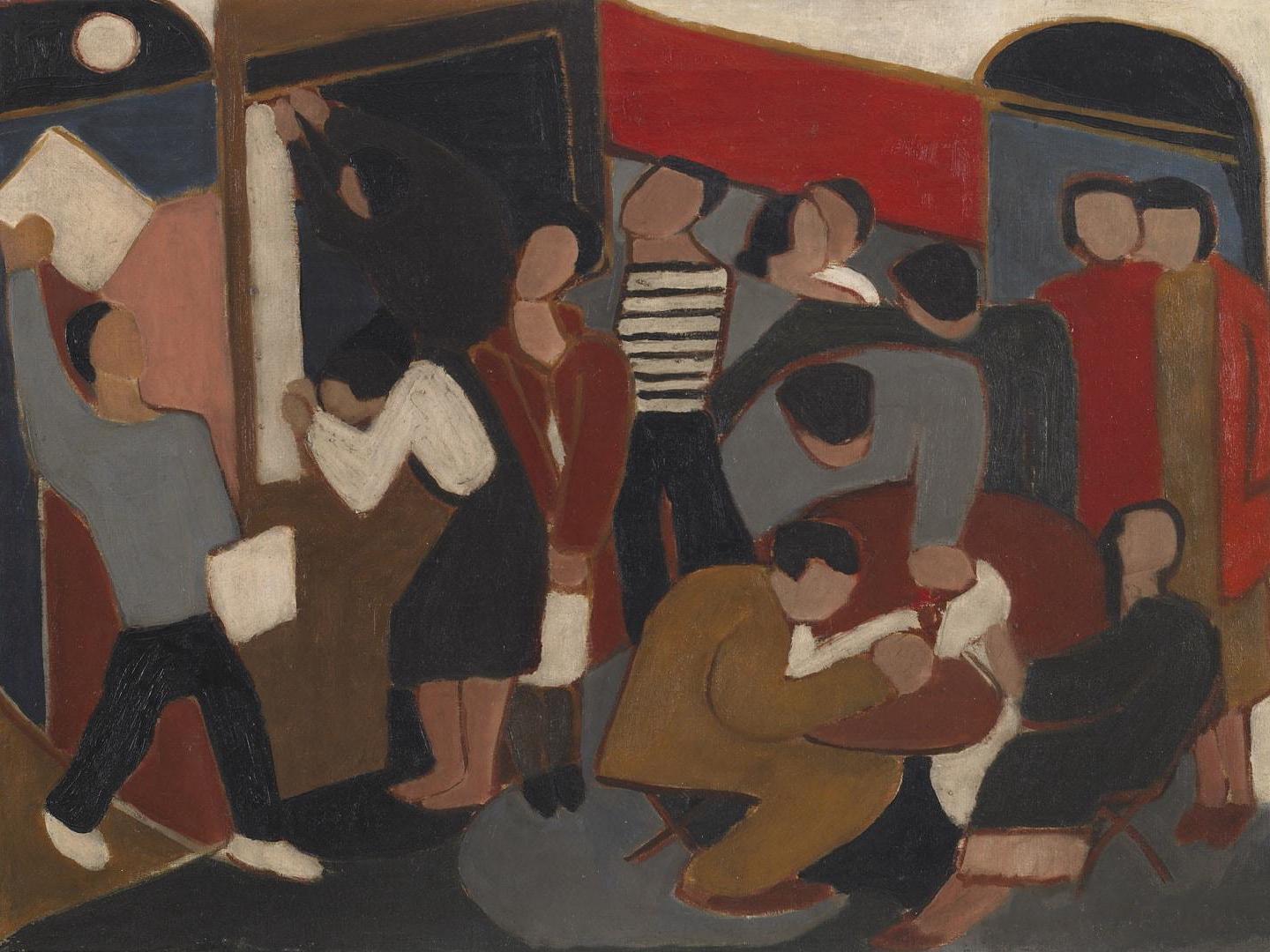
Ilya became his wife«s teacher, helping her enter the circle of artists interested in the most modern art movements, including abstractionism.
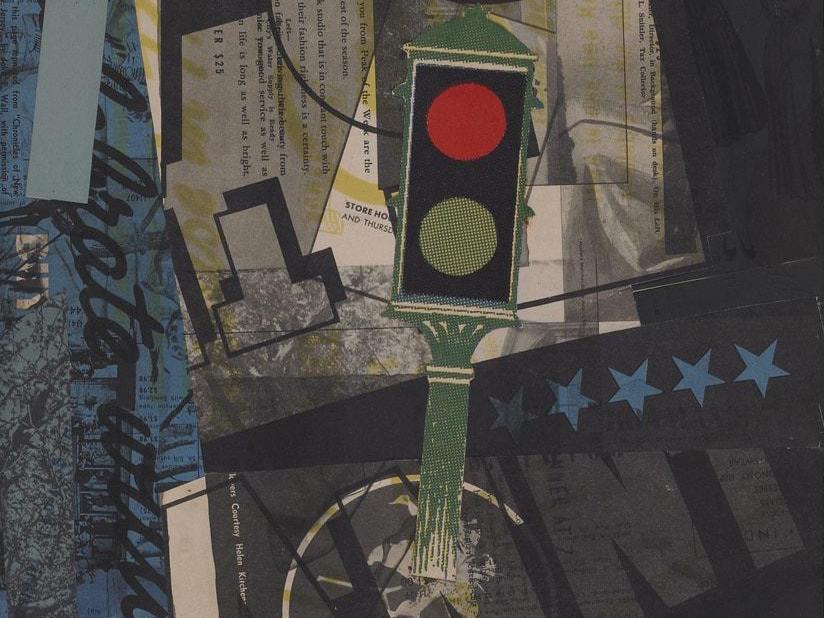
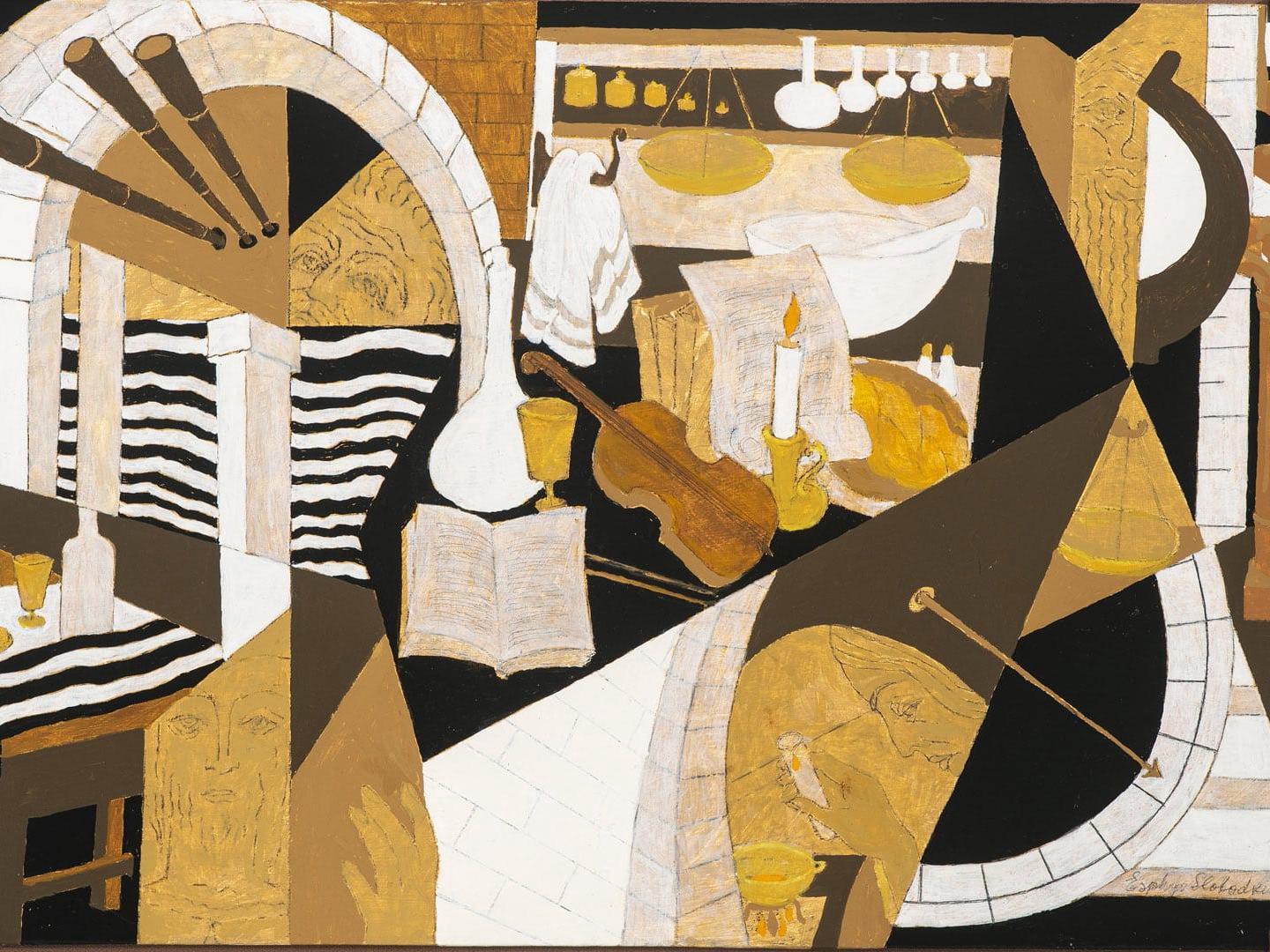
In 1936, Esphyr became one of the founders of the famous union AAA (American Abstract Artists). They organized the first exhibitions of non-objective art in the US, and also supported the struggle for women«s rights, black rights, and protests against social injustice.
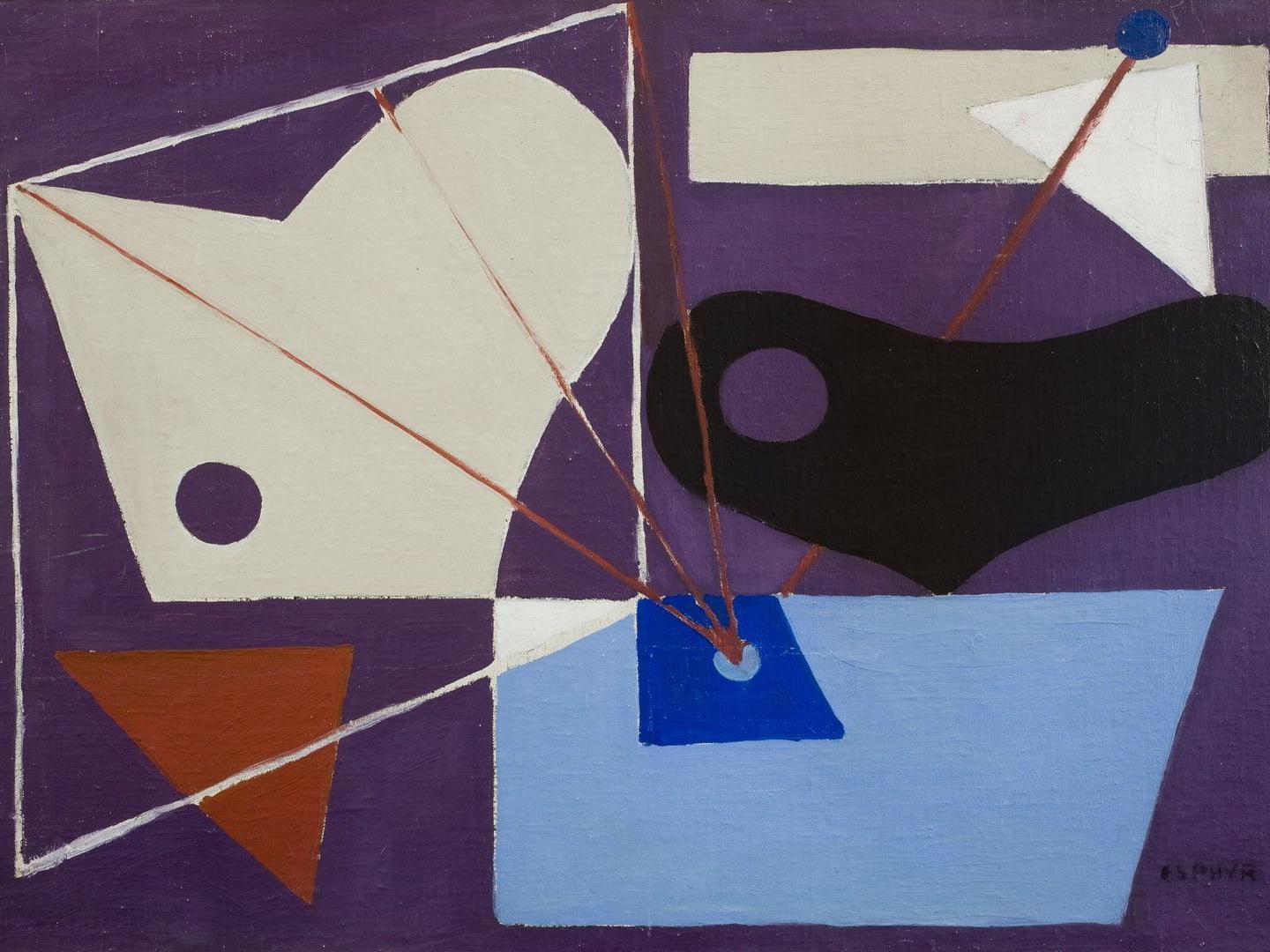
Later, members of AAA included Fernand Léger and Piet Mondrian, who fled from World War II. According to many art critics, it was through the efforts of the union that New York became the new center of world artistic life, the New York School of Abstract Painting was founded, from which emerged Mark Rothko, Jackson Pollock, and other famous artists.
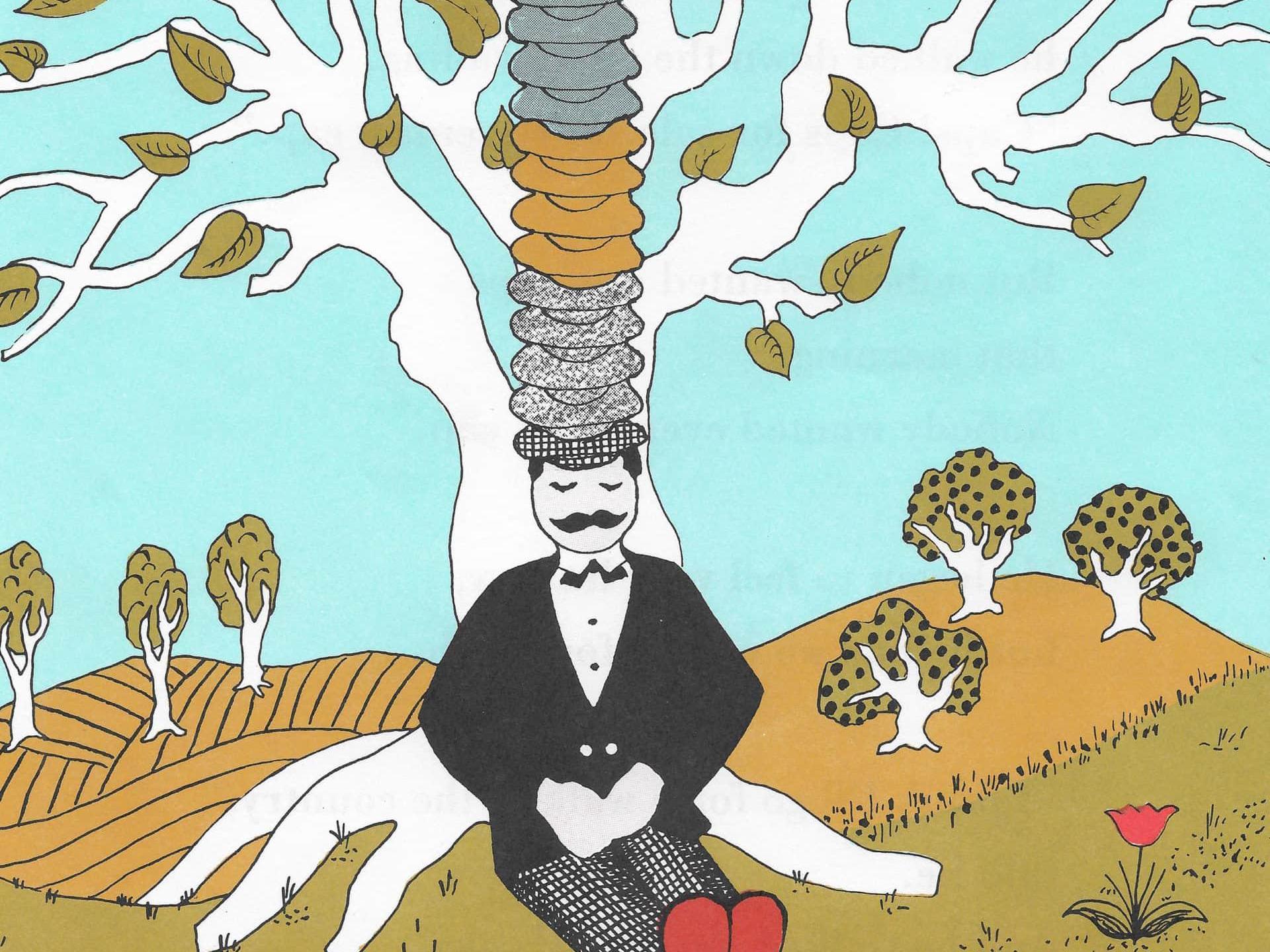
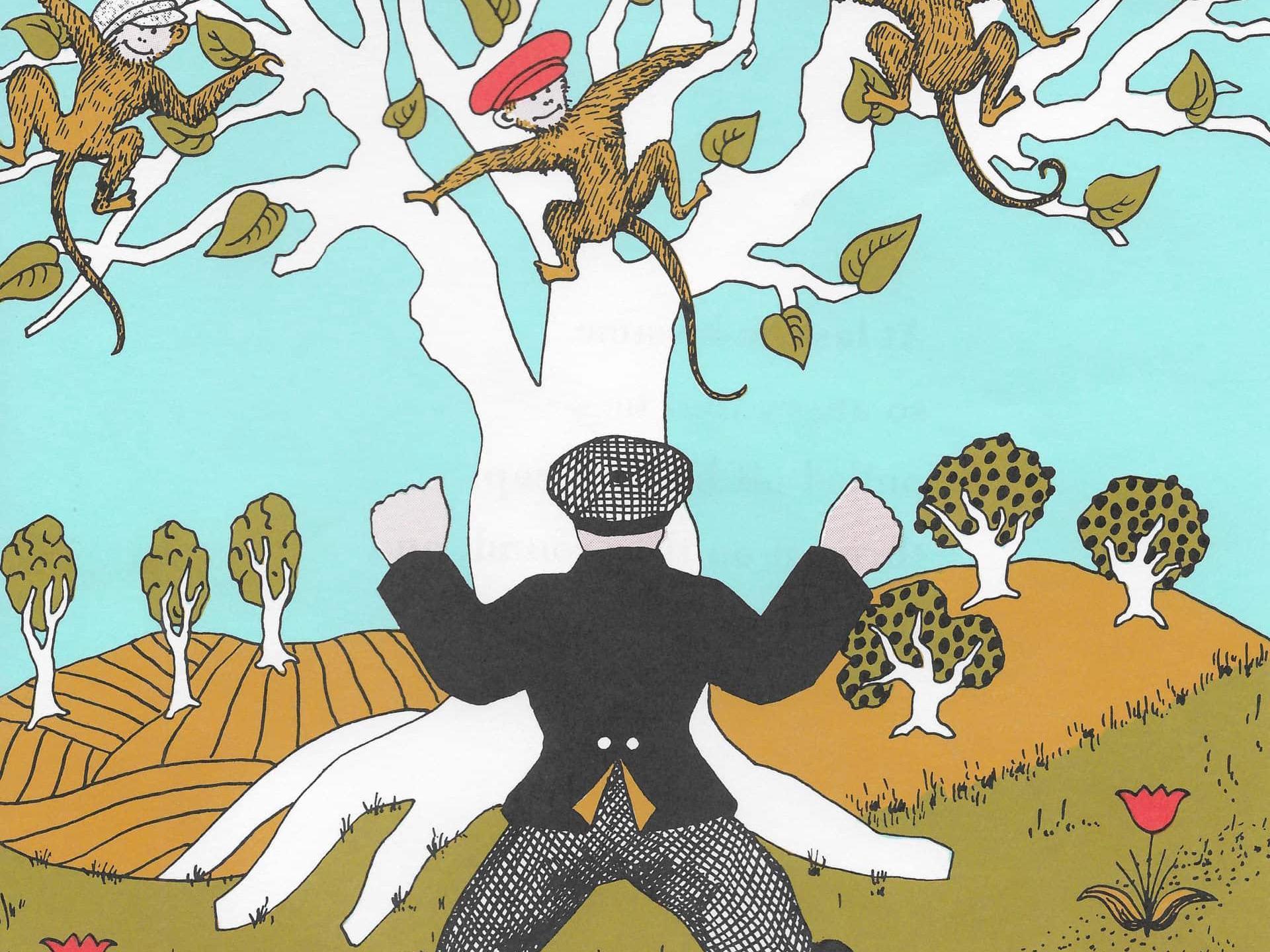
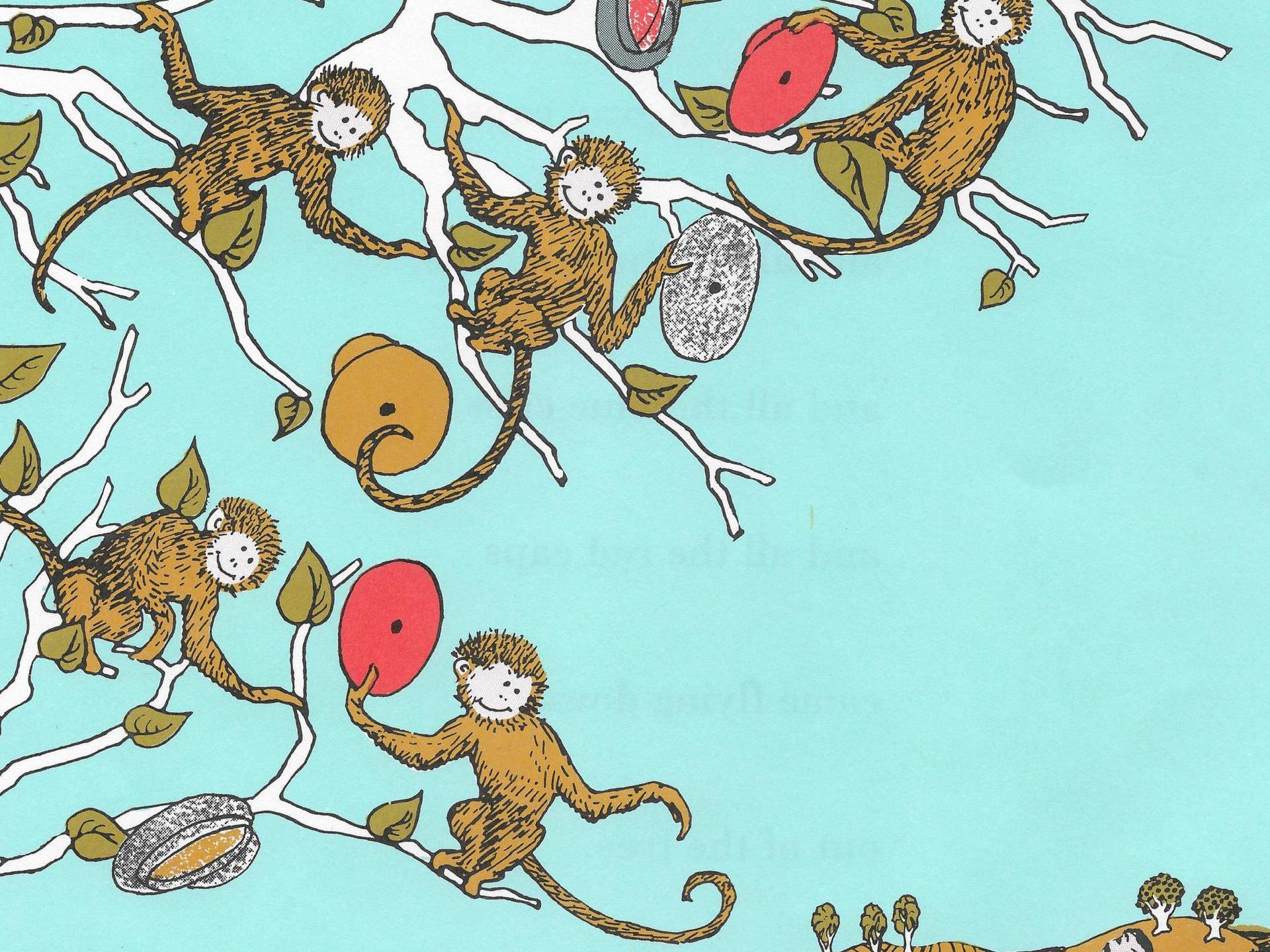
In the late 1930s, Esphyr befriended children«s book author Margaret Wise Brown. She not only designed several of Brown»s works but also began creating her own books with bright collage illustrations. The most famous became the book «Caps for Sale» (1940). The total print run of its numerous reprints is about 7.5 million copies.
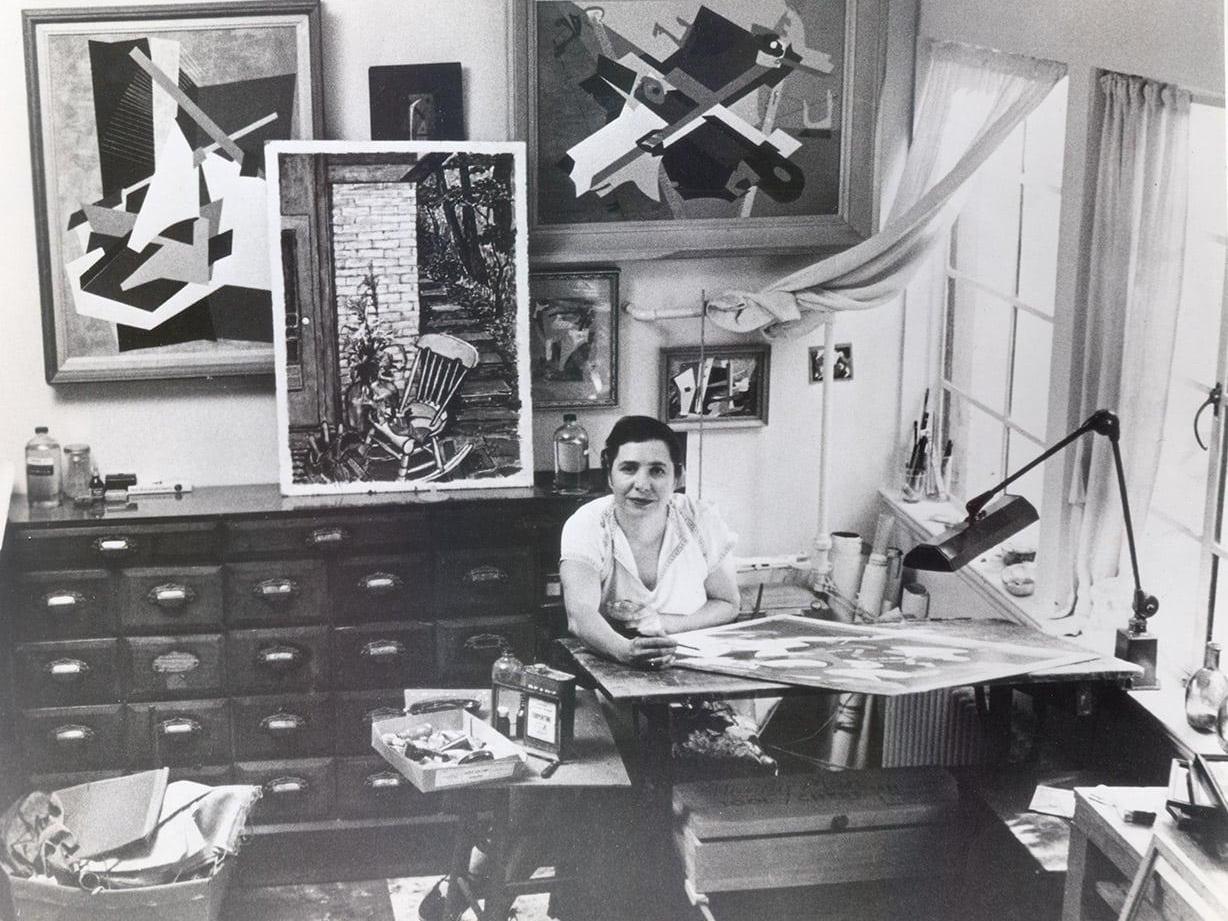
In the 1940s, abstractionism became popular in the US, Esphyr«s works began to sell, she participated in prestigious exhibitions alongside European artists, and also got a job as a designer at a large textile production, where she received a fairly high salary for a woman. In 1948, the artist moved to her own house near New York, furnishing it according to her own design.
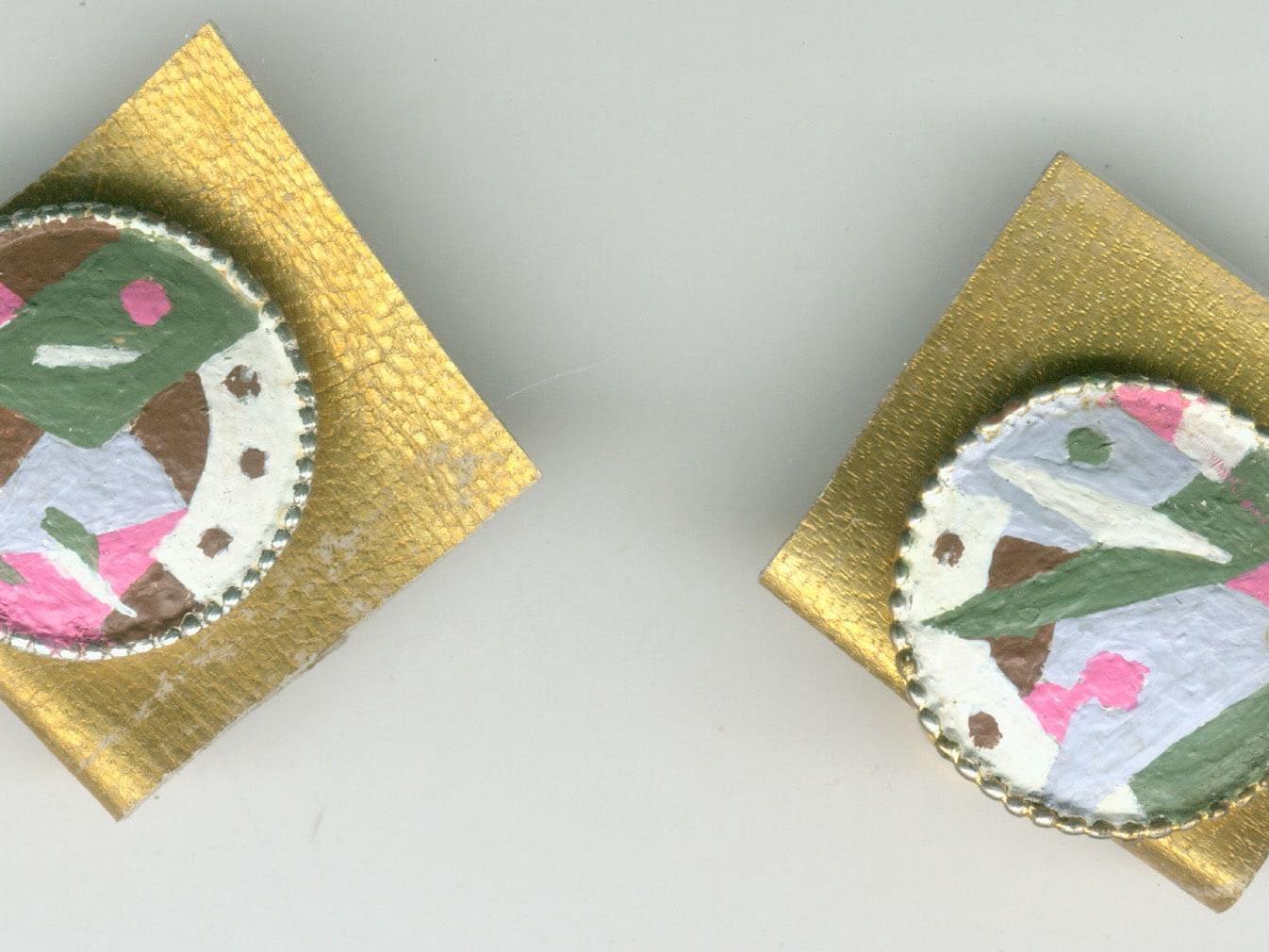
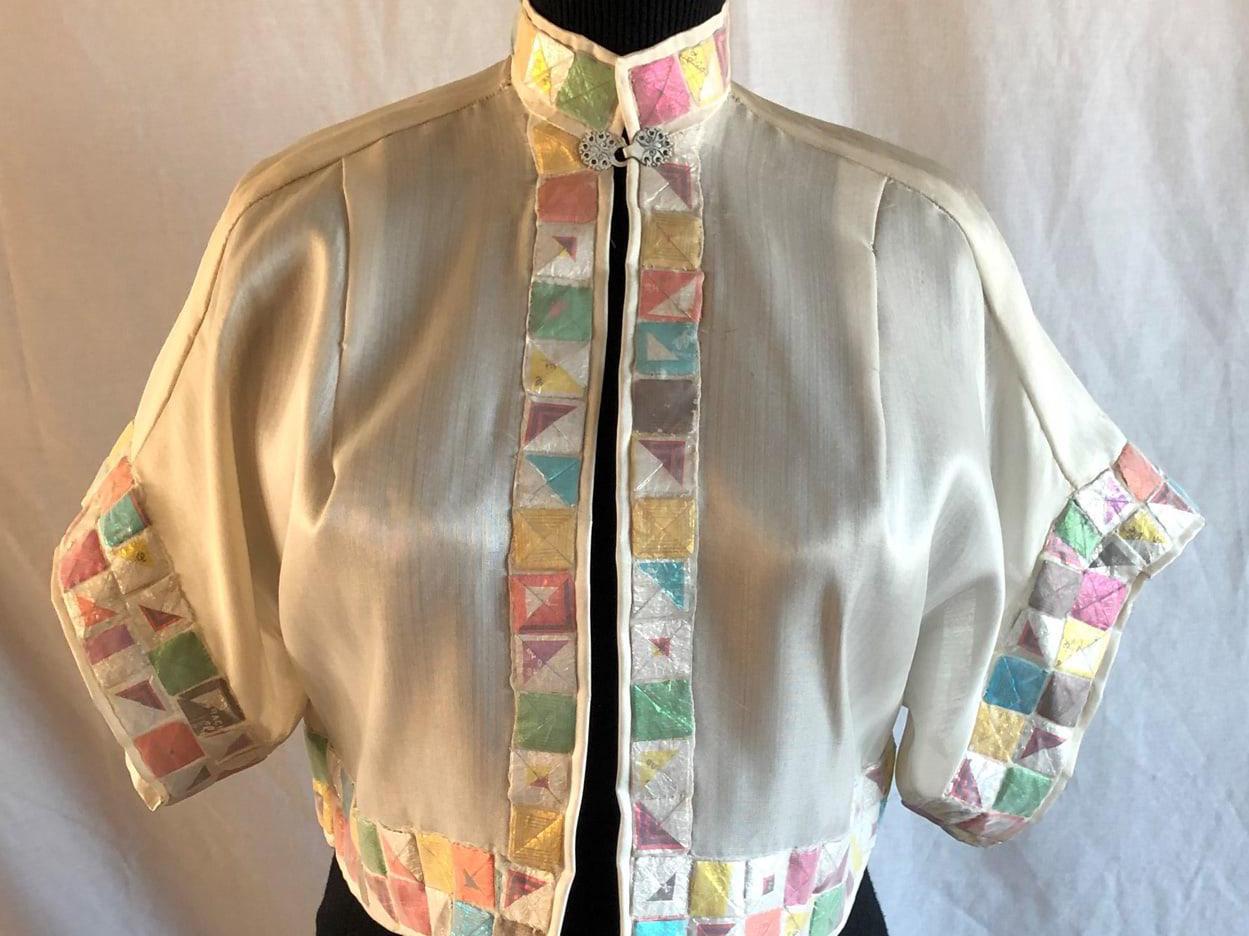
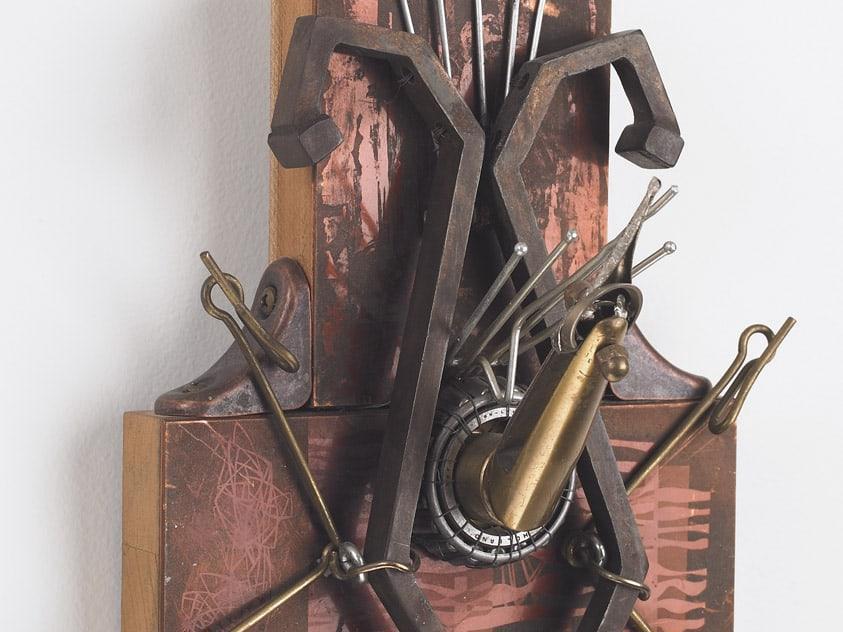
«Taking a break from painting,» Esphyr engaged in the design of clothing, accessories, and jewelry. Often, as materials, she used, in her own words, «all sorts of junk.»

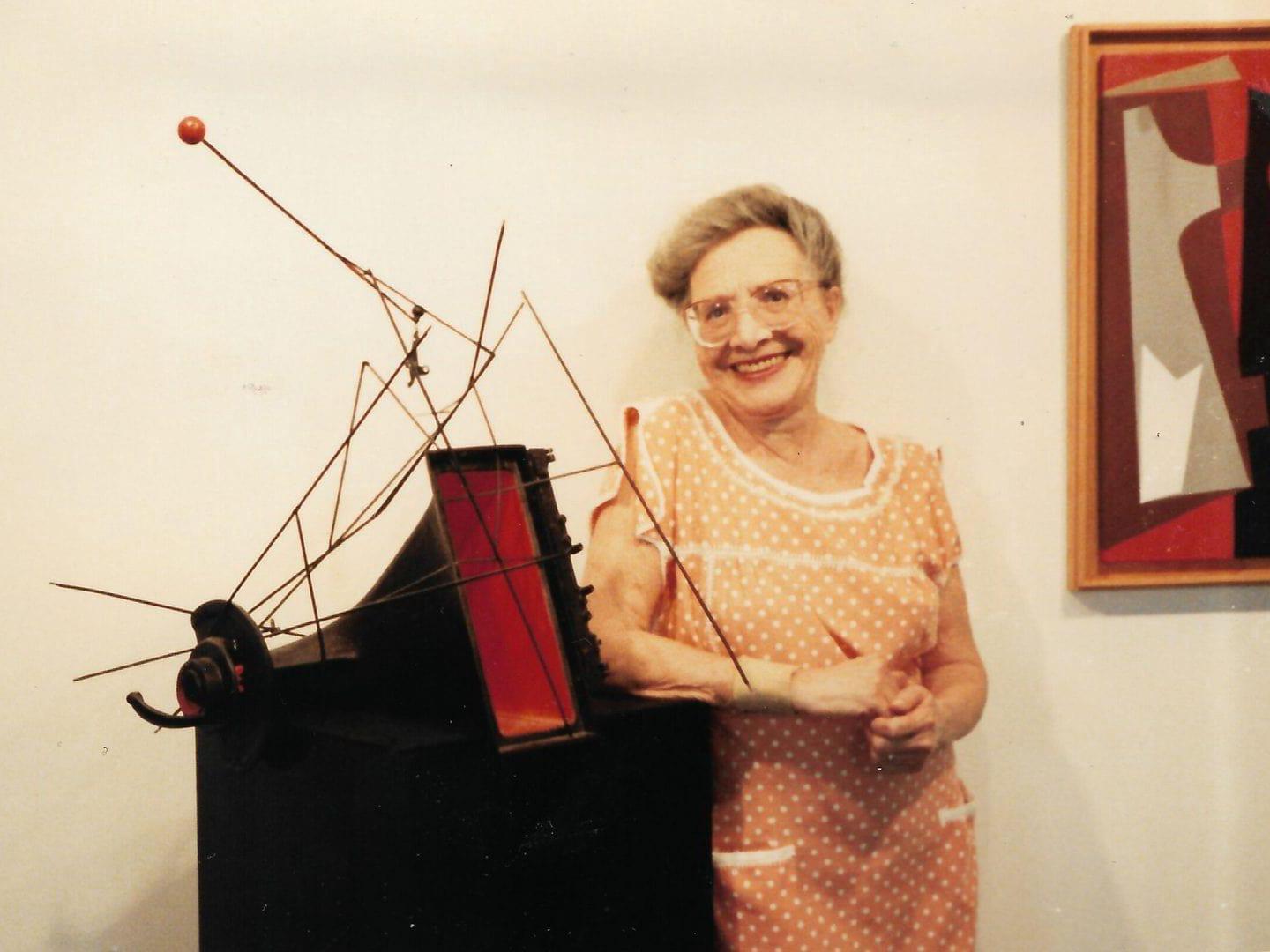
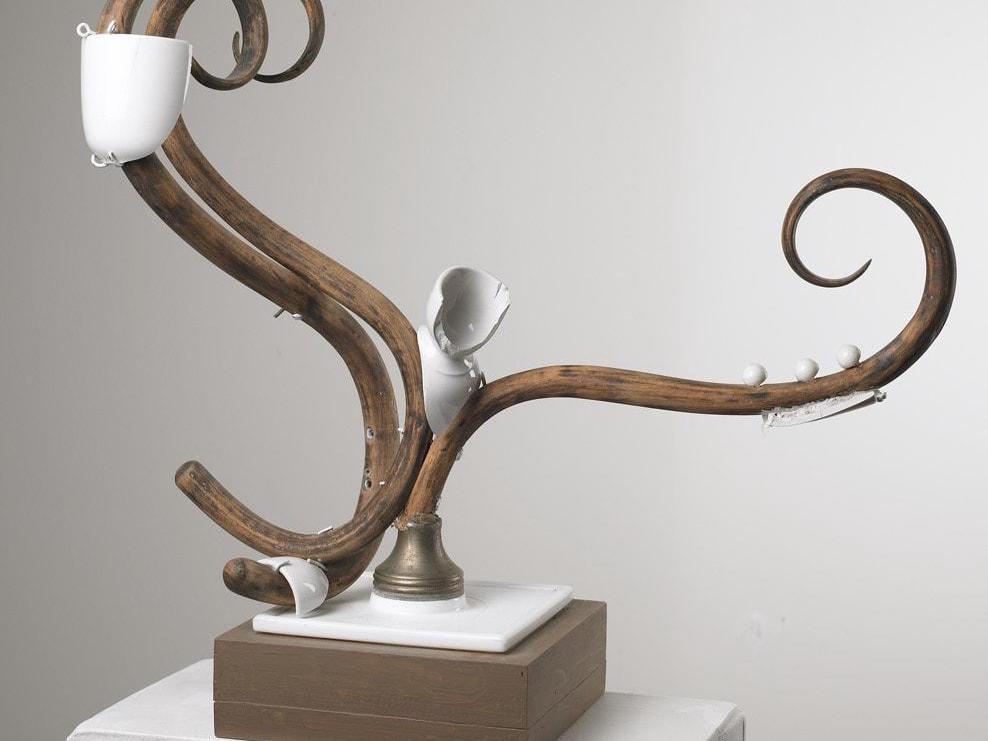
Until her death in 2002, the artist continued to experiment, and alongside abstract canvases, she created various plastic compositions, calling this «sensual pleasure.»
Those who communicated with the artist claim that she never forgot the Russian language, although after emigration she never visited her homeland again.
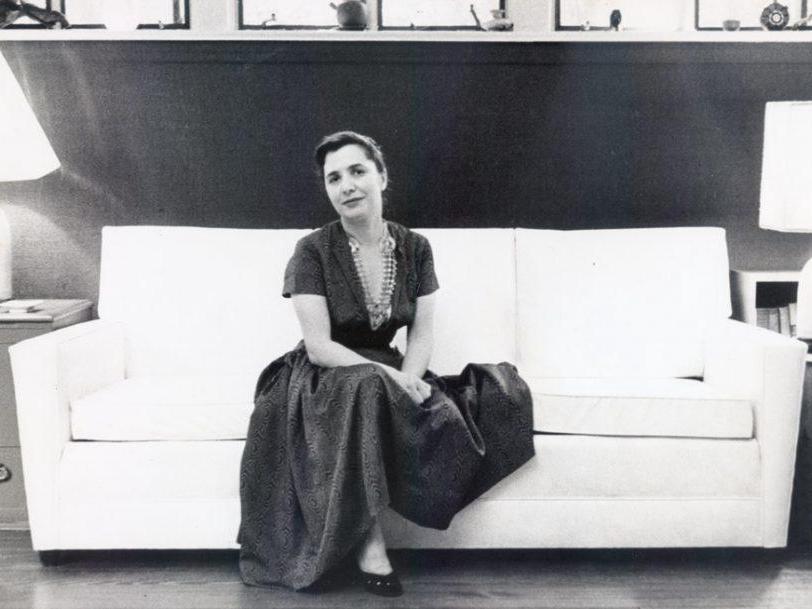
«I have never seen Moscow or St. Petersburg, but I very much want to be known in Russia,» said Esphyr Slobodkina.