Behind New Appointments at Pushkin and Tretyakov Museums
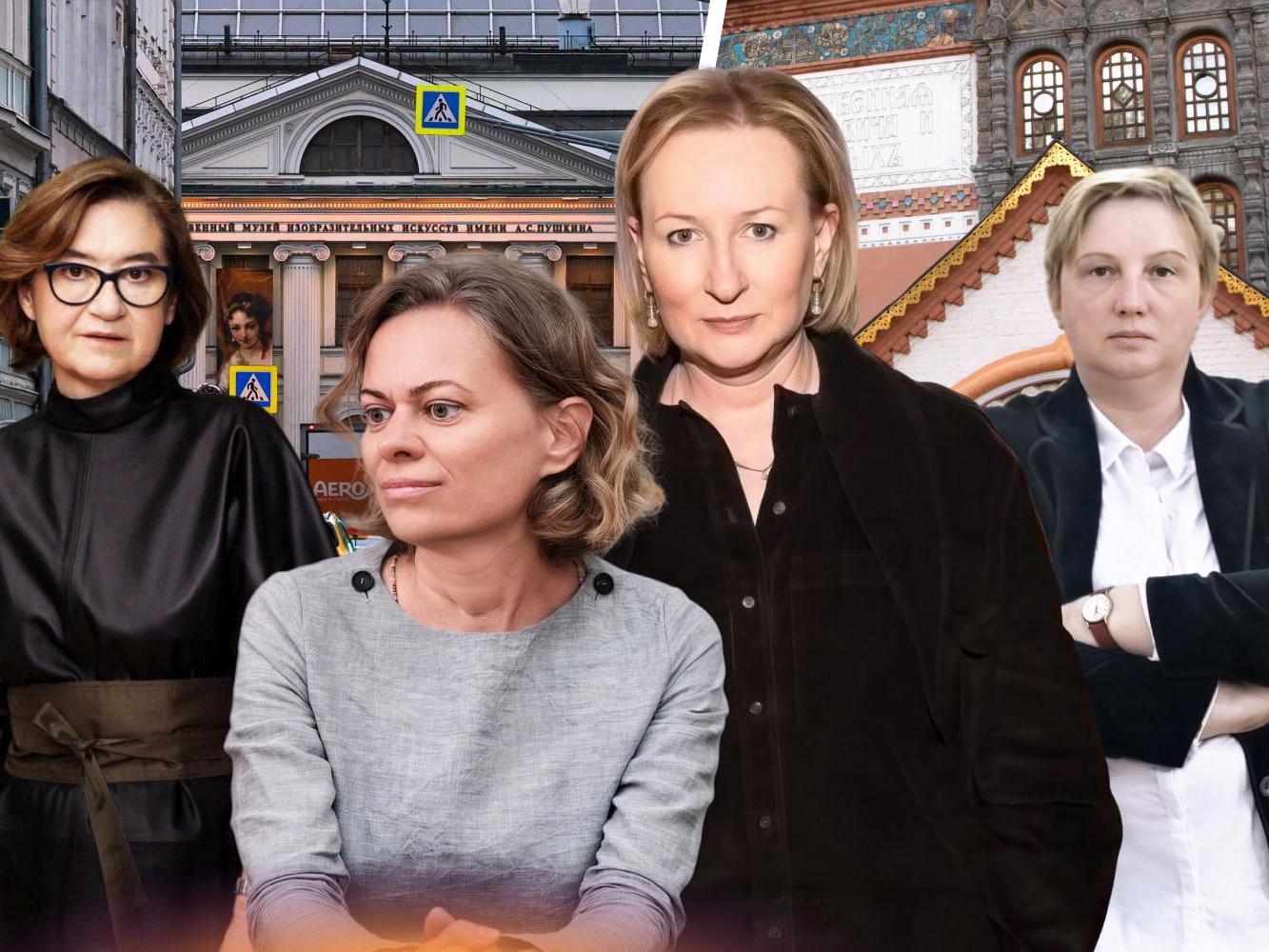

In early 2026, leaders were replaced again at two key Moscow museums. Yekaterina Pronicheva headed the Pushkin Museum, and Olga Galaktionova became the director of the Tretyakov Gallery. The reshuffles happened rapidly and without detailed explanations. MSK1.RU tried to figure out what«s behind this.
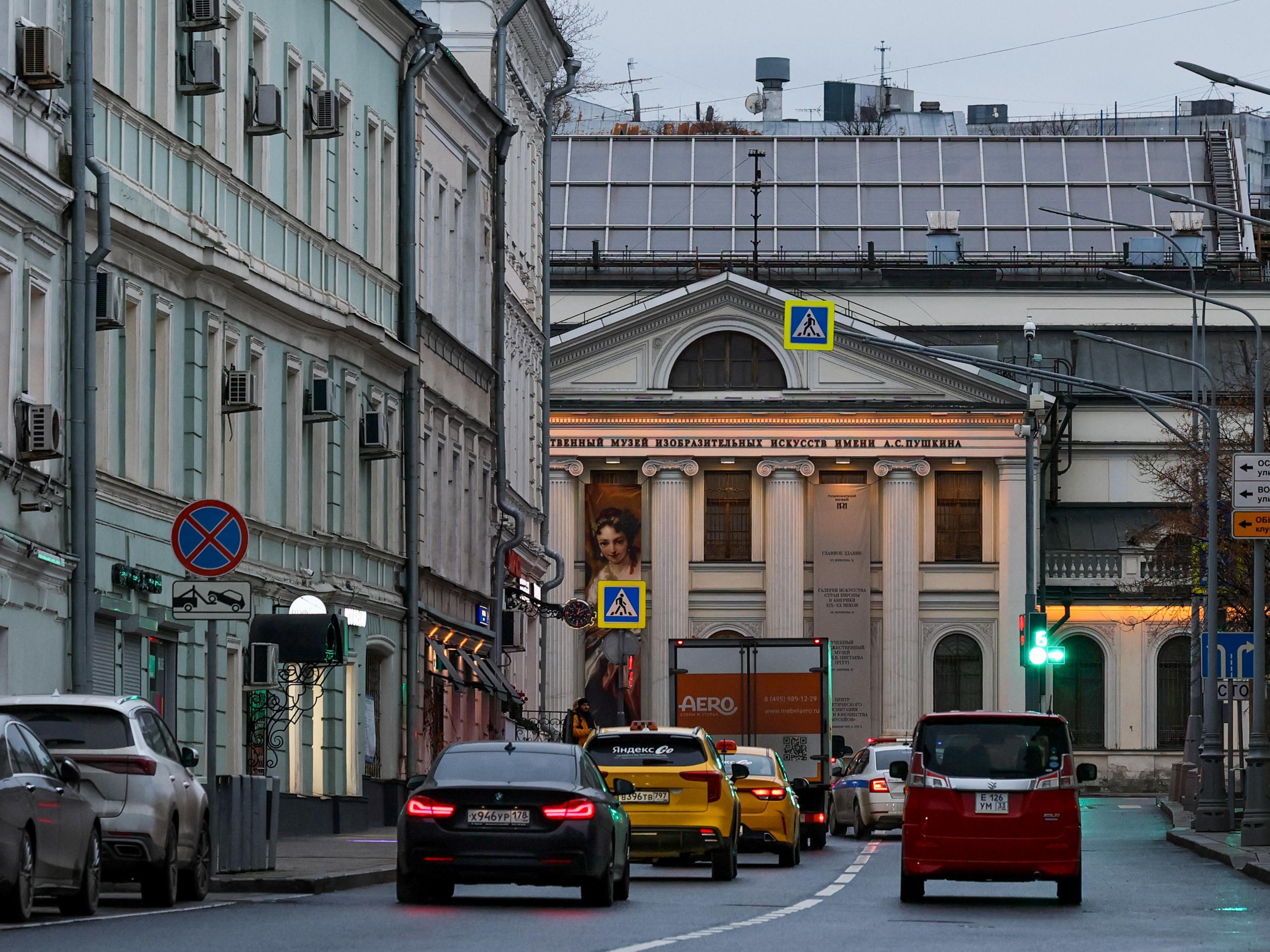
What is Happening with the Leadership of the Pushkin and Tretyakov
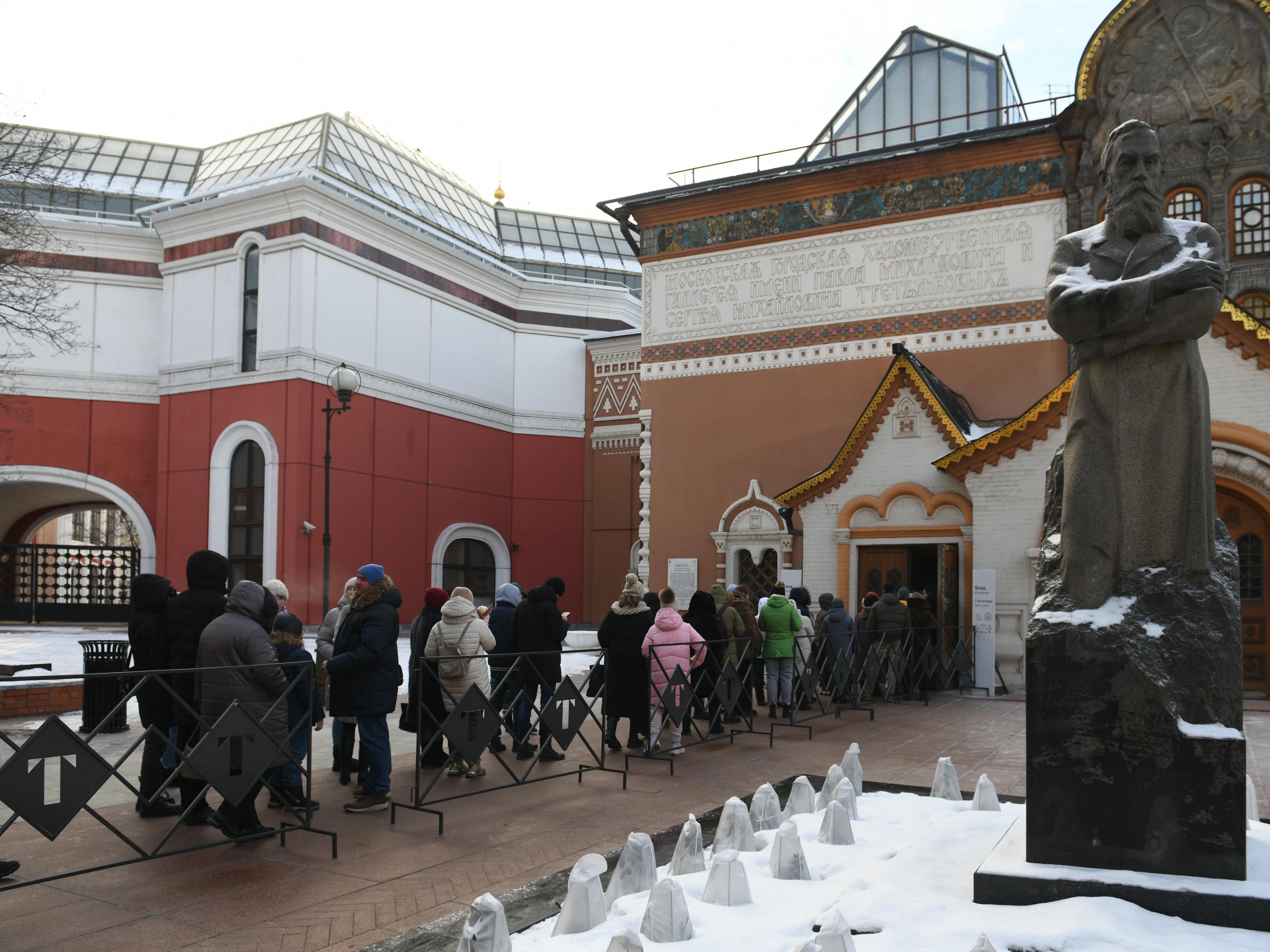
Over recent years, the rotation of directors has noticeably accelerated. At the Pushkin Museum, after more than half a century of leadership by Irina Antonova, a relatively calm period ensued: for almost ten years, it was managed by Marina Loshak. In 2023, she was replaced by Yelizaveta Likhacheva. She worked in the position for two years, after which in January 2025, Olga Galaktionova became the director. But this appointment also turned out to be short-term.
Already in the first working week of 2026, Galaktionova was transferred to the post of director of the Tretyakov Gallery. Yekaterina Pronicheva was appointed as the head of the Pushkin Museum.
At the Tretyakov Gallery, the situation had long appeared more stable. For eight years, the museum was headed by Zelfira Tregulova. In the winter of 2023, the director«s chair was taken by Yelena Pronicheva. In early 2026, she submitted a resignation letter of her own volition and left the post. Her place was taken by Olga Galaktionova.
“There Aren«t Even the Beginnings of a Personnel Policy”
The abrupt change in leadership caused bewilderment among art critics. Yelizaveta Likhacheva, who previously headed the Pushkin Museum herself, stated that Yekaterina Pronicheva and Olga Galaktionova were on a business trip in Egypt at the time. And the news of their reshuffle coincided with the moment when it became known about the death of the rector of the Moscow Art Theatre School-Studio. She also harshly criticized the Ministry of Culture, saying that it “lacks even the beginnings of a personnel policy.”
When asked about the reasons for the appointments that occurred, Likhacheva succinctly replied in a conversation with MSK1.RU: “You know, there«s a saying: »If I knew the cards, I«d live in Sochi.» I don«t know why they arose. And no one knows, that»s the problem.”
Likhacheva believes that the optimal term for leading an institution is about ten years: the first years are spent understanding the museum«s internal economy, noticeable results appear after about five years, and the remaining time allows for the strategic development of the museum.
Art critic and author of the Telegram channel “ku-ku” Ksenia Korobeinikova tried to find logic in all this. She recalled that Yelena Pronicheva left the post of director of the Tretyakov Gallery of her own volition after three years of intensive work. She credited her with opening the building on Kadashovskaya Embankment, in Samara and Kaliningrad, moving the issue of building a depository in Kommunarka off dead center, and starting the renovation of the building on Krymsky Val.
“She managed what no one could handle for decades, and left to catch her breath,” Korobeinikova summarized.
The appointment of Olga Galaktionova to the Tretyakov is linked by the art critic to her experience working with national exhibition projects, acquired at ROSIZO, and the transfer of Yekaterina Pronicheva to the Pushkin Museum — to her successful activity at the Vladimir-Suzdal Museum-Reserve and interest in international cooperation.
Meanwhile, several employees of the Tretyakov Gallery in a conversation with MSK1.RU pessimistically assessed the news about the change in leadership.
What Problems Will the New Directors Have to Solve
According to Likhacheva, each museum director has their own KPI, but they are strange and their fulfillment does not ensure the continuation of their work. During the time when she was head of the Pushkin Museum, her effectiveness was evaluated by four parameters: fulfillment of the state assignment, attendance, attraction of funds, and media index.
Thus, the Pushkin Museum in 2025-2017 must conduct 19 exhibitions in stationary conditions and five — outside, according to the state assignment, which MSK1.RU reviewed. The number of events organized by the museum should grow: from 135 in 2025 to 148 in 2027. Visitors, accordingly, are also expected to increase each year. If in 2025 their number was to be 1,287,432 people, then in 2027 — 1,313,911 people.
According to Likhacheva, back in the 1980s, museums began transforming into cultural centers with their own educational programs, cafes, and shops. They still need a new concept of work, but a universal solution does not yet exist.
The new leaders of the Pushkin Museum and the Tretyakov Gallery will face long-standing problems. At the Pushkin Museum, a large-scale reconstruction continues, started back under Irina Antonova. They have been building the museum town for over 10 years, and the deadlines for completion have been repeatedly postponed. Last time it was reported that the project is planned to be completed by 2030, after which the museum«s collections will be redistributed between the buildings, and the main building will close for restoration. Yekaterina Pronicheva will become the third director who will have to bring this process to an end.
At the Tretyakov Gallery under Olga Galaktionova, a key event will be the celebration of the museum«s 170th anniversary in 2026. For the anniversary, major exhibitions and the opening of the museum-workshops of Ilya Kabakov, Erik Bulatov, and Oleg Vasiliev are planned. Additionally, the renovation of the building on Krymsky Val remains in the plans.
The previous year, 2025, also began with a mass departure of leaders from Moscow museums. We told more about this in a separate article.
It also recently became known that director Konstantin Bogomolov was appointed acting rector of the Moscow Art Theatre School-Studio. He will take this position after Igor Zolotovitsky, who headed the acting school since 2013. The actor died on January 14 from throat cancer.