Anton's Day: Avoid Sharing Future Plans on January 30
This article explores the folk omens and traditions of Anton's Day on January 30, including why sharing future plans is discouraged.
Mar 1, 2026 0
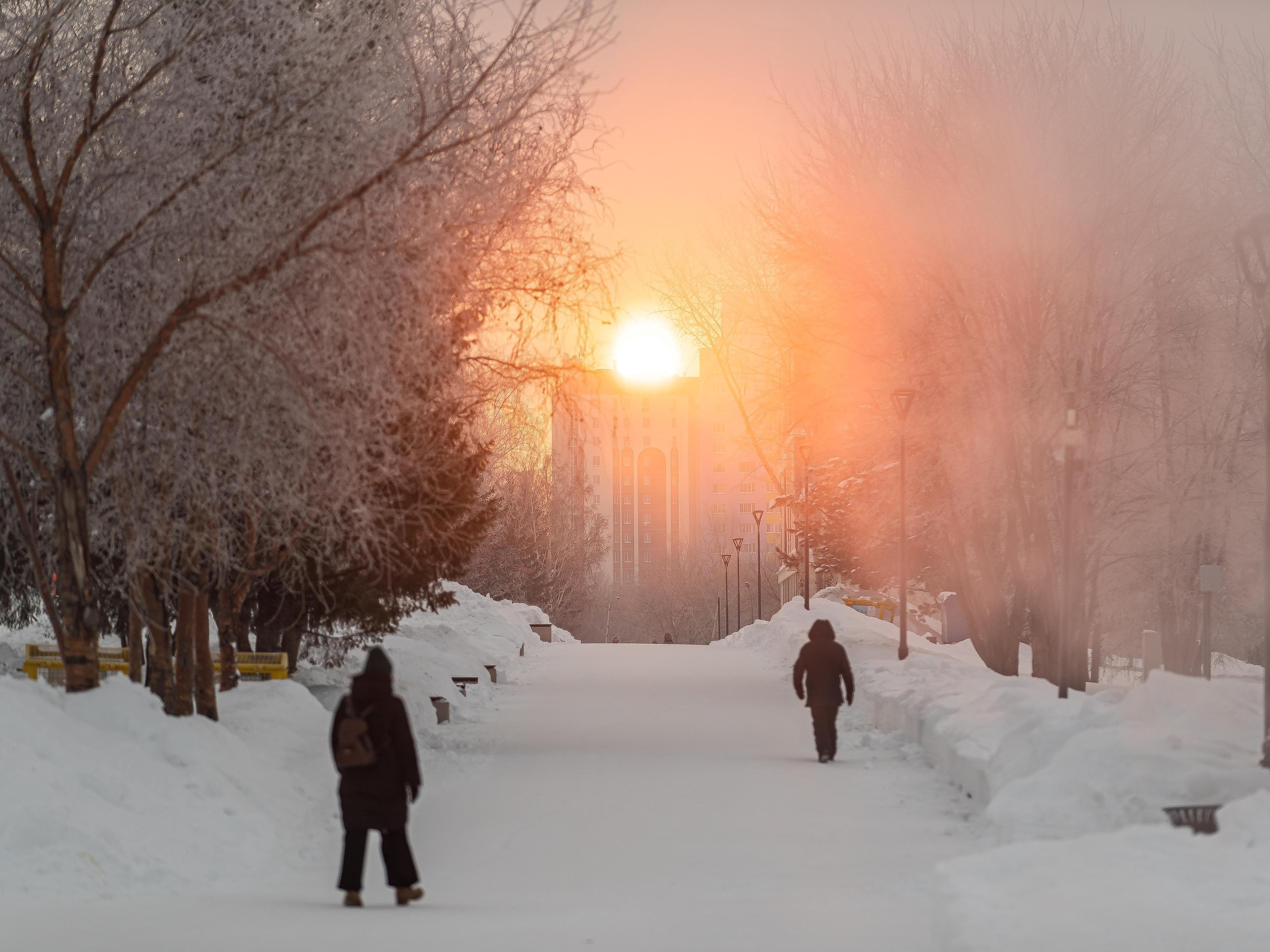

An illustration showcasing the folk customs and protective rituals linked to Anton«s Day in Russian tradition.
Source:
Anton«s Day is associated with the memory of Saint Anthony of Chernoye Ozero. Little information about his life has survived to this day: he is believed to have lived in the 16th century and founded a monastery in what is now the Novgorod Region. The saint»s relics were buried in a church, of which only the foundation remains today.
In the folk calendar, this day is called Anton the Winter-breaker. It is on January 30 that winter reaches its midpoint and begins to «break,» but the weather on this day was viewed with caution. Warm air was considered deceptive, and a return of severe frosts was not ruled out. It was also noted that cloudy skies could foretell a snowstorm.
Household traditions were also linked to the date. On this day, homes baked oatmeal kolobki—small buns that symbolized the sun. They were made from oatmeal with the addition of wheat flour, milk, butter, eggs, and salt.
In folk beliefs, Anton«s Day was considered suitable for protective rituals. For example, to ward off the evil eye, a line was drawn across the path leading to the yard with a sharp object—most often a sickle. It was believed that such a mark could »cut off« evil.
There were also prohibitions. According to folk notions, on this day it was not recommended to be lazy or postpone tasks, to prepare and consume legume dishes, to engage in needlework, as well as to boast or share plans for the future. In crowded places, people were advised to be especially vigilant, fearing pickpockets.
Read more