How to Help Yourself and Loved Ones After a Scam


Victims of scammers experience immense psychological stress. They face shock, disappointment, rage, and shame. How to help yourself or a loved one affected by criminals was explained by psychologists and a psychiatrist to 161.RU.
“This is a Serious Psychological Trauma”
Psychiatrist Anton Shestakov notes that losing money due to scammers« actions is not just a financial problem.
— This is a serious psychological trauma that affects the deepest foundations of our perception of the world, — the expert says.
During stress, the victim experiences a powerful release of cortisol and adrenaline.
— The amygdala — the brain structure responsible for threat response — goes into hyperactive mode. There is rapid heartbeat, trembling, inability to concentrate, — explains psychiatrist Shestakov the physiological processes.
Due to stress, a person loses motivation and good mood. Apathy sets in, sleep and appetite disappear, and the future seems hopeless. Headaches may appear, chronic illnesses may worsen, as stress suppresses immunity.
— This is a chemical malfunction in the brain, not a character weakness, — warns expert Anton Shestakov.

How to Help a Loved One Who Became a Victim of Scammers
Family psychologist Olga Ivanova says that losing funds has five classic stages: denial, anger, bargaining, depression, and acceptance.
— First, a person cannot accept that this happened. You need to help them, and the simplest way is paraphrasing. For example, the person says: “How could this be, I fell into the clutches of scammers!” — “Yes, you fell into the clutches of scammers!”; “I gave them all my money!” — “Yes, you gave them all your money!”. This will help the person acknowledge this situation, — advises Olga Ivanova.
It is important for a person to vent negative experiences.
— It is important to be nearby and help the person vent anger, reinforcing what they say: “Yes, a nightmare! What a horror! How is this possible!” This will help the person express themselves, and once all the anger is out, they will move to the next stage — bargaining, when it starts: “And if I hadn’t done that, then…”, — says family psychologist Ivanova.
At the bargaining stage, together with a loved one, you can develop a plan on how to avoid such a situation next time.
— Next comes depression. It is worth being with the person and helping them develop a plan to restore savings, — concludes Olga Ivanova.
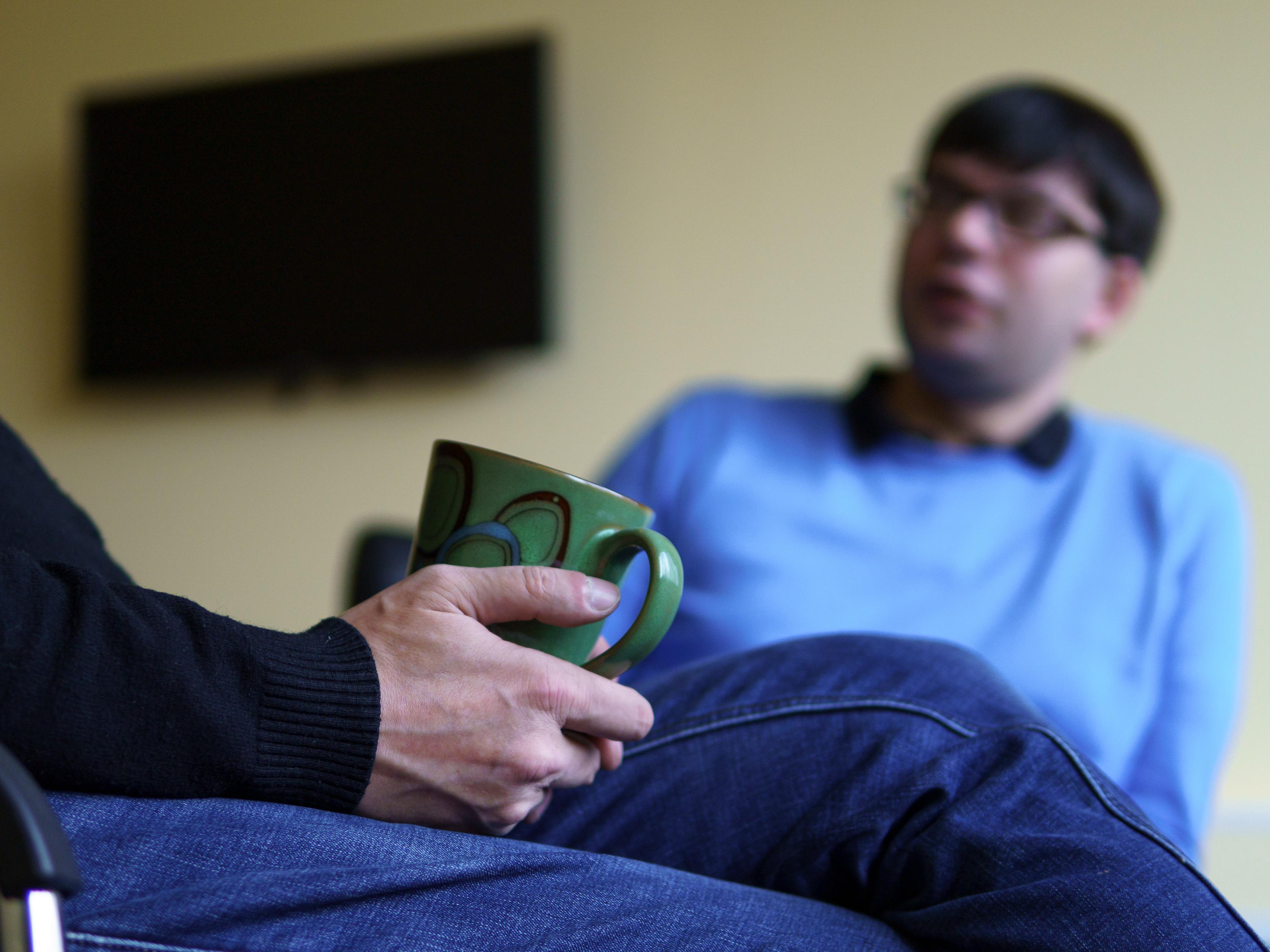
Clinical psychologist Larisa Verchinova notes that the main thing in supporting a victim is the reaction of loved ones. The victim should not be reproached or judged, as they already experience colossal shame and guilt. For the loved one, on the contrary, it is necessary to create a safe space.
— Let them speak out. Listen without interrupting. Just be nearby. Say: “I’m sorry this happened to you. It’s terrible. I’m with you”, — advises Larisa Verchinova.
It is important to explain to the victim that the blame lies entirely with the criminal who used manipulations.
— Say: “Any person in your place could have been caught. The one who deceived is guilty, not the one who believed”, — advises the psychologist.
It is important to help the victim with practical steps: filing a police report, contacting the bank.
— Do this together, but not instead of them. This will return to them a sense of control. Do not devalue the loss. Phrases like “money can be earned again” or “the main thing is health…” do not work now. This money could have meant a lot — security, a dream, confidence in the future. Acknowledge this, — says expert Larisa Verchinova.

How to Help Yourself If You Became a Victim of Scammers
Psychiatrist Anton Shestakov notes that a fraud victim often blames themselves: “How could I believe?”
— Shame activates the same brain areas as social rejection. Oxytocin drops — the trust hormone. A person starts avoiding people, which only deepens depression, — notes the expert.
Clinical psychologist Larisa Verchinova advises acknowledging your feelings. Rage, shame, and despair are normal manifestations in such a situation.
— Focus on action. Step by step, complete practical points: report, bank. Each small action is a step from the state of a helpless victim to the position of a person who solves the problem. Separate guilt and responsibility. You are not to blame for being deceived. But now you are responsible for how you will deal with the consequences. These are different things, — says Larisa Verchinova.
Psychiatrist Anton Shestakov warns that recovering a person after such stress can take from several weeks to several months.
— Allow yourself to feel. Tears literally wash cortisol out of the body. Suppressing emotions only prolongs stress, — advises Shestakov.

Another recommendation from the doctor is to restore basic needs: eat nutritiously and healthily, drink water, and exercise.
— Limit self-examination. Obsessive thoughts “How could I?” only increase cortisol release. When you catch yourself in self-flagellation, switch to a simple action, — recommends Anton Shestakov.
He concludes that the victim can seek help from psychiatrists for medication treatment.
— This is not a sign of weakness — it is a competent prevention of post-traumatic stress disorder, — says psychiatrist.
“This Will Not Heal in a Day”
Clinical psychologist Larisa Verchinova advises giving the victim time. Mourning the loss is normal.
— This will not heal in a day, — notes the expert.
Verchinova gives a list of supportive phrases for oneself and for a loved one:
“It’s very hard now, but I will cope. I am already acting.”
“I survived the shock, but I am not broken. I deserve support, not judgment.”
“This money was a payment for trust in people, not for stupidity. Trust is a good quality, it’s a pity to lose it.”
Earlier, psychologists told 161.RU how to get out of the “hypnosis” of phone scammers and what methods of pressure criminals use.