Former Military Town Near Moscow Grapples with Teen's Ethnic Murder
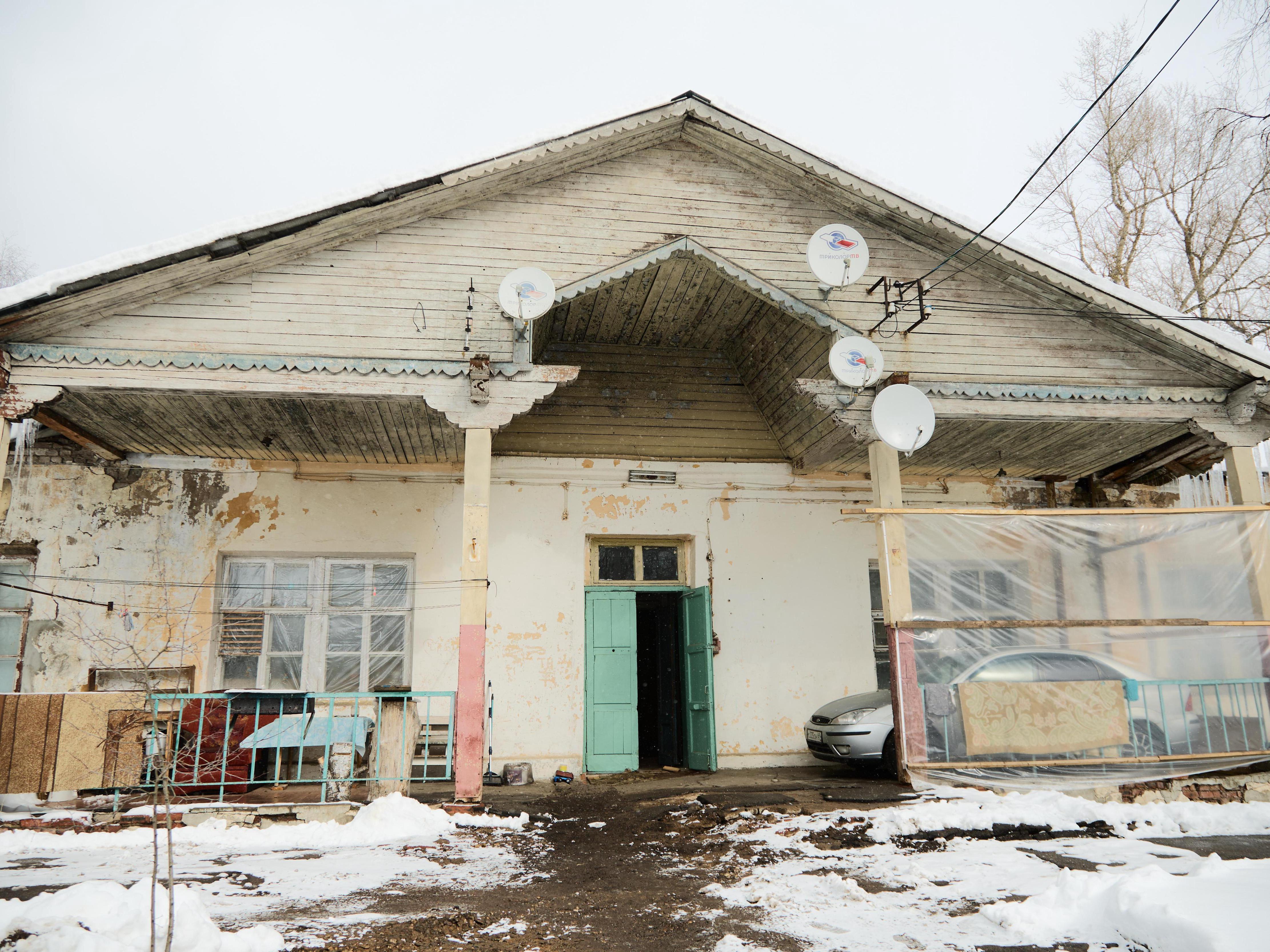

Once, secret data about the country«s »iron dome« were discussed in these barracks.
Military Town No. 27 was conceived as a key link in the chain of anti-aircraft defense perimeters protecting the USSR capital from potential external threats. Although it was built in the mid-20th century by GULAG prisoners under the supervision of career military engineers, crime in the settlement was only heard of in the 1990s.
Now, most military facilities are abandoned, and migrants have settled in the habitable former barracks. Last spring, in the area of the Trudovaya neighborhood, the second incident involving them in a month and a half occurred: first, a crowd of foreigners attacked police officers, then a 14-year-old teenager stabbed a 9-year-old migrant to death over his nationality.
How the military town was born and why it died, as well as where so many migrants came from — in the MSK1.RU report.
A Special-Purpose Military Base
The Trudovaya neighborhood is a former military town. Although legally it is part of the urban-type settlement of Nekrasovsky in the Dmitrovsky District, in fact it is located two kilometers away and separated from the settlement by a large strip of forest. While about 11,000 people live in Nekrasovsky, in Trudovaya there are not even 2,000.
The early 1950s. The Cold War is in full swing. While one part of the USSR is rebuilding the country after the Great Patriotic War, another is thinking about new threats from outside. Few of those alive today know the truth about what made the leaders of the Union and the U.S. add fuel to the fire of this confrontation, but one thing can be boldly stated: against the backdrop of the Korean War, Uncle Sam became a nightmare not only for politicians and the military, but also for ordinary citizens.
Pride from the Great Victory and its price fueled people«s desire to do everything so that tragedies like the Great Patriotic War would not repeat. But while some engaged in political sermons, others »sharpened their pitchforks.«
The history of the formation of Military Town No. 27 in the Dmitrovsky District was described in detail by its resident, the chief engineer of the former military unit at the town in retirement, as well as publicist Vladimir Broudo under the original pseudonym Arseny Oduorb.
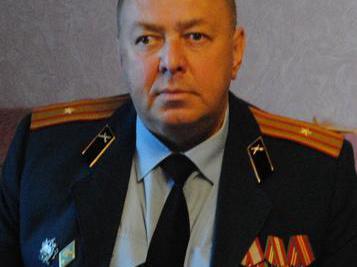
Vladimir Broudo was the chief engineer at the local military unit.
He was born in the Republic of Belarus in the family of a front-line officer. He graduated from the Minsk Higher Engineering Anti-Aircraft Missile School of the country«s Air Defense Forces. After that, he served in various engineering and command positions. In 1994, he was discharged from the position of deputy commander — chief engineer of the military unit.
Vladimir has been passionate about writing since childhood. His conspiratorial surname (Oduorb — Broudo backwards), like its real owner, is well known to the residents of the Trudovaya neighborhood. Now he is called a kind of journalist who blogs about life in the settlement. But the man — still a former military man, of the old school — refused to communicate with reporters. However, he allowed the use of his historical publications for the MSK1.RU report.
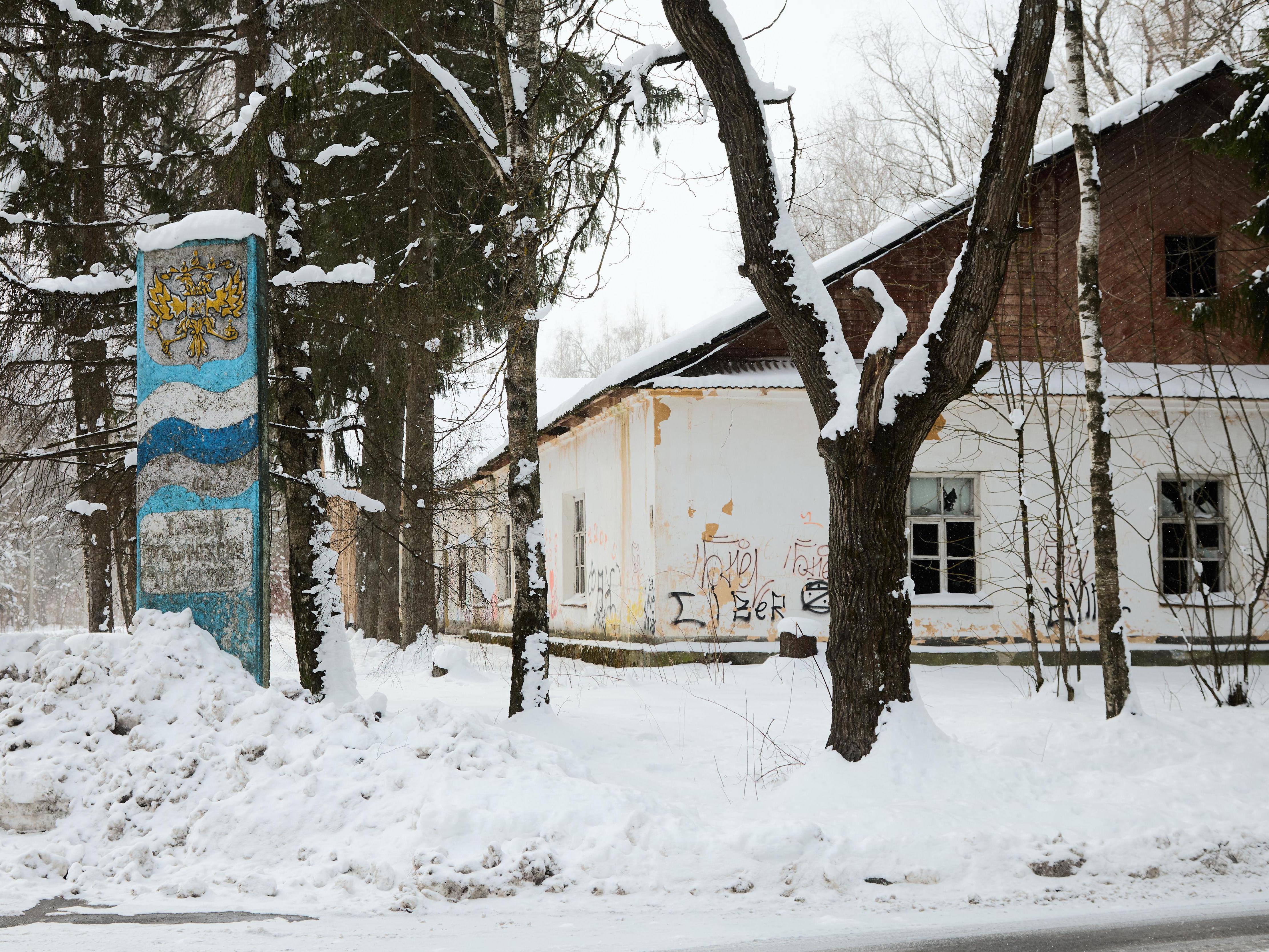
Today, there are many empty houses in the settlement — former barracks.
As Arseny Oduorb wrote, the Trudovaya neighborhood was formerly called Military Town No. 27. It was built simultaneously with a number of other towns in the Moscow region as one of the storage bases for missiles.
“From 1953 to 1955, on the 50- and 90-kilometer perimeters around Moscow, the construction of combat positions for anti-aircraft missile divisions, ring roads to ensure the delivery of missiles to firing divisions and storage bases (total road length up to 2,000 kilometers) was carried out by the forces of GULAG prisoners,” the publicist said. “Simultaneously, the construction of residential towns and barracks was underway.”
The 1st Air Defense Army had «special purpose» status, as its task was the reliable protection of the capital«s air borders. For this, the S-25 anti-aircraft missile system was created in record time. It surrounded Moscow in the form of two rings — near and far. It consisted of 56 anti-aircraft missile regiments (four air defense corps of 14 regiments each), seven missile storage and preparation bases, army and corps headquarters, radio-technical and engineering positions, and other units.
Near the Trudovoy railway station within the boundaries of the urban-type settlement of Nekrasovsky, it was decided to build one of such missile bases.
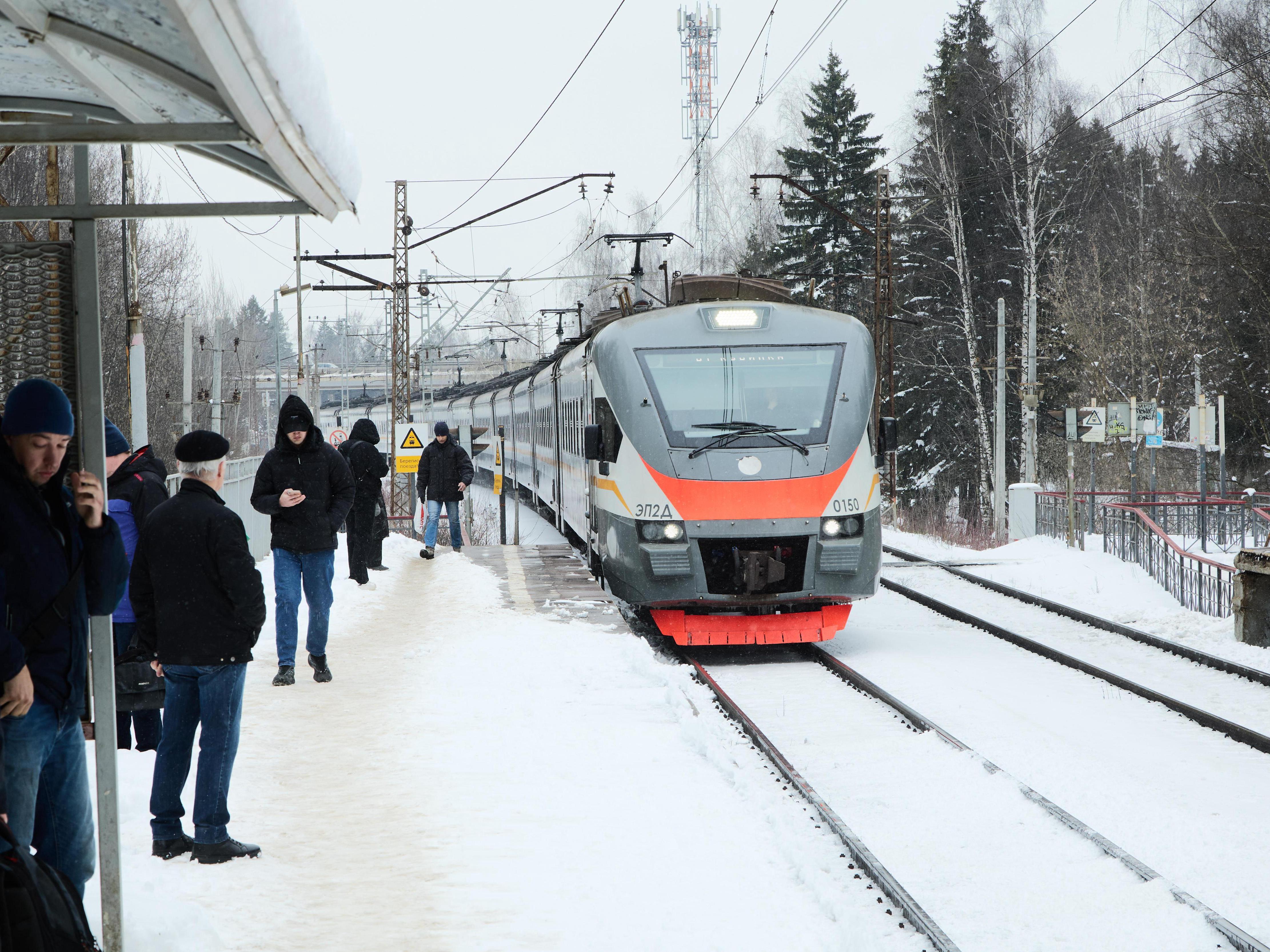
The neighborhood grew up around the railway station of the same name.
“The military unit was part of the 10th Air Defense Corps of the 1st Separate Special Purpose Air Defense Army of the Moscow Order of Lenin Air Defense District as the 1491st Missile Technical Base, intended for the storage, testing, equipping, and transportation of missiles to the anti-aircraft missile regiments of the 10th Air Defense Corps of the 1st Separate Special Purpose Air Defense Army,” Oduorb wrote.
Part of Beria«s Secret Project
For those who find themselves in Trudovaya for the first time, only an overgrown parade ground, a faded stele with the coat of arms of Russia, a monument to Lenin, the grave of WWII hero Lieutenant Vyacheslav Kozlov, and barracks abandoned and littered with trash might indicate that this territory belonged to the Ministry of Defense.
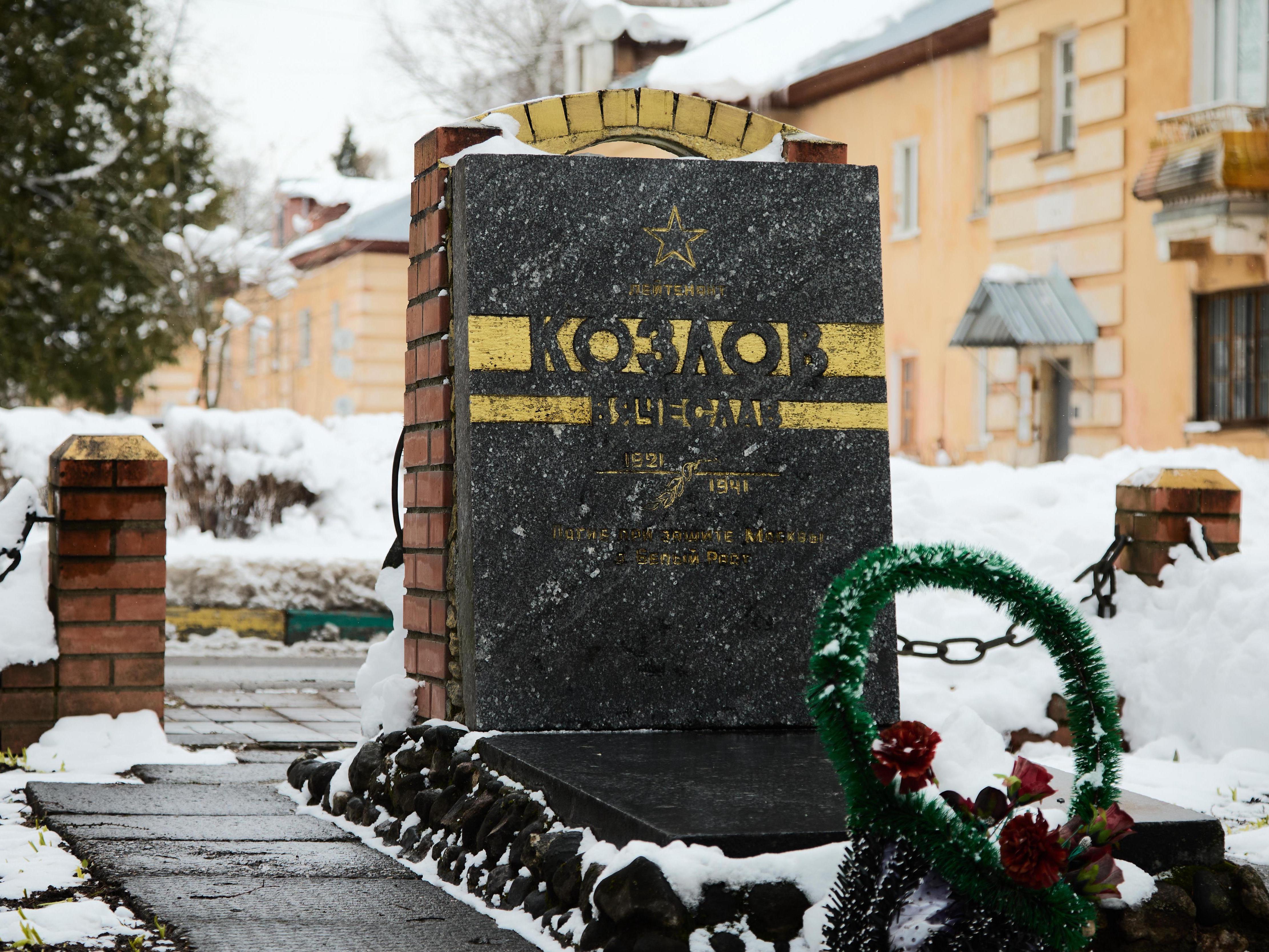
The grave of hero Vyacheslav Kozlov.
And although today not many symbols and infrastructure objects remain from the military in the town, the special significance of this base is visible in many details.
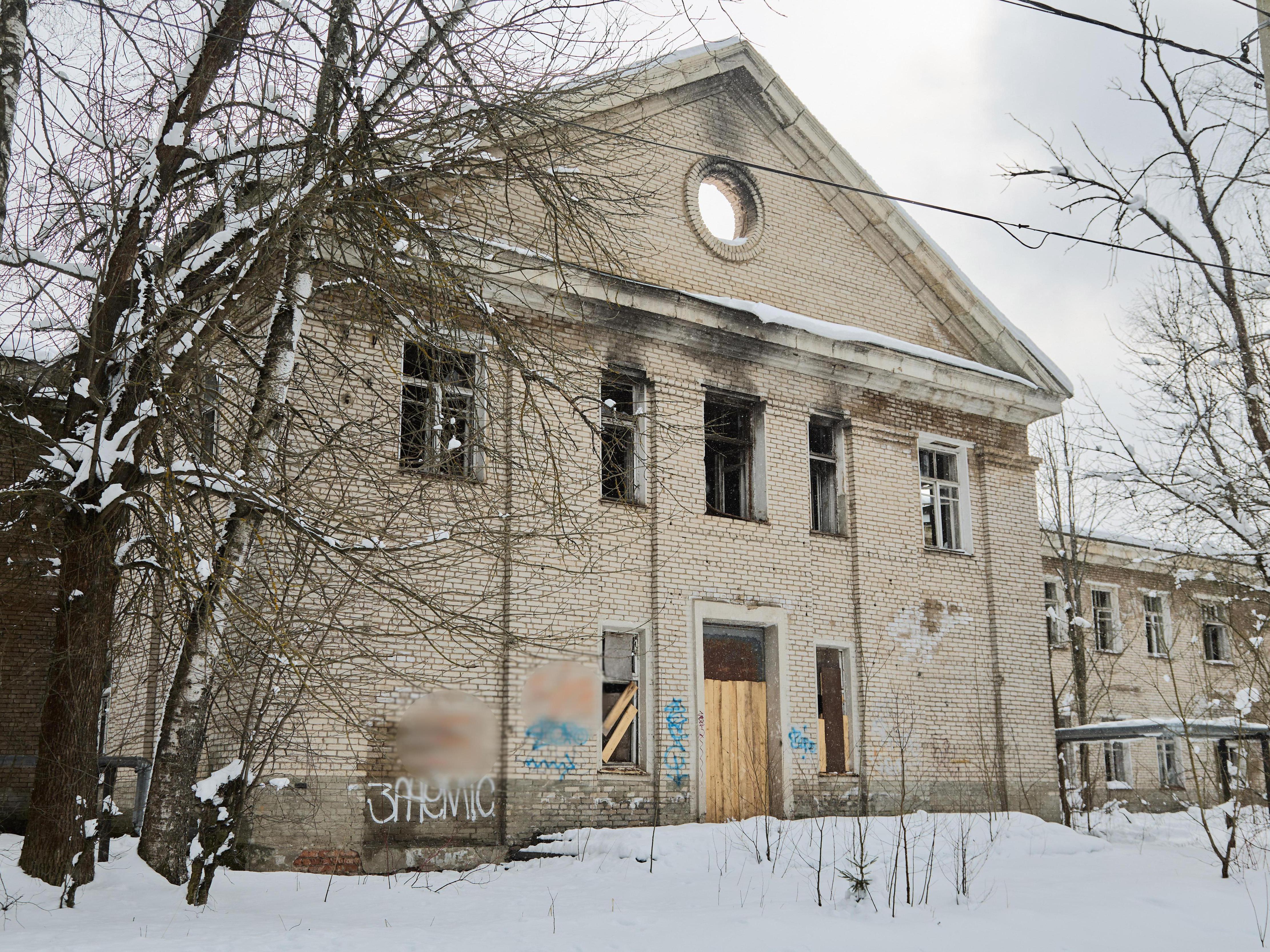
Many buildings remain abandoned to this day.
First, some barracks are completely unlike typical living quarters for personnel. Concrete one-story structures with double six-section windows give away their status from the threshold — the canopy of a peculiar entrance in some is made of wood with carved wooden trims.
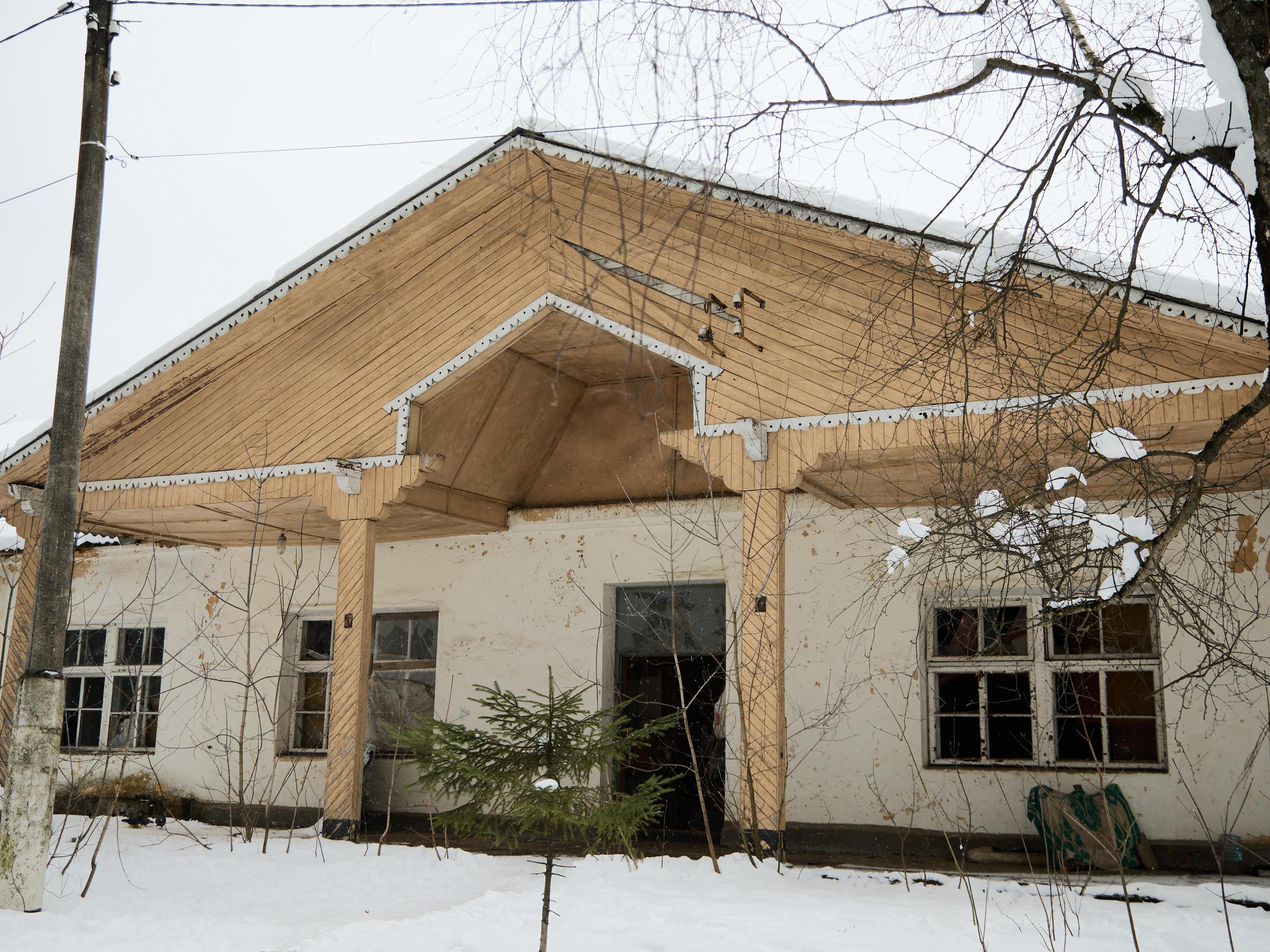
One of the carved canopies.
Second, the base had a special staffing schedule. For example, the ranks of commanders had a high addendum — not just «colonel,» but «colonel — major general.» This unusual historical detail has survived to this day: as the inscription on the electrical panel of one of the dormitories (former barracks) states, locals send money for cold water to a certain «private — major general» Romanov A. A. to a bank card via phone number.
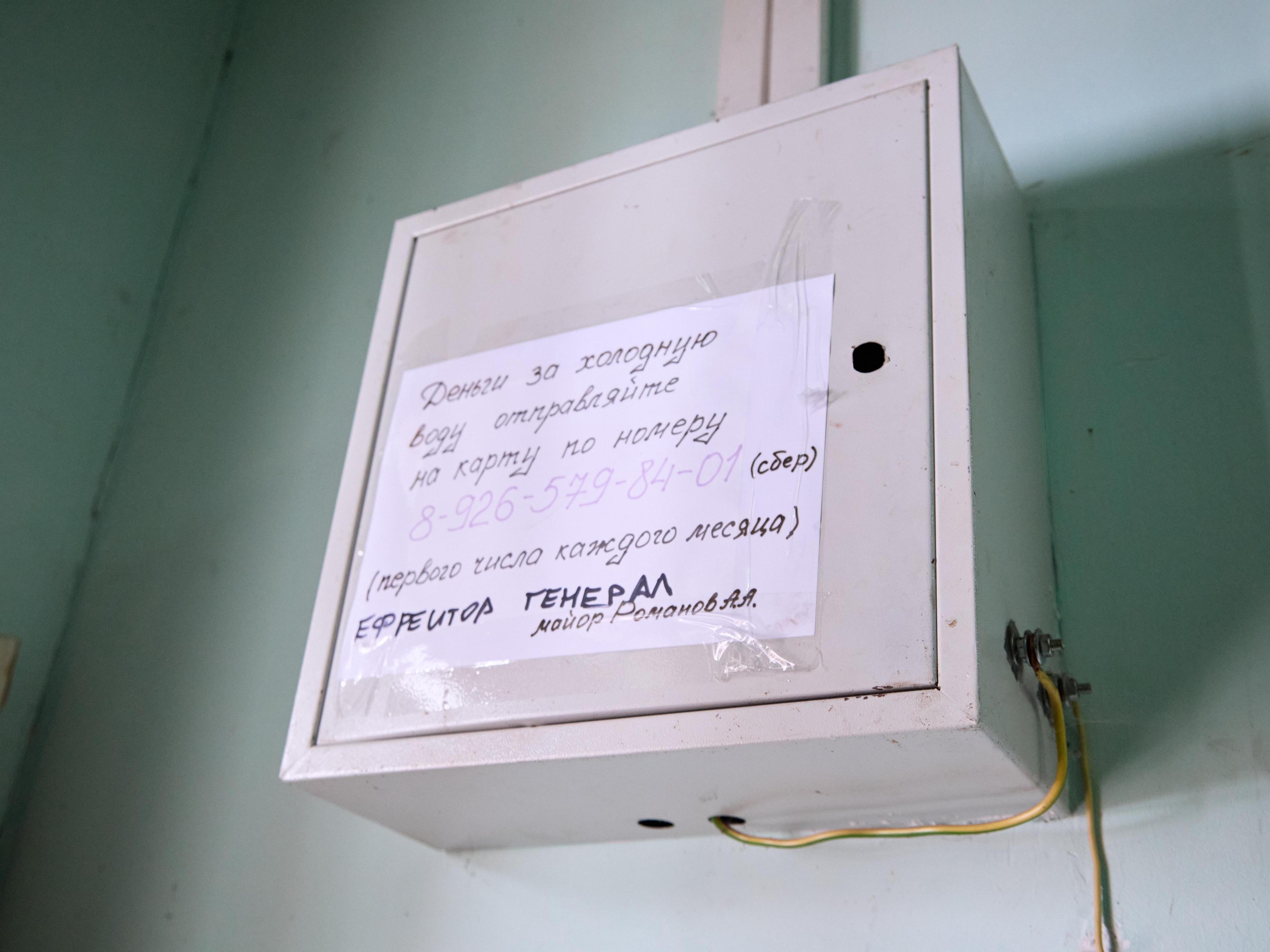
Apparently, the kind private — major general Romanov supplies the neighborhood with water.
The construction of the base was carried out by GULAG prisoners, and control over them was exercised by career military personnel, including builders and engineers.
“The prisoners were not criminals, but worker specialists — installers, welders, masons, concrete workers, fitters, adjusters, electricians, plumbers, and of fairly high grades,” the retired military engineer said. “It seems they were taken to the camps by quota — 10 welders needed. Under various pretexts, 10 qualified welders were arrested, given five years for a fight or petty theft, and sent to special construction sites. And so on for all specialties. Recall that the entire S-25 system was overseen by Lavrenty Beria, the cloud (as the UCH was called in the people) was in his hands.”
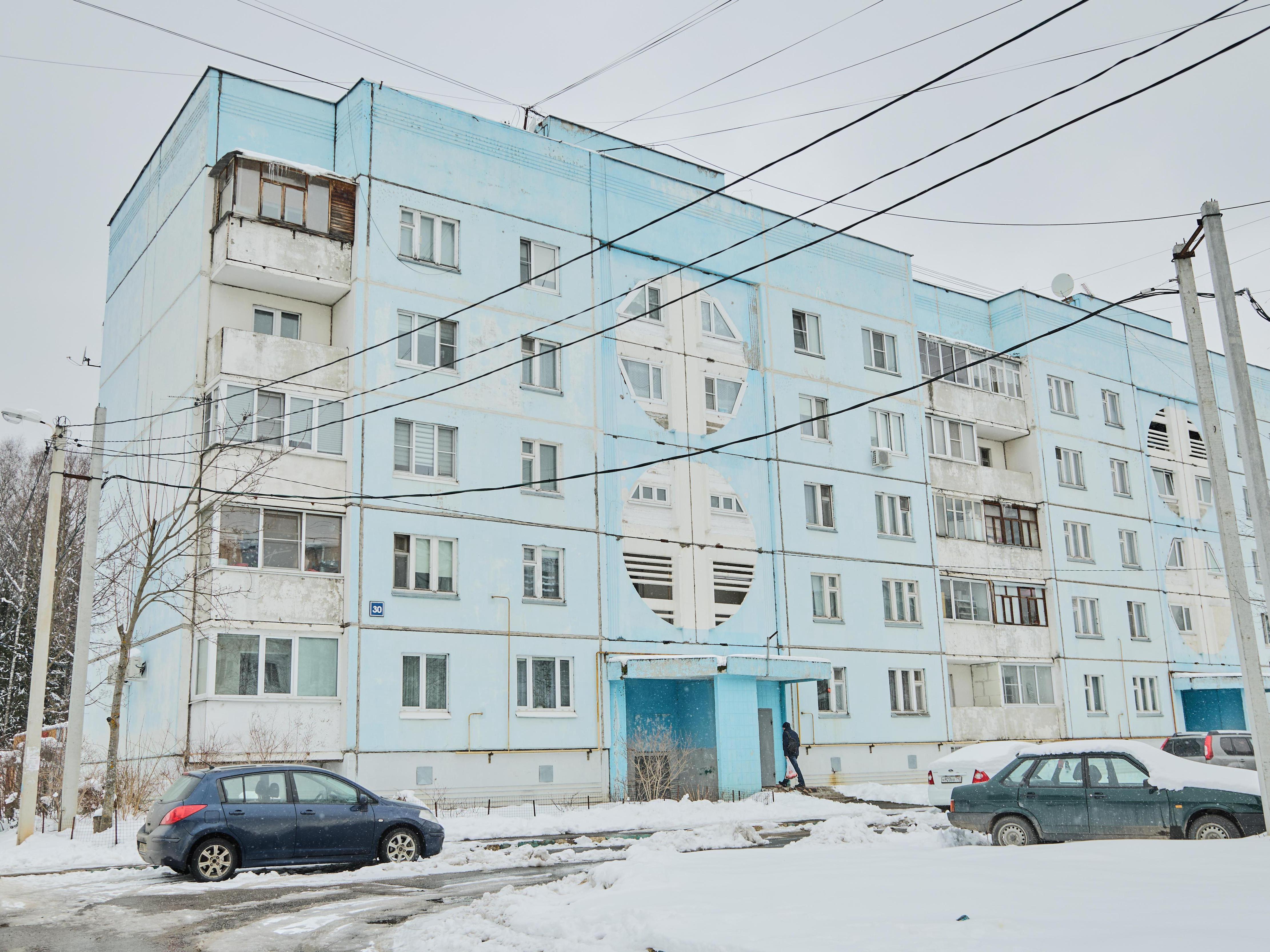
Some structures built by prisoners feature a distinct architectural approach.
UCH stands for «training unit.» This faceless name referred to the 1st Air Defense Army.
“Wives and children were not allowed to walk alone during the day,” Arseny Oduorb wrote. “They gathered in a group, they went, say, to the store or to the checkpoint under the guard of several soldiers armed with thick sticks. By the way, such a regime lasted for almost two more years, until the construction of the town was completed. But no incidents between residents and prisoners ever occurred.”
Liquidated as Unnecessary
Surprisingly, according to local residents, the source of crime in the military town was not the builders from the GULAG, but the trail of public sentiment in the 1990s. First, at a dance in the garrison Officers« House, the Shamanoff officer brothers were shot, then bandits beat up the duty warrant officer at the checkpoint. Later, Tamara Malchenko was raped and killed on the parade ground, and on the paths towards the commuter trains, a series of attacks on other women occurred.
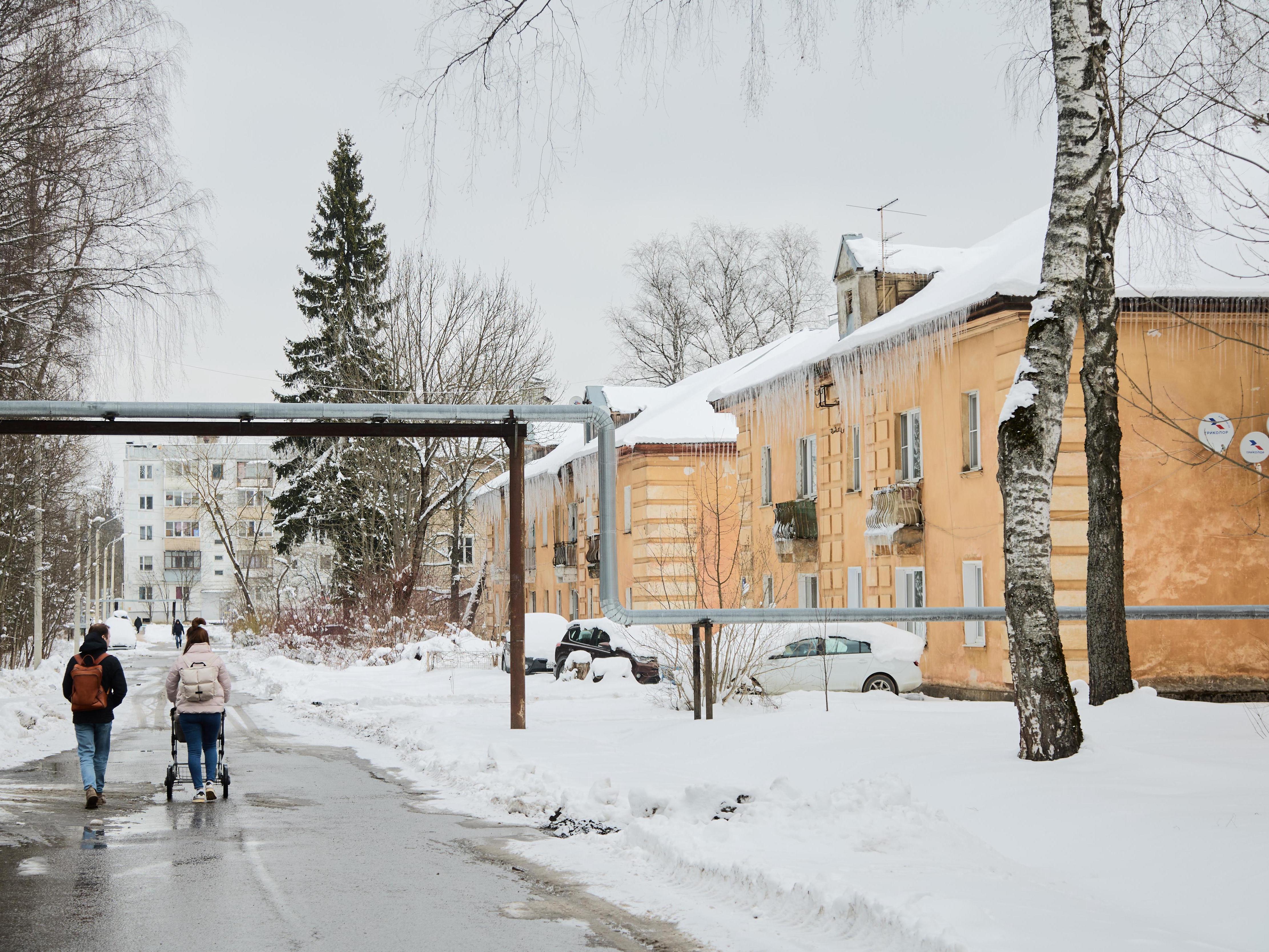
Today, the neighborhood«s military past is rarely remembered.
In the 2000s, the situation stabilized, but after large-scale reforms of the Ministry of Defense in 2010, all military units were liquidated as unnecessary, and the town was closed. After a couple of years, it was opened, but people lived there practically on their own. For some time, it was «no one»s.«
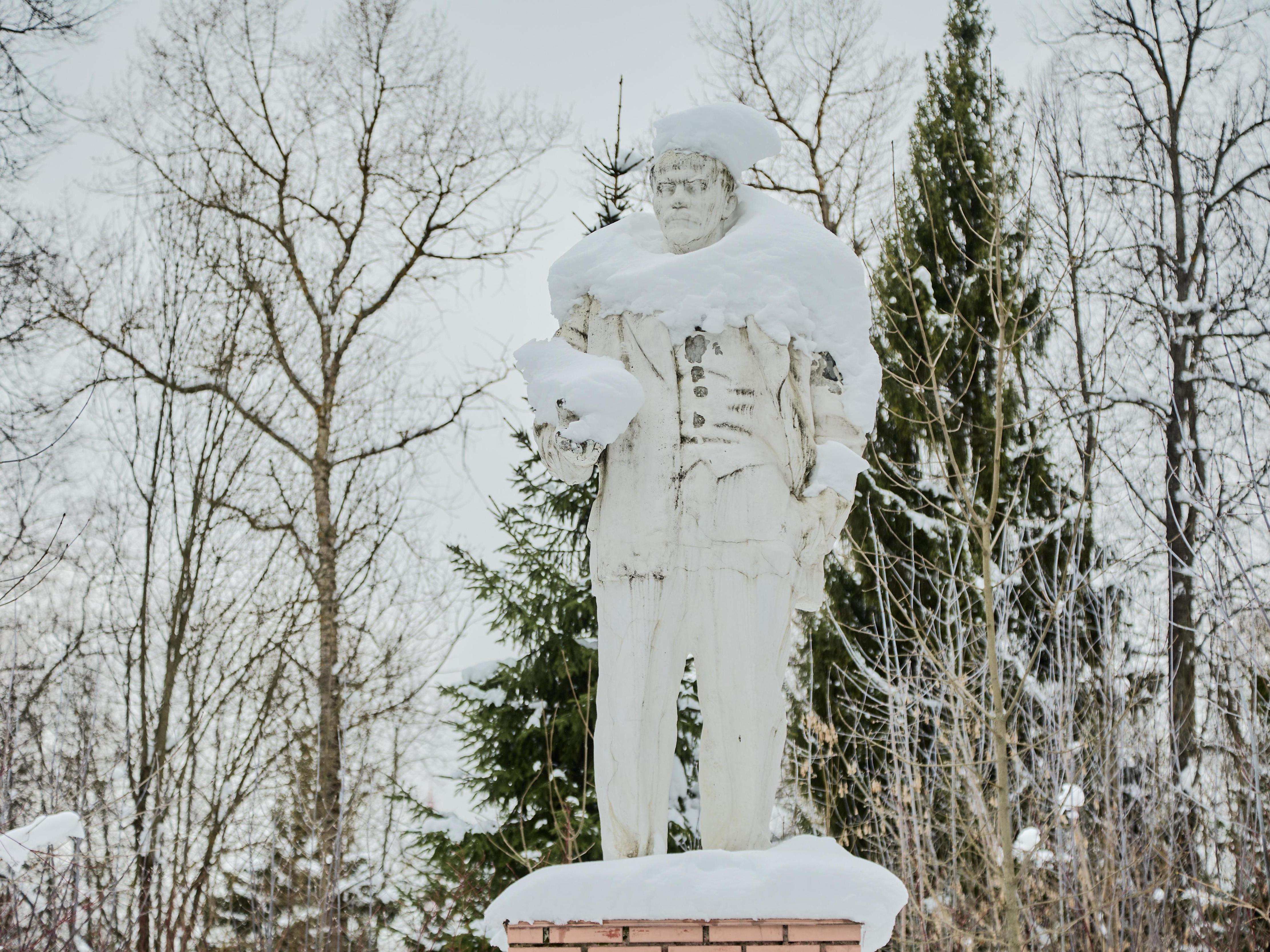
The former military town is now open, but few come to live here.
The preserved infrastructure was inherited from the military by the local management company and executive authorities.
Many of the military personnel and their families who were involved in the construction of the military town still live in what remains of it.
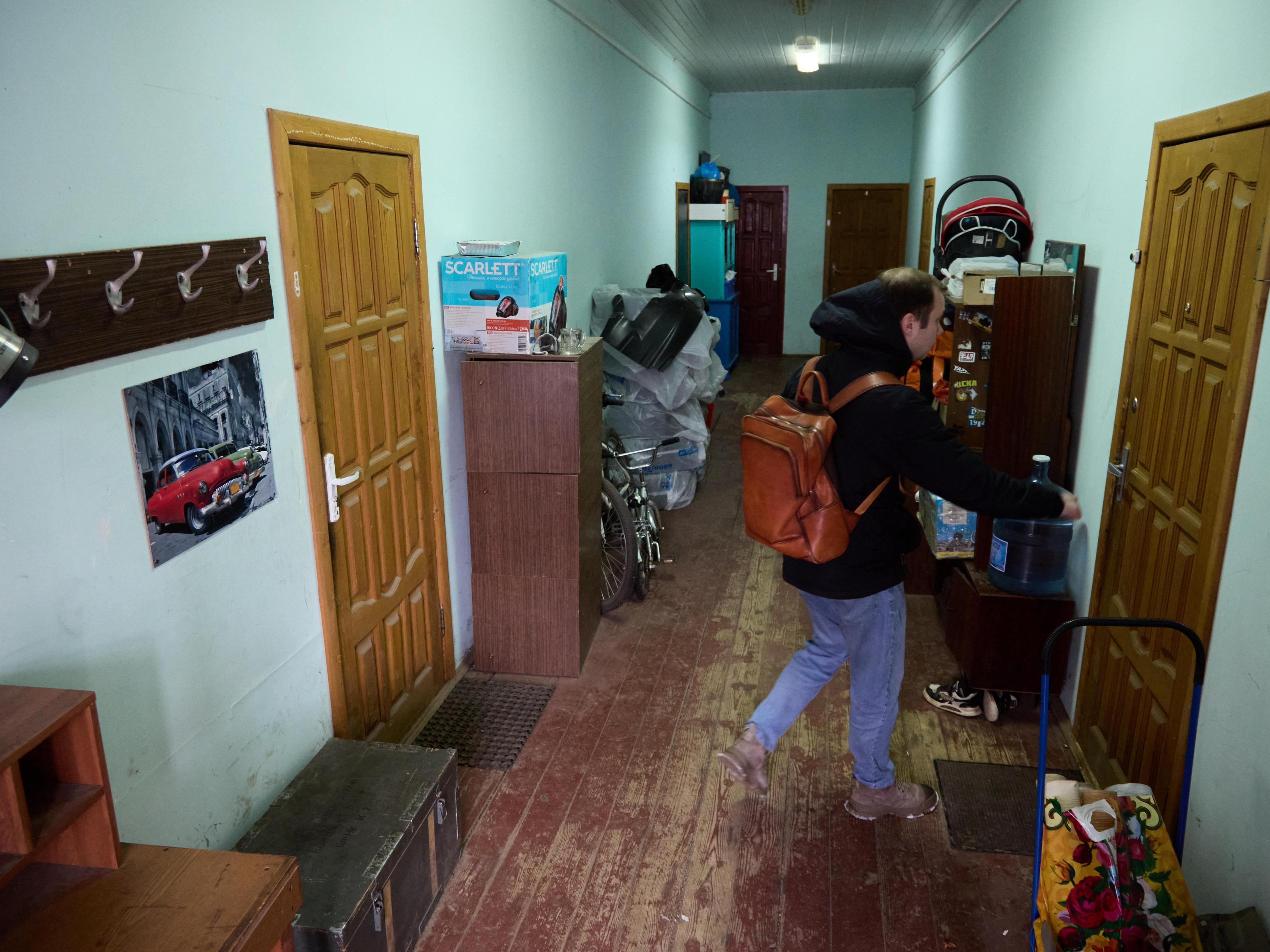
The entrance to one of the dormitories where migrants live — a former barracks.
“There was a military unit here, and a construction one nearby,” an employee of the local management company said. “When my husband and I moved here, there was only one five-story building.”
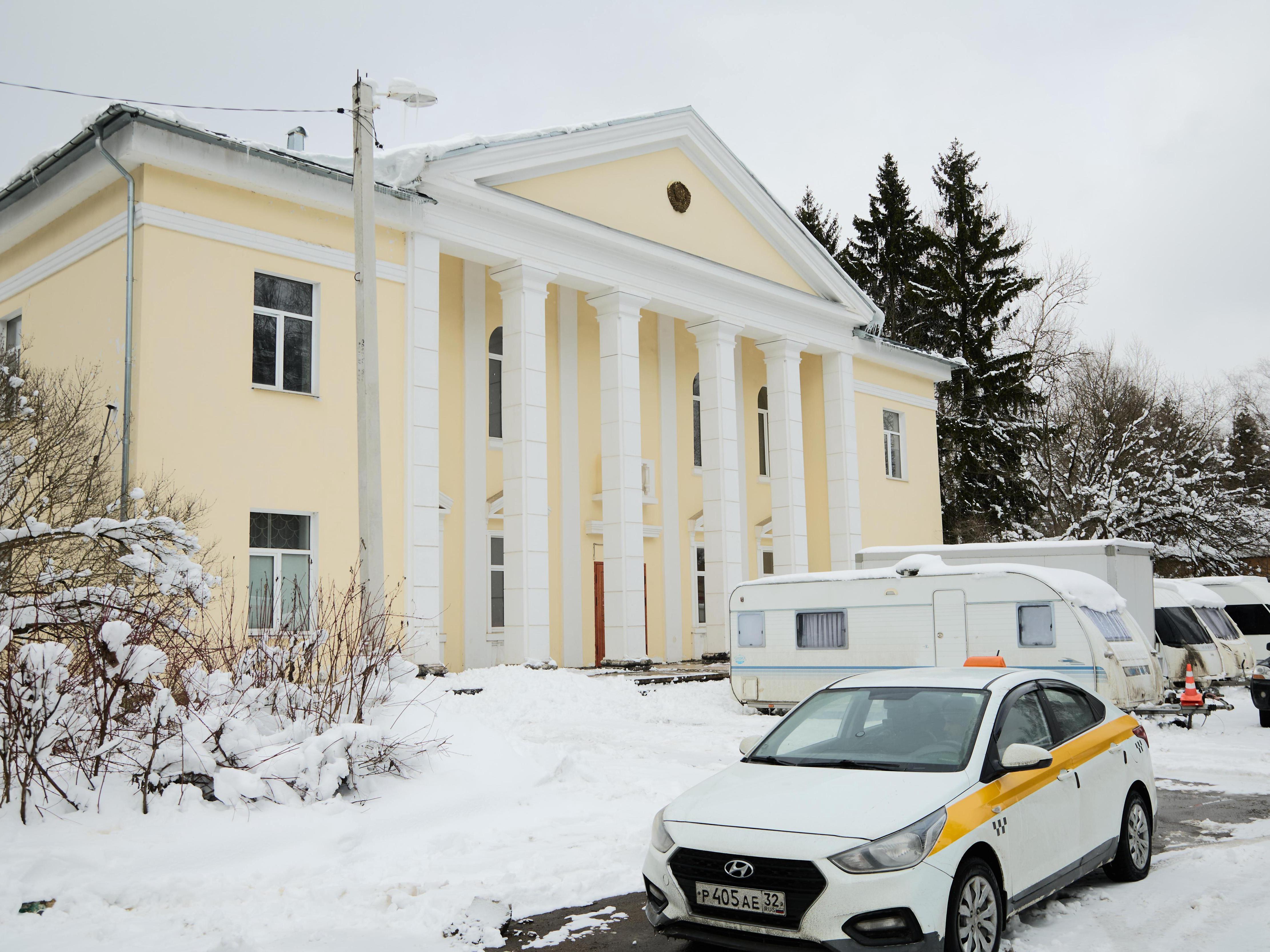
The surviving cultural center.
Irina is an officer«s widow. More than 30 years ago, they moved to the military town by assignment from the command.
“We first served in Pereslavl in the Yaroslavl region,” the woman said. “Then we were thrown here. Everything here was built by the military. Many people came. There was not one military unit here, but four or five. Young officers with their wives settled here. My husband retired as a major. He was a supervisor at a facility in some workshop. He«s been gone for four years now.”
Looking at the abandoned buildings, Irina recalls: once, life was bustling here.

The abandoned building of the local school.
“In this building, there used to be a military store. There was good merchandise there,” the editorial interviewee said. “Next door were a sewing workshop, a grocery store, a shoe repair shop, and a barbershop.”
Now the woman works in the management company that maintains the housing stock preserved after the collapse of the military units. Including the dormitory where a 14-year-old teenager stabbed a 9-year-old migrant to death.
Where Did the Migrants Come From?
Locals admit that they themselves did not notice how the number of foreigners in the town sharply increased.
“Well, why do they come here? Obviously — to work. Some at the fish processing plant, some at the sausage factory, some at the metallurgical plant. Most, of course, commute to Moscow. I can«t say that our housing is cheap or that there are other advantages for newcomers,” local pensioners say. “A quiet place away from the big city. I don»t know why so many of them have appeared here. But you know how it is, especially in warm weather: you walk as if not in Russia, but in an aul (Central Asian village). Only foreign speech.”
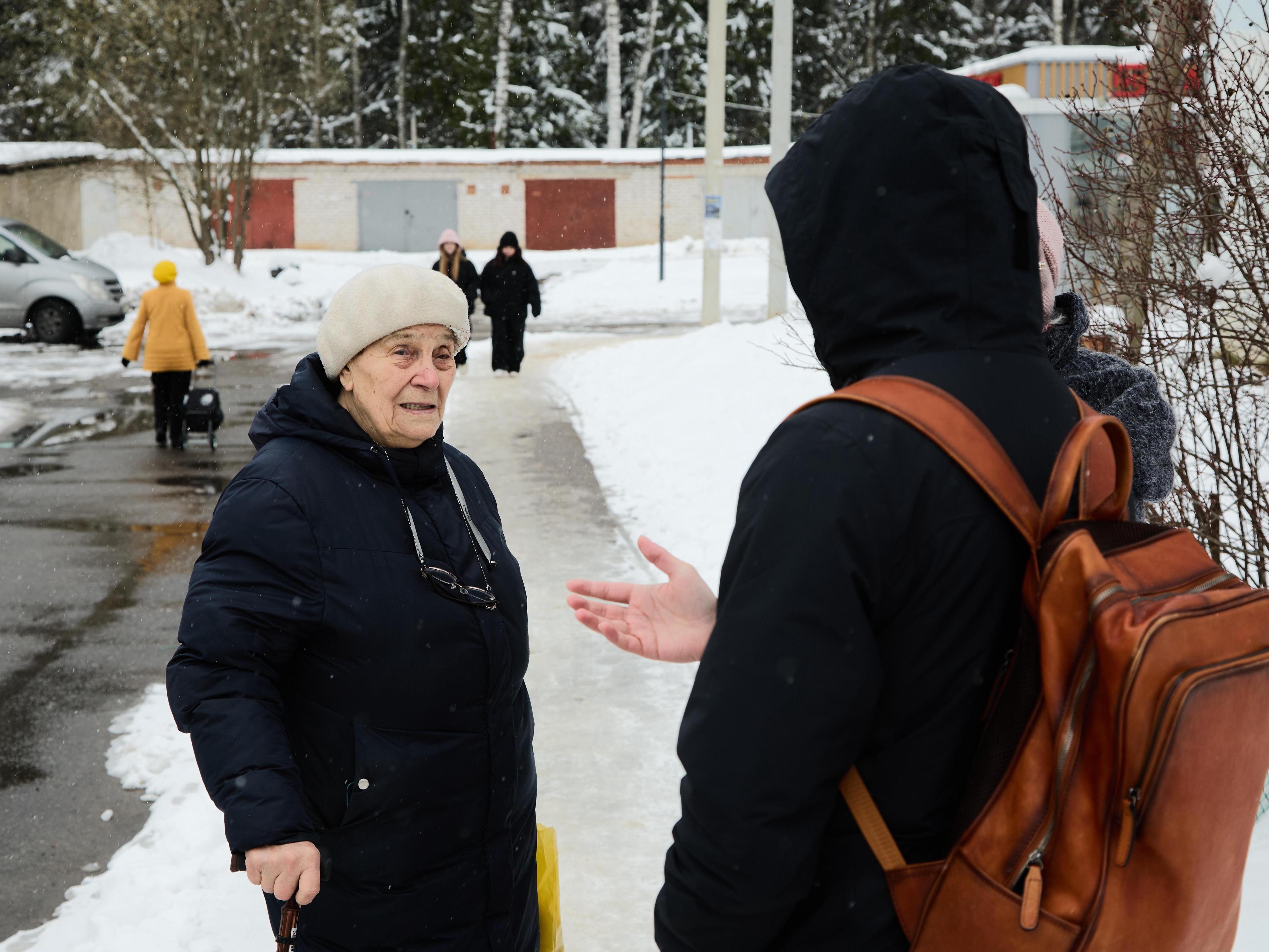
Some pensioners have lived here for decades.
The murder of the minor migrant sparked heated discussions online:
“Children see what«s happening now, there will be more migrants, in schools, kindergartens, and so on. Crime among these specialists is only growing, what should be the attitude of indigenous residents towards them? Children take example. Lately, all we hear is that they»re already bringing knives to school. Who do children take example from? From adults, of course.”
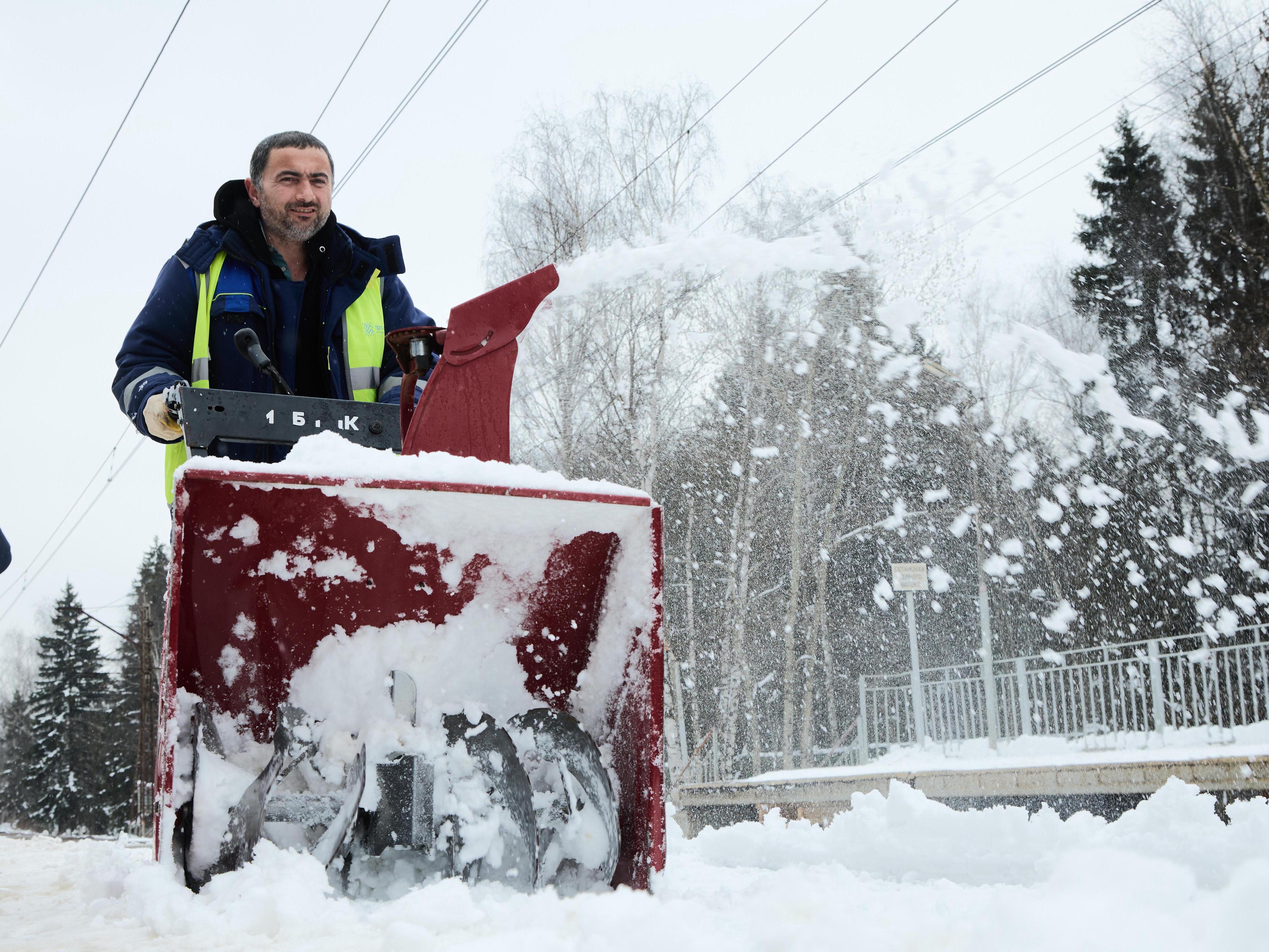
According to locals, migrants work either in utilities or at industrial enterprises.
“In the Trudovaya neighborhood, the sports complex, school are in ruins, the cultural center is closed. In the former military dormitories, which are scary to approach, people still live. I have repeatedly written about this neighborhood when the administration of the Dmitrovsky Municipal District decided to allocate 100 million rubles (about $1.1 million at current rates) to a swampy forest. Now roads have been cut there and soon barbecues will be set up. It«s not hard to understand in which direction the situation will change. Someone will say that sports and cultural leisure cannot prevent murders. But it»s strange when officials don«t notice the dilapidated hockey rink and direct unprecedented funds to cutting down the forest. A terrible tragedy has occurred. People, fight for normal education, decent leisure and sports facilities! These are not empty words.”
“Because there«s no reason, when coming to earn money, to bring your family! You came, worked — and go home! And the children are waiting at home. I don»t justify the guy, but I would like to know the root cause, why he stabbed him. Little migrants are not particularly distinguished by upbringing, their behavior is disgusting, they often provoke others.”
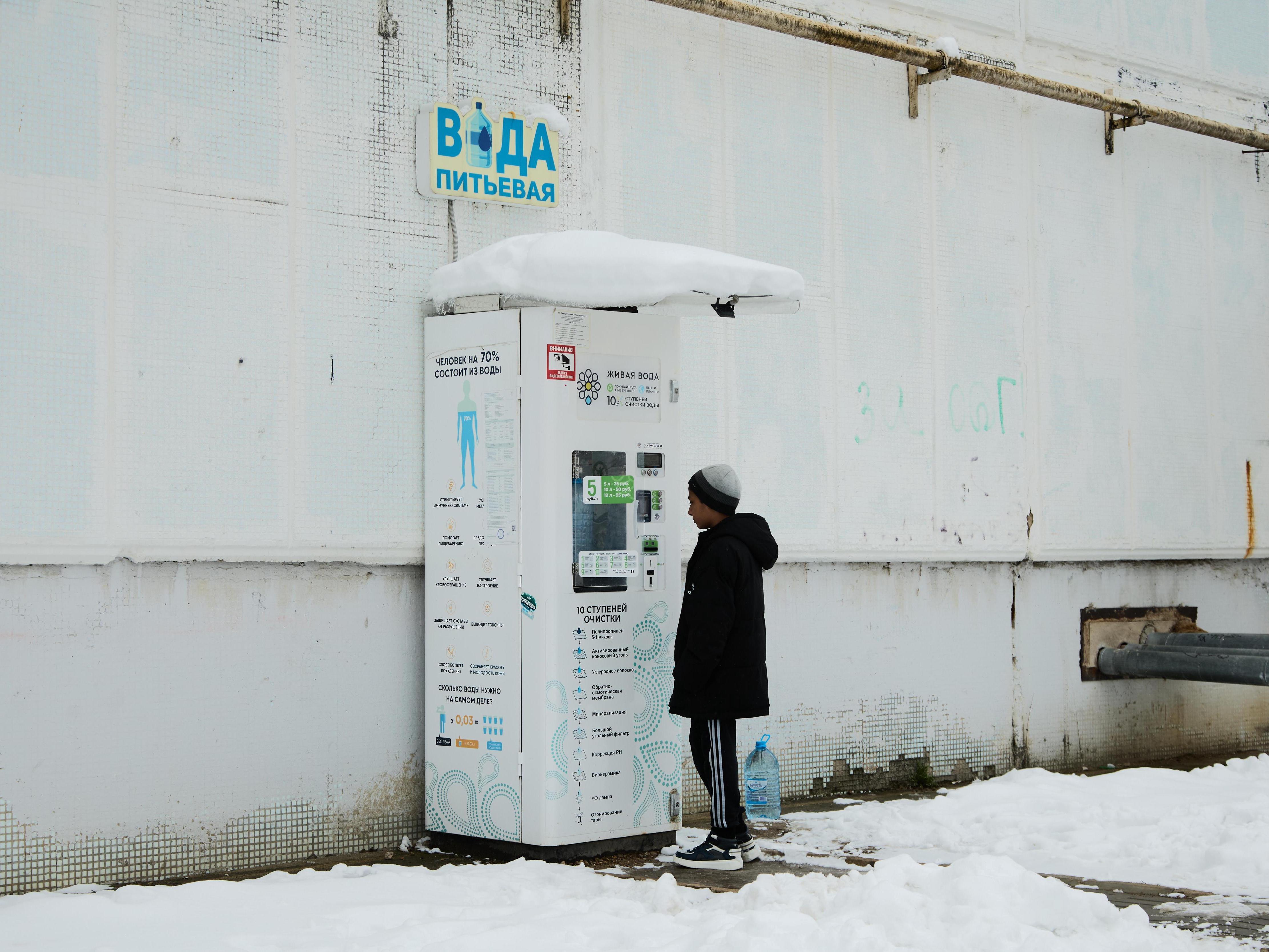
For the most part, life in the neighborhood is quiet.
The brutal murder of a boy over his nationality was the second incident involving migrants in a month and a half. Earlier, not far from Trudovaya — in the neighboring settlement of Yermolino — a 26-year-old foreigner in an inadequate state caused a disturbance in a grocery store. Police were called there. When they tried to take the man to the station, 27 friends immediately stood up for him. One of them began hitting a police officer.
As a result, the attacker was detained and a criminal case was initiated against him. And local residents received another reason for outrage towards the hostel where a large number of migrants live. It was its residents who stood up for the detained foreigner.