Red-listed black grouse reappears in Saratov reserve
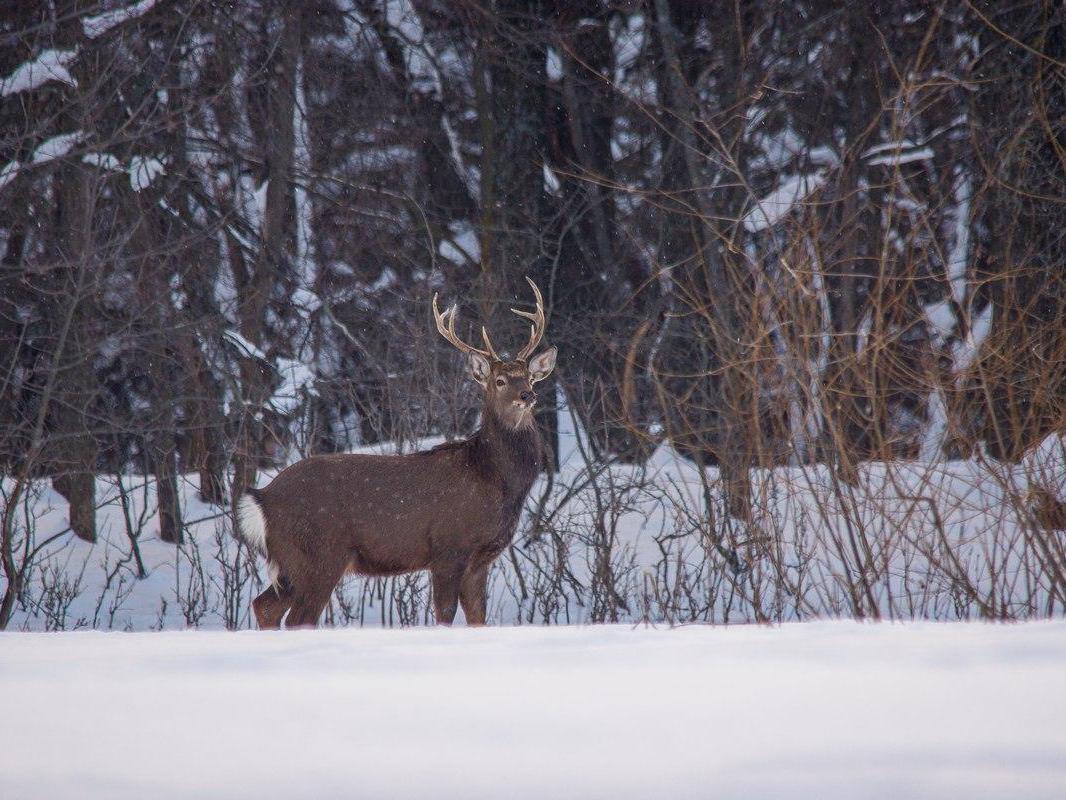

In the Tsentralny zoological reserve, located in the Marksovsky, Engelssky, and Voskresensky districts of the Saratov region, monitoring has recorded significant growth in populations of both main game species and rare animals listed in the Red Book.
As told by the regional minister and chairman of the hunting and fishing committee Alexander Gavrilov, the situation in the reserve has changed dramatically in recent years.
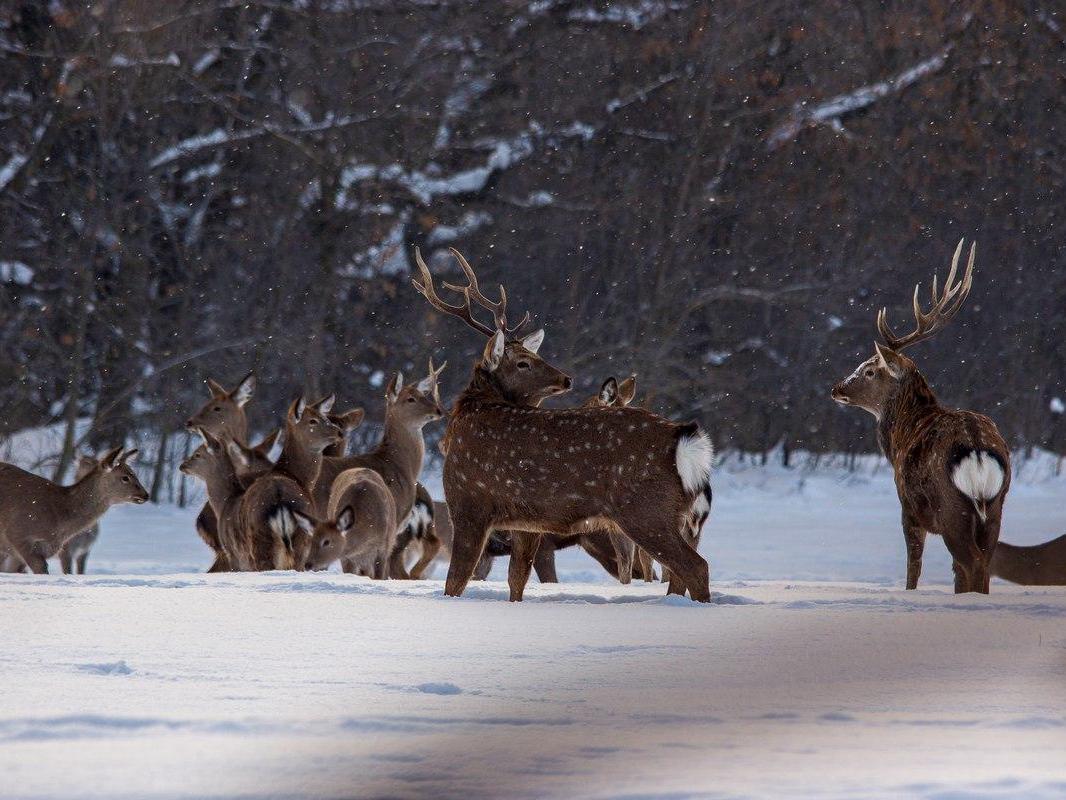
«Starting from 2022, there were no moose in this area, practically no deer or hare, and there were about one and a half hundred roe deer. Now the picture is changing: moose have appeared—there are already about two dozen, roe deer have multiplied, there are about two hundred sika deer, and hare can be seen more often,» noted Gavrilov.
The return of rare species has attracted special attention from specialists. In the reserve, great bustard, red deer, and lynx have been spotted. However, the most significant event was the appearance of the red-listed black grouse.
«For the first time at the end of 2025, a black grouse was spotted, and not just one or two individuals—now the bird has clearly chosen the reserve as a permanent habitat. According to preliminary estimates, more than 50 individuals already live here,» reported the minister.
He emphasized that, according to long-term observations, the black grouse had not been seen in these areas for about 10 years, and across the entire region since 2015, a sharp decline in its numbers was recorded. Now, according to Gavrilov, a gradual recovery of the population is underway.
The successful trend is attributed to enhanced protection of the 35,000-hectare territory and systematic biotechnical work. As explained by the reserve director Alexander Karnyushin, 22 sites have been equipped for feeding animals, where 80 tons of grain are laid out annually. Also, 2.5 tons of salt are used for salt licks and 25 special devices for laying out hay.
«Right now, feed is being actively laid out for animals. This is because in winter, the natural food base is more scarce. It is especially difficult for animals to find food during snowy winters, like this year,» added Karnyushin.