Omsk Police Dogs Train to Find Drugs, Explosives, and Missing People
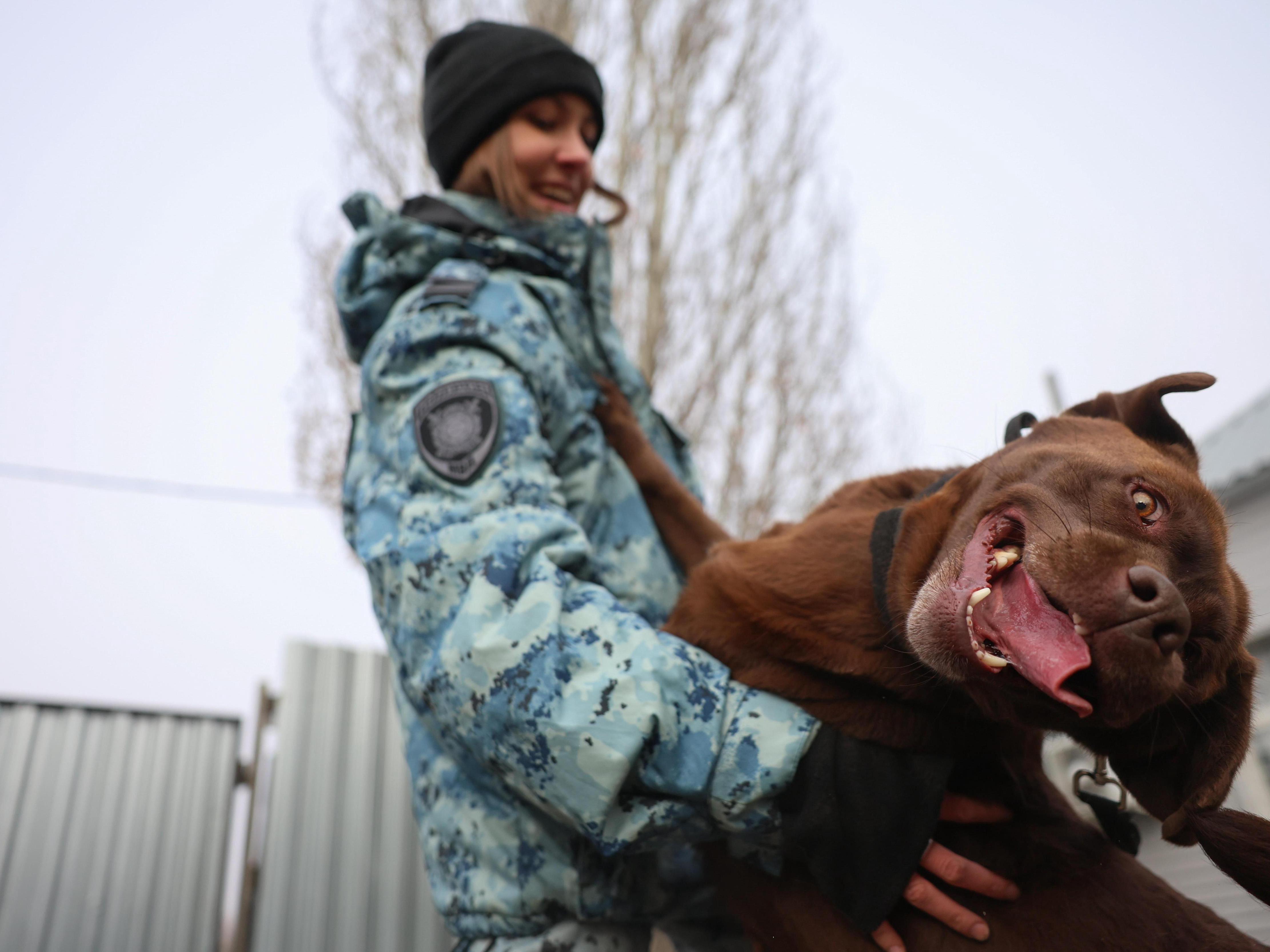

In Omsk, dozens of police dogs go on duty daily, searching for drugs, explosives, finding missing people, and helping to solve crimes.
NGS55.RU correspondent Yekaterina Shrayner spent a day at the kennel center and learned how four-legged police officers are selected, trained, and retired, as well as the challenges and joys they face in service.
“It’s Tough in Siberia”
One of the kennels where Omsk’s service dogs are kept is located on 4th Electrovoznaya Street. The training field is also there. Each handler works with their charges daily to ensure the dogs don’t lose their skills. Often, officers take the four-legged ones home for care because they become attached to them.
Before starting work in the police, the animals undergo rigorous selection. Most often, they are purchased from professional kennels, but in Omsk Oblast, there is also their own breeding program.
“We have a list of recommended breeds. We try to choose dogs that will work well in our climate. It’s tough in Siberia. Mostly in the kennel, there are German and Belgian Shepherds, Labradors,” explains senior inspector-handler Petr Yakimovich.
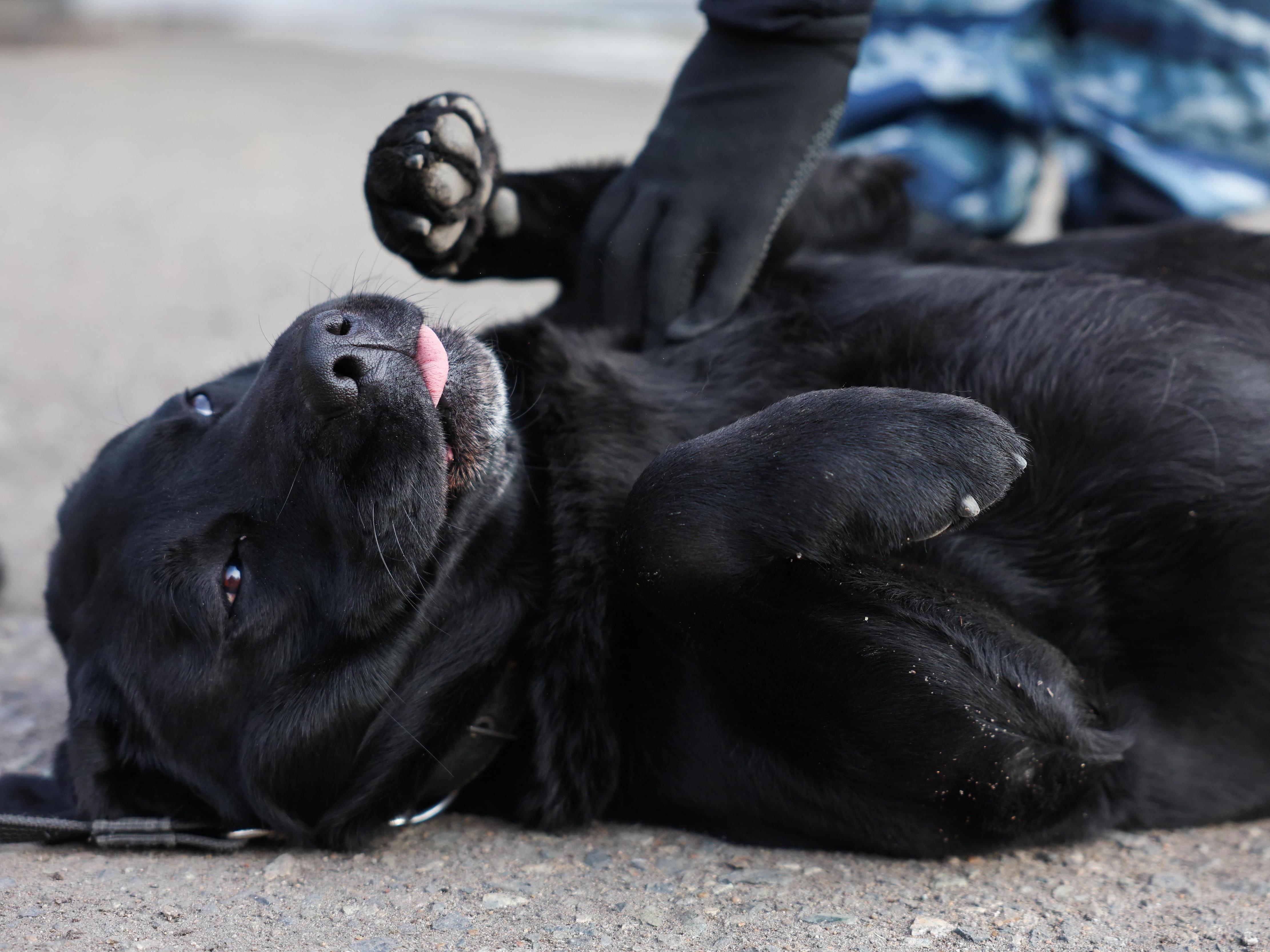
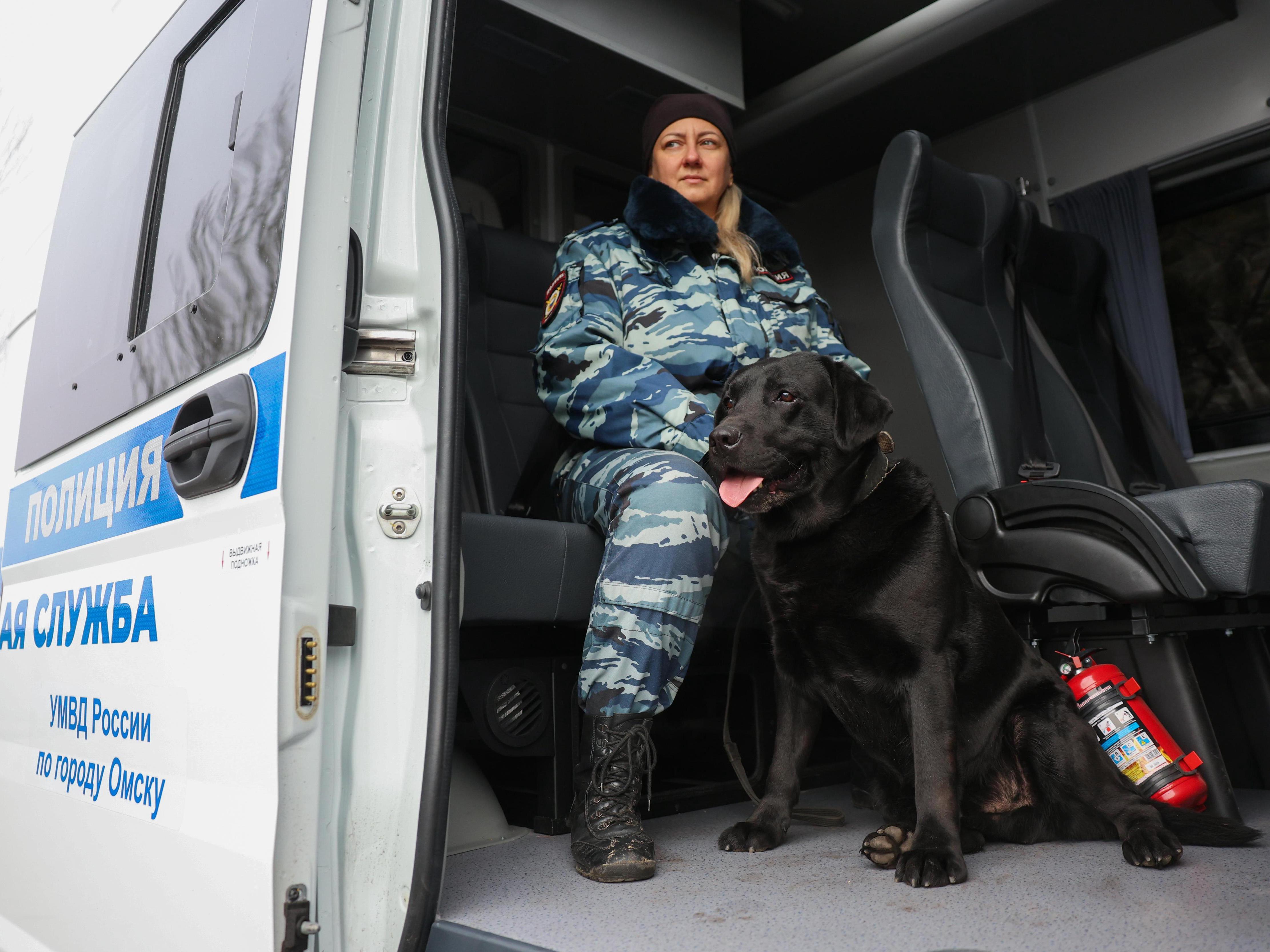
In the first year of life, puppies are taught basic commands: “heel,” “sit,” “come,” and so on. Then professional training begins in one of three profiles. The animal learns to search for drugs, explosives, or people. They are only allowed on missions after passing tests.
“Dogs arrive on average at 45 days old. We immediately try to assign a handler who will start working with them. Testing occurs at 45 days, six months, one year. Then we begin professional training. For some, it takes a bit more time, for others a bit less. Training a dog to search for narcotics or explosive devices takes about six months, while the general search profile takes up to a year.”
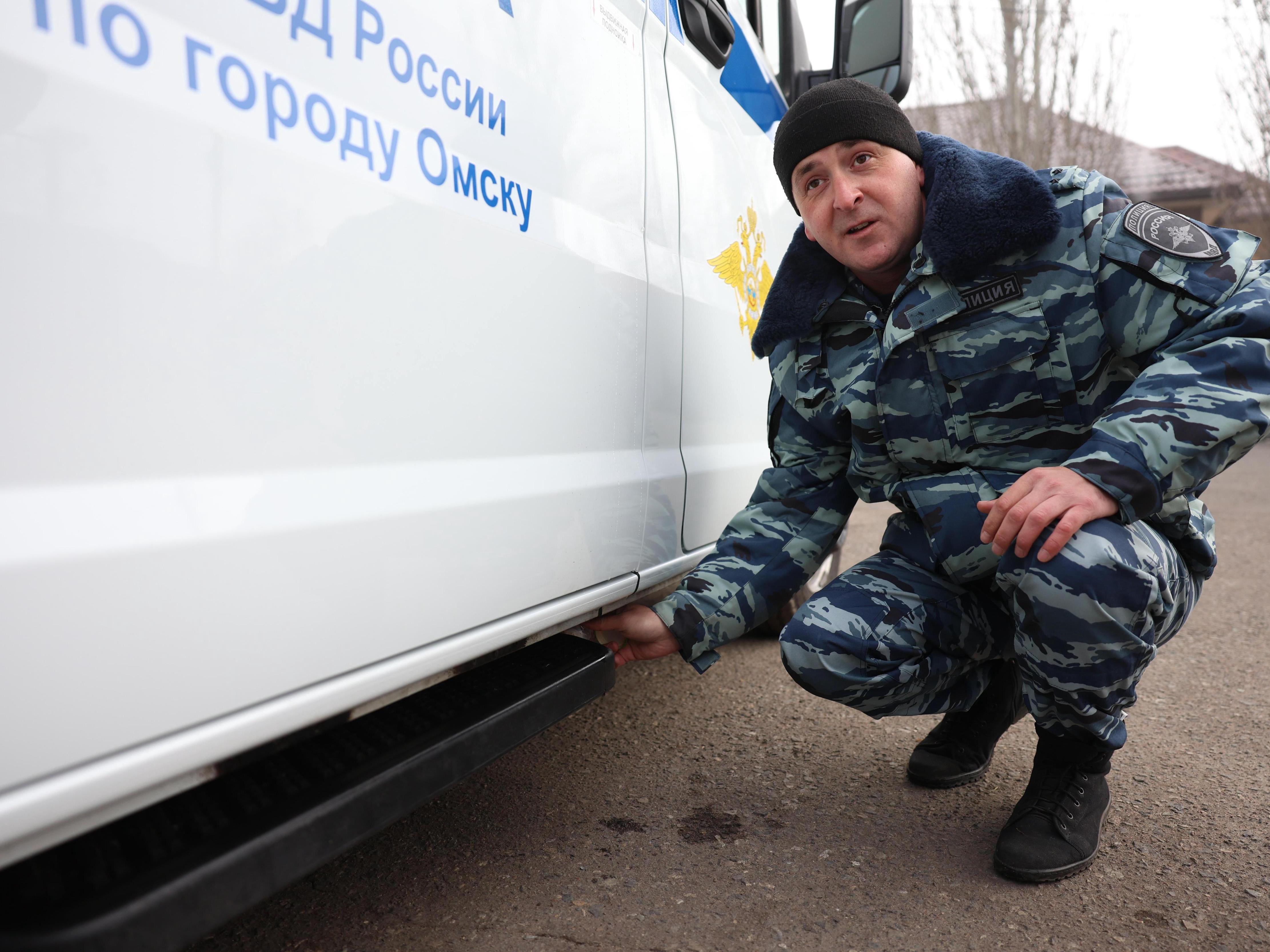
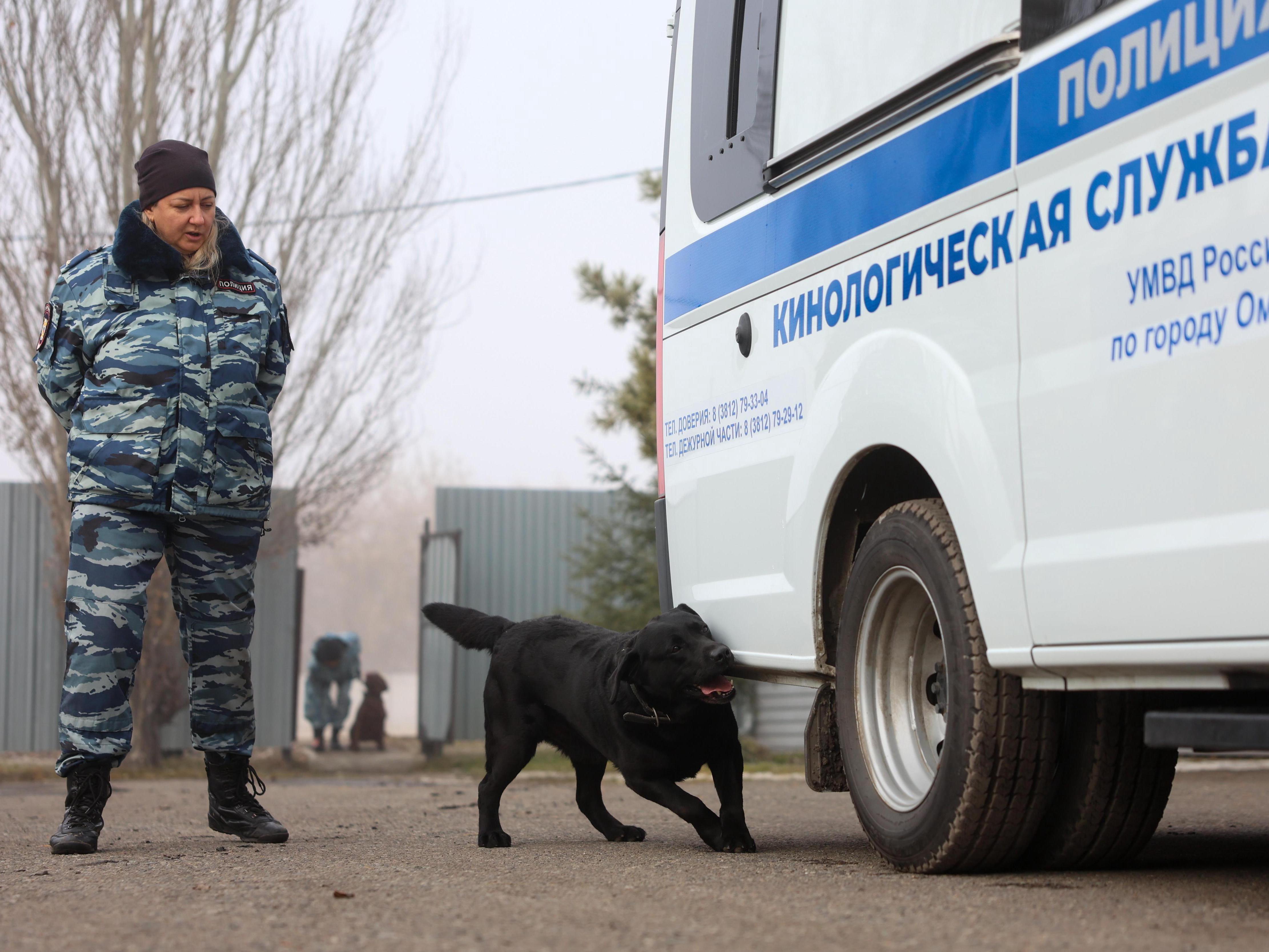
“The Dog Looks at the Handler as a Parent”
The animals are assigned to a specific specialist with whom they work throughout their service. As Petr Yakimovich says, they try to match dogs to the person’s character, otherwise it will be difficult for them to interact.
“Only the handler can go on missions with their dog. No one else. It’s a bond. Look, the dog looks at the handler as a parent. There’s nothing you can do about it. It’s easier to work this way, the dogs are relaxed with their partner. They need to match in temperament: a cheerful handler — a cheerful dog.”
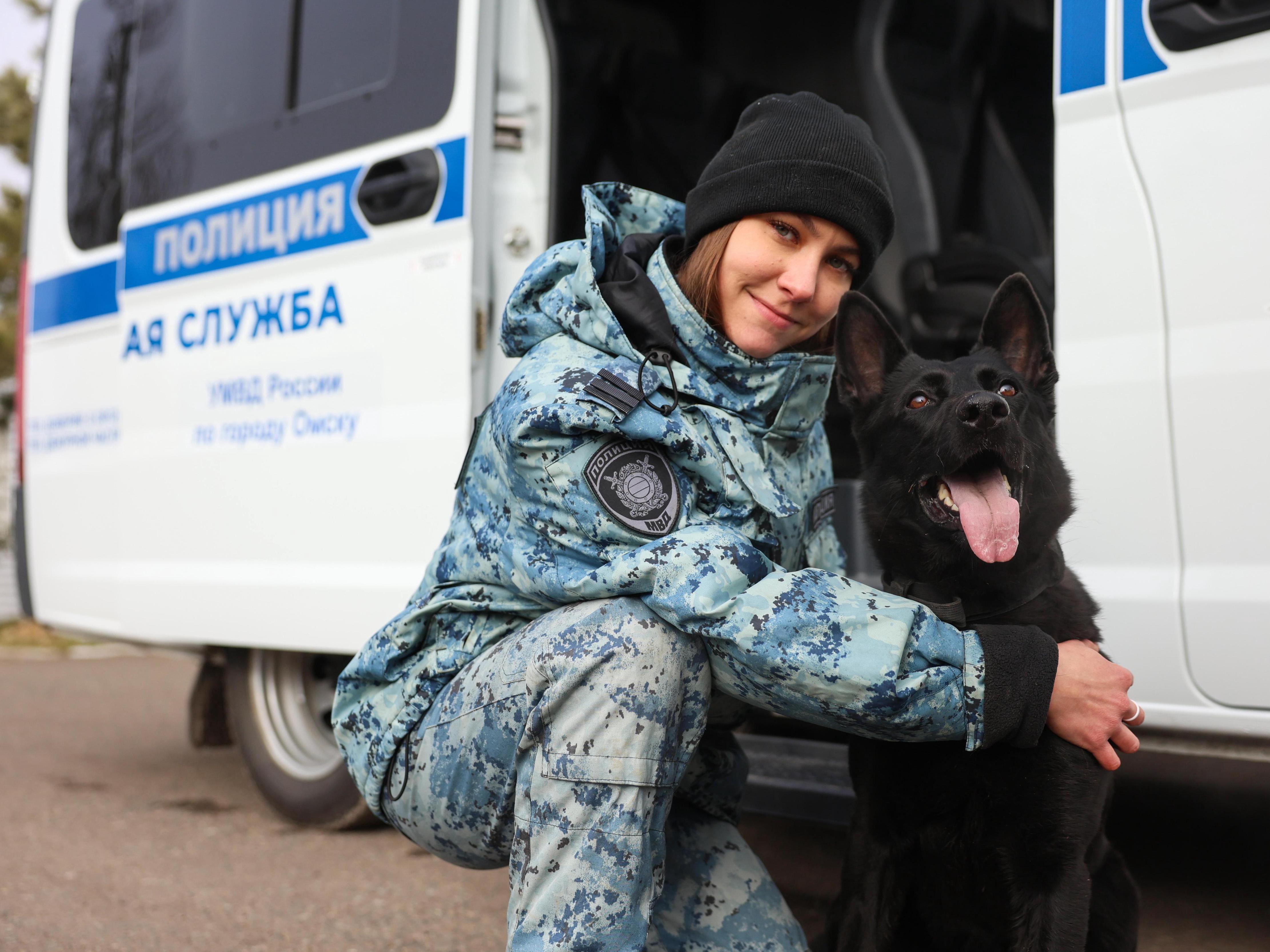
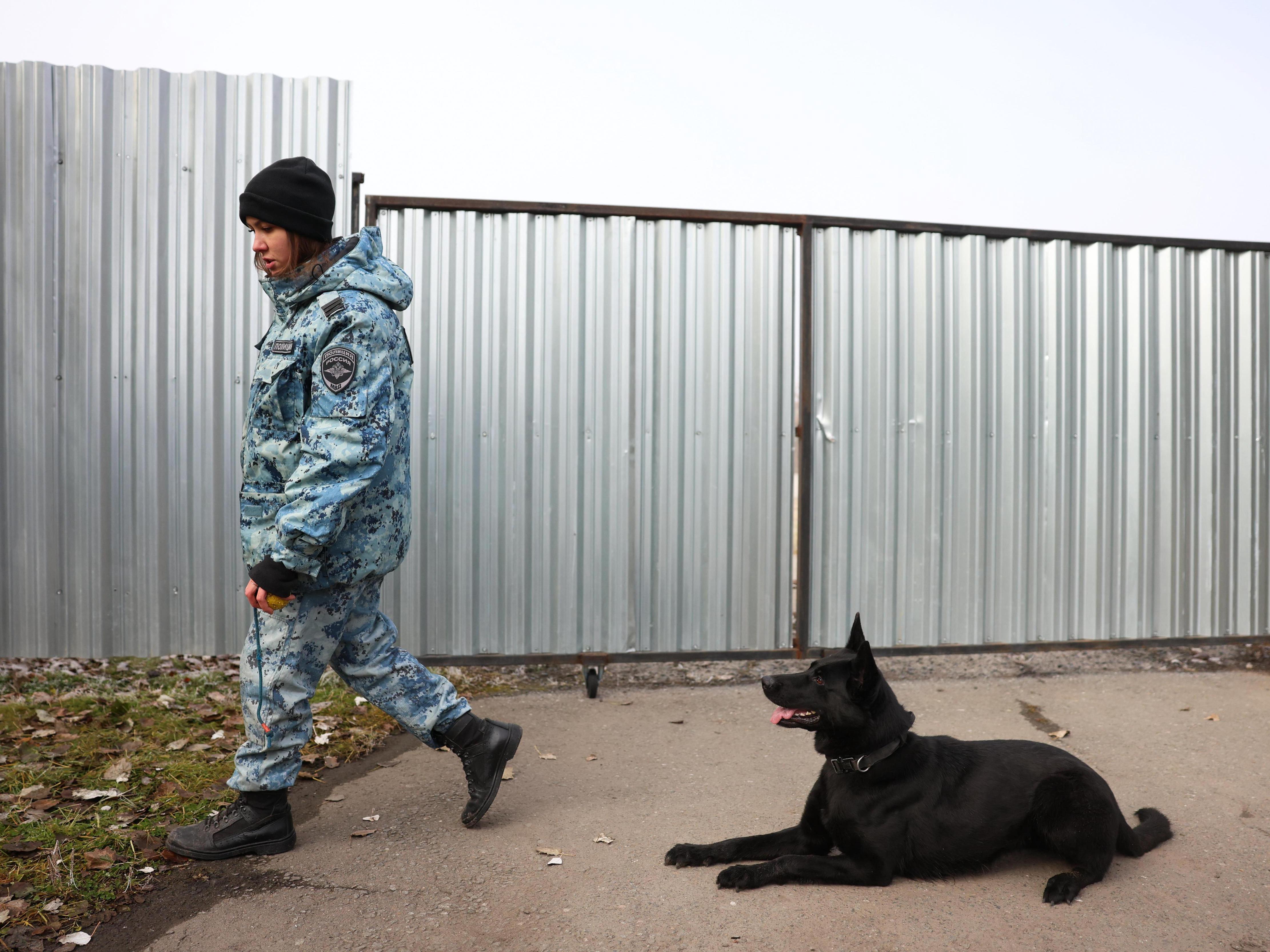
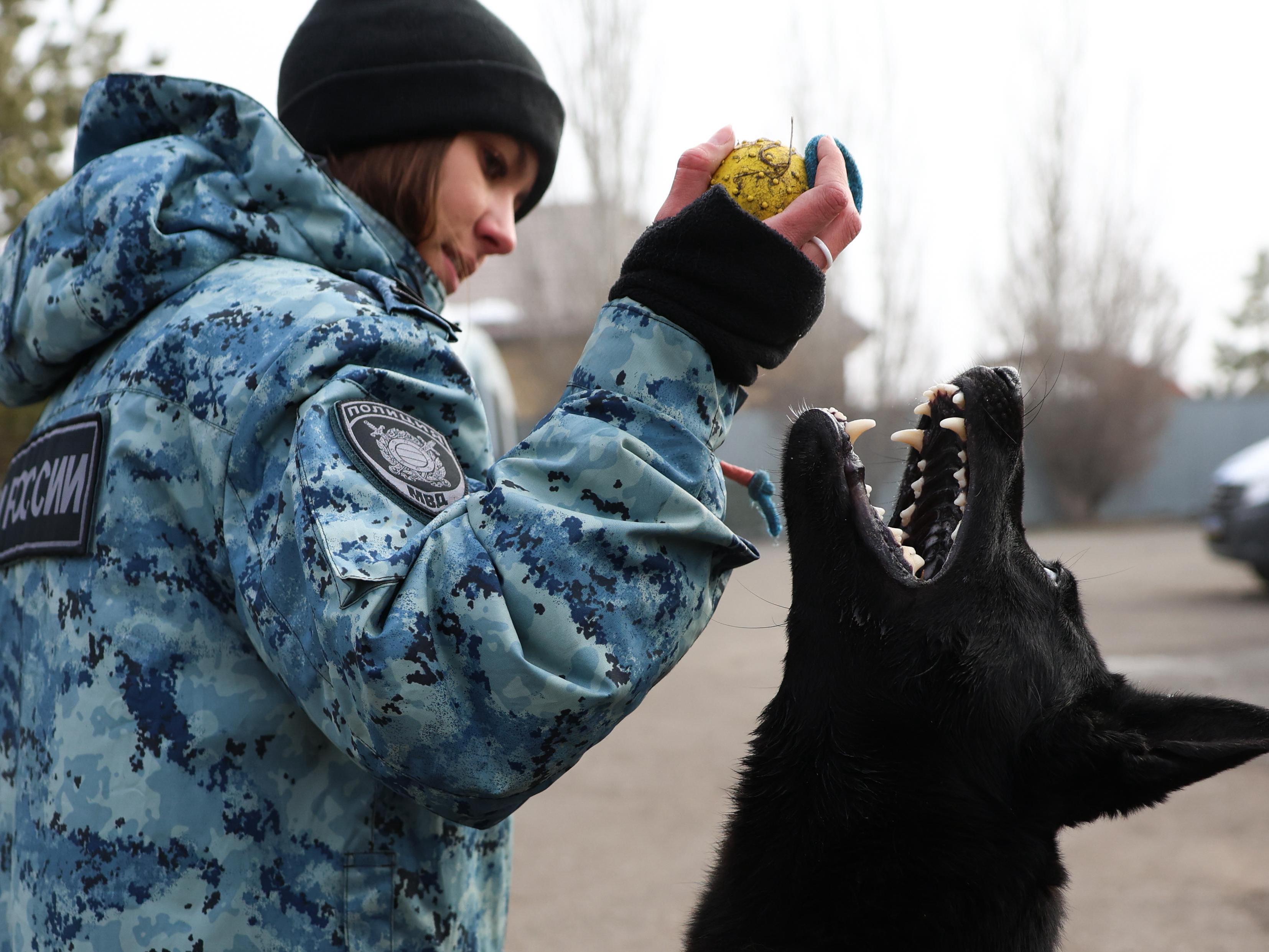
The relationship between the Ministry of Internal Affairs (MVD) employee and their charges is truly special. 21-year-old Polina Nepomnyashchikh has been working in the kennel service for a year: she dreamed of it since childhood. One of her dogs is the German Shepherd Starke Und Kraft Mamba. The girl affectionately calls her Maseya or Mambuseya. And she looks lovingly into her owner’s eyes, wags her tail happily, and eagerly follows commands.
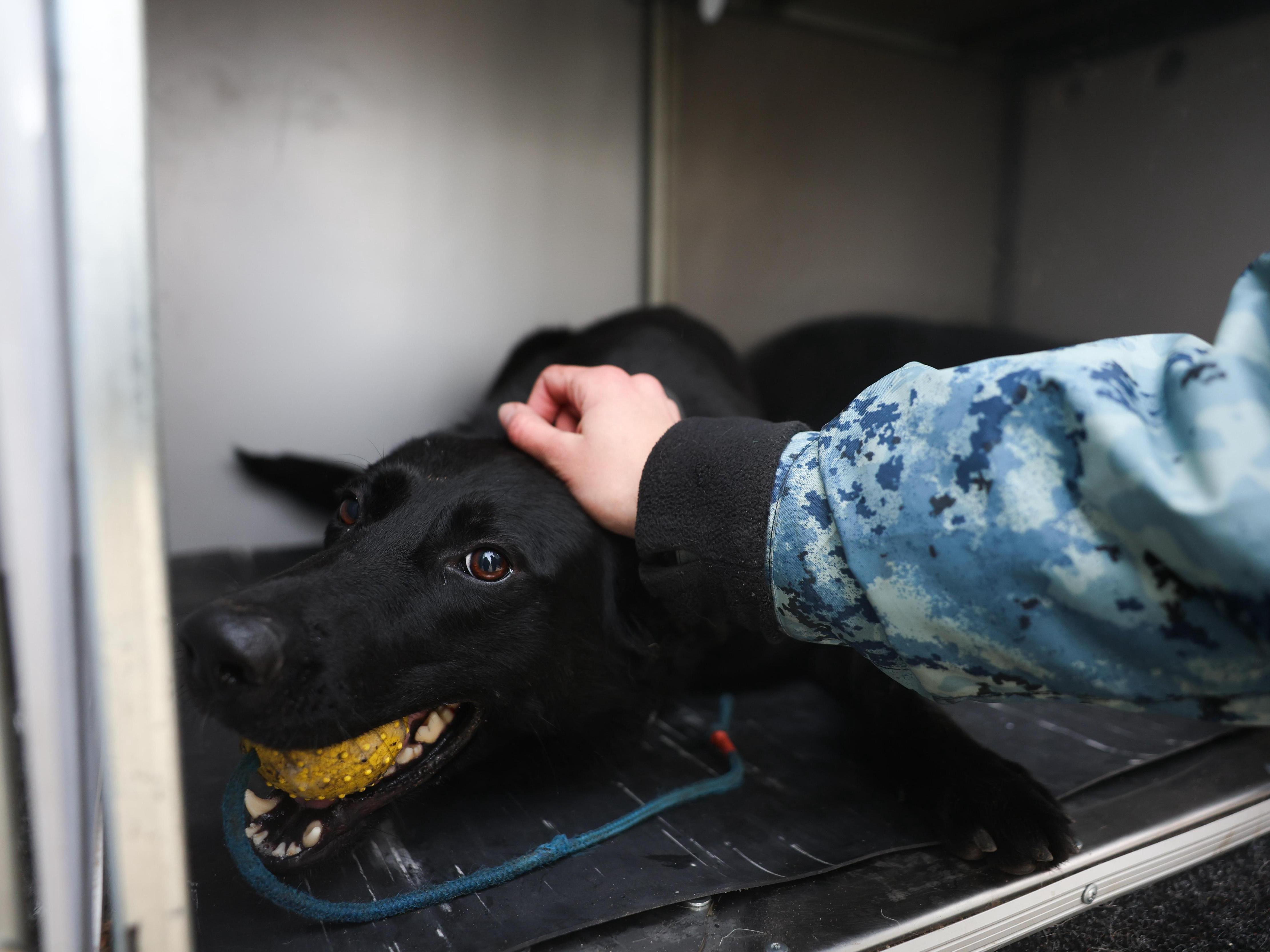
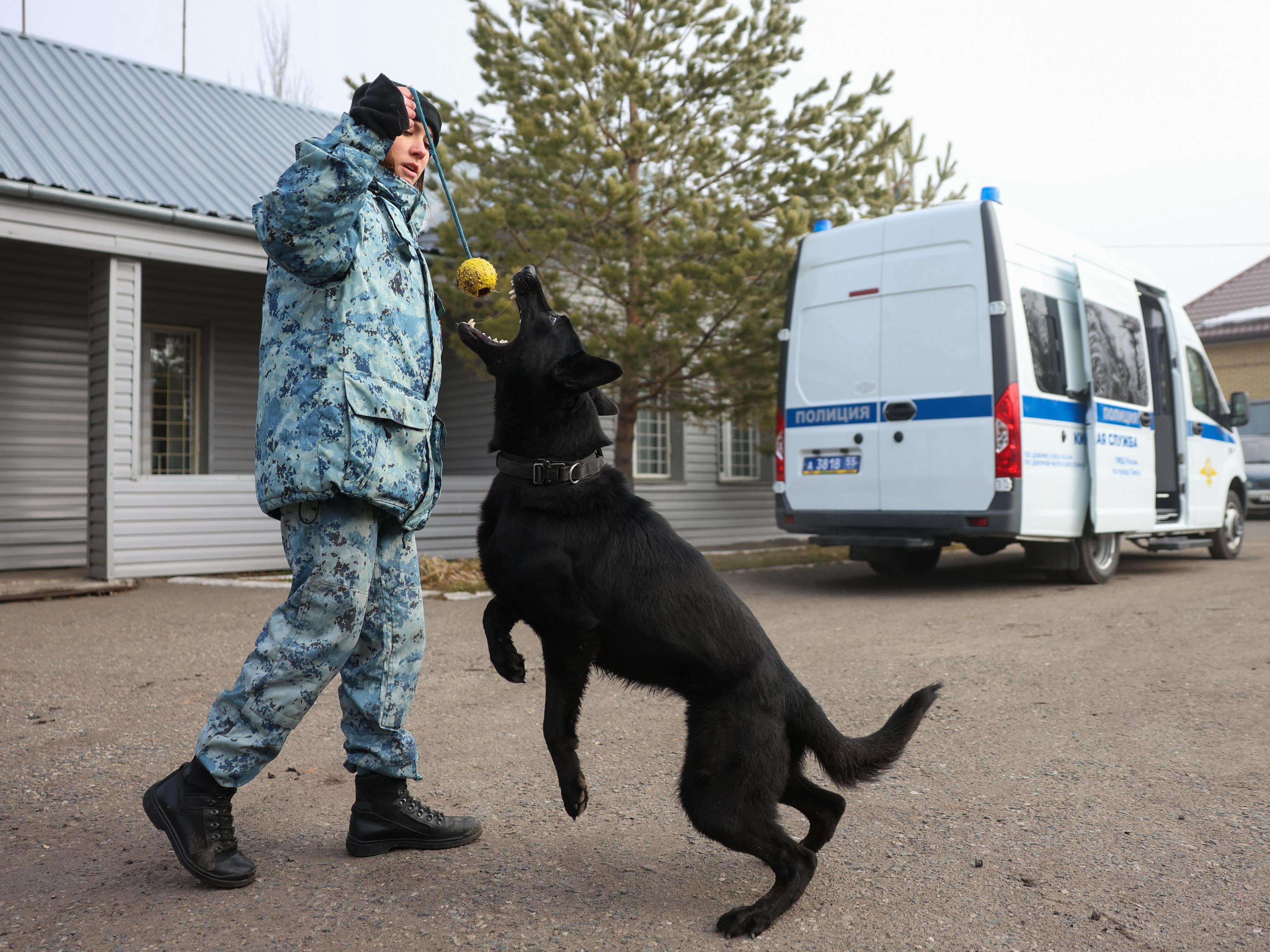

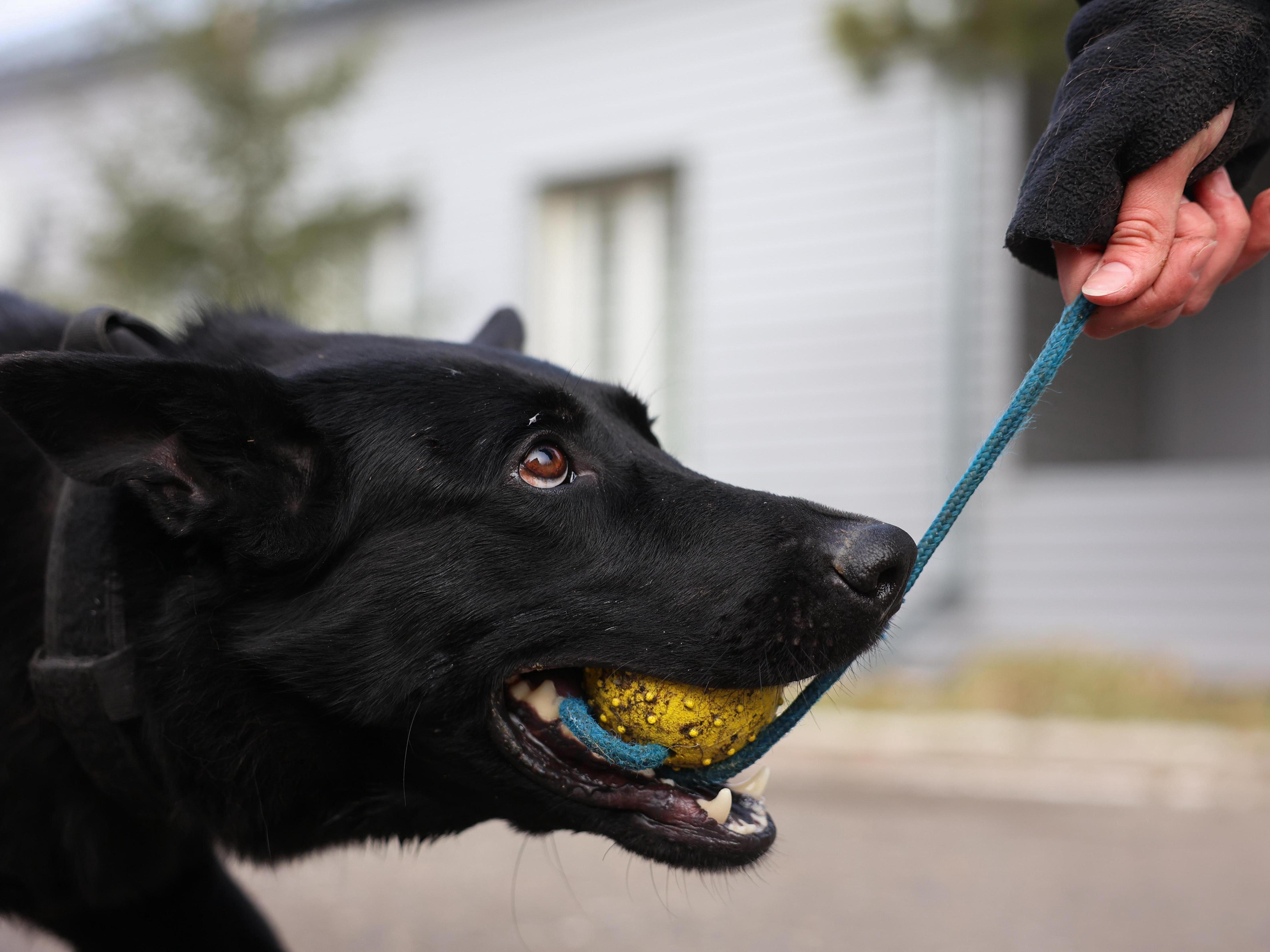
The dog specializes in searching for drugs and is often on searches, but despite the serious work, she perceives everything as a game. She finds new places interesting.
“I had a dream to become a handler. I got a dog as a child and from about age 13, I studied, took courses. After school, I joined the MVD. Mamba is impatient, she’s interested in everything. Children love to approach us. If there’s a child in the apartment, they will always ask to pet her. It’s a good experience for the dog. She understands that children — are not scary,” shares Polina.
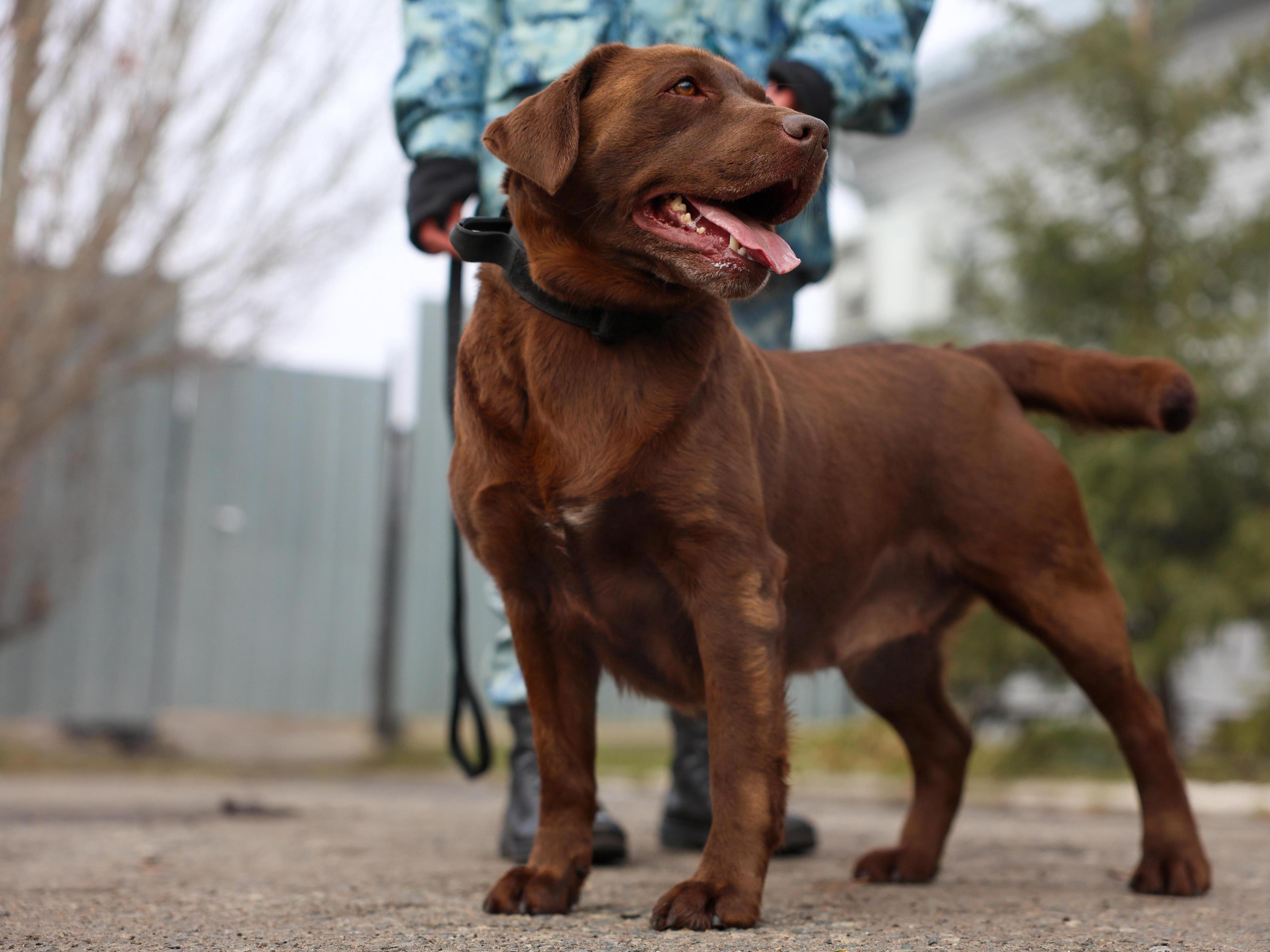
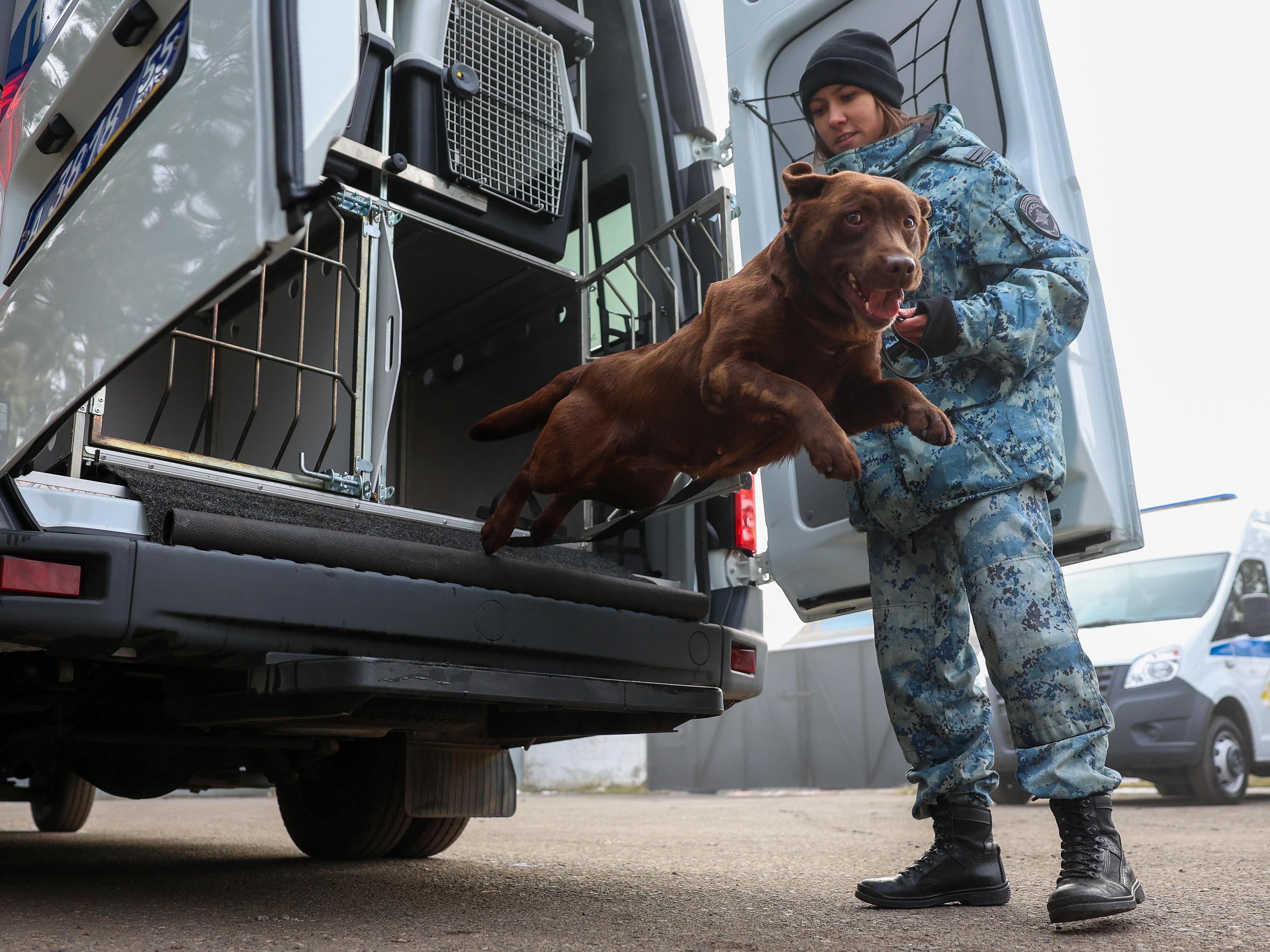
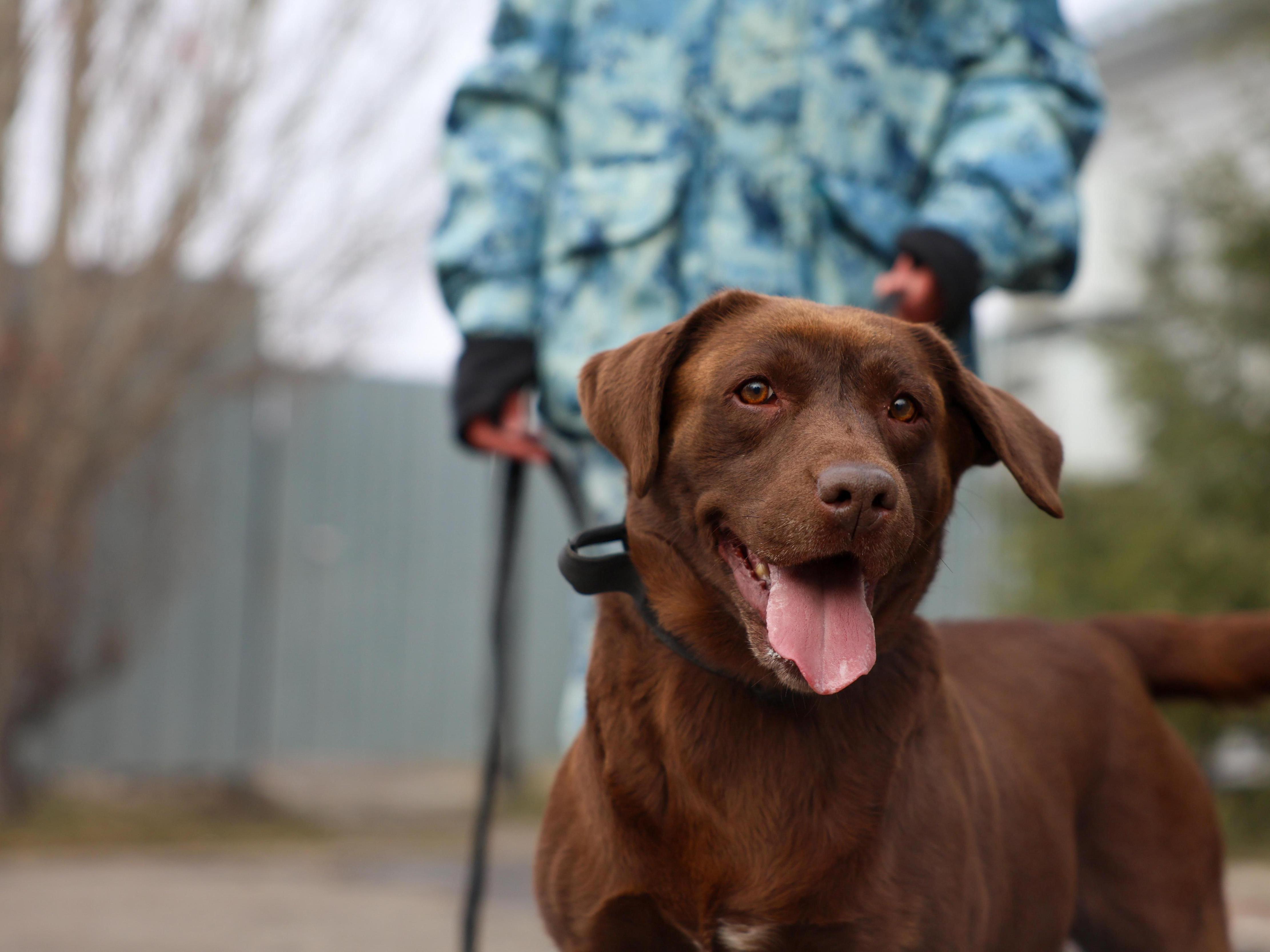
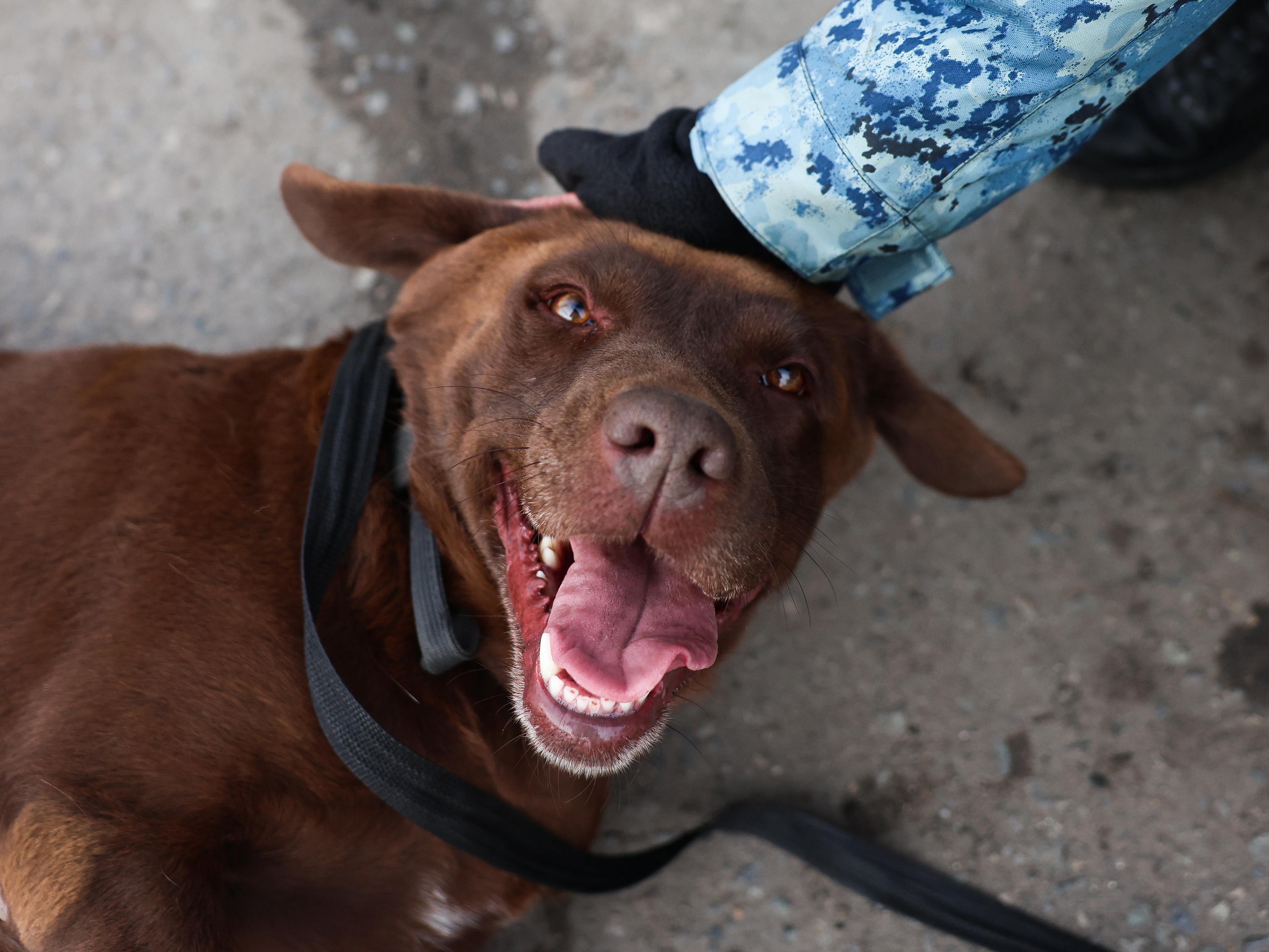
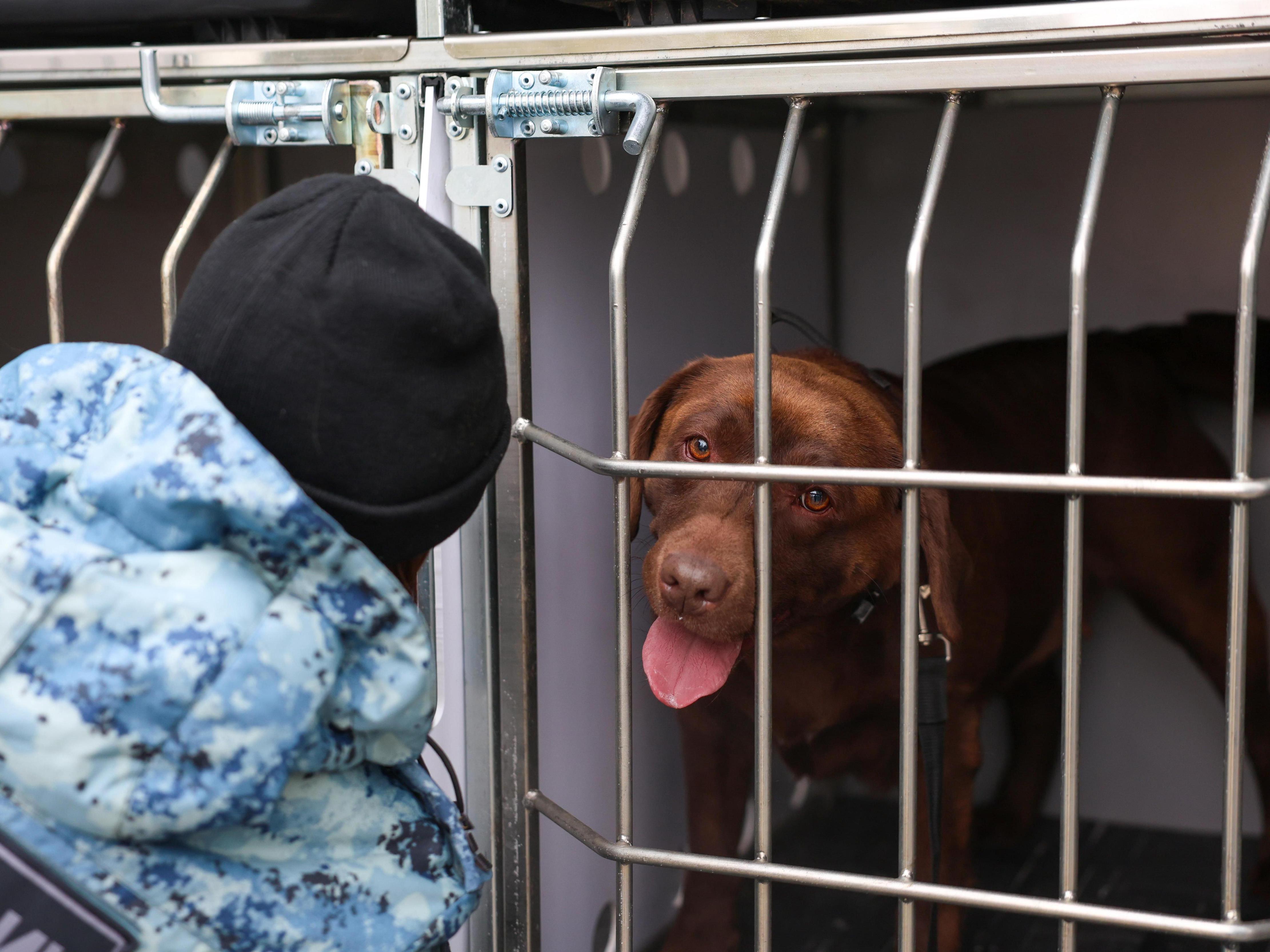
The girl’s second charge is a Labrador named Lenora. She is six years old, but due to her small size, many think she is still a puppy. By temperament, the dog is very active and sociable. You look at this cute face and can’t imagine that she has helped search for prohibited substances more than once.
“Searches and Bomb Threat Reports Are Common”
There is a lot of work for handlers. Dogs are used not only to search for evidence or criminals but also to check venues before mass events. On duty every day are handlers of different profiles. When a call comes in from colleagues in other law enforcement units, they load the dogs into a special vehicle and go to the site.
“In a city of millions, something is always happening. Searches, bomb threat reports are also common. False ones, fortunately. But we don’t only respond to crimes. We have a handler for explosives who checks venues before every event. We come to every hockey game, on September 1 – the start of the school year – to all school assemblies. Only after inspection can people be allowed in. We need to make sure there are no surprises.”
Sometimes handlers have business trips to other regions. They are invited to large festivals and forums where they need to check vast territories.
“In Omsk, thank God, everything is calm. In other regions, there are incidents. Our handlers even go to the Caucasus, they also participate in searches, sometimes they find caches with weapons that remained from the Chechen campaign. I went to Vladivostok for an economic forum. I have a dog for explosives. We checked the territory.”
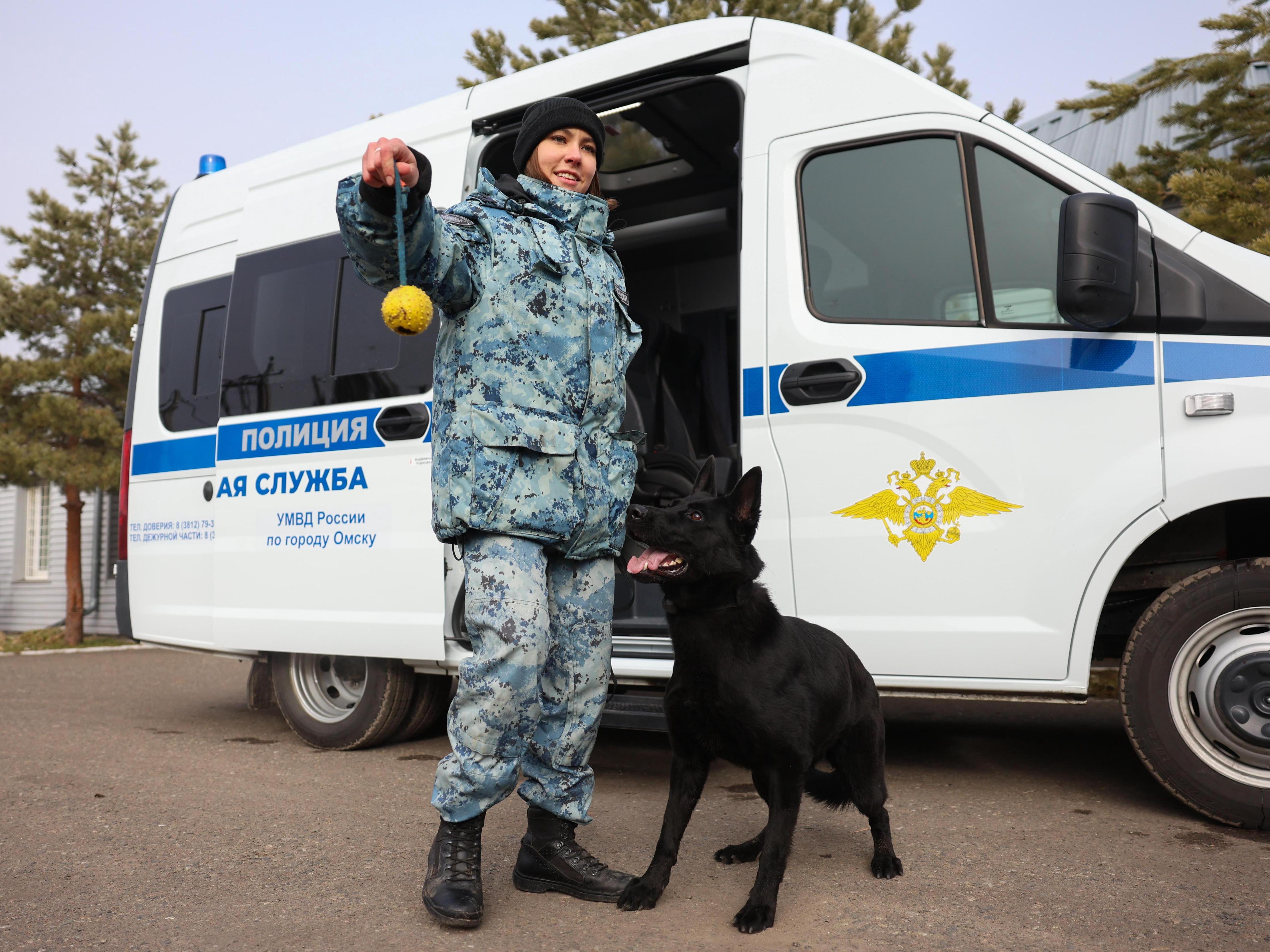
Petr Yakimovich recalled another case from practice: a dog helped find an important piece of evidence — a bullet cartridge.
“We had a criminal. He shot a teenager, entered a building, and threw the cartridge somewhere in a cluttered garage. This cartridge is tiny. No matter how much we searched for it, we couldn’t find it. We let the dog in — in five minutes, it was done.”
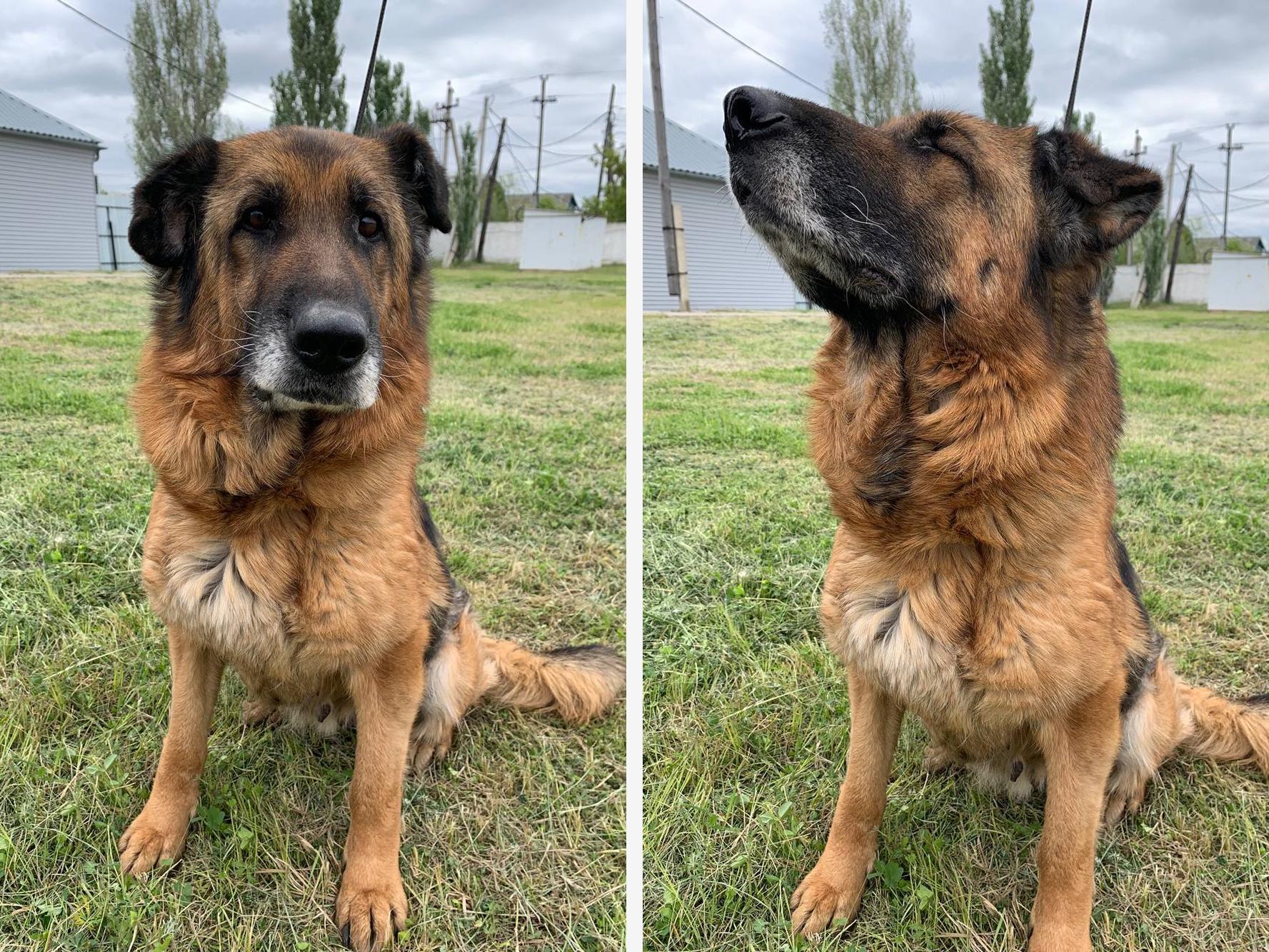
Animals are retired at around 8 years old. In most cases, the handler keeps the dog and cares for it as a pet. But if that’s not possible, the four-legged ones have to find new owners among Omsk residents. Sometimes this takes a long time. With age, animals often develop health problems. Not everyone is ready to care for such a pet.
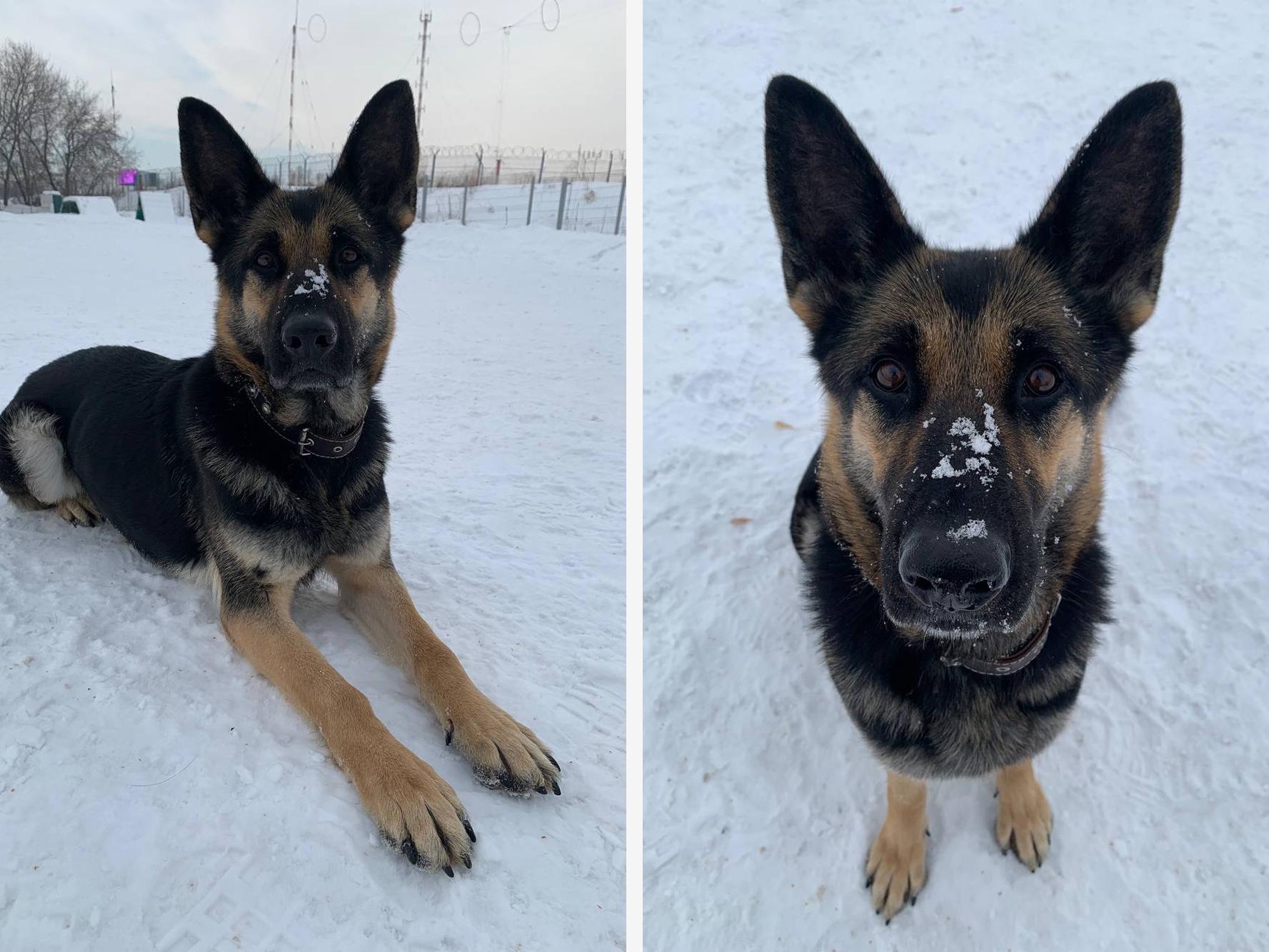
Currently, there are two retired dogs in the kennel: Orleta and Vesta. A new home has not been found for them yet.