Capybara Trainer Shares Truth: No Oranges, Feel Like Brushes
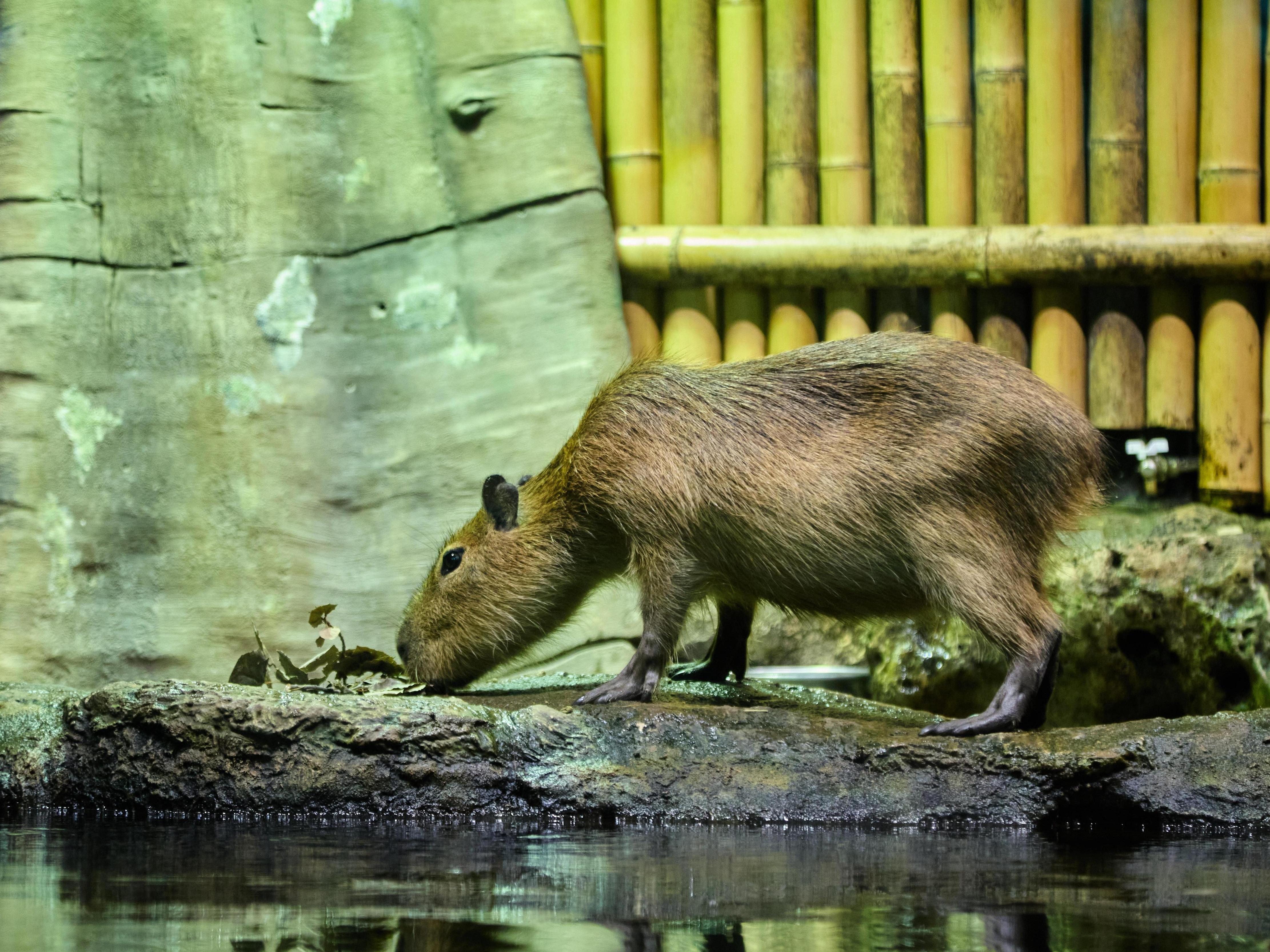

A trainer at Moskvarium reveals the truth about the internet«s favorite animals.
In the spacious enclosure of Moskvarium, where the air is heated to tropical warmth and smells of fresh hay, three little animals stroll leisurely. They look like peaceful giant guinea pigs. These are capybaras named Persik, Karamelka, and Iskra. And next to them is trainer Alisa. She knows everything about her charges: from their favorite scratch to the peculiarities of their memory.
MSK1.RU spoke with Alisa about the daily life of an unusual profession — we«ll try to dispel several myths about the famous internet stars.
A trainer explains capybara behaviors and dispels common misconceptions.
Why train capybaras at all? Spoiler: not to fetch slippers
Why train such seemingly phlegmatic animals? Couldn«t more »capable« ones be found? It turns out that training is primarily about caring for their well-being.
«All mammals with us necessarily learn something,» explains Alisa. «The most important thing is voluntary medical interaction.»
Capybaras learn to open their mouths for dental check-ups on command, lie calmly for ultrasound, and allow their claws to be trimmed. This spares them stress and allows veterinarians to easily monitor their health.
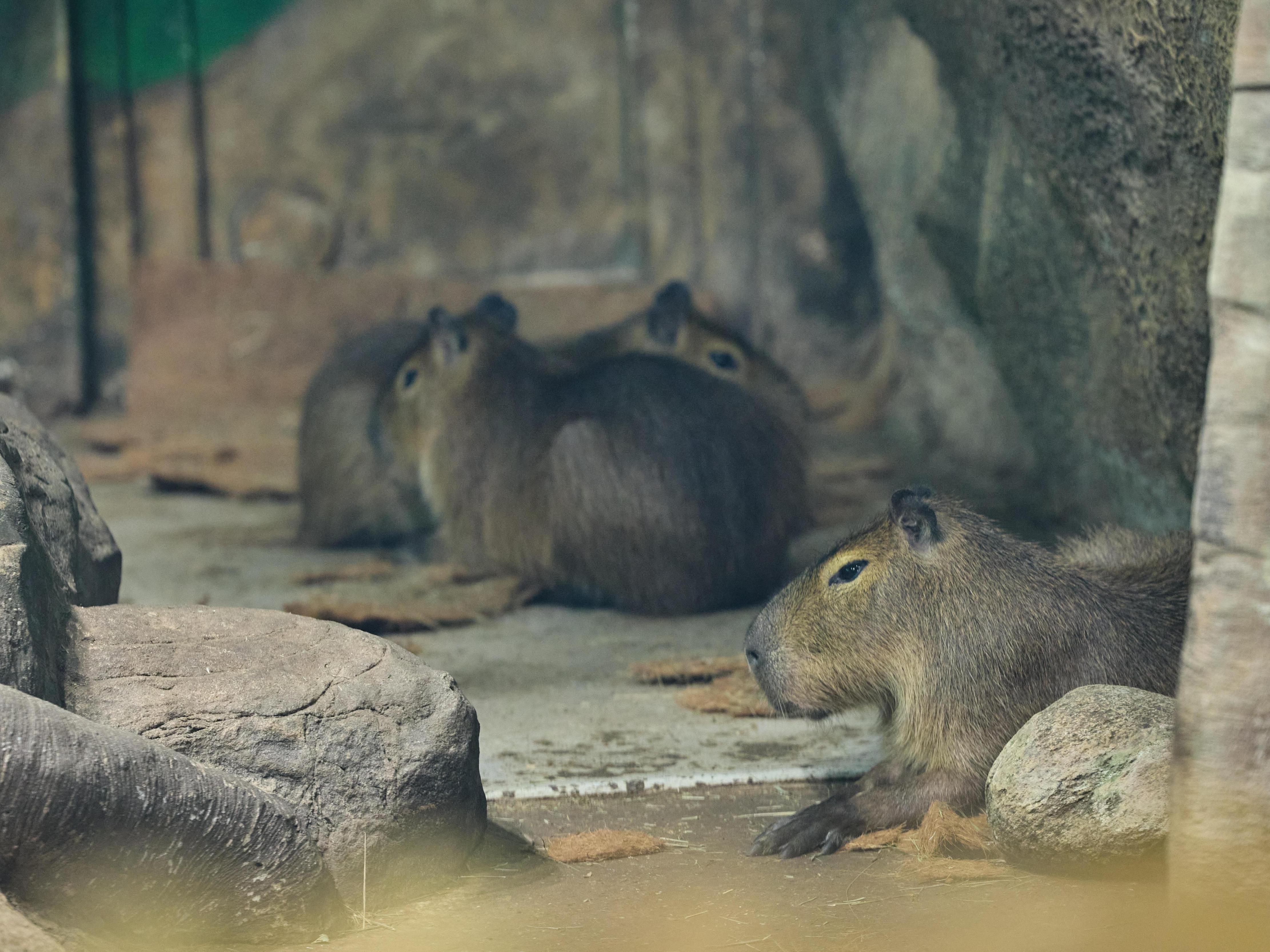
Capybaras are trained for health and enrichment, not for performance.
The second group of skills is domestic: to move to another part of the enclosure during cleaning, not to be scared of staff. And only the third is demonstration elements, like «shake a paw» or climb onto a high point. But even these are not for shows.
«Their main goal is to diversify the animals» daily life, so that something is always happening, so that their behavior is interesting and directed,« says the trainer. »This way we maintain high cognitive and physical activity.«
No bicycles or flaming hoops: capybaras only do what is natural for them in the wild. So they won«t fetch slippers like trained dogs.
Are capybaras smart?
Capybaras learn easily, but there«s a nuance.
«They have very specific memory,» the specialist says. «If a capybara learned to shake a paw on the first stone from the door, on the second stone from the door it won»t do it. Moved half a meter — everything starts over.«
Over time, the skill can be «transferred» to other conditions, but it«s a long process.
For training, it«s important that they trust the people working with them. Besides this, they can be additionally motivated with »scratches« and treats. For example, carrots, pumpkin, or zucchini work well. But with fruits, it»s better not to overdo it, since excess sugar harms capybaras. So pictures where they lie among oranges are far from reality.
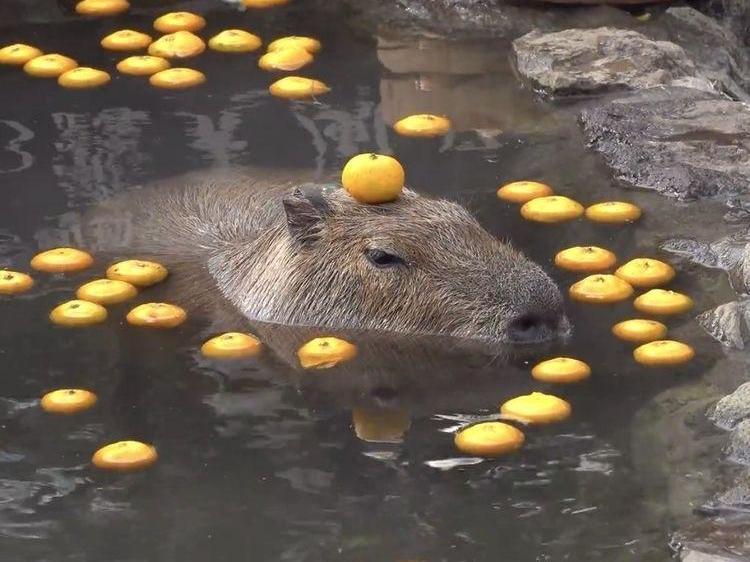
Excessive fruit can harm capybaras, contrary to popular online images.
«Their diet somewhat resembles a horse»s: lots of hay, branches, grass pellets, and unsweetened vegetables,« Alisa says. »Sweet vegetables make up only 5–7% of their diet.«
Good news for fans of these creatures: capybaras adore tactile contact.
«They can fall asleep during scratching, expose their belly,» the trainer says. «So petting and attention are also important reinforcement.»
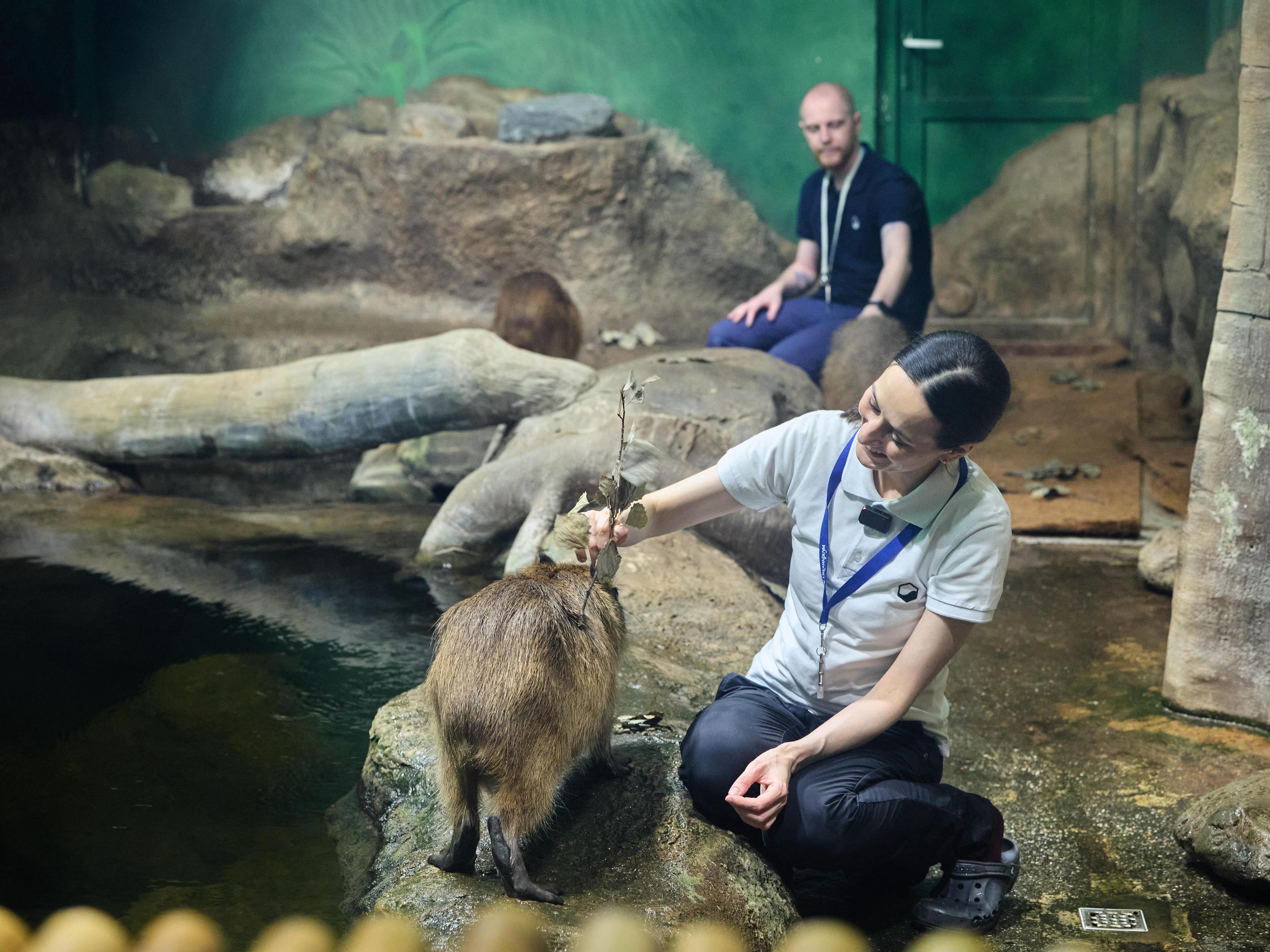
Capybaras enjoy scratches as reinforcement during training sessions.
Every day at Moskvarium, special «tactile sessions» are held for them: an employee comes without treats and simply scratches and pets the rodents for an hour or an hour and a half, until they fall asleep or go about their business.
Persik, Karamelka, and Iskra: what are their personalities like?
Each capybara in the enclosure has its own temperament. And the names, chosen by Muscovites in a vote, reflect this.
«The boy Persik is very judicious, calm, focused. The girls are very different. Iskra is small, active, full of energy. And Karamelka is more stately, strict, and judicious,» describes her charges Alisa, who works specifically with Iskra.
They recognize not only their trainers but also everyone they regularly see: veterinarians, technical workers. And thanks to special work, they approach new people with curiosity, not fear.
Although they are curious about new people, the main thing is not to «overload» a capybara. New acquaintances happen no more than once a month.
How do you become a capybara trainer?
Alisa is a biologist by education.
«Animal trainer is a rather unusual profession,» she says. «Each aquarium trains specialists independently. People come with basic training for an internship, and here they are taught everything.»
Versatility is a key quality. Methods of positive reinforcement are the same for all: for dolphins, for seals, and for capybaras. Alisa, like other trainers at Moskvarium, works with all mammals in the aquarium.
«People, learning about my profession, always ask a lot of questions,» shares Alisa. «And I like that, because the work is shrouded in many myths. People are interested in talking with a real trainer, understanding that we are not animal tamers, we don»t have super scary secrets.«
Myths and truth
Is it true that capybaras are the most relaxed animals?
«Partly it»s a legend, partly it«s their image,» the trainer believes. «They are calm and friendly. But this is not a living stuffed toy. These are animals with complex herd behavior. They can be aggressive if threatened by a predator. They can stand up for themselves, they can bite.»
In a calm environment, they really are the embodiment of relaxation, but in danger, they show that they swim excellently and run fast.
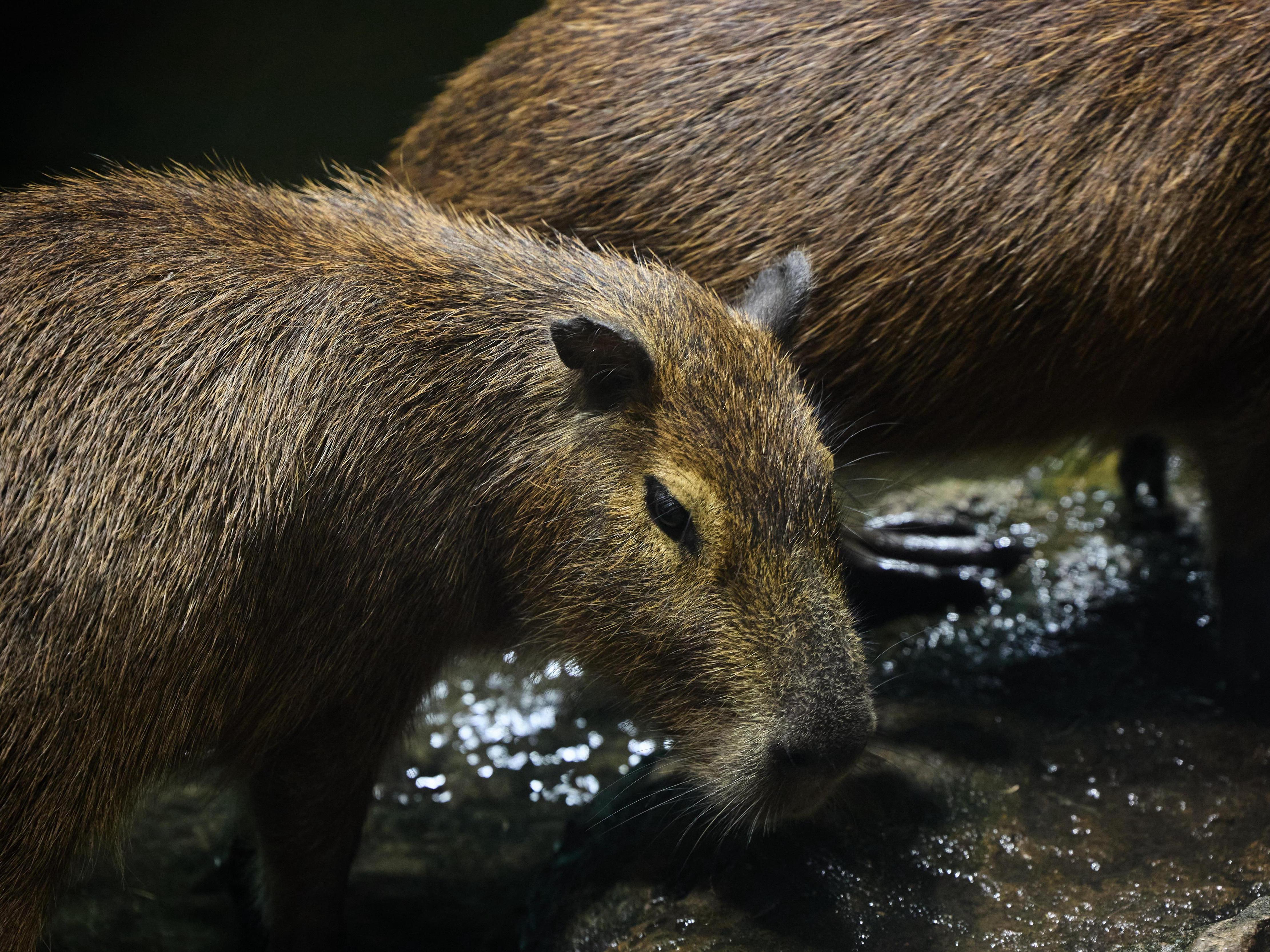
Capybaras appear relaxed but become alert and agile if threatened.
And what about intelligence? Alisa explains that comparing different animals is meaningless — each has its own path of development. Capybaras are not among the «geniuses» of the animal world, but for their role in nature, their abilities are sufficient. And for working with humans, the main thing is not superintelligence, but trust and a desire to contact.
And the most painful question: can such a cutie be kept at home? The answer is categorical: no.
«In Russia, it»s illegal without a zoo license. It«s impossible to create the necessary conditions at home: tropical heat, high humidity, constant water filtration in the pool,» lists the specialist. «Even with a private house, such conditions cannot be achieved. The most important thing is the well-being of the animals, not personal desires.»
What do capybaras feel like to the touch?
At parting — a funny fact from the trainer. Everyone dreams of petting these cute animals, but the tactile sensations are actually unexpected.
«We show [those who want to pet them] these red, scratched palms,» laughs Alisa. «Their fur is very stiff — like a cleaning brush. Imagine you»ve been petting such a brush for an hour. They are very cute when you look at them. But it«s not what you expect, they are not soft at all.»
Such is the «occupational hazard.»
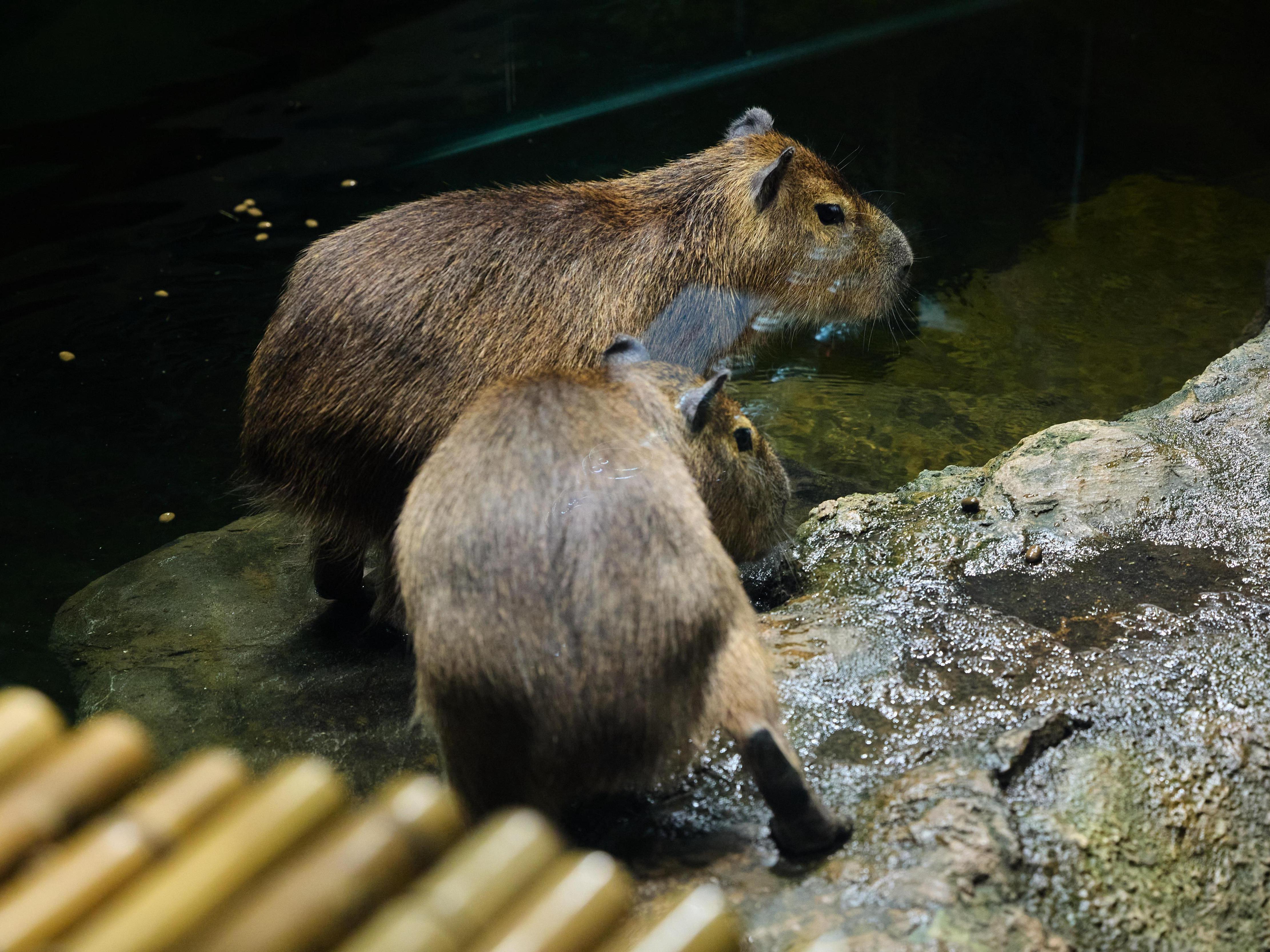
The fur of capybaras is surprisingly stiff and brush-like.
Earlier we told the story of the Pallas«s cat Boris, who doesn»t like scales and dreams of a bride.