Arctic Fox Added to Murmansk Oblast Red Book as Population Nears Extinction
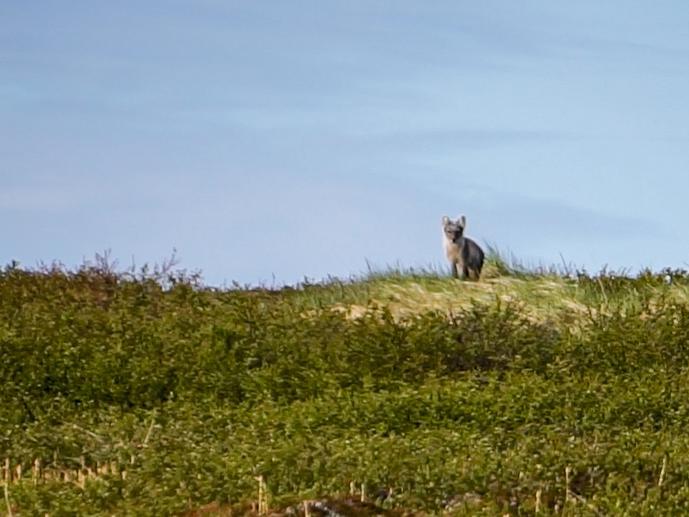

Researchers from the Institute of Biology at the Karelian Research Centre of the Russian Academy of Sciences (KRC RAS) have been studying the Arctic fox population on the Kola Peninsula since 2017. As a result of their research, this species has been included in the new edition of the Red Book of Murmansk Oblast with the status «critically endangered».
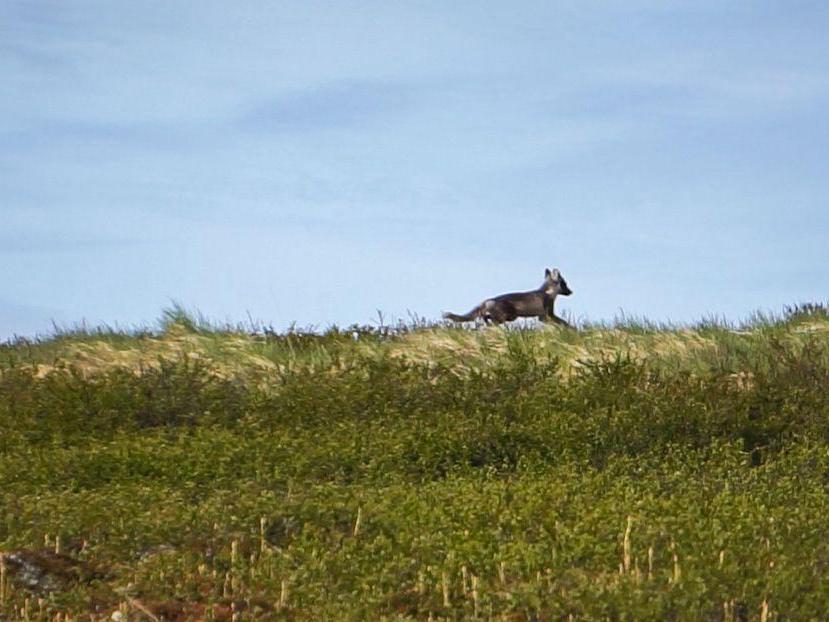
During an expedition to the Arctic, scientists discovered many interesting things, such as burrows that Arctic foxes have been using for over 90 years, and a family of animals with offspring.
In one den, there was a pair of Arctic foxes with pups. These results represent the first confirmed case of Arctic fox reproduction on the Kola Peninsula in the 21st century, according to KRC RAS.
However, in the summer of 2025, Arctic foxes did not produce offspring: in the Arctic, there was a severe decline in the population of small mammals, and during such times, predators do not reproduce to avoid wasting energy.
Overall, over the years of observation, zoologists have found about 40 dens.
In other regions of Russia and northern countries, there is experience in restoring the species through supplemental feeding, building shelters and artificial burrows, controlling competitive species, and releasing Arctic foxes bred in semi-wild conditions. Scientists from KRC RAS also emphasize the need to preserve natural dwellings—burrow sites where Arctic foxes live from generation to generation.
The next step in conserving the Arctic fox on the Kola Peninsula could be cataloging the dens and assigning them a special protected status.
In May, a walrus was spotted in Teriberka, and in September, a flock of whooper swans was seen in Nikel; these species are also listed in the Red Book of Murmansk Oblast.