Washing machines as pay: 1990s barter salaries
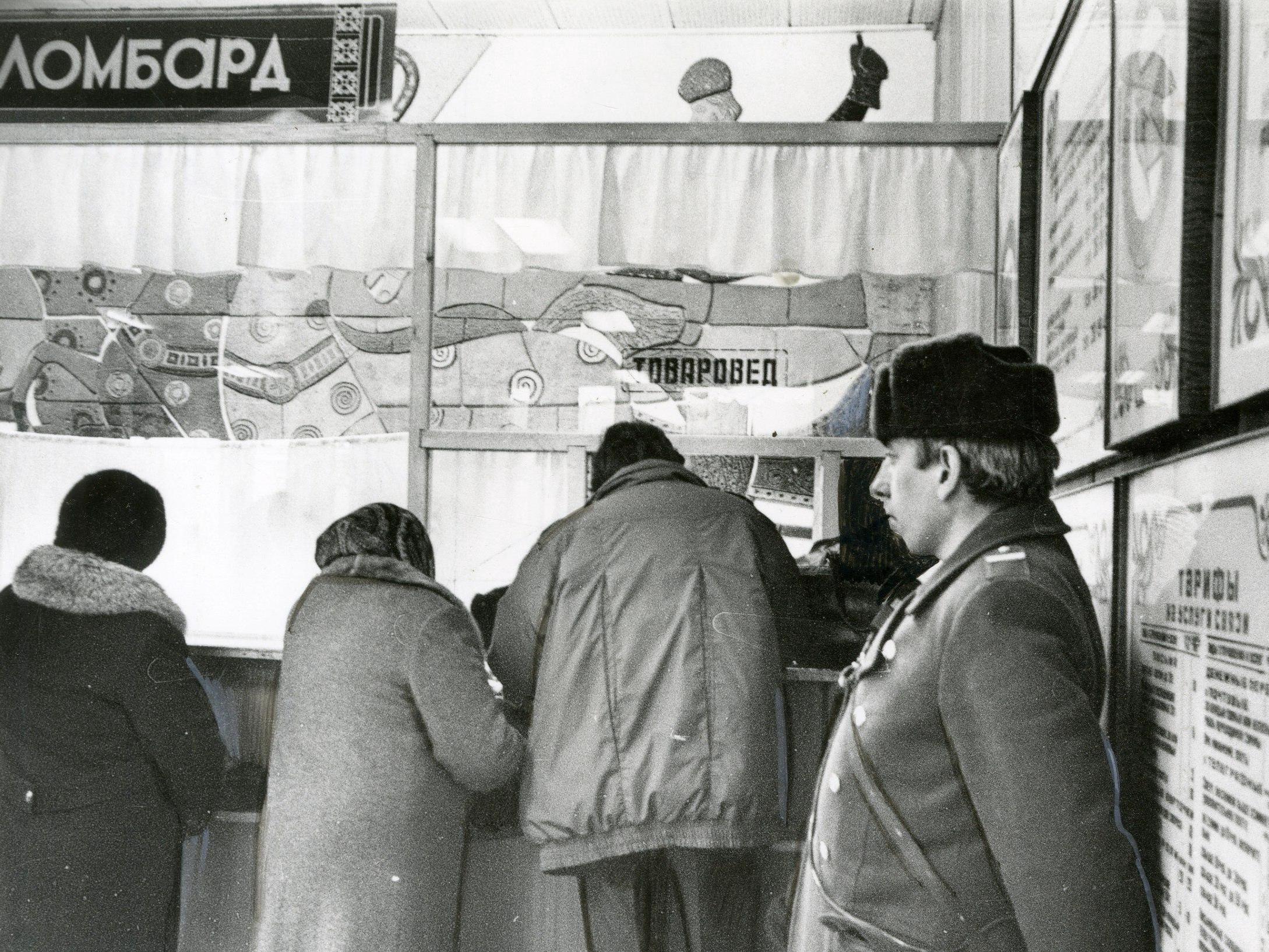

The 1990s were not just about gang wars and the MMM investor fraud, but also about widespread salary delays. Salaries could go unpaid for months due to a lack of «real» money in the economy, and company management tried to cope by paying with their own products or through barter. It might not be bad for workers at a meat processing plant or bakery (at least they had food), but what about employees at the Chelyabinsk Tractor Plant (ChTZ) or a textile factory? We asked our readers what they were paid with in the 1990s and collected the most interesting responses.
Probably, those who were paid with food were the luckiest.
“Flour, sugar in sacks, canned goods, stewed meat, pasta in boxes,” listed Anna.
“A sack of salt, several sacks of sugar, flour, ‘Royal’ alcohol,” shared Lyubov.
“My grandmother and grandfather worked at a radio plant,” wrote Yekaterina. “They gave out flour, sugar, condensed milk, and cocoa in jars.”
“Once, they gave a block of frozen capelin as part of the salary at ChERZ,” wrote Vyacheslav.
“They gave me a sack of pearl barley once,” Svetlana said about barter salary. “I couldn’t eat it for about 10 years after that.”
“Cookies, candies, sausages, condensed milk in boxes,” recalled Yulia. “Also two furniture sets (a sofa plus two armchairs).”
“Our neighbor received her salary in sausage,” shared Oksana. “Then she went around to pensioners, offering it to them.”
Even here, there were curiosities, as salaries could be paid with oranges, peaches, chocolate, or condensed milk, but you can’t feed a family on those alone.
“My dad was once paid with ice cream,” said Ksenia. “By the time he brought it home, it had all melted. It was summer.”
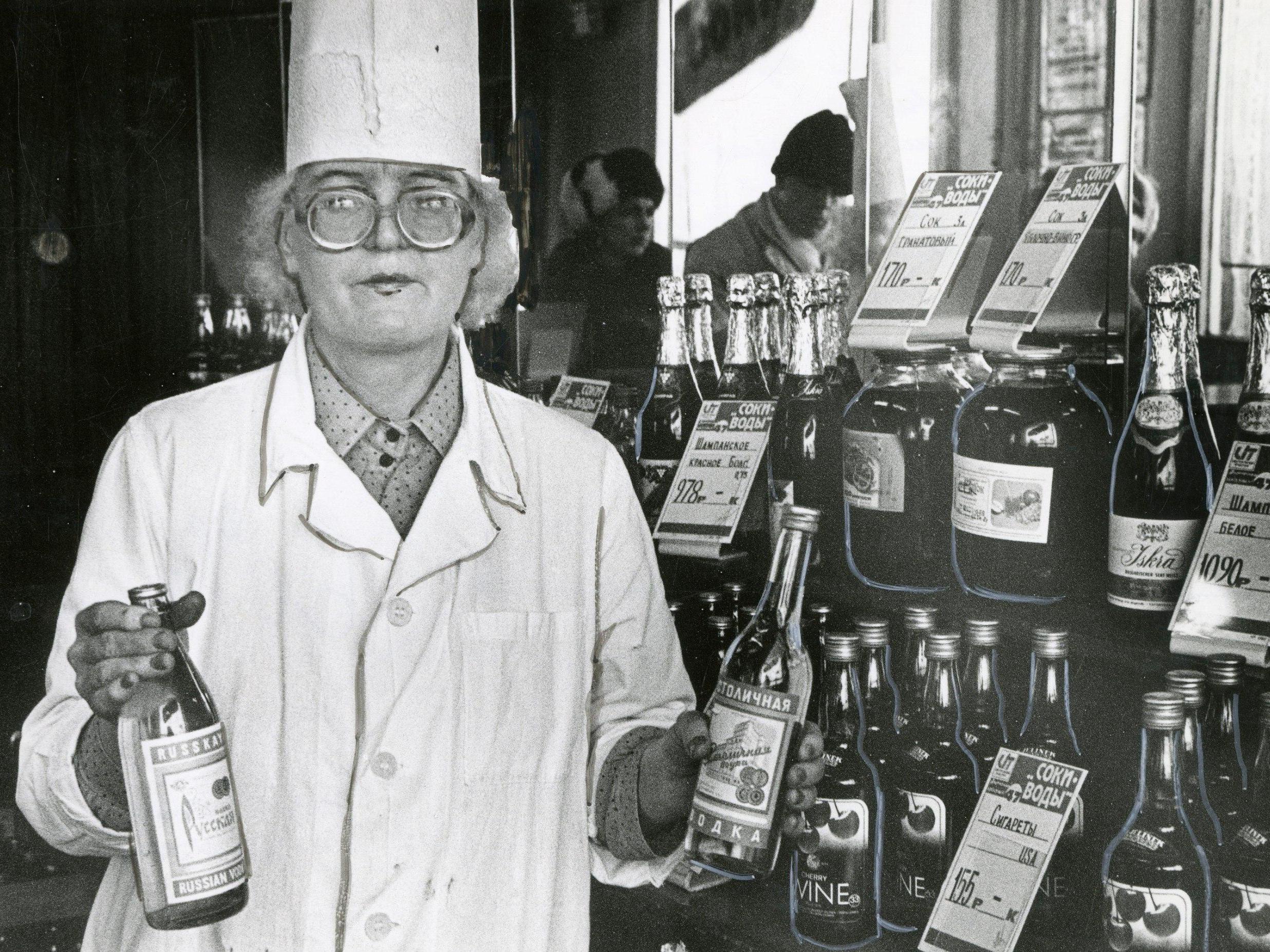
“A pedagogy teacher at the university said that in the 1990s, teachers were paid with vodka,” shared Vadim.
It was even harder in cases where salaries were paid with so-called consumer goods.
“Rubber boots, robes, men’s underwear,” listed Yekaterina’s barter set.
“In Chelyabinsk, there was the ‘Silhouette’ factory that produced bras and corsetry. And I, a man, like everyone else (mostly women worked there), was offered to receive my salary in this finished product at the state price for some time,” shared Sergei. “And the goods were in short supply and cost more on the black market.”
“I remember my father had metal sheets from ChMZ,” said Tatyana. “And in our SMU, we received buckwheat, flour, and household appliances on credit. My Bosch refrigerator still works.”
“At ChTZ, they also gave galvanized buckets,” added Irina.
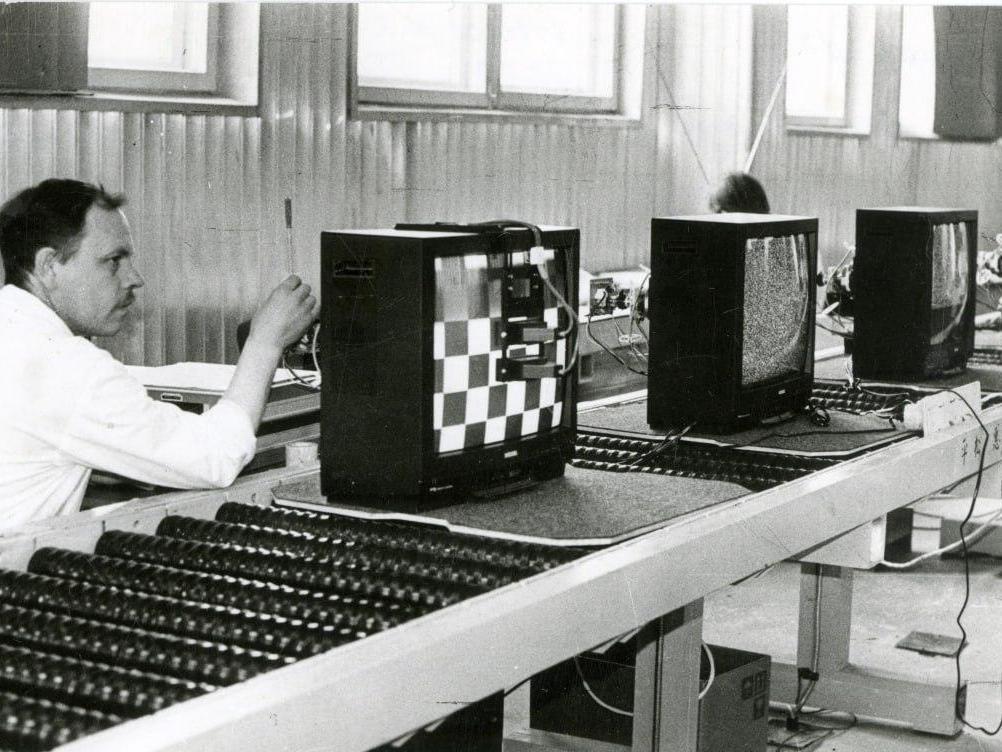
“At ChZShI, they gave kitchen sets; at ChTZ, car trailers and down jackets; at ChMK, cars and electronics; at AK1218, food sets, furniture, cigarettes,” listed Yevgeny. “Those were glorious times. A poster hung on the entire wall: ‘Work honestly, and glory will find you.’”
“There was a furniture set, car trailers [salary was paid at] ChMZAP,” recalled our reader. “We exchanged them later in November for meat in the Kurgan region, and stored the meat in barrels on the balcony in the snow.”
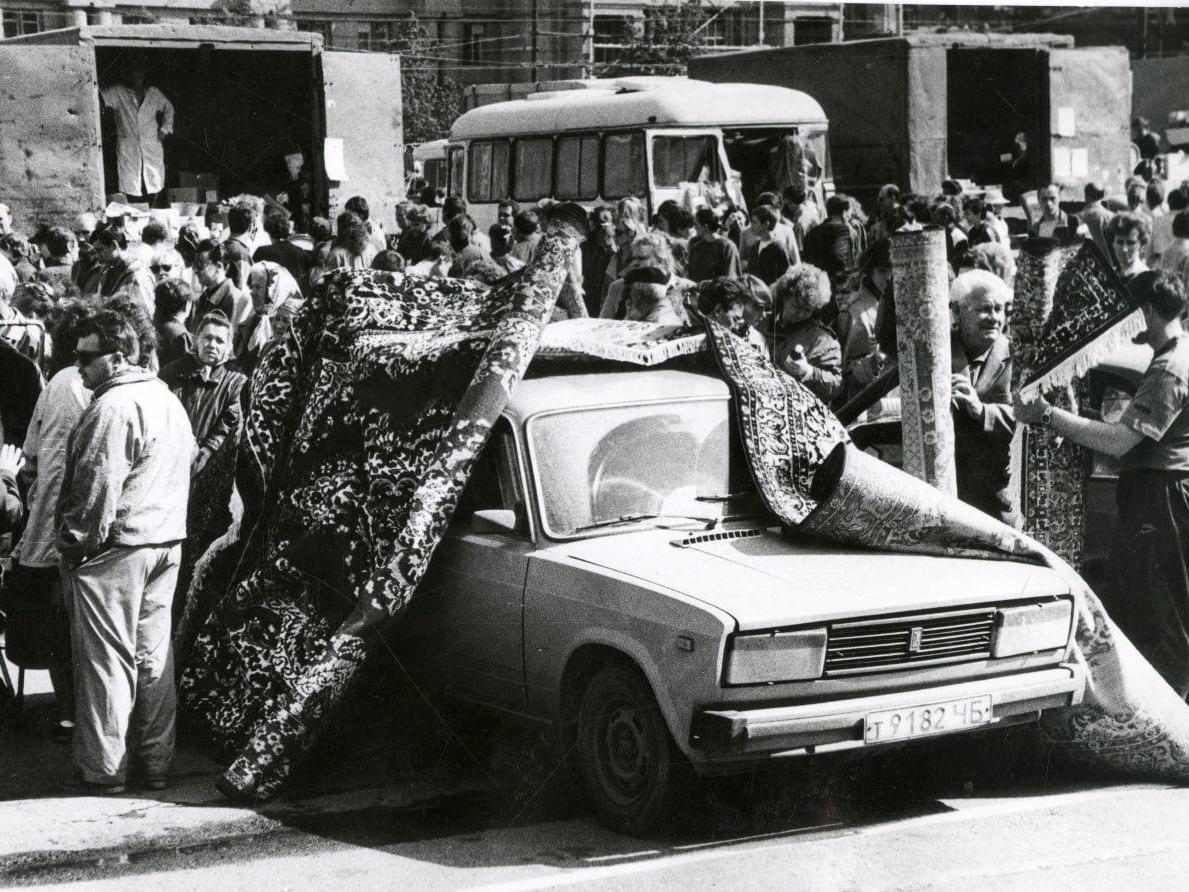
“Parents received bricks,” “with dishes and shampoo,” “knives from the Zlatoust plant,” “a down jacket, boots, refrigerators, carpets,” “cement,” “a muffler for a Zhiguli,” wrote our subscribers.
“I received vacuum cleaners instead of salary,” said Yelena.
“They gave ‘Chaika’ washing machines with a centrifuge in 1992 at ChMZ,” recalled Nina.
“They ‘paid’ my dad with tarpaulin boots; he worked at a mine,” said Yana. “At least we had a dacha. We ate potatoes baked in the oven with a salad of sauerkraut and onions. Delicious.”
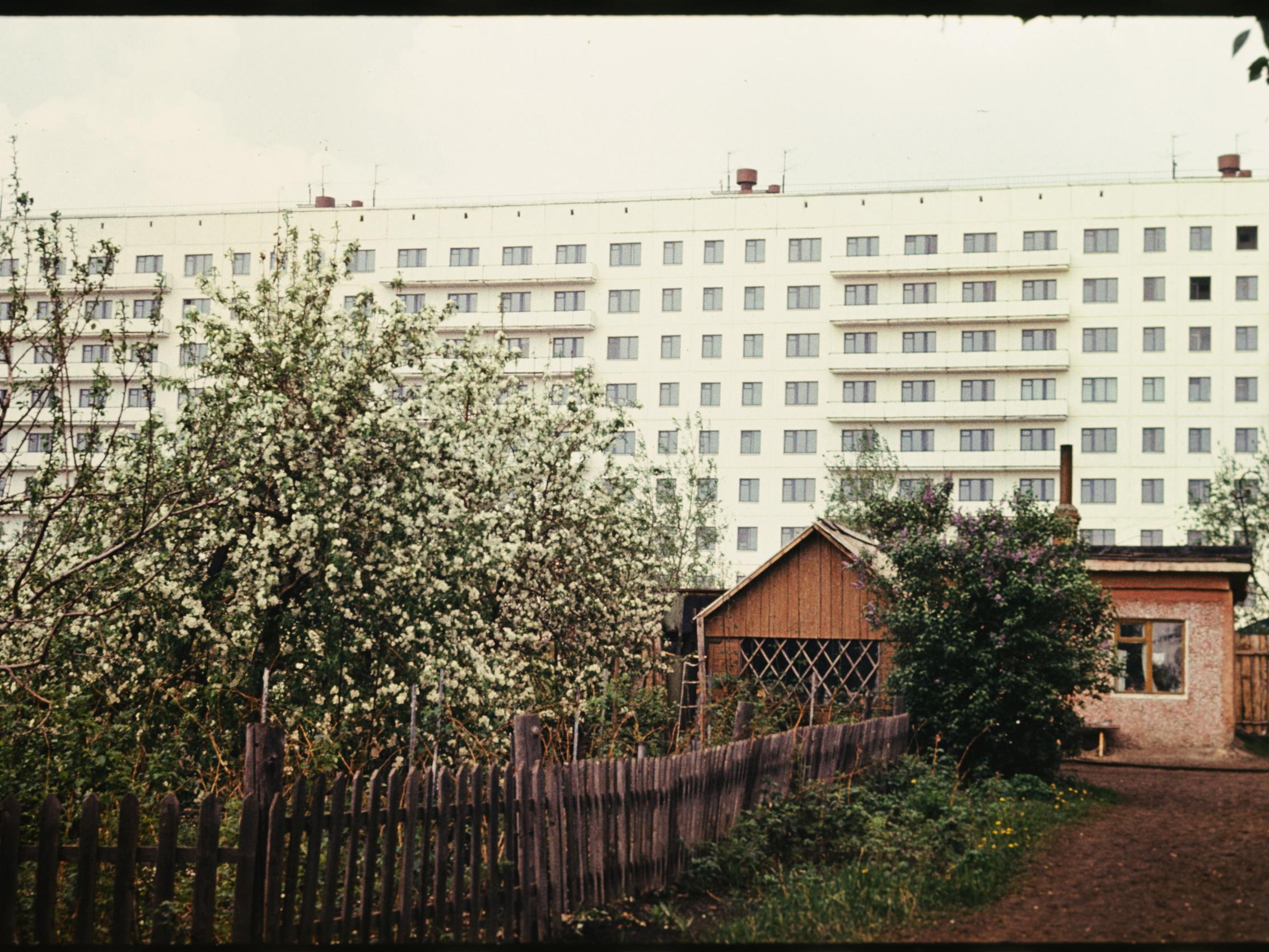
“At the factory, they gave my mom an ironing board and stove burner switches for a gas stove, but we had an electric stove at home,” shared Irina.
“A VCR, a set of enameled dishes, a bread slicer (useless), frying pans, and food vouchers,” listed Svetlana.
“At my father’s work, they gave out all the volumes of Agatha Christie,” wrote Lyudmila.
And even such barter, our readers tried to use for good.
“I worked in the North, in Nyagan. In 1992, they paid vacation bonuses in the form of two Ardo washing machines,” shared Andrei. “Through complex exchanges, I managed to buy a train ticket to Chelyabinsk, and the second machine is still alive!”
“We received fabric from the textile factory, then sewed bed linen,” said Yelena.
“They gave my dad red winter boots at work instead of salary,” recalled Svetlana. “How I didn’t want to wear them! But what could I do? I had to. I come to school, and almost all the girls in my class are wearing the same boots.”
And some people still keep relics from those times.
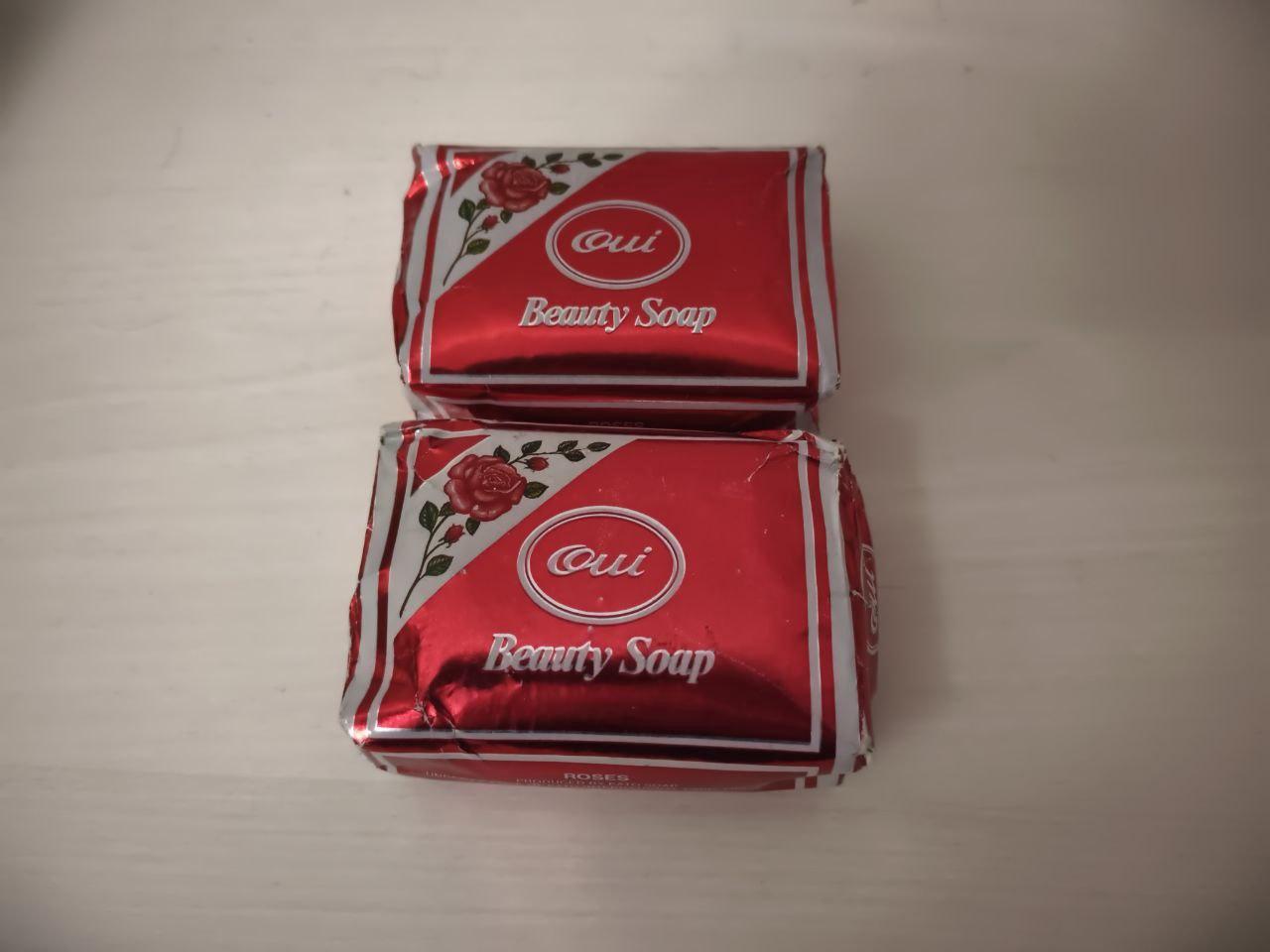
“Egyptian soap. 1991 or 1992, [given by] the ChTZ plant,” commented a reader on his photo. “Somewhere there is still apple and lemon soap. I can’t bring myself to use it. A relic.”
“They once paid my dad’s salary with towels. One of them is still in use (going on 30 years),” wrote Yelena.
The fair on Revolution Square, trips to harvest potatoes, attempts to achieve immortality through strange rituals, and searches for the yeti — much of life in Chelyabinsk in the 1990s seems wild now. And there was also the sudden and forced currency exchange, the deception of MMM shareholders, and much, much more. Unique photos from that time — in this collection.