Chelyabinsk Artist Joins London Affordable Art Fair
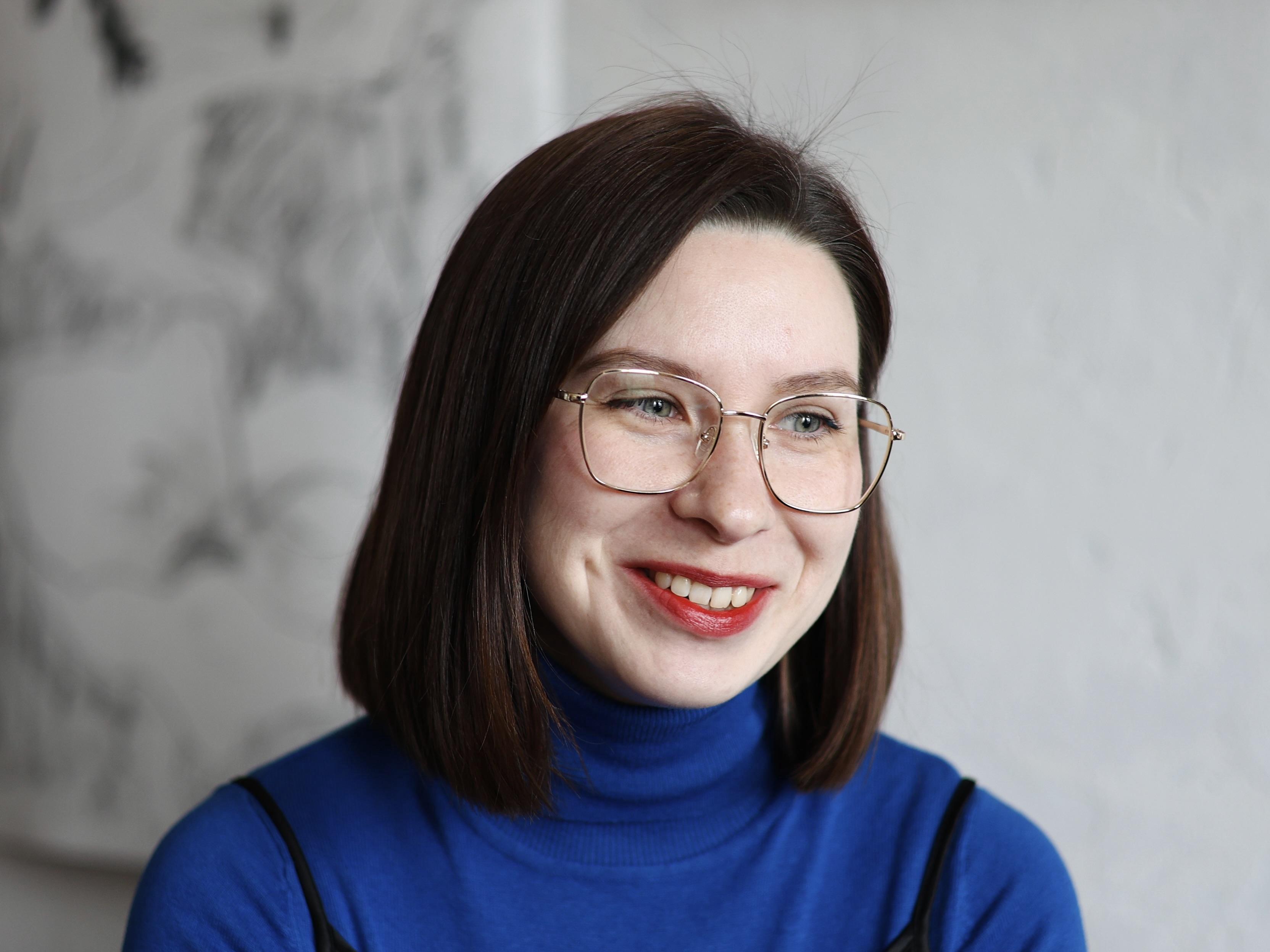

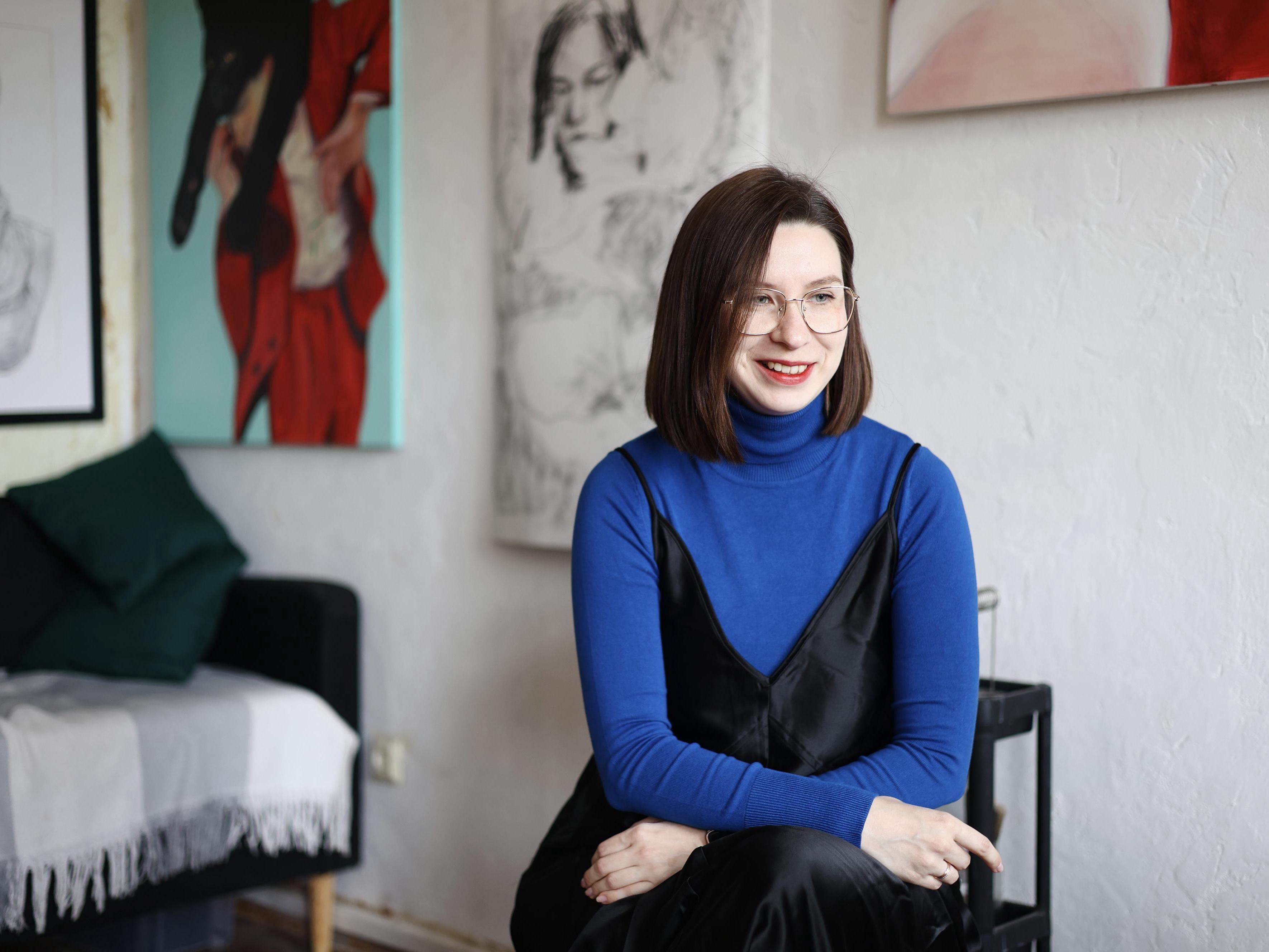
The artist’s smile now is as bright as her new paintings.
A young artist originally from Miass (Chelyabinsk Oblast, Russia) went abroad to pursue her calling and a diploma in Malaysia, gained education and experience, built a career in advertising, and returned to her first love. Now collectors from across Russia buy her work, and soon it will appear at London’s well-known Affordable Art Fair (AAF). We met with Marina Altukhova in her studio to talk about her unusual path to success, about art, and about life abroad and in Chelyabinsk.
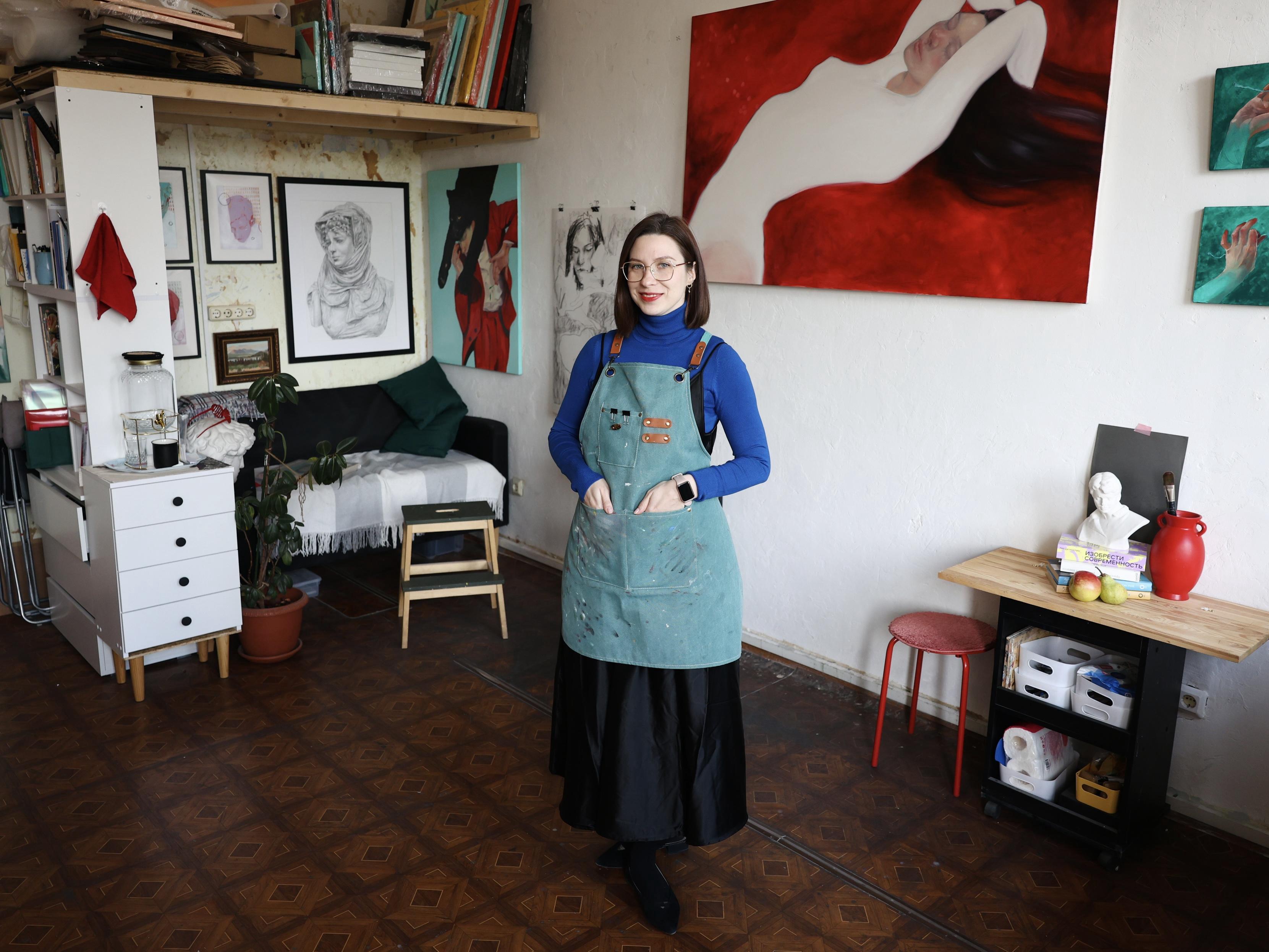
Studio 45 in the House of Printing is small yet distinctly cozy and welcoming.
«On New Year’s we burned money»
The future artist loved to draw from childhood and attended art studios, but she did not plan to tie her life to art. Her family did not really support the hobby — a «Soviet-era mindset», Marina explains.
«I was, roughly speaking, also born in the USSR, and in my parents’ understanding a “real profession” is a doctor or an engineer. They are engineers themselves, although my grandfather was very passionate about creativity — both graphics and painting», she says.
Already in high school she became a manga and anime fan, began studying Japanese, and in 2008 enrolled in Chelyabinsk State University (ChelSU) to study Oriental studies.
«I studied many languages from childhood — I tried German and a little French, but dropped them quickly. Japanese I studied on my own for a long time precisely because of anime», she recalls with a smile. «I was interested in understanding sources and originals — we all know how much translations can distort. Later I entered ChelSU, but in the end I did not finish.»
Almost immediately after moving to Chelyabinsk, Marina began looking for opportunities to get a proper art education — and specifically abroad.
«I wanted to study in Asia, and I was choosing among several Asian countries. Studying in Japan itself would, unfortunately, have been very expensive, and I would first have had to go to a Japanese language school and bring my Japanese to fluency — at least to the level needed to understand university lecturers. Then I would have had to pay huge money not only for education, but also for housing and so on. China — also no, because I would have had to learn Chinese. That left Malaysia and Singapore, and in both places education is in English, but Singapore is also very expensive. And the exchange rate of the Malaysian currency, the ringgit, to the ruble at that time was such that my studies in Chelyabinsk cost the same as in Kuala Lumpur.»
She applied to the Malaysian Institute of Art (MIA) remotely: as an entrance exam, she needed to show her works in different techniques according to set assignments.
«I sent them photographs, and they said everything was fine. I filled out all the forms, passed a medical exam, and then sent all the physical documents together with the works there. About a month later I received confirmation that I was accepted. And that was it — they said: “Fly in.”»
Studying and living in Kuala Lumpur, Marina says, was fairly easy.
«Malaysia is very hot. I had lived for a long time in a climate with four seasons, and I really missed that changeability — even our brutal winters; the perpetual summer depressed me a little. Otherwise, food and housing there are very cheap — for five ringgit, or 50 rubles back then (about $1 at current rates), I could eat well. The university provided a dormitory near campus; I got to classes on foot or by bus. To be honest, I was a little shocked by the appearance of the university itself», Marina laughs. «Creative professions and all that — and it looks like a shopping mall; for example, like our KUBA mall.»
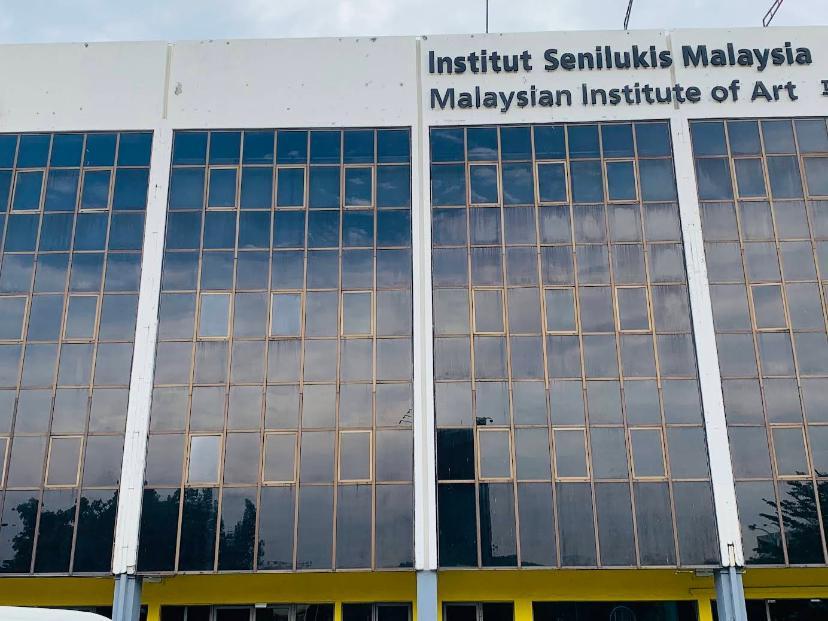
There truly is a resemblance that viewers will easily recognize from local landmarks.
However, the unassuming form did not affect the content of the course, the artist continues.
«If you take Russian art education, training drags on for five years. First there is a year of drilling academic drawing from life, then gouache and watercolor are added — another year; then finally the human figure — another year; and only a year later they teach oil painting. In Malaysia, within half a year they quickly explained color theory, composition, proportions, and gave exercises, of course, in various materials — gouache, watercolor, oil, tempera, charcoal, ink, color screens, you name it. Their primary goal is that a graduate be intellectually equipped, because contemporary art is about the idea, about the concept. If you want to paint something realistic, you can study everything yourself, approach the teachers with questions — and there the teachers are practicing artists, unlike in Russian schools. From the very start I wanted to have a connection with contemporary realities and feedback from practitioners.»
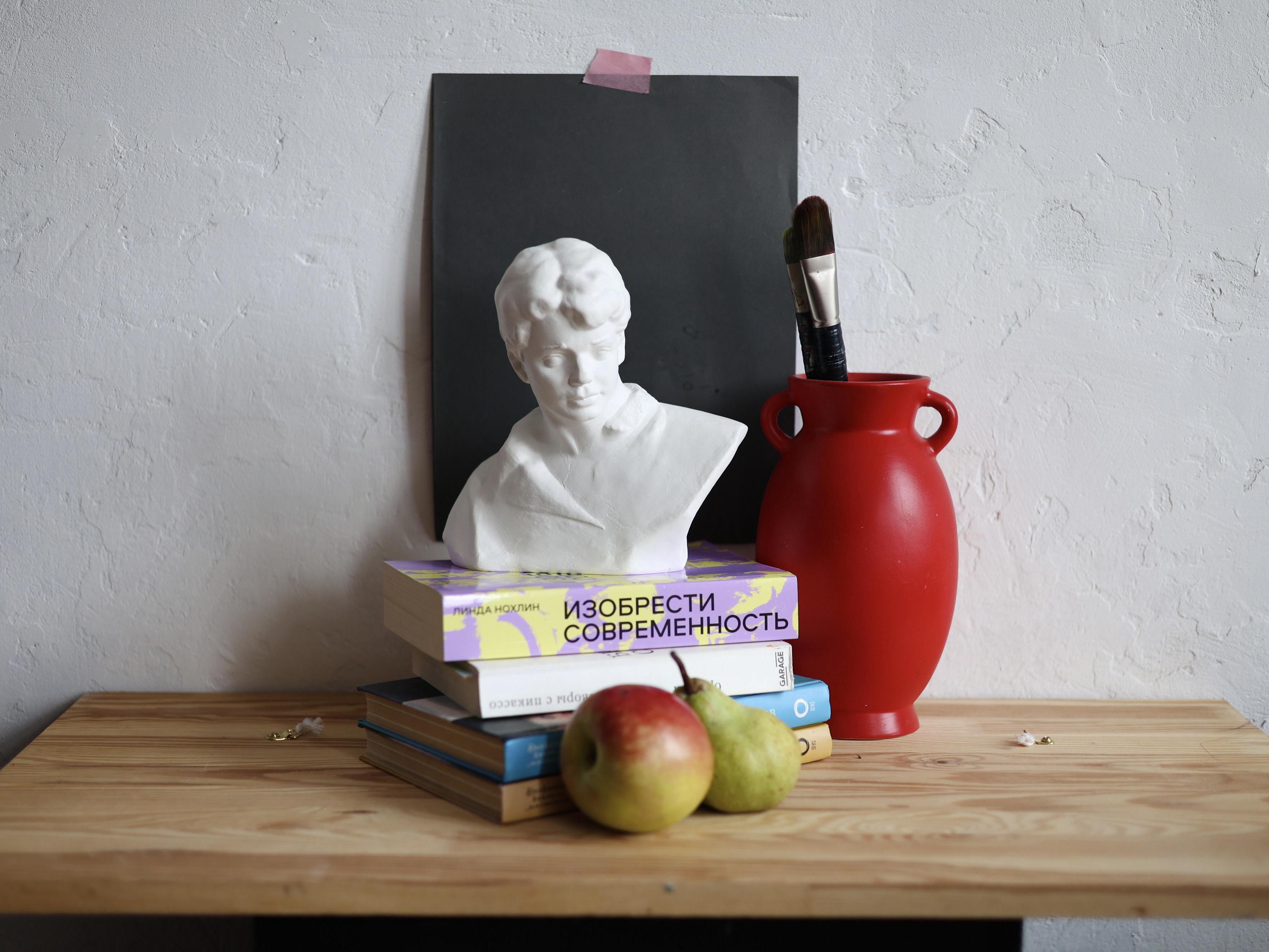
Books on culture and art serve as references and props, not only still-life staging.
Marina names as her main mentor the Malaysia-based artist of Chinese origin Phuan Thai Meng, creator of hyperrealist canvases in the traditional technique of oil painting.
«It’s just mind-blowing what works he creates — they are very conceptual», the artist says. «But he was oriented toward politics, and as an artist I don’t get into politics or religion. For me, those topics are too delicate — it’s very easy to hurt other people’s feelings and beliefs.»
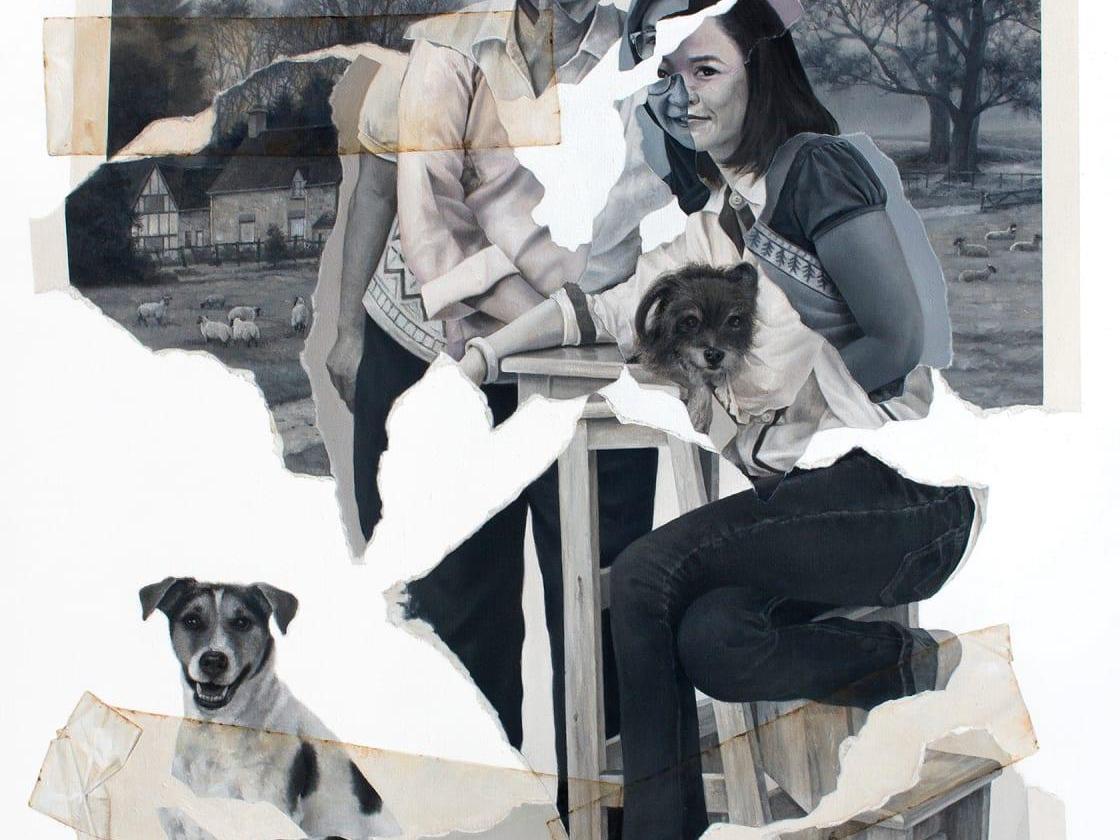
Phuan Thai Meng, Imagined Home(Land) III, an example of his conceptually charged realism.
Still, Marina was interested in exploring another culture, including its religious side.
«The official religion in Malaysia is Islam — but I would say a light version; a lot of foreigners from Europe come, and not everyone, so to speak, wears a hijab. But my friend from Pakistan did wear a hijab and told many strange stories about people giving Muslim women dirty looks. I became curious what it felt like. I put on a hijab — she showed me how to tie it properly… I walked down the street for about five minutes and took it off; I genuinely felt discomfort. Men started paying odd attention to me and making all kinds of indecent gestures — it was awful.»
She still remembers that short experiment as unsettling and emotionally uncomfortable.
«In general, there is a huge number of different religions, cultures, and nationalities in Malaysia», Marina notes. «Malays, of course, dominate; then come the Chinese and Indians. There are districts where certain diasporas live. In our course there were Malays and Chinese, a student from Iran, and one girl from Pakistan. I was the only one from Russia, but I made very good friends among classmates whose mentality felt close to mine. I wouldn’t say my mentality is strictly Russian. I went to local Buddhist temples and traditional holidays. There are many interesting traditions — for example, on New Year’s they burn money. A huge pile — of course not real money but paper joss notes — is gathered into a whole mound; the more the better, and it is all supposedly sent to the afterlife.»
«I’m My Own Manager»
After her studies, Marina lived in Malaysia for about two more years, worked as an artist-decorator, and taught English in elementary schools.
«Everything is great in Malaysia, but it is very difficult for a person with a creative profession to get a work visa there, and it’s very hard for artists to break through. It’s not an epicenter of art — even Russia is better in that respect — and the true world capitals of art are London, New York, and Paris. But I returned to Chelyabinsk», Marina smiles. «I came back in 2017, and I faced a choice: either continue doing art or support myself.»
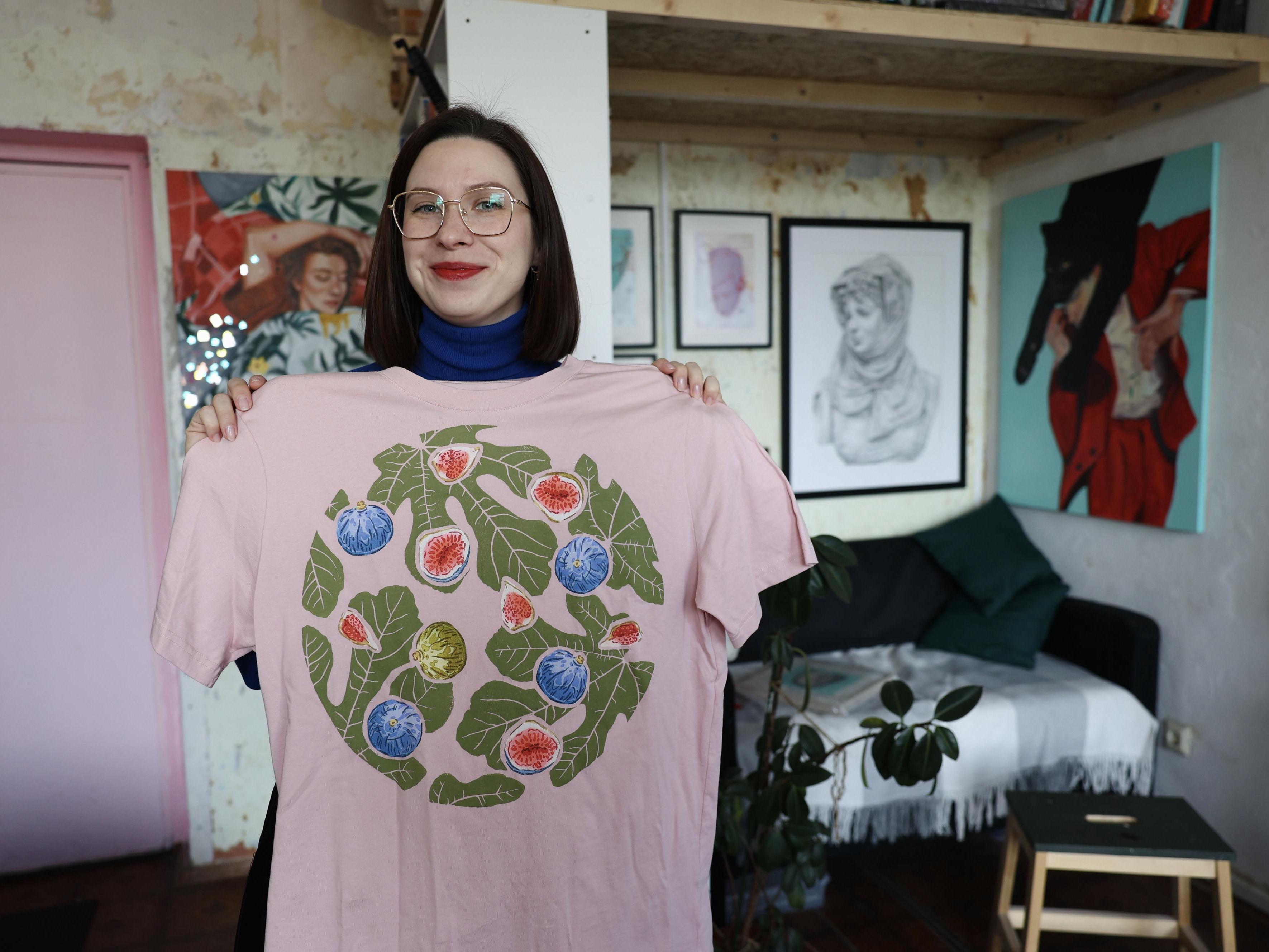
Gifts from artist friends now remind Marina of tropical Asia and its vibrant colors.
The young woman did not want to live at her parents’ expense. She decided to put the dream aside for a while and went… into marketing.
«That’s how it turned out — I worked five years in this field, and it actually gave me a lot of useful knowledge. Many people may imagine that artists are people who happily draw all day and everything else happens by itself, but that’s not the case. You need to promote yourself, sell, run social media, build your website — and I can now do all of that calmly; I’m my own social media manager, manager, and finance person. Of course, it’s hard for one person to keep track of everything, and not everything turns out well, but that previous experience helps a lot.»
It was the 2022 crisis — during which her company cut its Russian staff — that helped Marina finally decide to return to her calling.
«At that point I was already very tired of marketing and of that job. I was drawn to art; at times I kept at it, even tried to take part in exhibitions. And if things were bad in marketing anyway, then when, if not now? I decided I would try — and if it didn’t work out, I could always go back.»
Now Marina does not only painting but also graphics, makes zines (self-published booklets), and tries unusual techniques — literally growing mini-sculptures from living crystals. She studies on her own (for example, she is mastering the etching technique she missed at university, in the workshop of Olga Grazhdankina) and teaches others.
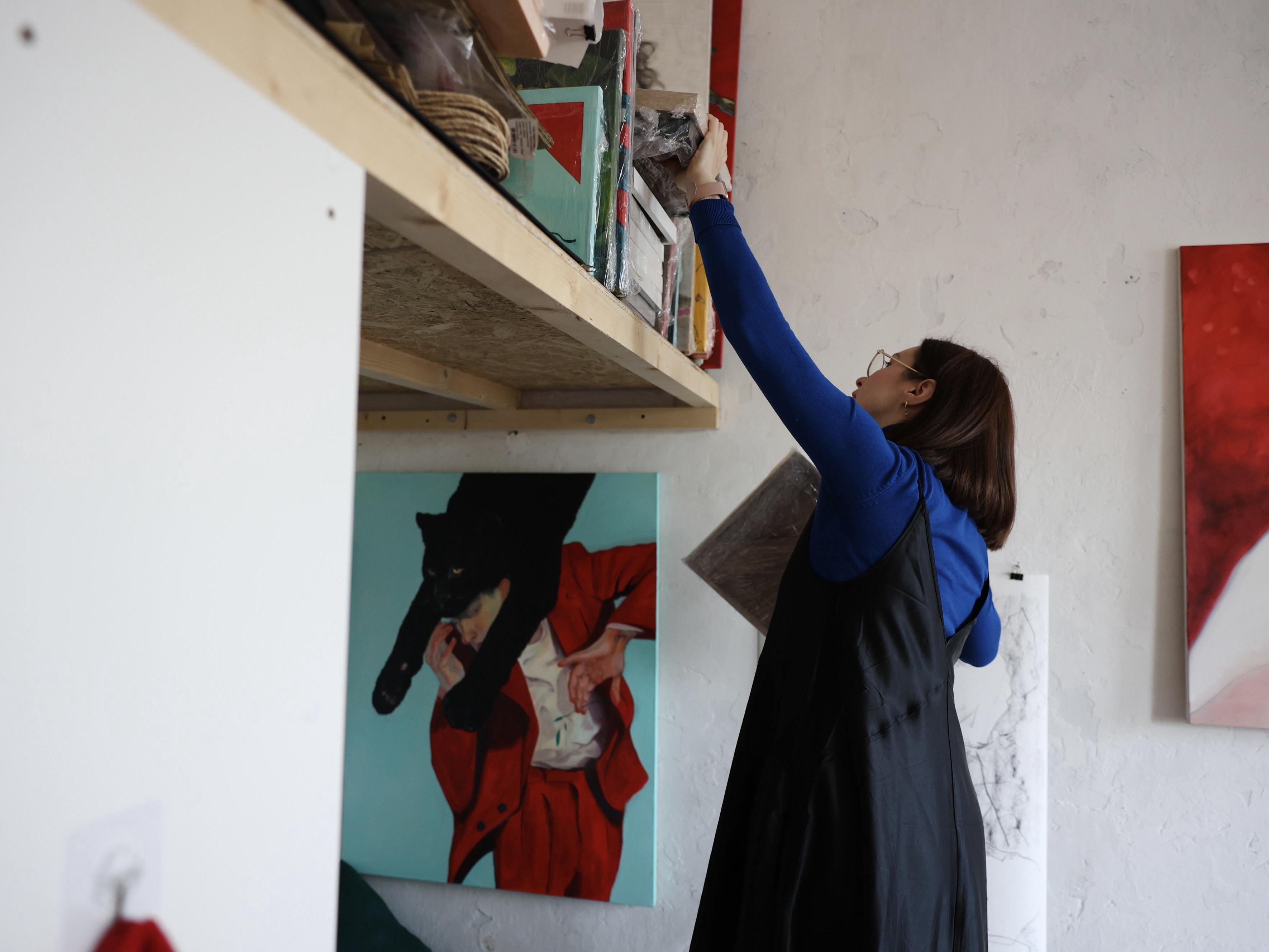
In her studio, she manages everything herself and defines her working rhythm.
«When I first opened my studio, I worked with children from age seven, but they really require a completely different approach; I’m most comfortable with adults from 15», Marina says. «Most of my students study one-on-one; each has their own goal and program. Some are preparing to apply and we work on their portfolios; some just want to learn the basics and try different techniques. In the first year I earned money only from that — and that’s fine. Now the balance is much better.»
Marina Altukhova’s first works were bought at exhibitions — solo and group — in Chelyabinsk, Yekaterinburg, Moscow, and Volgograd. This year, representatives of the Affordable Art Fair (AAF) in London contacted the artist via social media, and from 15 to 19 October her works will be seen by thousands of collectors from all over the world.
The organizers consider works priced up to $10,000 to be «affordable». The Chelyabinsk artist sells her paintings for much less, and prices for simple printed graphics start at 3,000 rubles (about $30 at current rates).
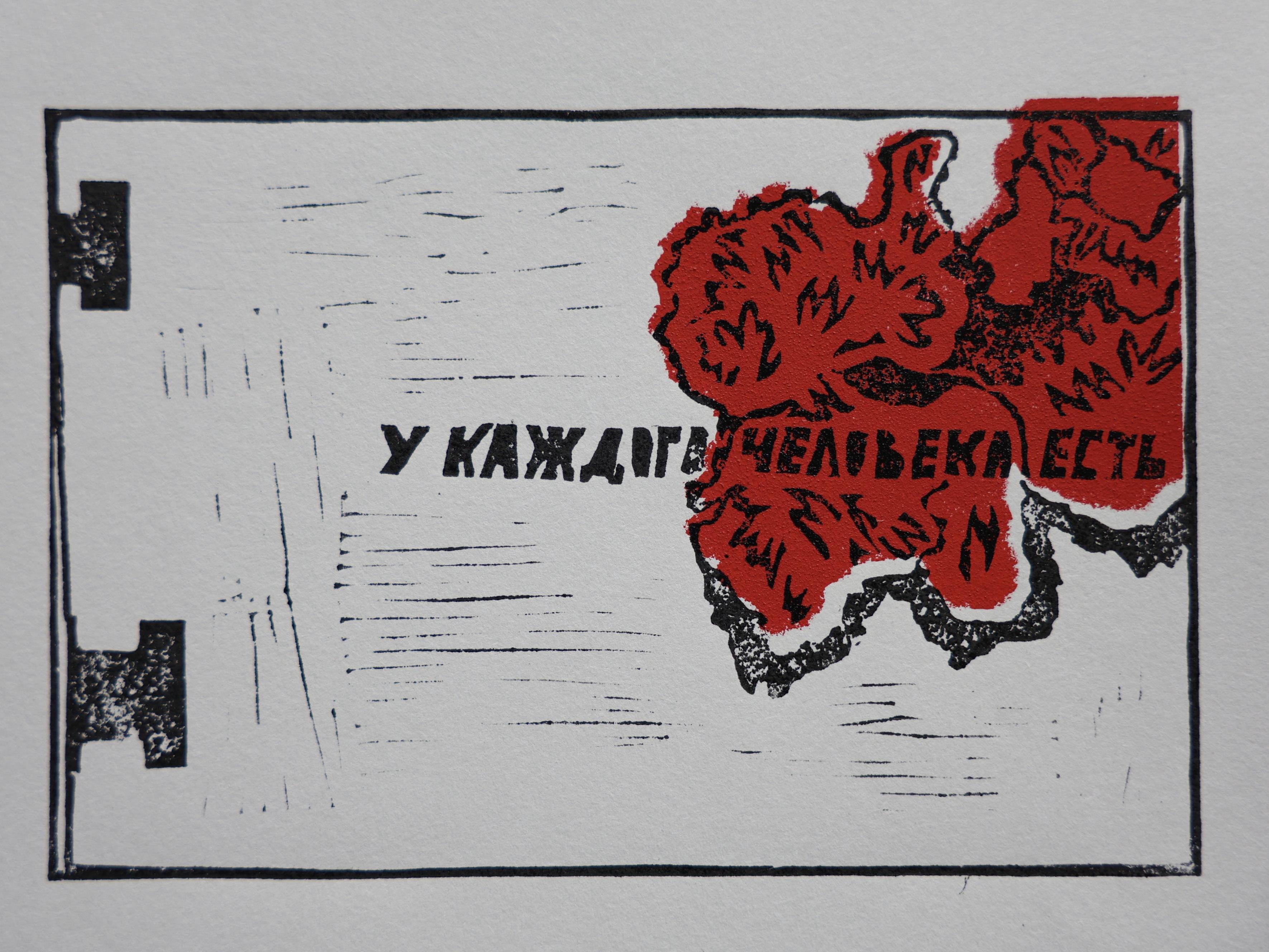
This belongs to one of her graphic series exploring recurring human-centered motifs.
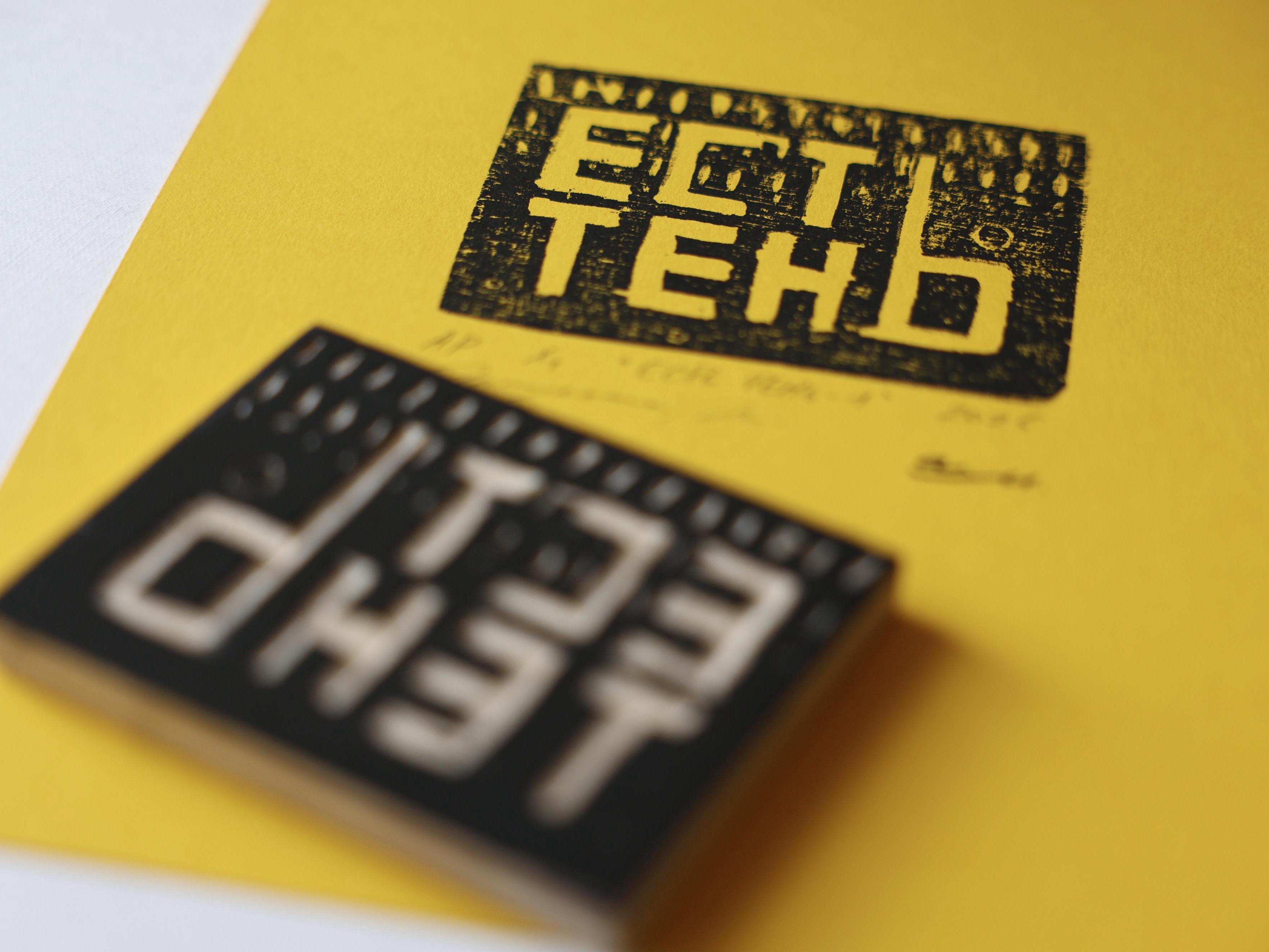
Marina admits she enjoys printing on bright, vividly colored paper for stronger effects.
The young woman also tried taking commissions, but quickly gave up that way of earning.
«Personally, it’s hard for me. A client doesn’t always understand what they want or what final result they expect; sometimes the final result doesn’t match expectations — and it all takes a lot of nerves», Marina says. «Now, if there are any commissions, they are only for something I’ve already done — a continuation of a series.»
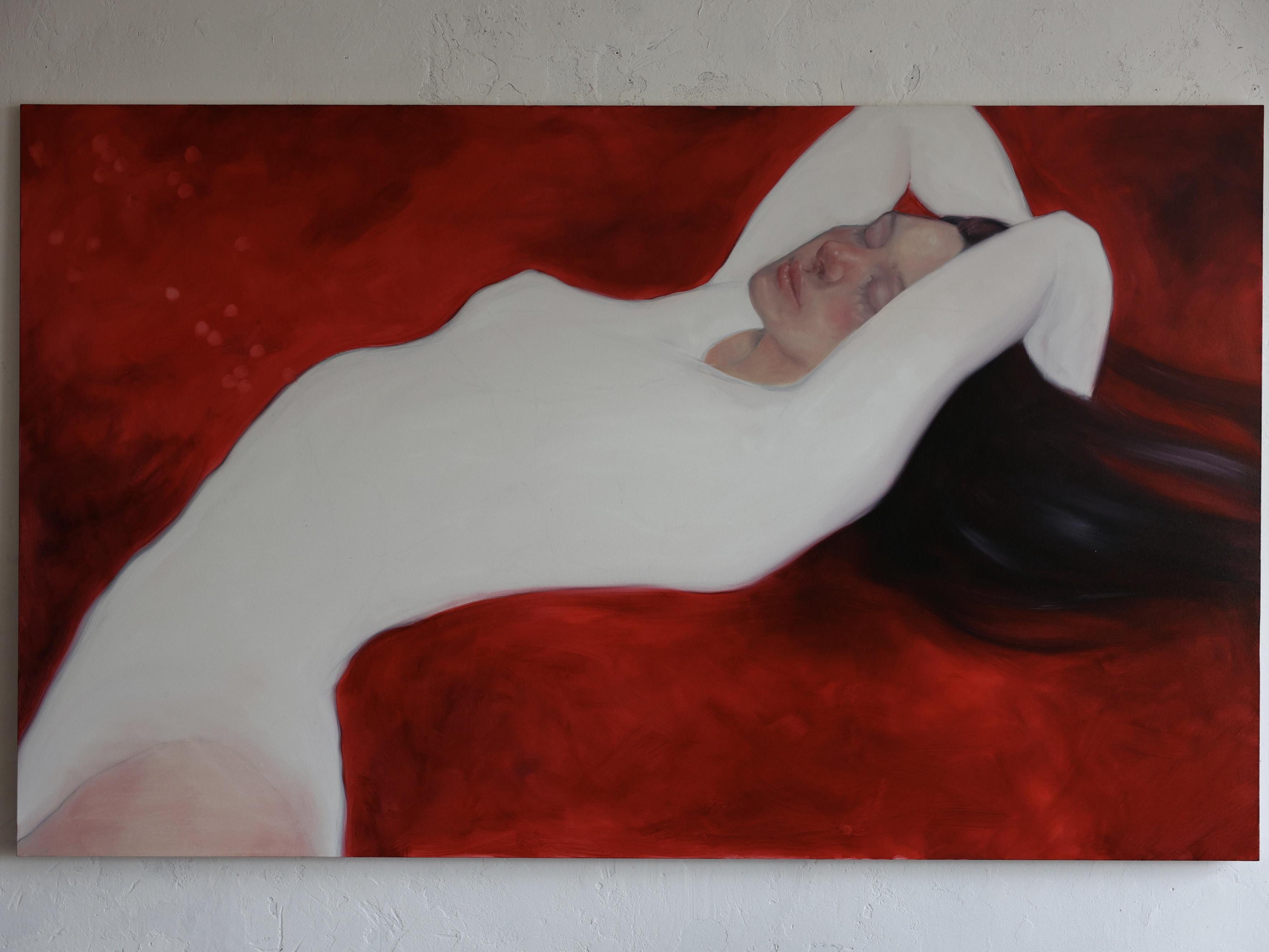
She slightly reworked this painting to meet the curatorial vision of a London gallery.
Each painting series can include more than a dozen canvases united by one theme. She admits, however, that she never starts from an idea: the images come first.
«One way or another, a person and human nature are present in all my works. I like to draw people and to develop faces and hands, but I never draw someone’s portrait — I don’t take anything straight from reality. I want to speak about the inner world, not the outer one», explains Marina Altukhova. «The farther I go, the more abstraction and the imaginary I have; for example, the new series with giant flowers — there’s nothing of realism there. For me, those flowers are something about childhood. There was a series with a black panther — that is an image of the dark side of personality.»
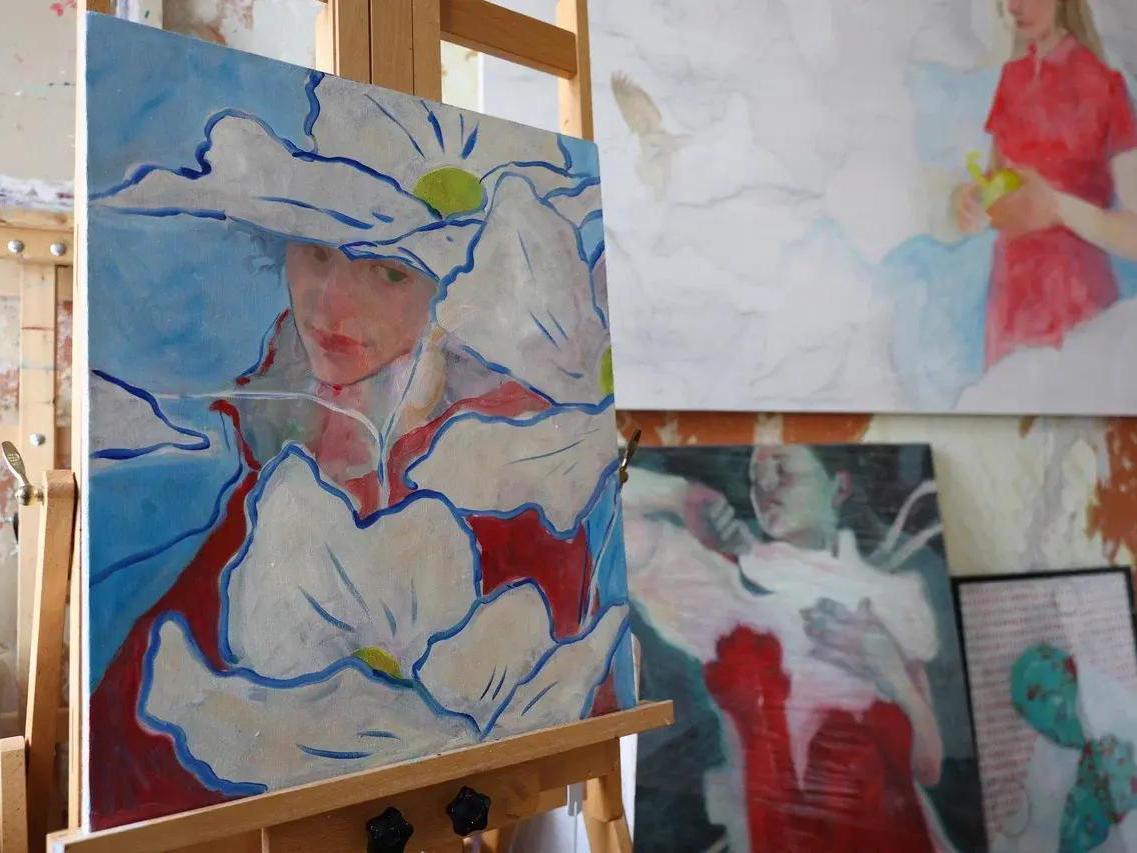
The «Flower» series has just begun, with multiple canvases and sketches occupying the studio.
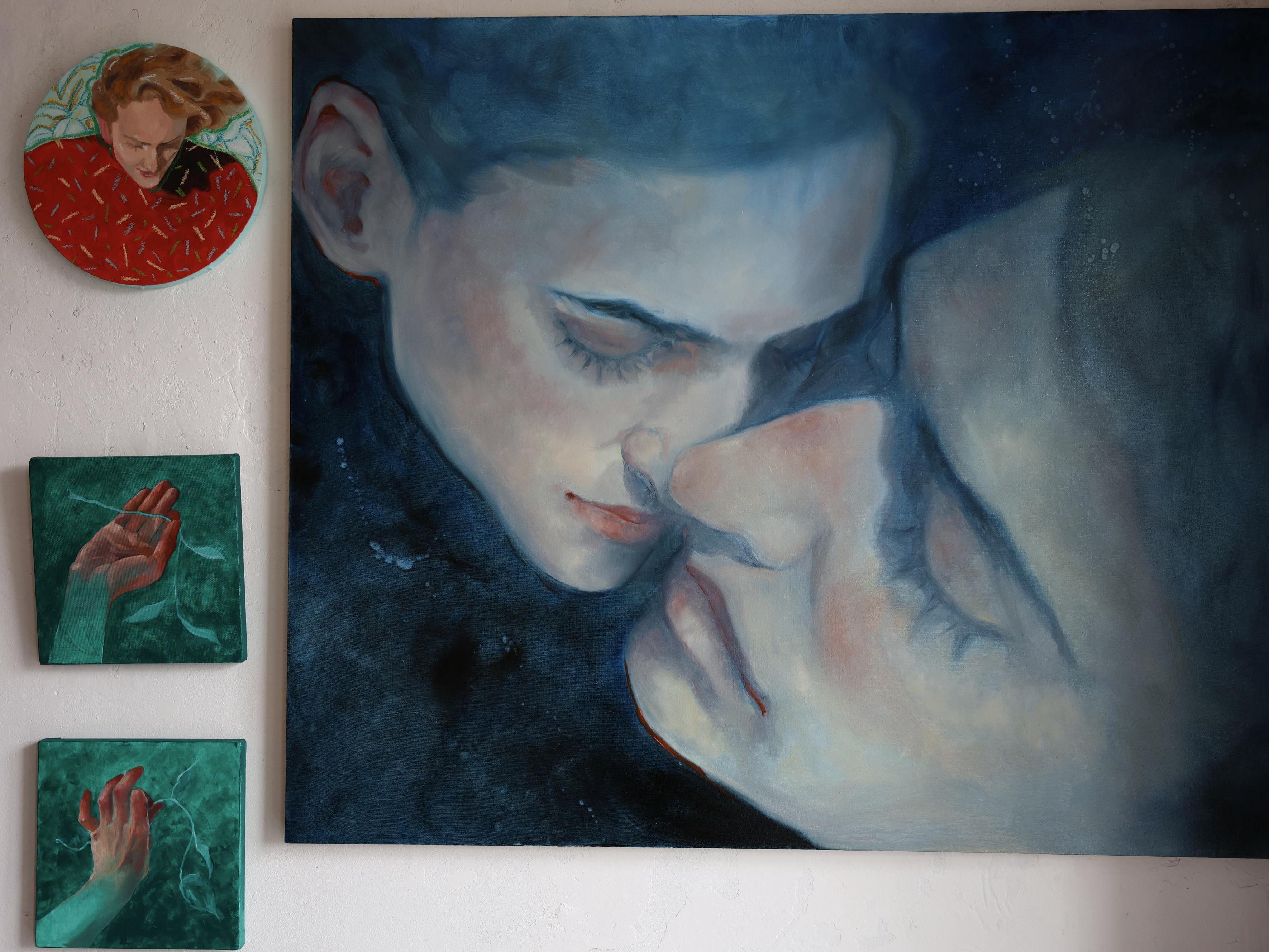
The «Hands» series, shown on the left, is already nearly sold out.
«I Was Gasping for Air in Chelyabinsk»
«Honestly, if I had the money now — I would move. For now I don’t have the means. But today’s Chelyabinsk versus what it was in 2010 is night and day — it has truly become comfortable», Marina answers when asked how she feels in the city now. «In 2010 I was literally gasping for air from what was going on. There was nowhere to go, not even for coffee; there were no galleries except OkNO Gallery. There were no events for creative people. Now it’s different here — there are many artists: some work with textiles, others with graphics. But I’m quite an introvert, like many other artists; mostly I’m always in the studio, busy with my work.»
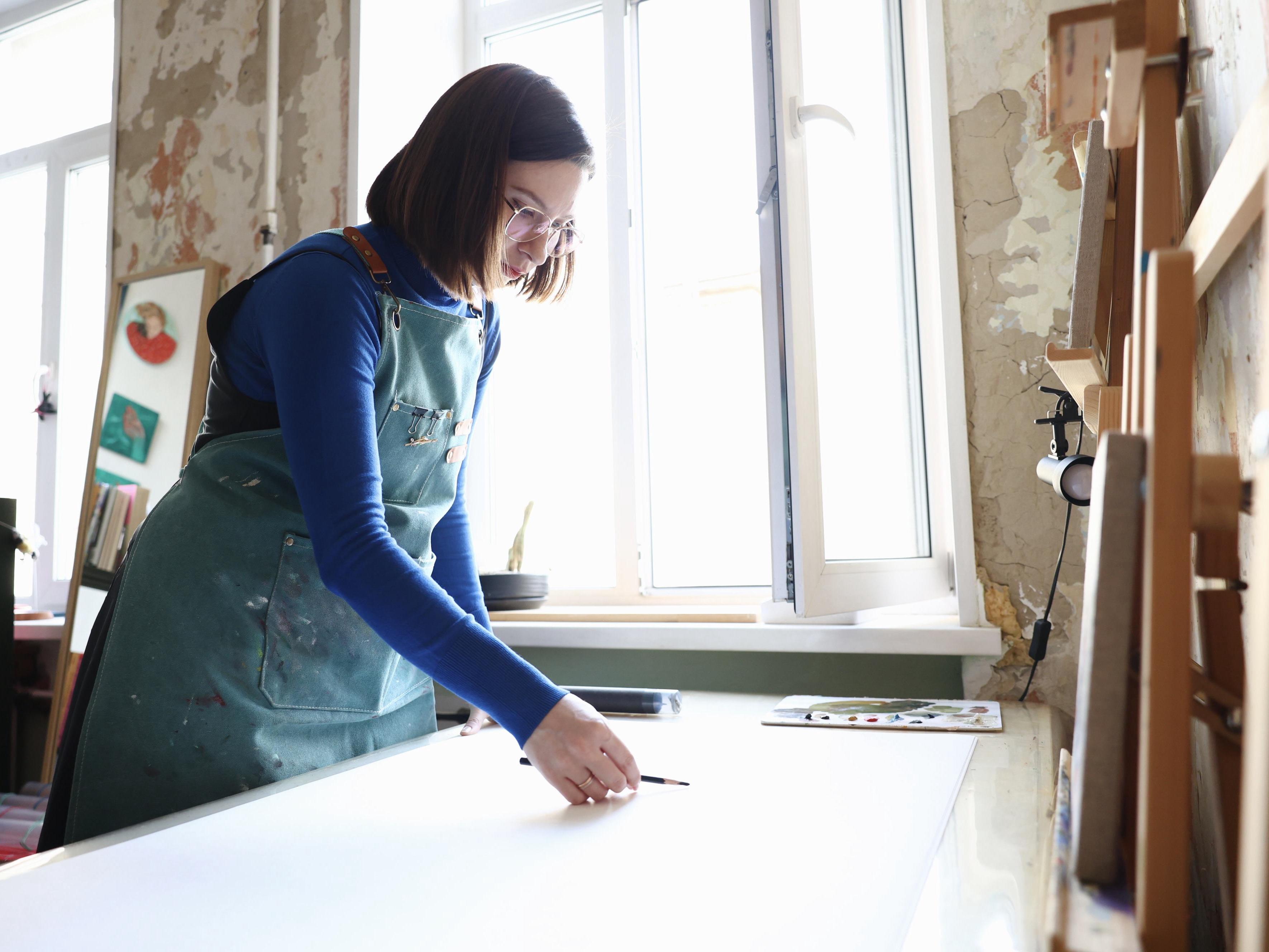
Time passes unnoticed when she is immersed in the work she loves.
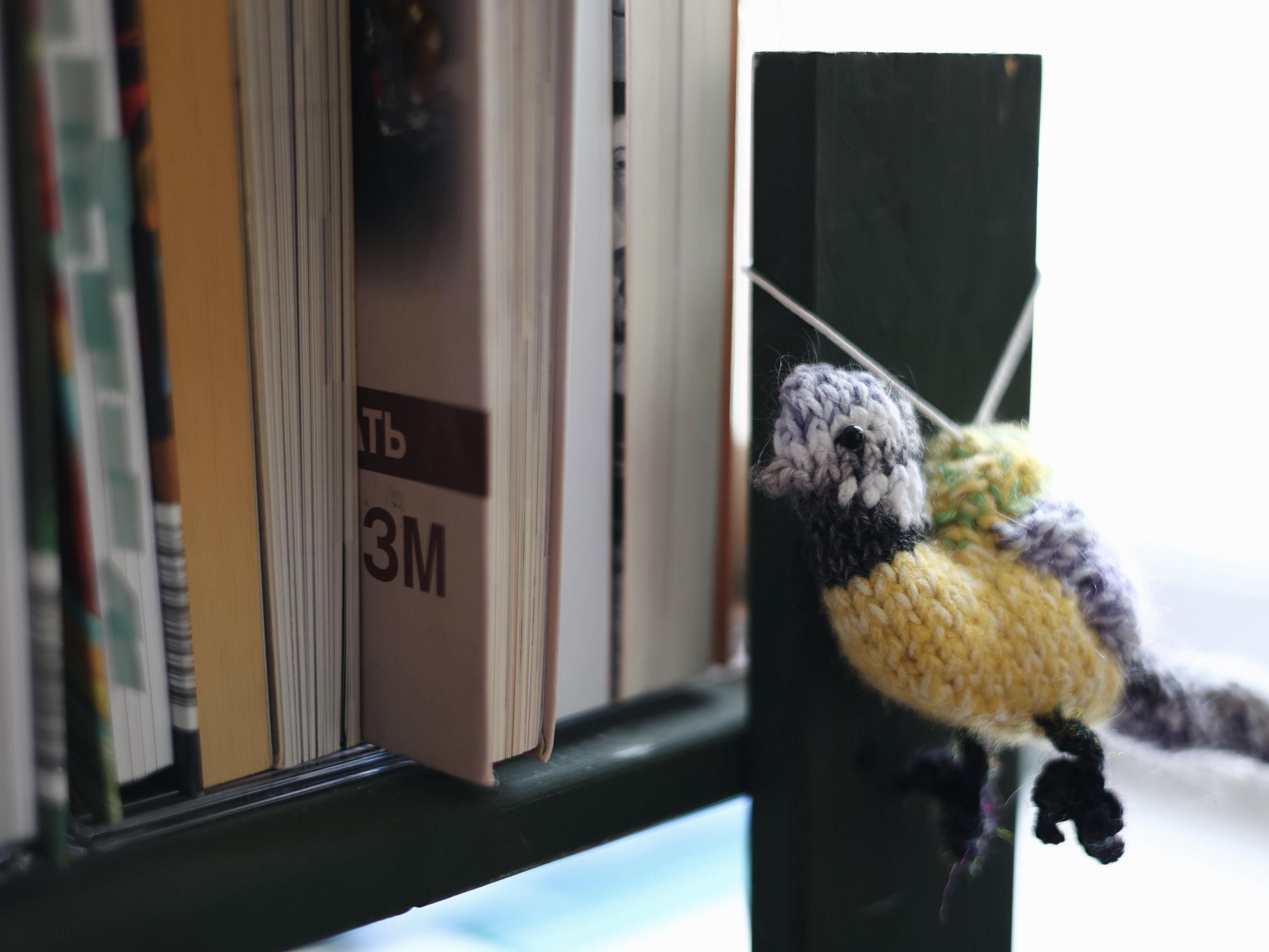
Charming details contribute to a homelike atmosphere throughout the intimate working space.
However, Marina’s life is not limited to work alone. She admits she was recently married and shows a masterfully executed pencil portrait on the wall.
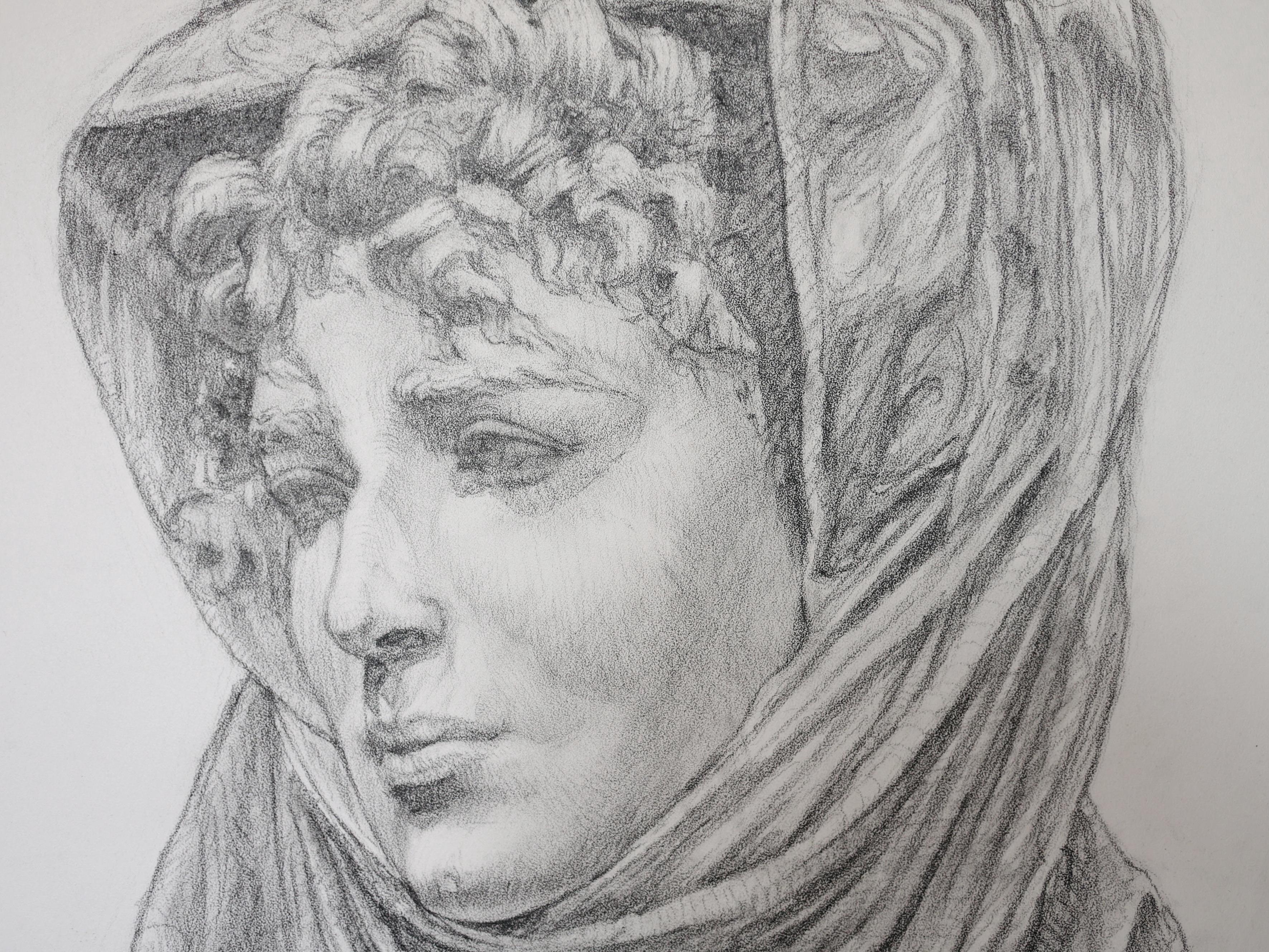
It is hard to believe that a self-taught artist drew this well.
«My husband draws too — though he never received any training, not even art school. His family is creative as well, and he works in logistics. But I’m trying to pull him into art too», she laughs.