Volgograd Fears Import of Agonizing 'Bone-Breaking' Chikungunya
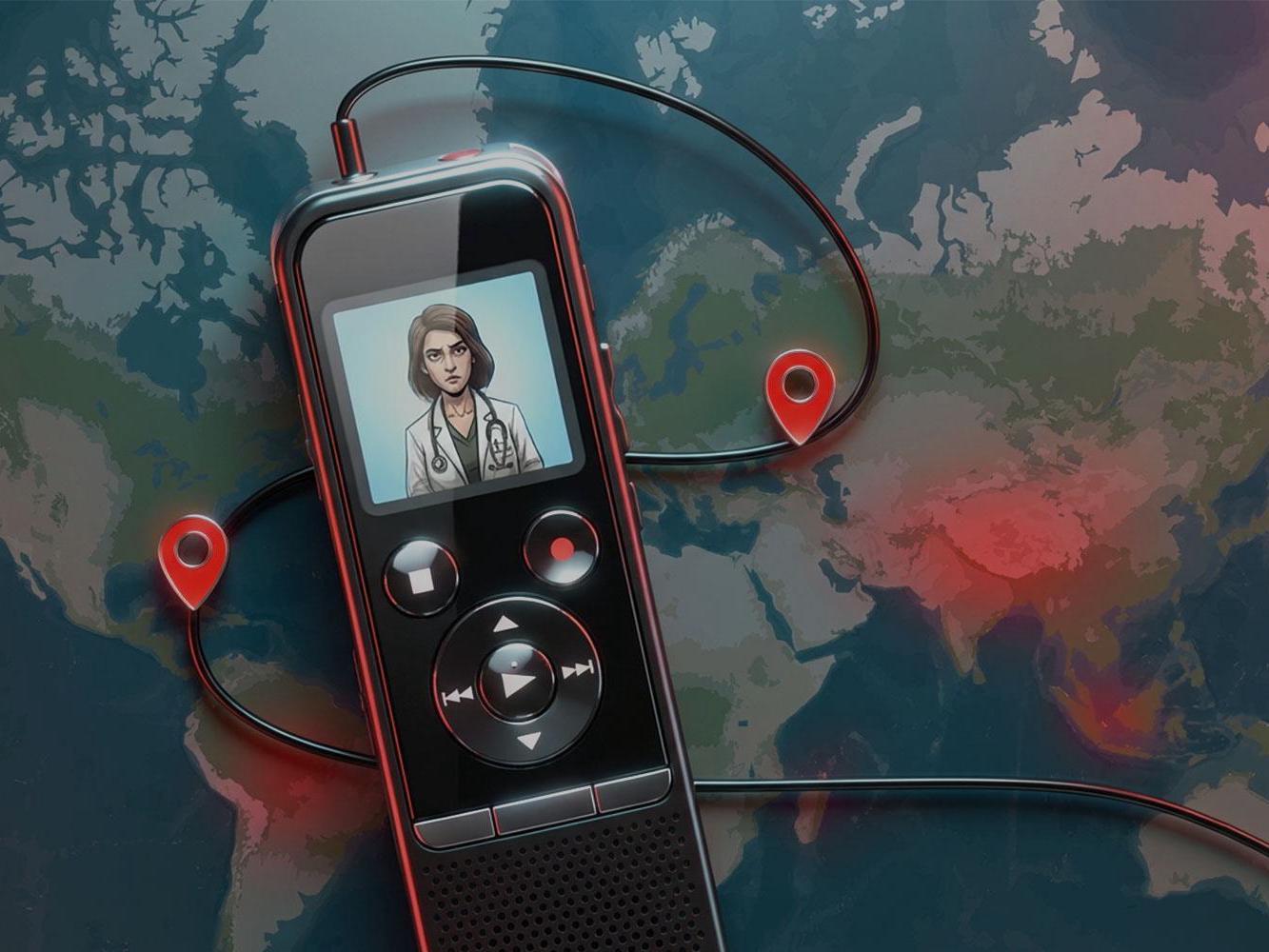

Severe joint pain, skin spots, and high fever are symptoms of the dangerous chikungunya fever, an epidemic that has struck Latin America and Southeast Asia. Infectious disease specialists and experts from Rospotrebnadzor (the Federal Service for Surveillance on Consumer Rights Protection and Human Well-being) warn that this disease is not as far from Volgograd as it seems. Especially since only one mosquito bite can lead to contracting «bone-breaking fever».
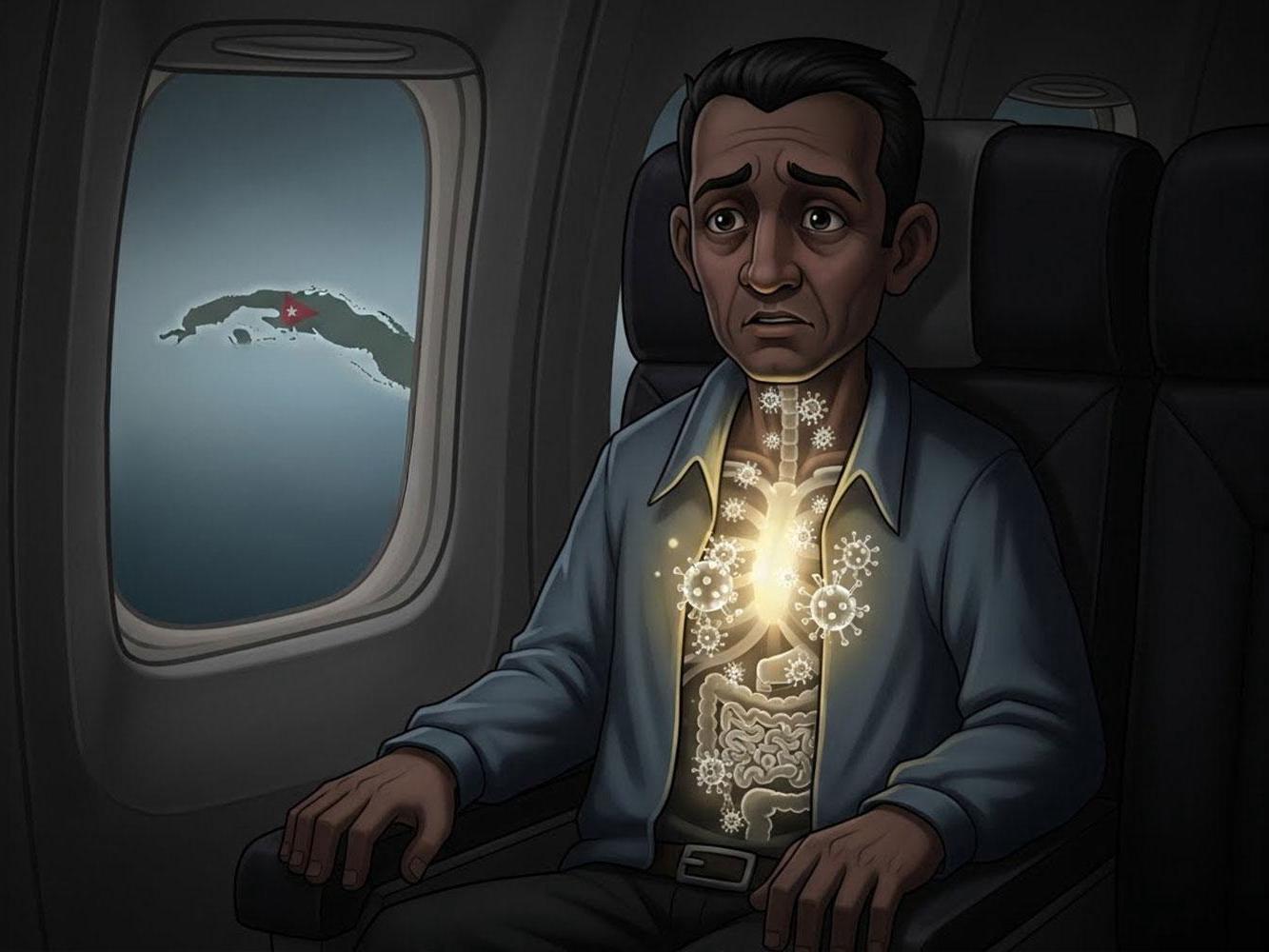
«What is that terrible epidemic in Cuba?»
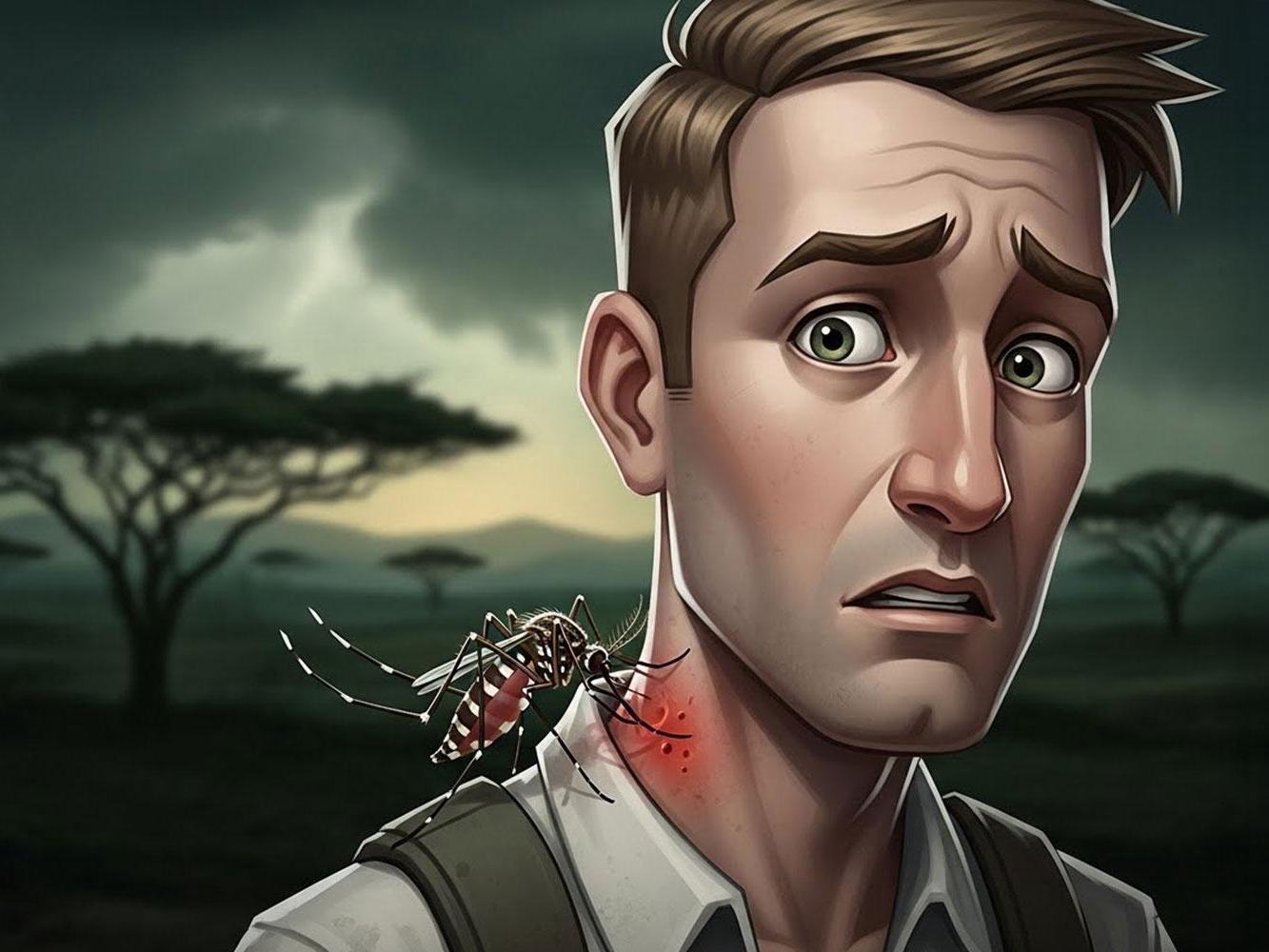
Panic reports about an epidemic in Cuba involving three mosquito-borne viral diseases emerged right after the New Year. Infected individuals complain of high fever, diarrhea, vomiting, joint swelling, and the appearance of skin spots. There are reports of overcrowded hospitals, shortages of medicine, and dozens of victims. Tourists on the Island of Freedom are warned to take maximum precautions and carefully monitor their health after returning home.
Paying close attention to the reports of the epidemic in Cuba is Dr. Ancha Baranova, a Doctor of Biological Sciences from the USA, a professor at George Mason University, and a leading researcher at the Medical Genetics Research Center of the Russian Academy of Medical Sciences.
«What is that terrible epidemic in Cuba? Most likely, chikungunya. It is transmitted by mosquitoes. Fortunately, arboviruses are not transmitted through the respiratory tract. In the case of chikungunya, the vectors are mosquitoes of two species, Aedes aegypti and Aedes albopictus,» she says. «The bad thing about the chikungunya virus is that humans serve as its reservoir. There is a sick person. A mosquito bites them, then flies and bites another person. That other person gets sick. To combat the virus, two things are done. First, isolate the person by placing them under a mosquito net. But this doesn»t mean they are swaddled and prevented from moving. The net is large; you can even close the entire room so that mosquitoes cannot get in, bite the person, and fly away.«
«This seems to be a problem in Cuba: people are getting sick at home. That»s why the virus spreads. The second method is the eradication of mosquitoes and their larval habitats, meaning puddles of water. This is being done,« says Ancha Baranova. »In November, however, Cuba was badly hit by a hurricane. After that, water was everywhere, and mosquitoes multiplied. Cuban doctors call the situation a «combination of arboviruses». It«s not a hybrid virus. Just that some were »lucky« to catch chikungunya, some dengue, and some the Oropouche virus. And all of them are mosquito-borne.»
«Main Symptoms Include Fever and Severe Joint Pain»
The chance of contracting chikungunya in Volgograd and the Volgograd region is small but not zero, warns the Federal Service for Surveillance on Consumer Rights Protection and Human Well-being. And it can be brought to the region not only by tourists but also by visitors from countries endemic to the fever. Especially since law enforcement agencies in September, October, and November of last year reported detaining Cuban citizens found in Volgograd. However, as it turns out, Cuba is far from the only country prone to fevers, and it can be brought from various parts of the world.
«There is a risk of importing this infection from abroad,» reported the Rospotrebnadzor Office for the Volgograd Region. «Chikungunya fever is widespread in South and Southeast Asia; countries in Africa south of the Sahara; islands in the Indian Ocean; and Central and South America. In recent years, large epidemics of chikungunya fever have been recorded in India, Indonesia, the Comoros Islands, Reunion, Mauritius, the Seychelles, and Madagascar. Cases of local transmission have begun to be noted in the Mediterranean region of Europe.»
To reduce the risk of infection, those traveling to countries endemic for chikungunya fever are advised to avoid insect bites: wear closed clothing, use repellents, use special nets for windows and doors, and use aerosols, fumigators, and other means intended for mosquito control indoors.
As added by Rospotrebnadzor, symptoms of the disease can appear almost immediately or up to two weeks after infection.
«The incubation period of the disease usually ranges from 3 to 12 days from the moment of the infected mosquito bite. In the acute form, the disease begins with a sharp rise in body temperature to 39–40 °C (102–104 °F) and severe joint pain. In addition, asthenia, headache, lower back pain, muscle pain, nausea, vomiting, rash, and conjunctivitis may be noted,» Rospotrebnadzor said. «The main symptoms of chikungunya fever are a rise in body temperature and severe joint pain. Joint damage is symmetrical, primarily affecting several joints of the hands and feet, manifesting as swelling, pain, and numbness.»
«Pain So Severe It Literally Makes You Curl Up»
About how this viral disease is not as easy to bear as it might seem, and it«s not for nothing called »bone-breaking,« explained Olga Chernyavskaya, head of the Department of Infectious Diseases with Epidemiology and Tropical Medicine at the Volgograd State Order of Honor Medical University.
«Chikungunya is a disease that belongs to the viral hemorrhagic fevers. It has another name—»bone-breaking fever«—because strong joint pain is characteristic of the clinical picture of the disease,» said Olga Chernyavskaya. «It is a natural-focal infection found in countries with a tropical climate. If we talk about who can import it, Cubans are not at the top of the list. Yes, it occurs in Caribbean countries, but it is more widespread in Asian countries, some African countries. For example, in India, about a million people fall ill each year.»
As Olga Chernyavskaya explained, sources of infection are animals: monkeys, bats, some rodents. The infection does not manifest in them; they are carriers of the viruses. But infected people face real torment.
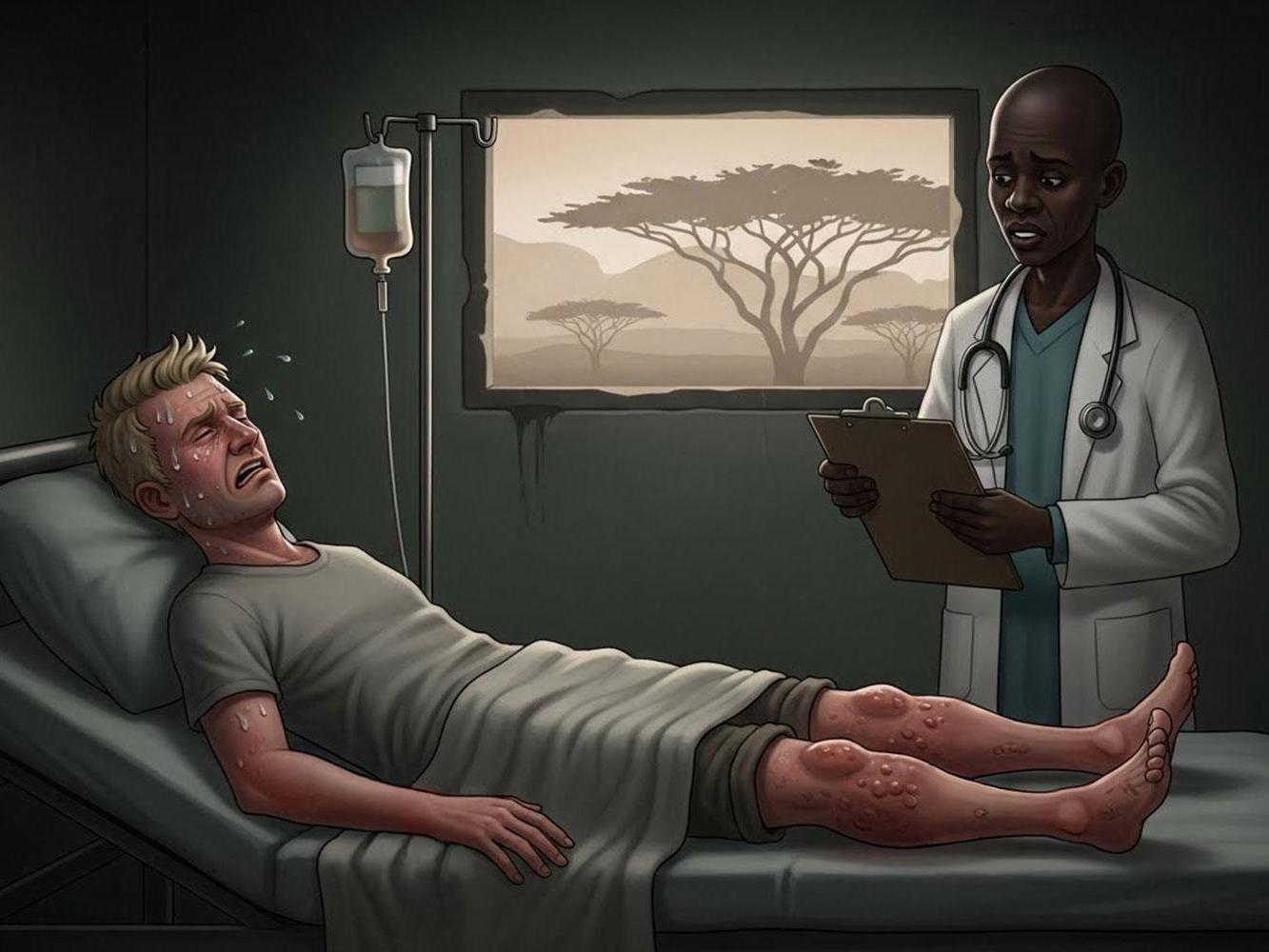
«Joint pain, especially in the knees, elbows, as well as in the hands, feet, and spine, is so severe that a person simply loses the ability to move, it hurts so much. Some relief is obtained when the limbs are in a bent position,» said Olga Chernyavskaya. «In addition to these symptoms, a maculopapular rash may appear, and a hemorrhagic syndrome may develop: hemorrhagic eruptions on the skin, on mucous membranes, and bleeding.»
«Only Symptoms Can Be Treated Here»
Olga Chernyavskaya warns: there is no etiotropic treatment for chikungunya. Medications can only help a little—to reduce fever and alleviate pain.
«There are no specific antiviral drugs for chikungunya. Pathogenetic and symptomatic treatment is used,» notes Olga Chernyavskaya. «That is, if there is high fever, the temperature is lowered; if there is severe pain and inflammation, non-steroidal anti-inflammatory and detoxification therapy is conducted; for hemorrhagic syndrome—hemostatic therapy. This treatment alleviates suffering and reduces the severity of symptoms. There are also fatal outcomes. Therefore, if, despite all measures taken to protect against mosquito bites, after returning home from vacation, a fever suddenly appears, it is necessary to seek medical help and inform the doctor that there was travel abroad, and specify exactly where.»