Peter the Half-Feed: Why Gossiping Is Forbidden on January 29
Frost on St. Peter's Day is seen as a harbinger of summer heat. According to folk tradition, this day also requires avoiding gossip and travel.
Feb 25, 2026 0
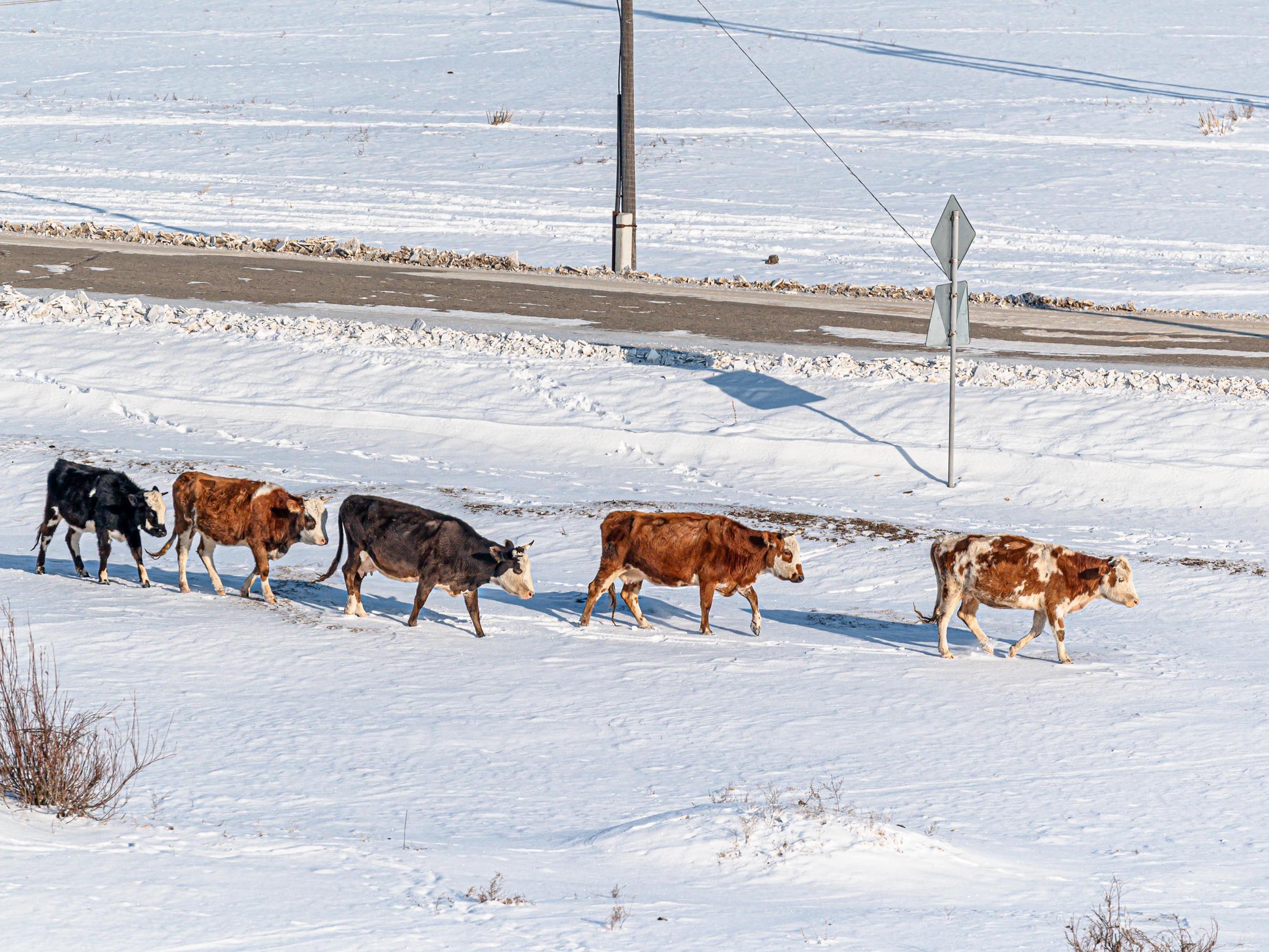

St. Peter was considered the patron saint of domestic cattle in historical Rus«.
Source:
January 29 is marked in the Orthodox calendar as the day of veneration of the honorable chains of St. Peter—one of the disciples of Jesus Christ. The nickname «half-feed» appeared in Rus« because on this date, ancestors assessed how much animal feed remained until the start of spring grazing.
If less than half of the hay and straw was left, peasants began to economize. Folk sayings reflected this: «The cattle fast if the master hasn»t stored feed« or »From Peter the Half-feed onward—half the winter feed is gone.«
Furthermore, on this day people checked how much rye bread remained in the barns. Having more than half of the initial stock promised a good harvest the following summer.
In olden times, St. Peter«s Day was considered one of the coldest of the year, so people tried to spend it at home surrounded by family and friends. Setting out on a journey was considered a bad omen—one might not return from the trip.
In Rus«, it was believed that dark forces, which had been active the day before, roamed near their homes on this day, so it was unwise to attract their attention with fights, quarrels, and confrontations.
It was also forbidden to spread gossip and eavesdrop on this day—it was feared this could lead to hearing loss.
Read more