Volgograd vet: When pets swallow foreign objects
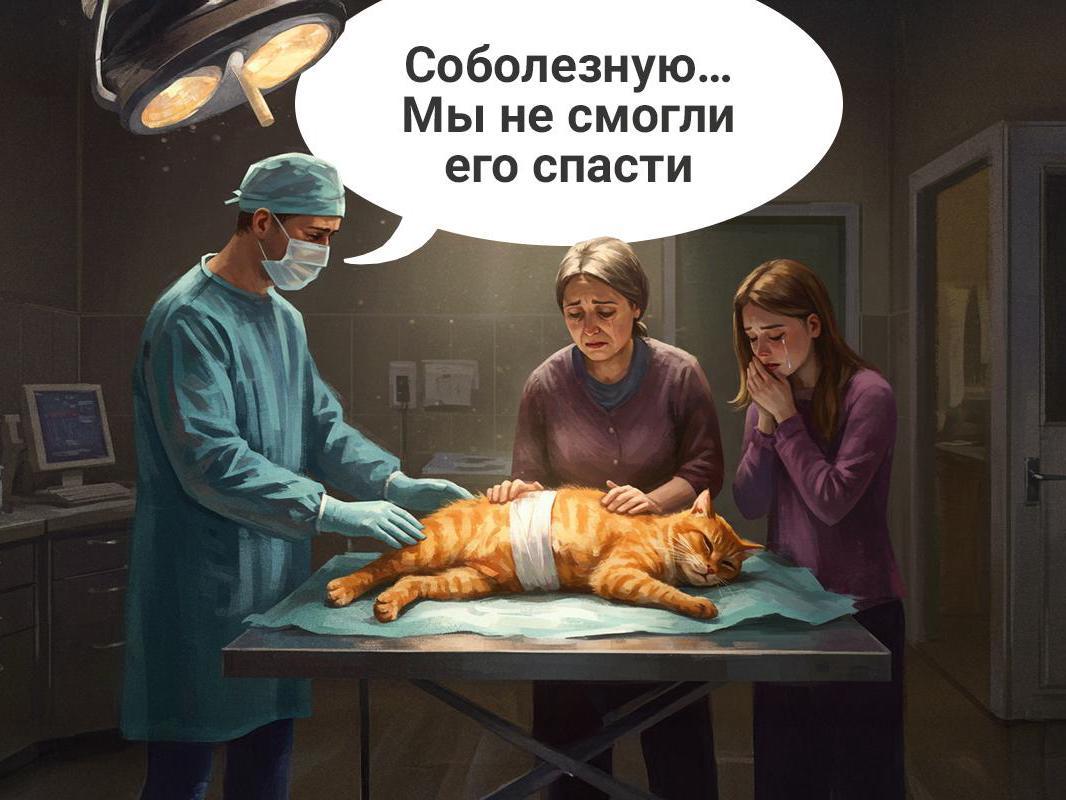

A trivial household object can become deadly when a curious pet swallows it by accident.
Almost any object accidentally left within reach can pose a deadly threat to pets, even if it looks entirely harmless. What happens to cats and dogs that decide to play with—and swallow—things they shouldn’t, and, most importantly, whether owners can help, was explained by Anastasia Soboleva, a participant in the project «FaktChek: Zdorovye bez mifov» (“FactCheck: Health Without Myths”) and director of the Tsentr veterinarii VolgGMU (Center of Veterinary Medicine of Volgograd State Medical University, VolgGMU).
«We couldn’t save him. It still feels like he’s alive»
Ekaterina, who recently lost her beloved cat, knows firsthand how dangerous foreign objects can be when animals swallow them by accident. This year Larry turned 10. He had always been a mischievous fellow with an adventurous streak and great zest for life. His love of escapades and games played a cruel joke on him.
— Larry was always on the lookout for something to snatch, — says Ekaterina. — He could open cupboards and pull out things he liked. In one of those cupboards my mother kept a basket of yarn balls. While no one was home, Larry opened the doors, took out the balls, and batted them around the apartment. When we returned, all the furniture was wrapped in thread. Having played to his heart’s content, the cat was peacefully asleep on the sofa. We scolded him, wound the yarn back up, and forgot about it.

A playful cat’s fascination with yarn led to intestinal blockage and fatal complications.
A couple of days later, Ekaterina noticed Larry was vomiting frequently. He stopped eating and using the litter box. Always active, he suddenly became quiet and eerily calm. Ekaterina and her mother decided to take him to a veterinarian. At a well-known chain of veterinary clinics, they were told the cat had simply swallowed hair that clogged his stomach. He was prescribed antiemetic injections and sent home. For several days Larry received the shots, but he did not improve.
— Then we took him to another clinic, where they immediately ordered numerous tests and did an ultrasound. It turned out something was stuck in Larry’s intestine, and he needed urgent surgery. Treating him was going to be expensive: all tests together with the operation and further treatment with special medications would cost almost 150,000 rubles (about $1,500 at current rates). But we agreed.
During surgery, doctors discovered that because of an intestinal obstruction Larry had developed multiple perforations in the small intestine and peritonitis. Without surgery he could have died at any moment, but the operation itself also carried many risks.
— The doctors had to remove almost 70% of his small intestine, — says Ekaterina. — We were really hoping it would help, but we couldn’t save him. We had been warned the operation was very risky and his chances were slim. The next day his sutures gave way, he slipped into a coma, and died. We couldn’t save him. I still can’t believe it. It feels like he’s still alive. When I come home, I expect him to come meet me and meow, just like always…
Veterinarians removed a ball of thread from the cat’s intestine — the very same yarn Larry had stolen from the cupboard a few days earlier. He had been playing and somehow swallowed the ill-fated ball. The thread blocked his intestine, causing an obstruction, then peritonitis, and ultimately the cat’s death.
First signs of trouble
Tragic consequences can be avoided if you seek qualified veterinary help in time. Veterinarian surgeon and director of the Tsentr veterinarii VolgGMU (Center of Veterinary Medicine of Volgograd State Medical University, VolgGMU) Anastasia Soboleva explains what can lead to a dangerous condition and which symptoms owners must watch for.
— Most often, foreign objects are swallowed by kittens and puppies in their first year of life. While playing, little ones often gulp down small items and then the problems begin. However, adult cats and dogs also frequently swallow various objects, — says Anastasia Soboleva. — Veterinarians remove all sorts of things from animals’ gastrointestinal tracts: plastic bags, strings, thread, needles, small children’s toys, cat toys, pieces of electrical wiring, balls, bones, sticks, even owners’ socks, and many other very odd, absurd, and wholly out-of-place items for a cat’s or dog’s body.
It is crucial not to lose time and to help your pet immediately. You can recognize that an animal is in trouble by specific signs:
— Symptoms vary greatly depending on where the foreign body is: in the mouth, throat, esophagus, stomach, or intestine, — explains Anastasia Soboleva. — A foreign body in the mouth is usually bone fragments or small items stuck between the back teeth. One of the first signs is frequent jaw movement and heavy drooling. There may also be minor oral bleeding. Pay special attention if the animal rubs its muzzle with its paws — something may be bothering it.
You can suspect that a foreign object is stuck in the throat or esophagus by bouts of choking and retching, the veterinarian notes. If the esophagus is obstructed, the pet vomits after eating or drinking, and dehydration follows.
— A foreign object can enter the trachea or lungs. Then the pet will develop severe breathing problems, and overall deterioration will progress at an alarming rate, — the doctor warns.
Symptoms requiring an urgent trip to the veterinarian:
vomiting;
diarrhea;
abdominal pain (a dog avoids being picked up, arches its back, shows obvious discomfort);
anorexia (loss or decrease of appetite);
straining to defecate, constipation;
lethargy;
dehydration.
Once it reaches the GI tract — trouble ahead
In many cases a pet does manage to swallow a foreign object and it reaches the stomach. But the item will not necessarily be digested.
— A foreign body in the stomach is harder to diagnose, — says Anastasia Soboleva. — In some cases, such objects can remain in the stomach for years without symptoms visible to the owner and without causing obvious problems to the animal. If the object moves around in the stomach, it can cause periodic vomiting. If the foreign object is large, symptoms include frequent retching after food and water.
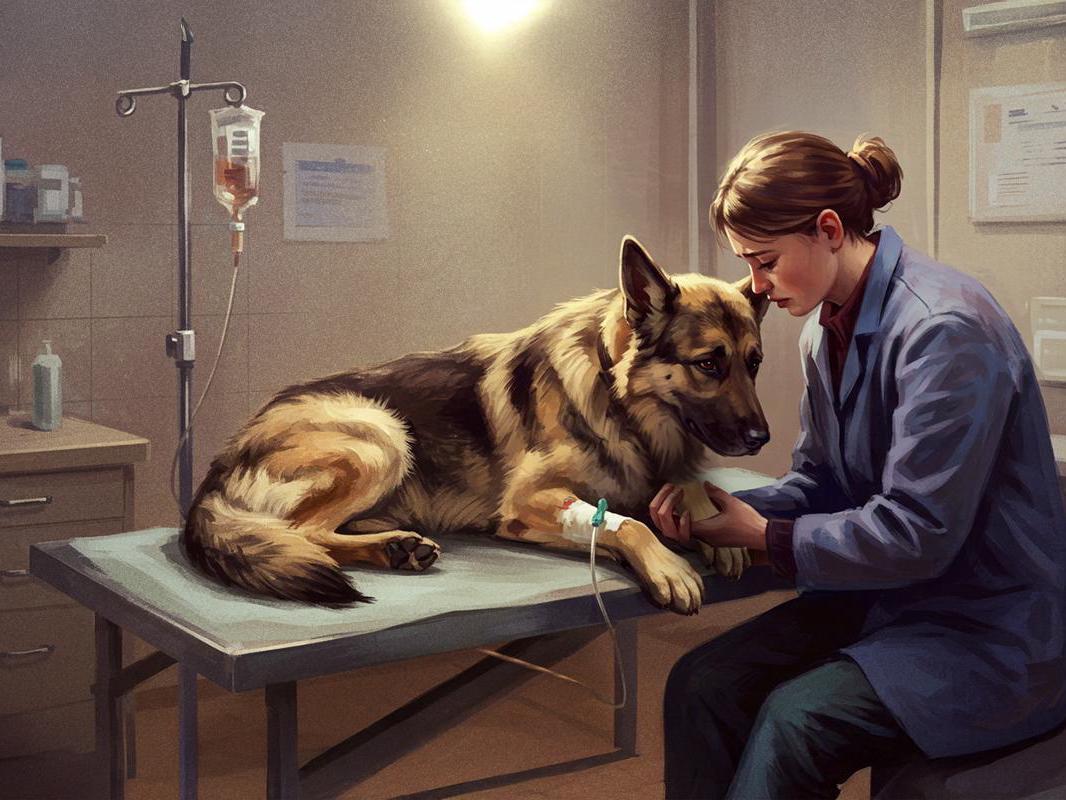
Prompt veterinary care is crucial when vomiting, lethargy, or breathing difficulties suddenly appear.
Cats often develop another type of foreign body in the stomach — a trichobezoar, which can also have very serious consequences.
— Trichobezoars form in long-haired cats due to excessive grooming if owners do not periodically give hairball-control paste and do not brush them with special cat brushes and combs, — explains Dr. Anastasia Soboleva. — Predisposed breeds include Maine Coons, Siberians, British and Scottish breeds, Persians, most often at 5–15 years of age. Usually trichobezoars are vomited out, but sometimes they cause blockage of the stomach or intestine. Then, after X-rays and ultrasound plus blood tests, surgery is performed on the intestine or stomach to remove the trichobezoar.
From the stomach, a swallowed object can pass into the intestines, but that is where it most often gets stuck, posing an extreme threat to the animal’s life.
— A foreign body in the small intestine typically causes relentless vomiting, dehydration, and marked abdominal wall pain, and requires urgent consultation with a qualified veterinarian, — says surgeon Anastasia Soboleva. — If a foreign body is in the rectum and it is a sharp object — sticks, bone fragments, needles, and the like — the animal will arch its back; constipation, spasms, and blood in the stool are possible.
The doctor cautions: a foreign object in the intestine is life-threatening for a pet.
— An object can perforate the organ wall and enter the chest or abdominal cavity (this often happens with sharp items), leading to dangerous complications such as peritonitis, sepsis, and death.
«It’s important to distinguish a foreign body from another disease»
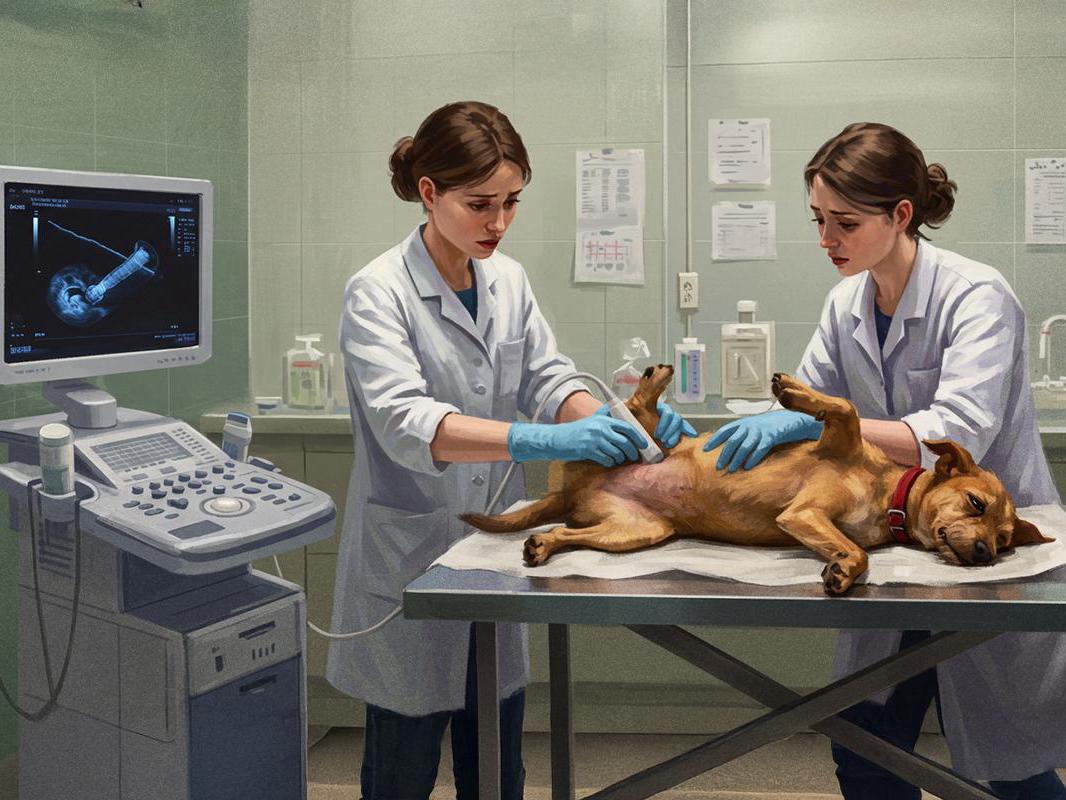
Diagnostics include X‑rays with contrast, ultrasound, blood tests, and, when indicated, endoscopy.
Symptoms that suddenly appear in a cat or dog may also indicate gastrointestinal disease. Veterinarians say diagnosing a foreign body requires a complete blood count, biochemical panel, and urinalysis. These data help the doctor rule out other causes of vomiting, diarrhea, anorexia, and abdominal pain. According to Anastasia Soboleva, owners should make sure their pet has an X-ray with contrast, an ultrasound exam, and, if necessary, a gastroscopy.
— A foreign body must be differentiated from inflammatory bowel diseases (enteritis), gastritis, pancreatitis, ulcers, gastrointestinal neoplasia, and endocrine disorders — hyperthyroidism, hypoadrenocorticism (Addison’s disease) in older animals — which present with symptoms very similar to those caused by a foreign body in the GI tract, — says veterinarian Anastasia Soboleva. — A foreign body causing intestinal obstruction, prolonged vomiting, or diarrhea can lead to significant metabolic and irreversible changes in the body.
The doctor stresses that many objects swallowed by animals are made of toxic materials that are absorbed by the pet’s body and lead to profound systemic diseases. Recovery after such conditions can require up to 6 months of rehabilitation and therapy.
«If it’s stuck in the intestine, surgery is unavoidable»
Treating a pet for the consequences of a foreign body in the GI tract can be difficult, lengthy, and quite costly. Still, to save a beloved cat’s or dog’s life, a caring owner is ready to do whatever it takes.
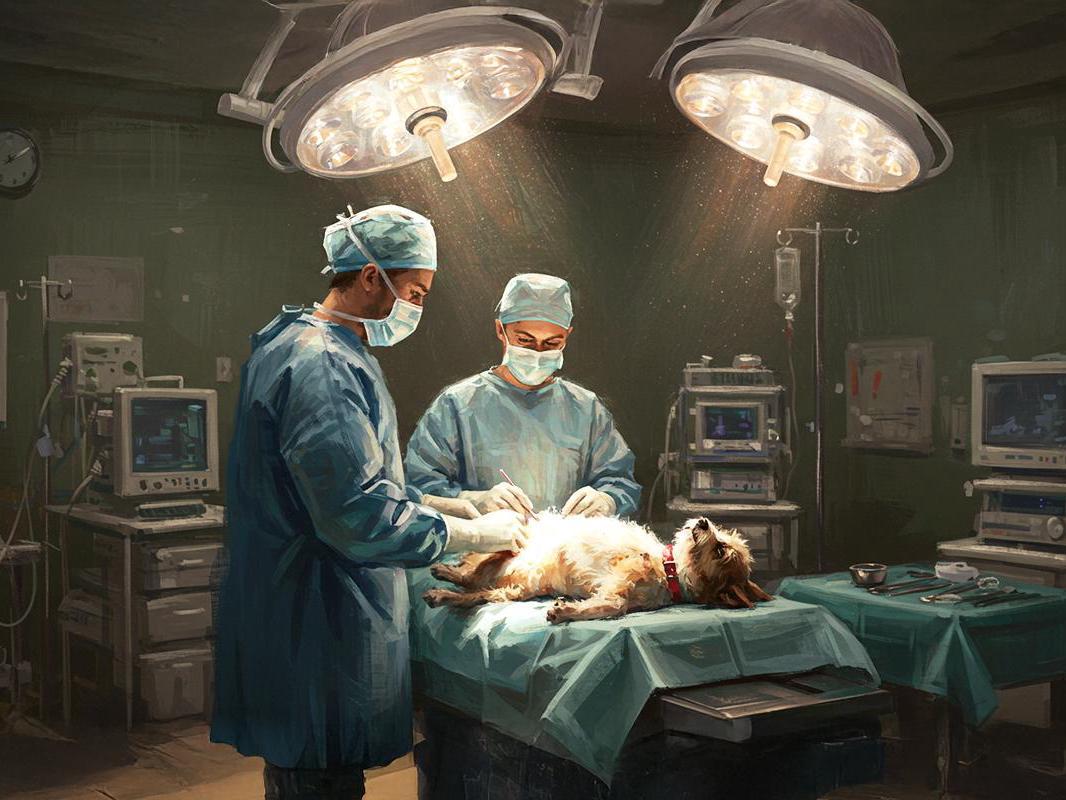
Surgeons often remove obstructive objects and resect damaged intestine, followed by intensive therapy.
Treatment options will depend on the animal’s condition and the circumstances surrounding the foreign object’s entry into the body:
— If the ingestion is recent, a qualified veterinarian may attempt to induce vomiting. Some objects can be removed from the stomach endoscopically, — explains the doctor. — If a dog or cat shows symptoms such as hematemesis or severe pain, intravenous fluids and analgesics are necessary. In some cases, the doctor will recommend urgent hospitalization for round-the-clock monitoring in a veterinary clinic.
When the problem becomes particularly serious, radical surgical measures are required. Based on lab results, X-rays, ultrasound, and the animal’s overall condition, the veterinarian decides whether to operate.
— Obstruction of the intestine or stomach can reduce blood flow to GI tissues, which often become necrotic, — says Anastasia Soboleva. — If the foreign body is in the stomach or intestine, it is removed through an incision in the intestine or stomach. Necrotic tissues and bowel segments are also excised. Postoperatively, intensive therapy is provided with intravenous fluids, pain relief, and antibiotics.
The doctor notes that in most cases of foreign bodies in dogs and cats that do not cause obstruction, the prognosis is favorable. Overall, however, the pet’s health and what happens next depend on several factors:
object location;
duration of obstruction caused by the object;
size, shape, and characteristics of the object;
whether the object triggers secondary diseases;
the dog’s overall health prior to ingestion.
The main rule veterinarians cite for pet owners is to watch your pet closely and keep anything that could harm it well out of reach.