Tyumen volunteers rescue cats abandoned during urban renewal
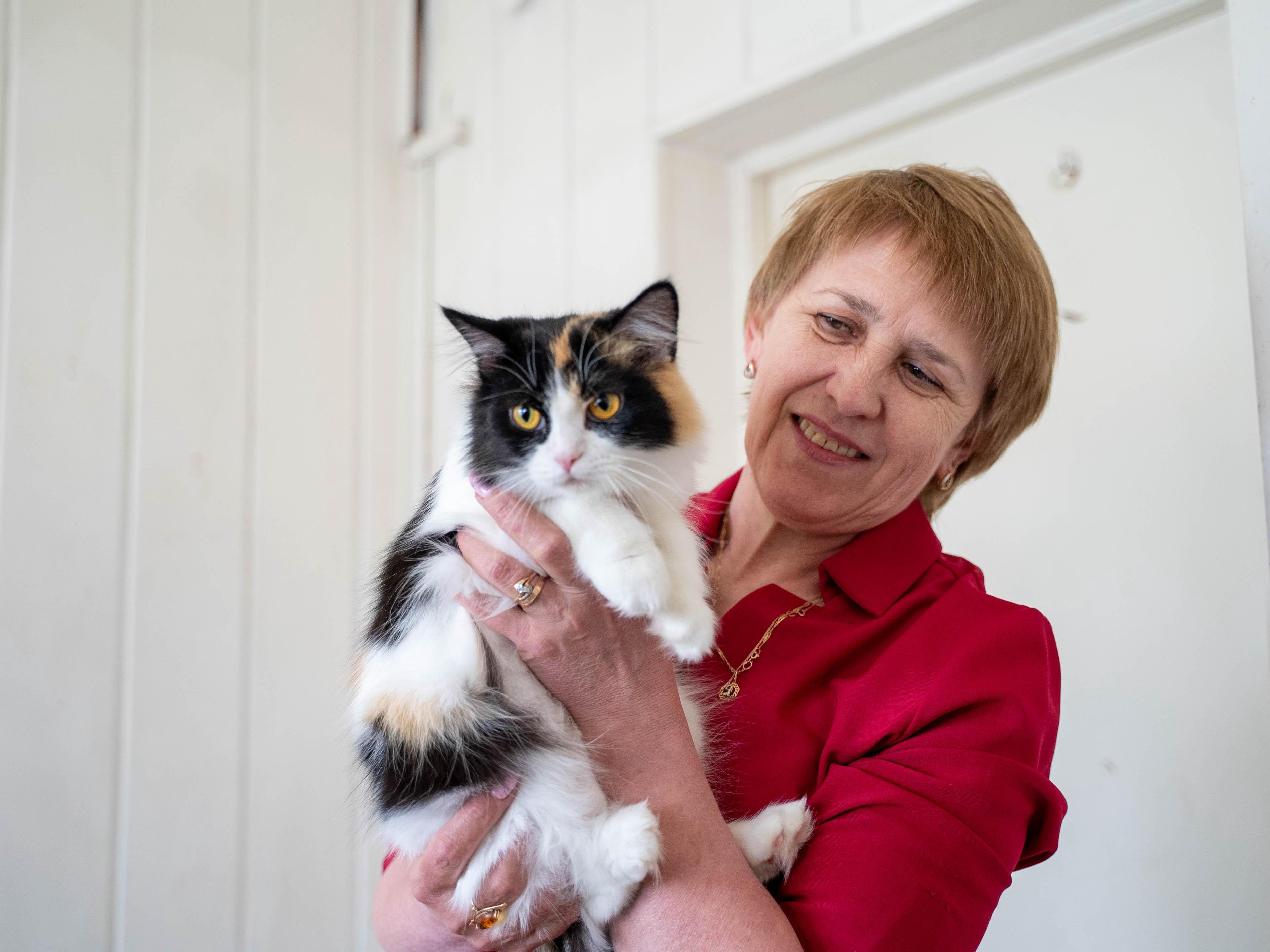

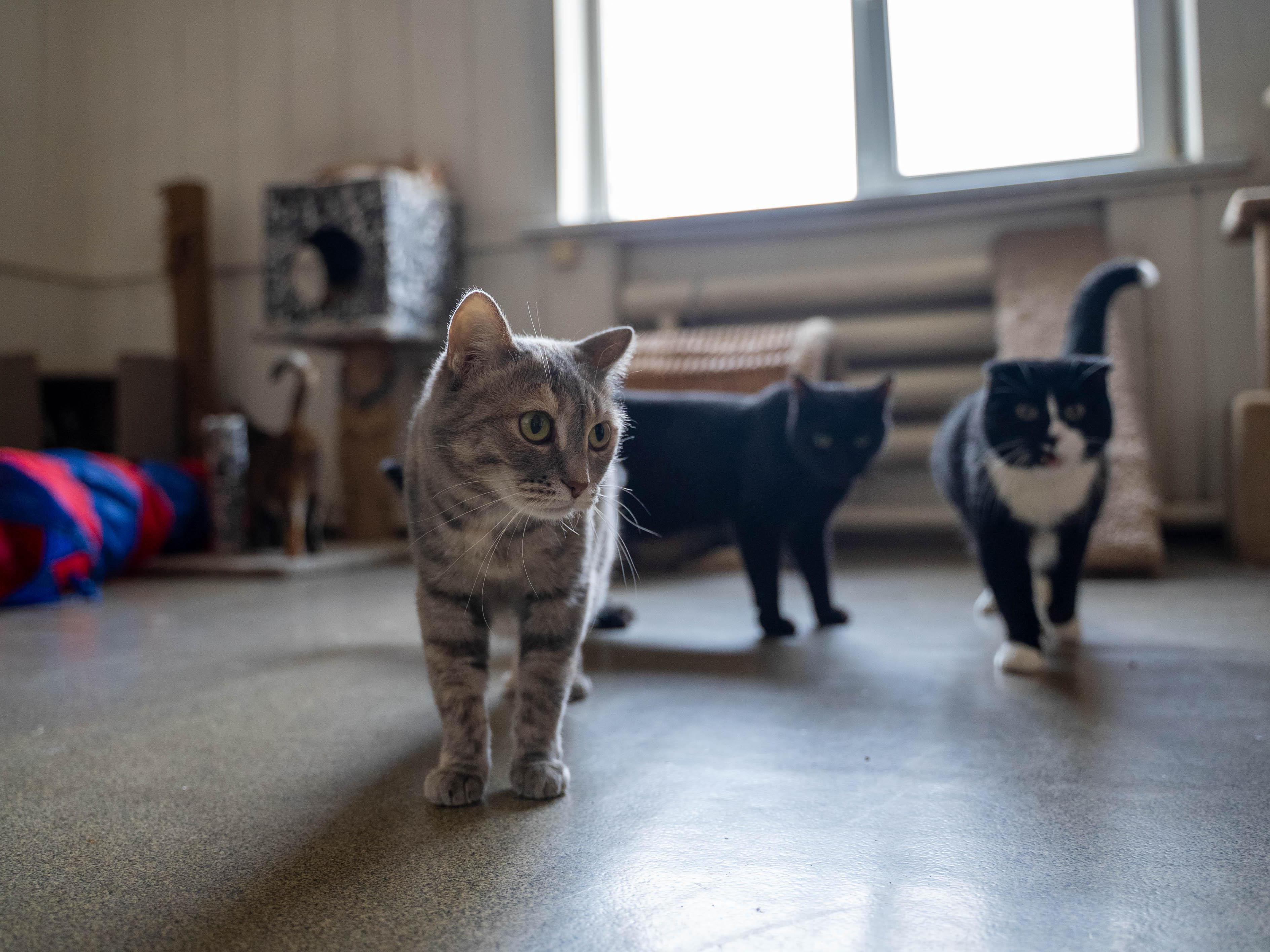
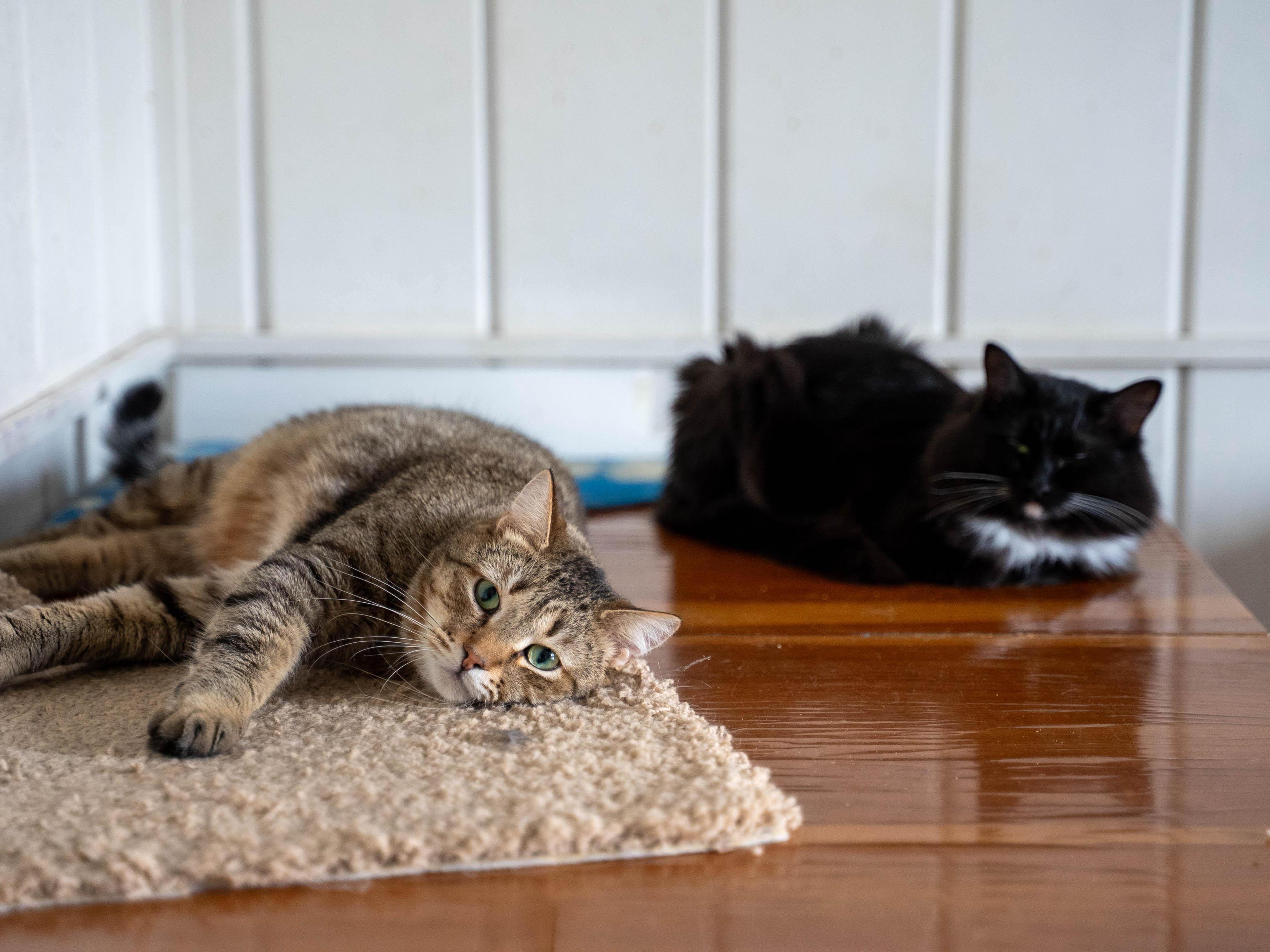
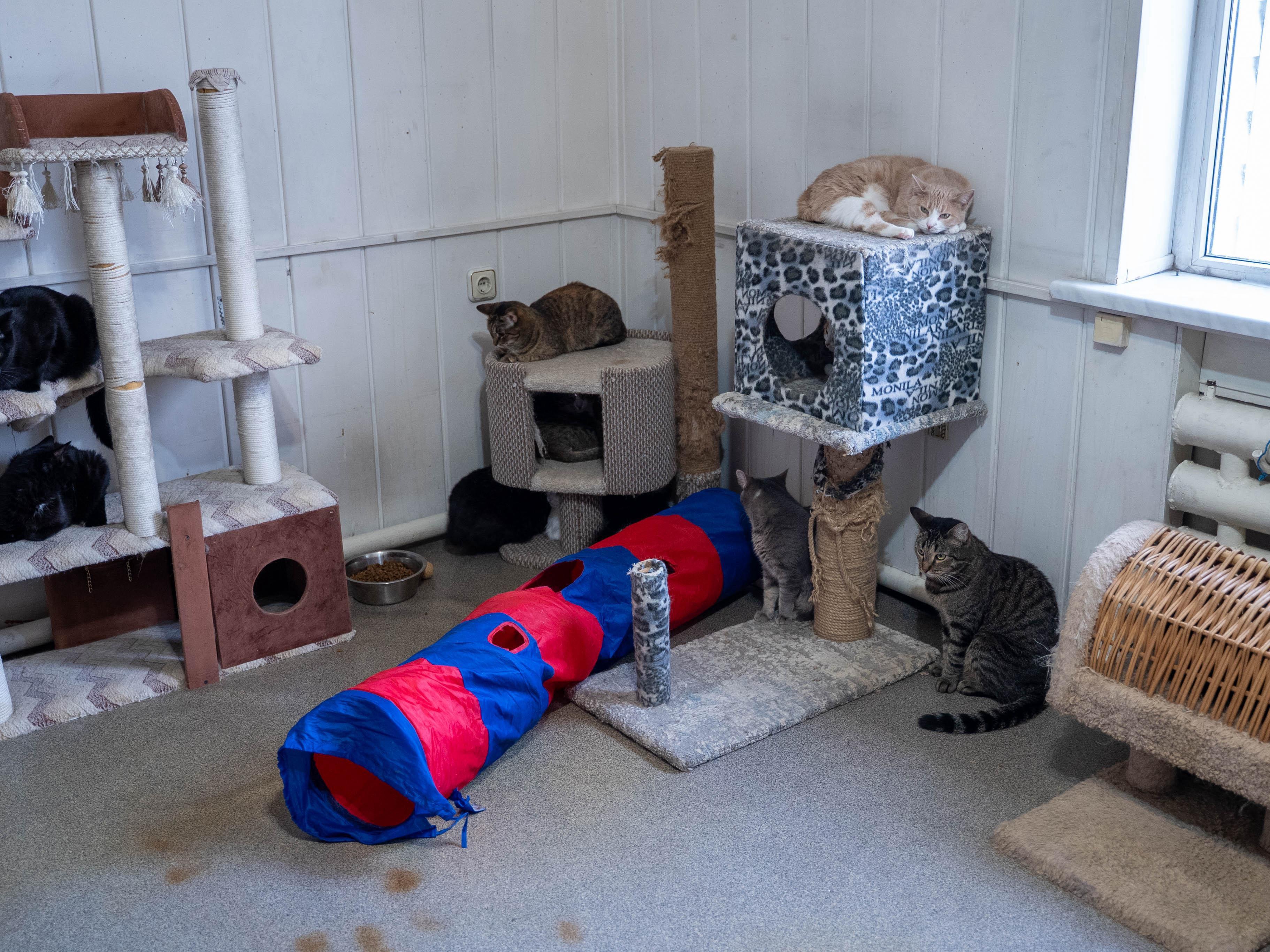
On the second floor of a small house clad in siding, there«s a distinct smell of a mixture of food, litter, and many different cats forced to be close together. Here, in the space of a typical two-room apartment, live about 60 cats. Dozens more are in foster care with volunteers. All of them are temporary residents of a small Tyumen shelter founded by one woman. At the time, she couldn»t imagine how much it would grow.
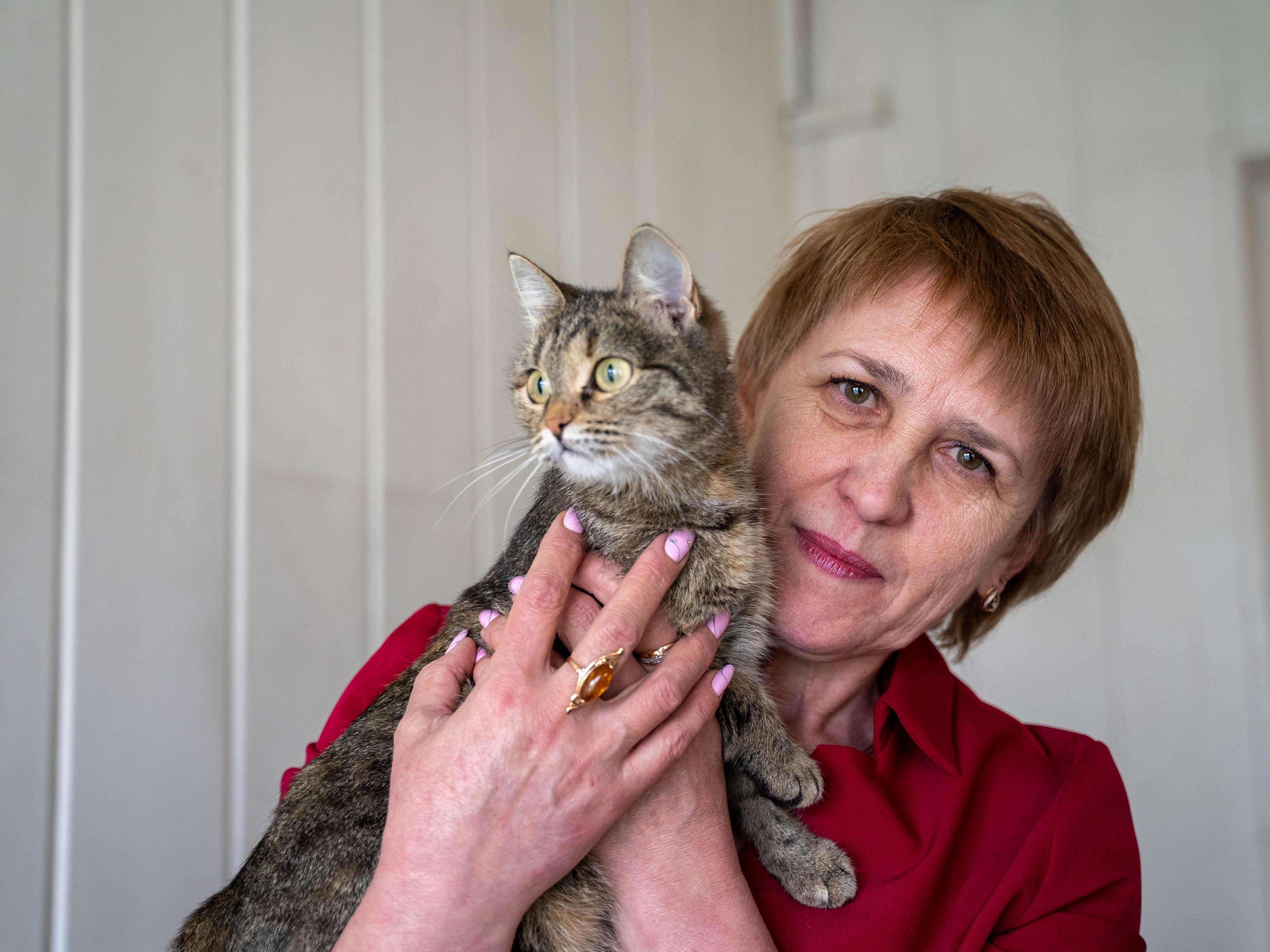
Nadezhda Rybalova, the shelter«s founder, recalls that it all started with one kitten found in an entryway five years ago. She asked for help from volunteers, but nothing came of it.
“I wrote to all the groups – silence. It felt unfair,” Nadezhda says. “I found a paid foster home and paid for it myself. And so it began.”
Paid foster care gave way to a rented room where she set up a mini-shelter. Then, a small apartment. And two years ago, volunteers told her that an entire floor was empty in one building. So the abandoned cats got a place that could be called home – temporary, but much safer than the entryways, basements, and construction sites from which they were taken.
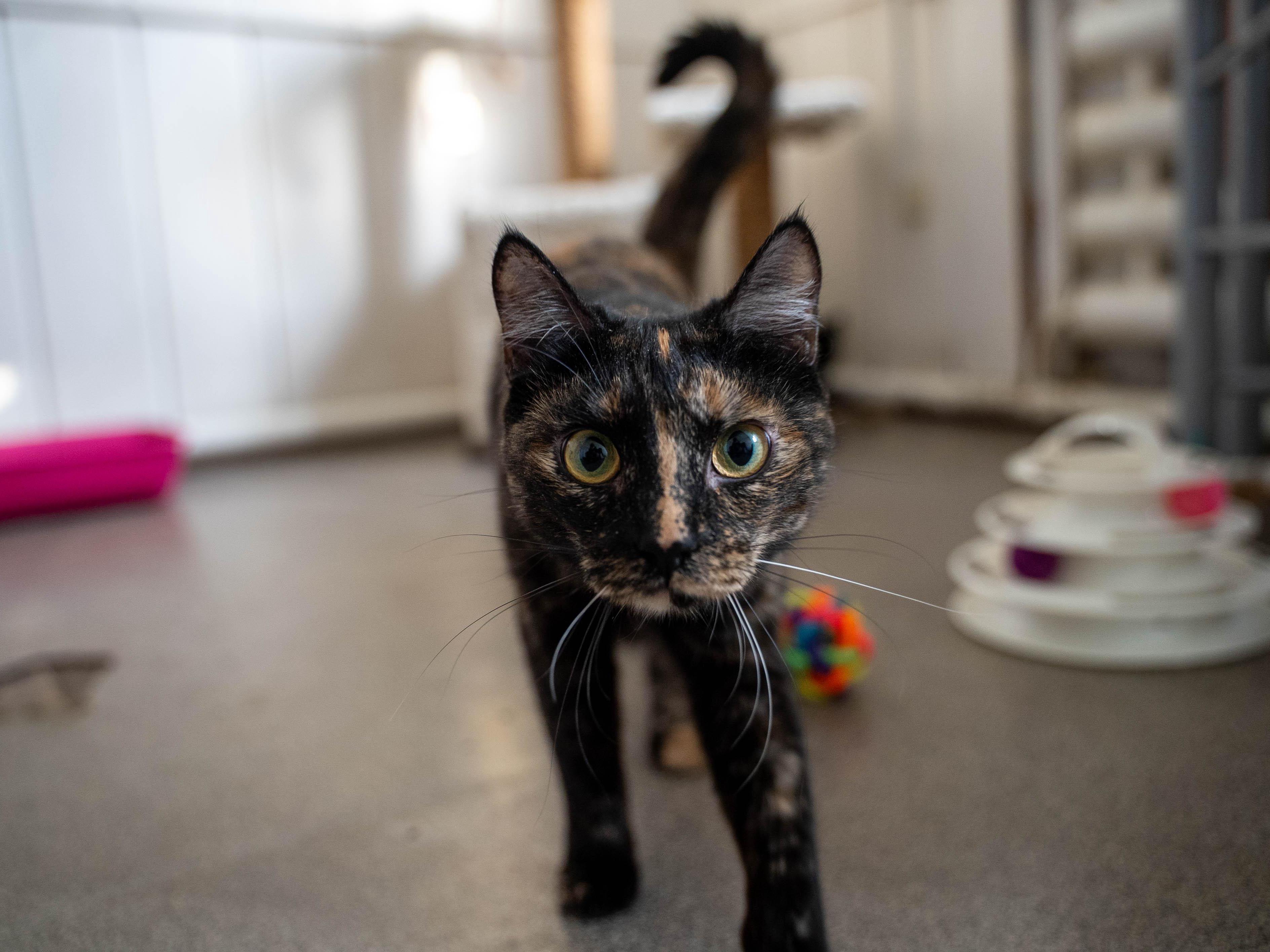
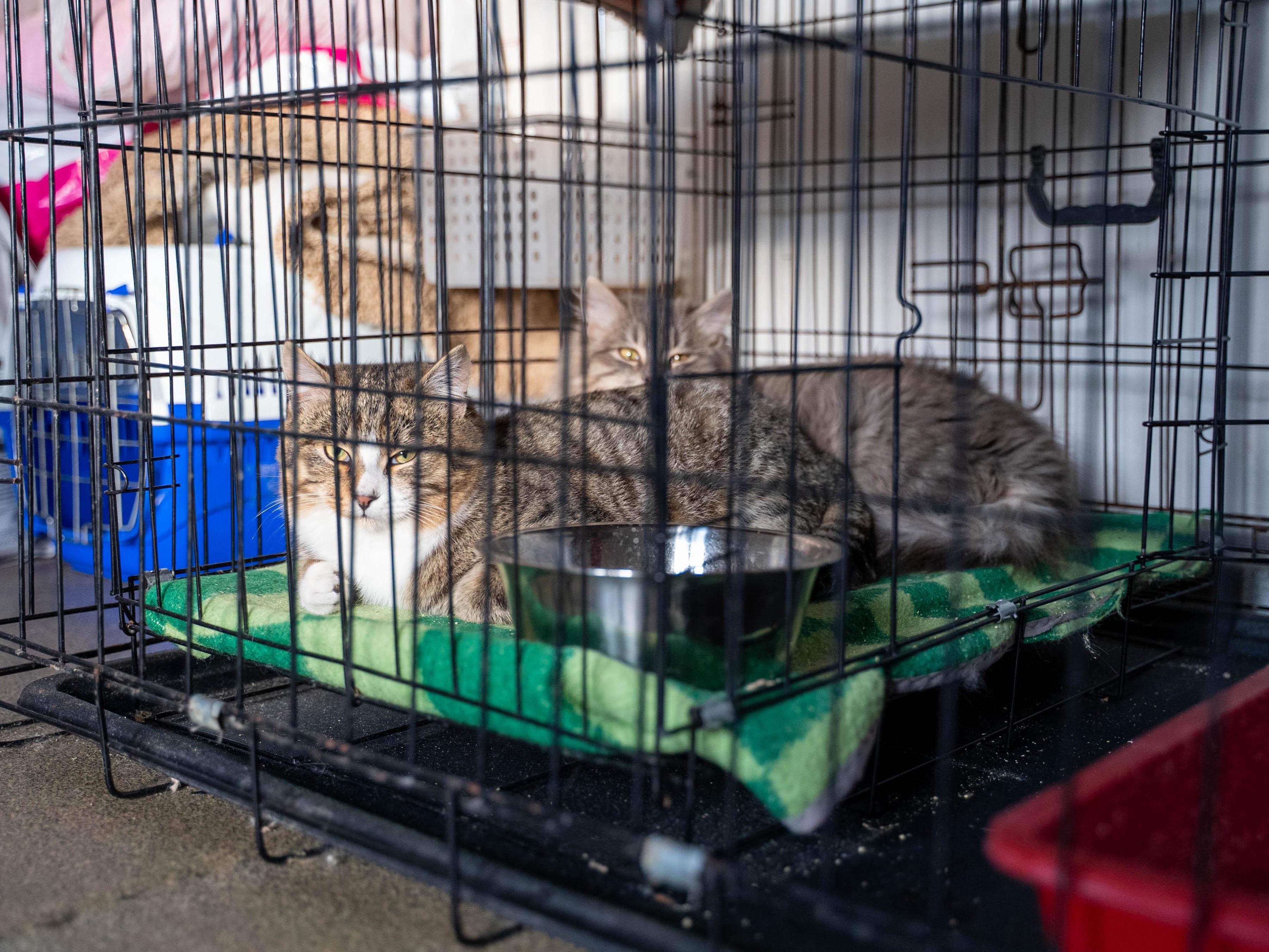
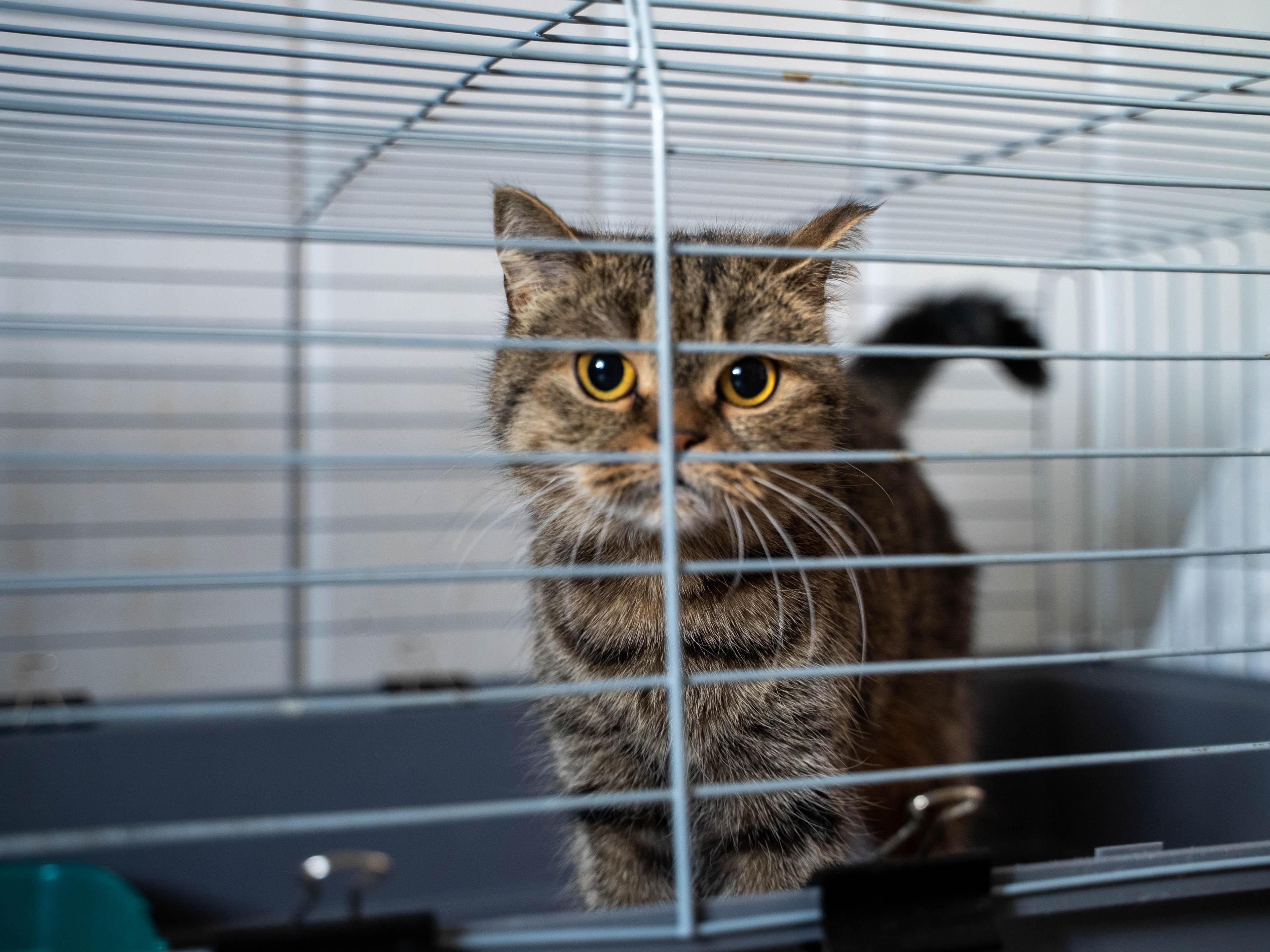
Renting the space costs 15,000 rubles (approximately $150 at current rates) per month plus utilities. It sounds manageable, but the main financial drain is caring for the animals: food, litter, and medical treatment. Especially when the number of cats approaches 100, including all those in foster homes.
“Without treatment, it«s at least 50,000 rubles (approximately $500 at current rates) per month. And if someone gets sick, the bill can multiply,” Nadezhda explains.
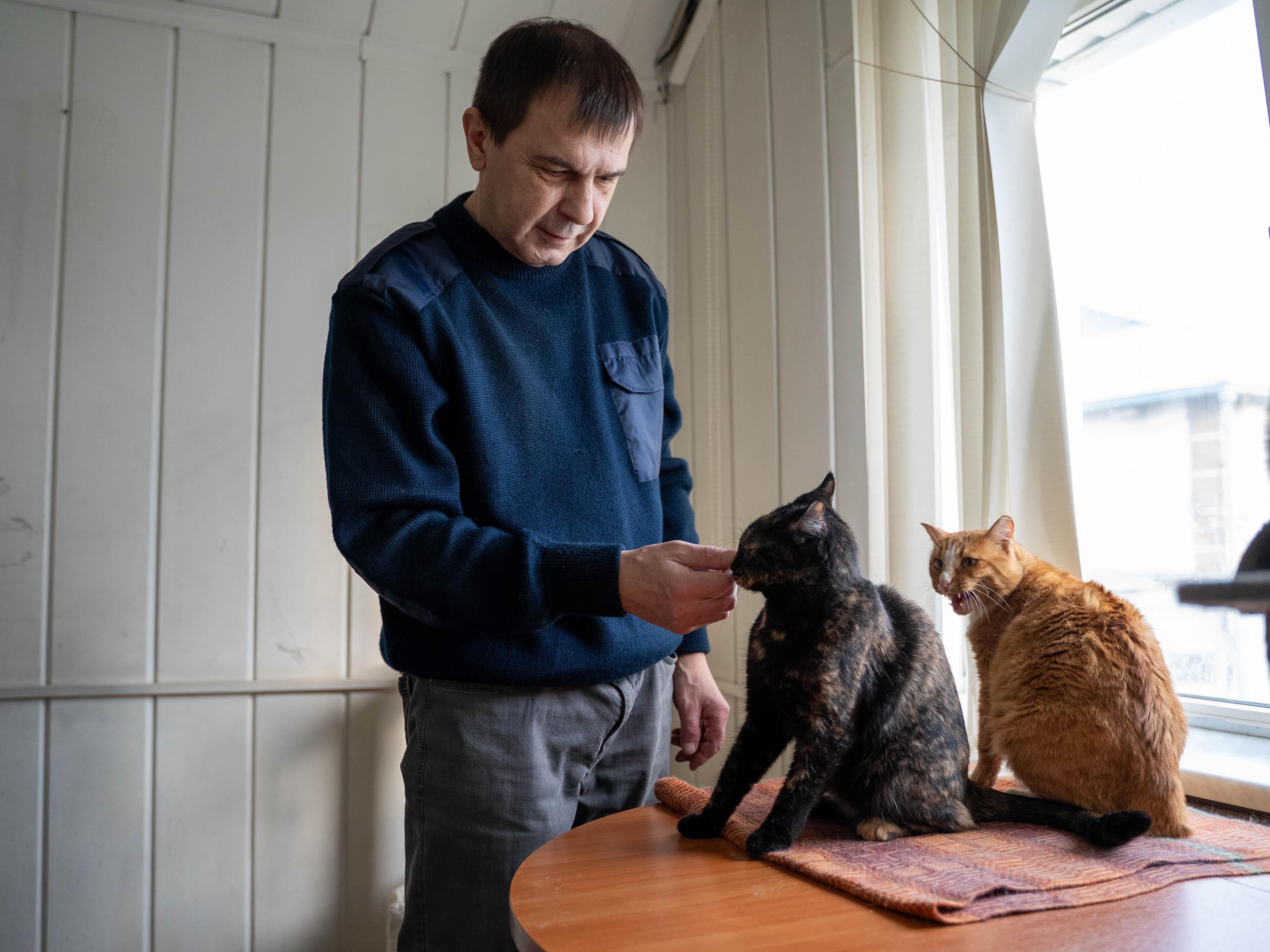
Recently, Maria and her colleagues have been helping the shelter: they»ve taken on part of the expenses for food and litter. For this small initiative, it«s been a real lifesaver.
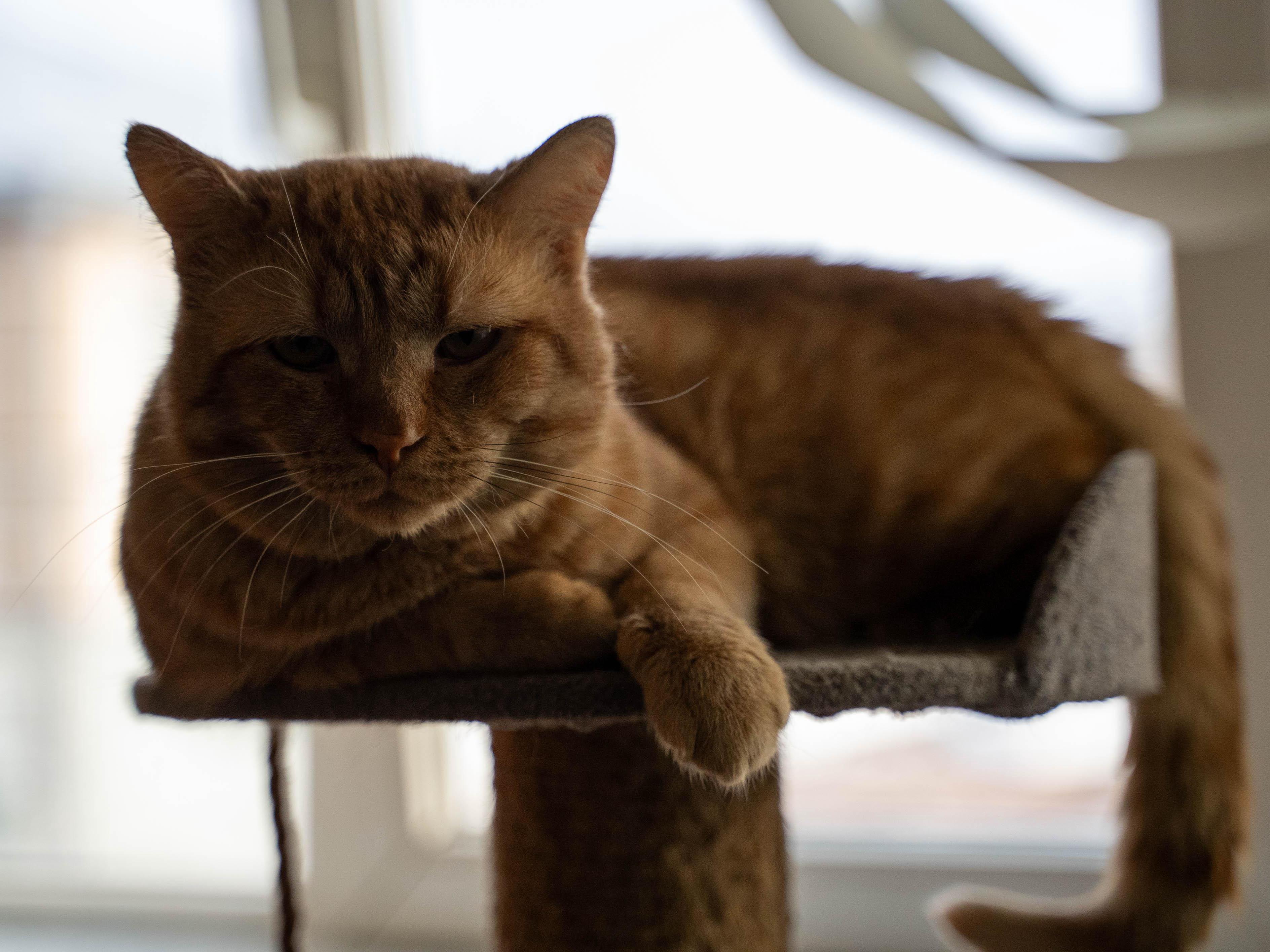
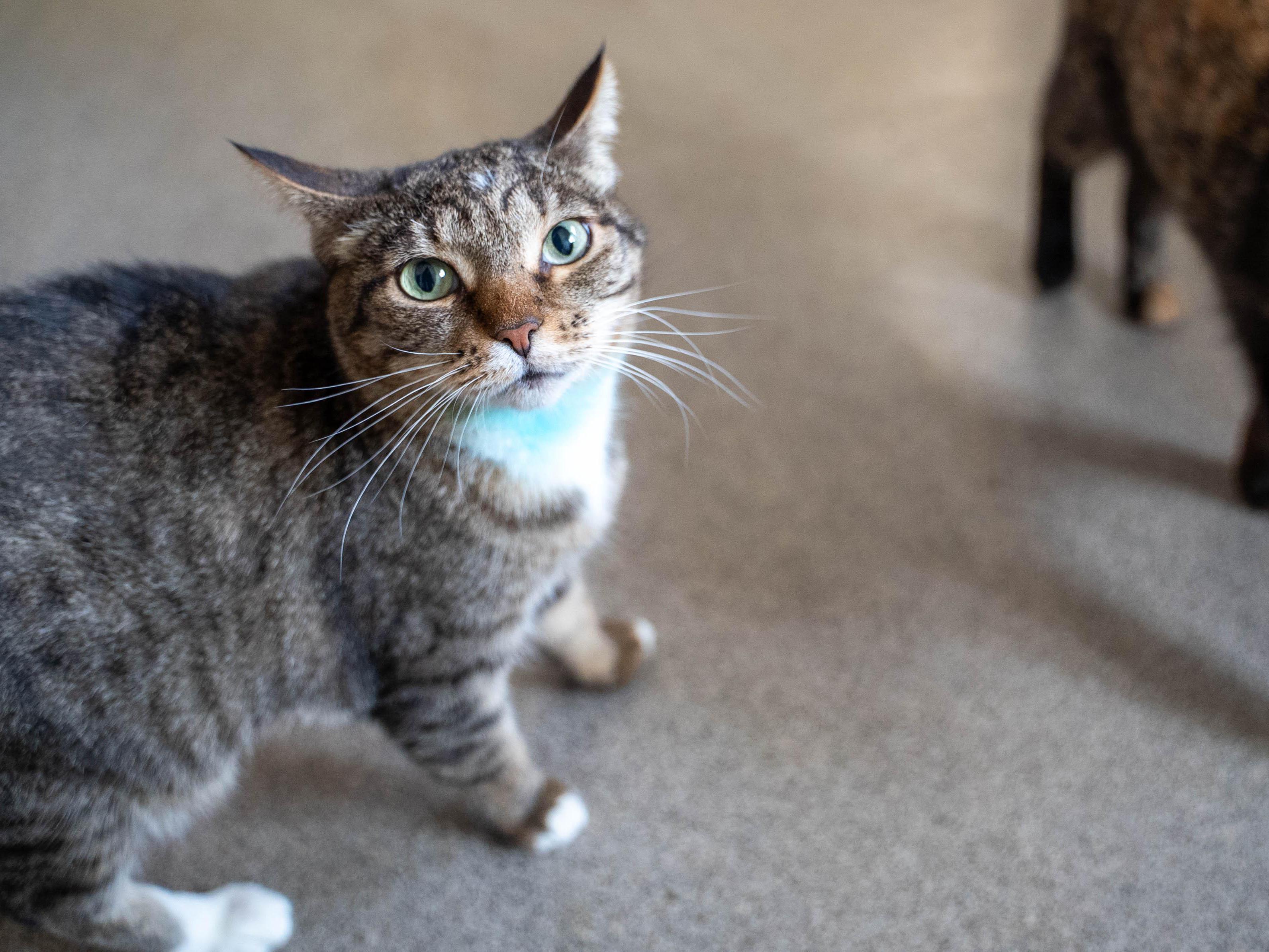
How Cats End Up in the Shelter
Volunteers admit: they fear autumn the most. As soon as the dacha season ends, foster homes fill up with young cats and grown kittens left on properties. And even worse – what happens in the basements of Tyumen houses.
“They weld the windows shut, so we go with a crowbar and sledgehammer. We open them to get the cats out. They poison them with rat poison. Recently, we went into one like that, and there… eight dead kittens. We only saved five, and we never found their mother,” says volunteer Elena, who helps Nadezhda.
Elena keeps cats in foster care that can«t be sent to the common room of the shelter: they»re too small, sick, or frightened. It«s especially tough, the woman admits, in areas undergoing KRT (comprehensive renovation of territory). After old houses are vacated, people move, but alas, there»s no room in the new apartments for old pets. So they meet the fate of unwanted junk.
“In the new district, about twenty cats wander on bare ground. The construction site is empty, there«s nowhere to hide. It»s warm now, but when snow falls, they won«t survive, and we physically have nowhere to take them,” Elena says.
Trying to Keep Up with Everything
Cleaning the shelter takes 3–4 hours even with two people. Feeding, distributing bowls, wet food, chicken soup, treating eyes and ears, caring for severely ill charges, playing with tame cats – all this is daily routine.
“They don«t get enough attention. Many climb onto laps themselves, just to interact,” Nadezhda says.
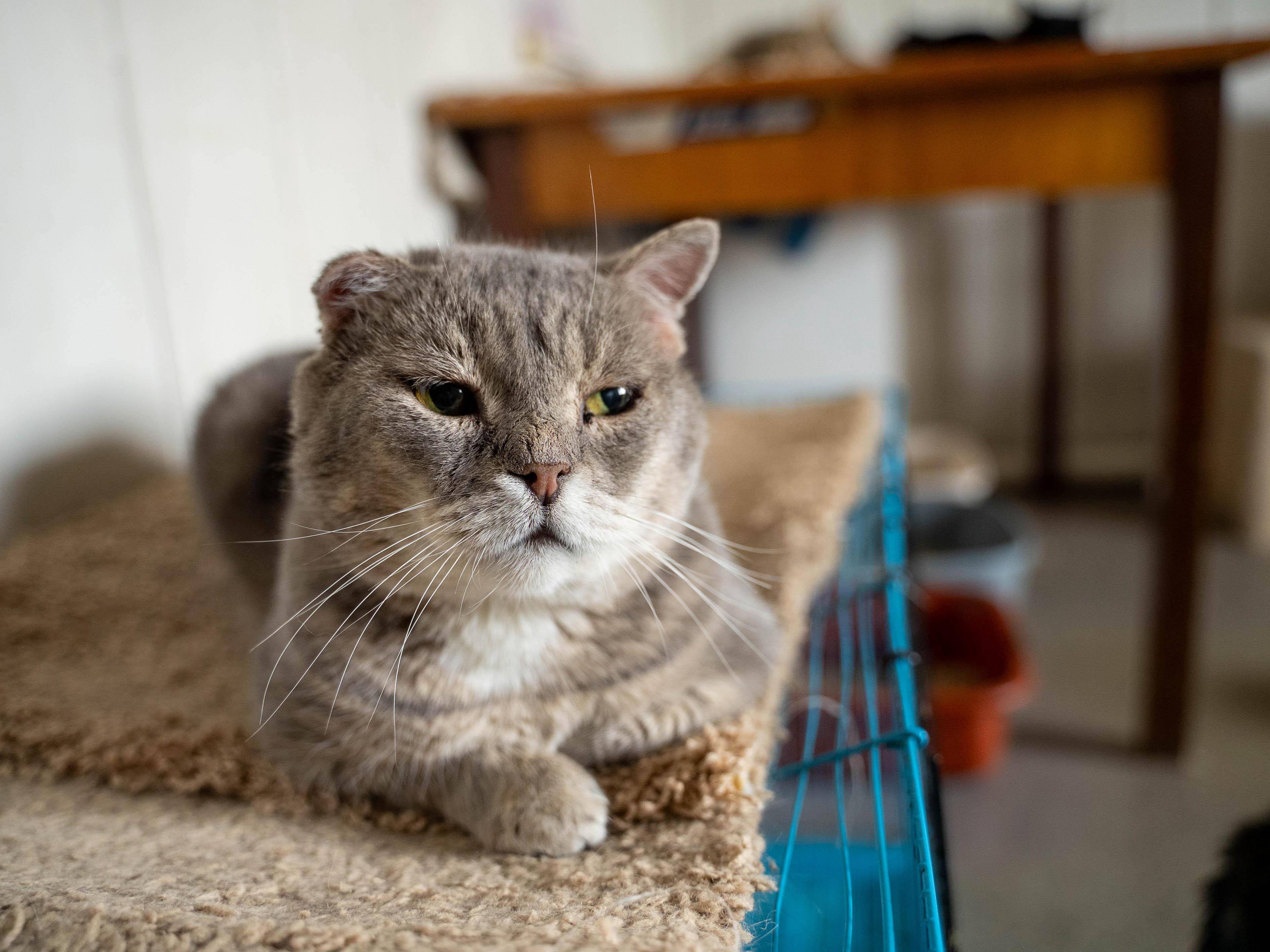
But there are those who are indifferent to affection. They spend years living near people but never develop a particular love for them. It»s almost impossible to find homes for these animals.
“There are cats that have been with us for 5–6 years. They don«t adapt to new conditions. So we try to place them in pairs – it»s calmer for them that way,” Nadezhda explains.
Over six years, at least three hundred cats have passed through the volunteers« hands. That»s a minimum. No one keeps lists because there«s simply no time. Demand for animals depends heavily on the season: summer is the worst time, autumn and early winter are better. People close their dachas, encounter mice in private houses, and start looking for a cat. But volunteers admit: not everyone can be trusted with an animal.
“You feel the person. Even from correspondence, it»s clear whether to give them away or not,” Nadezhda says.
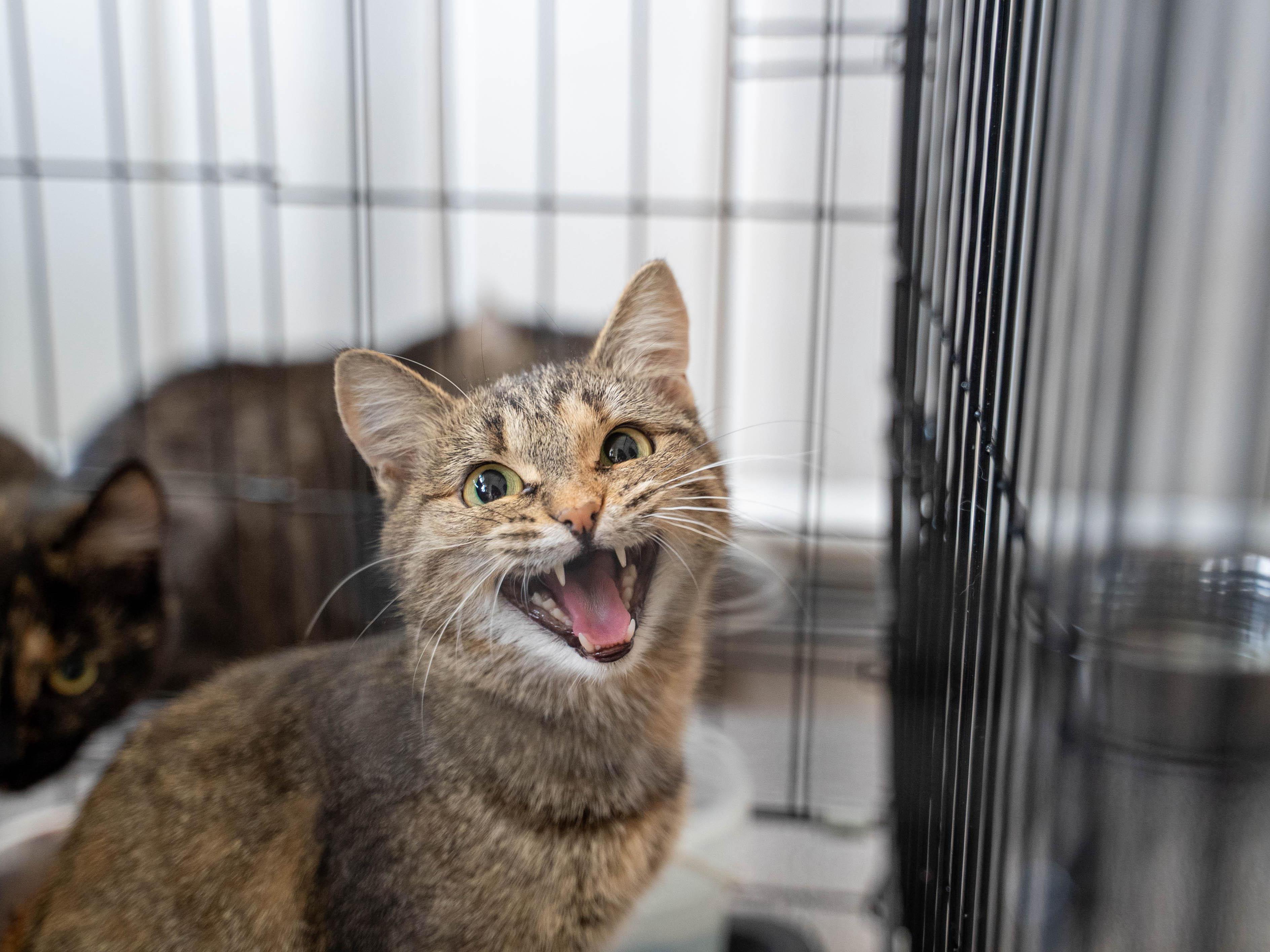
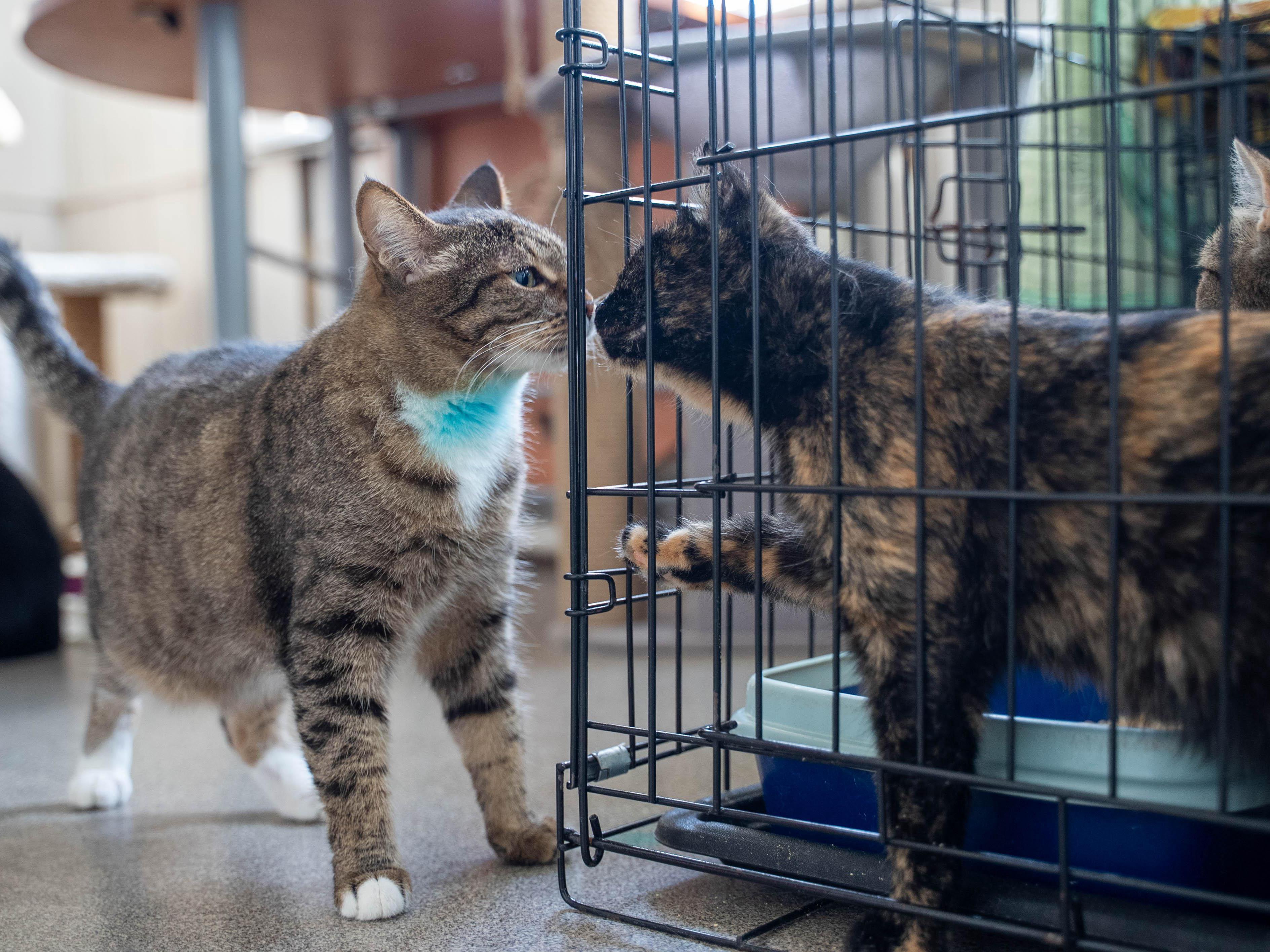
How You Can Help
Now, schoolchildren and students, creative girls, artists, and pensioners often come to the shelter. Some help physically, some with food, some just with attention. The shelter doesn«t ask for official donations: there»s no registered organization. But any help here is noticeable.
“It«s better to bring food of specific brands. We rarely change them, otherwise the cats have problems,” Nadezhda explains. “You can help with cleaning, play with the cats, they»re very happy about that, of course.”
Today, ten volunteers support the shelter«s work. On their shoulders are animal care, treatment, sterilization, trips to veterinarians, and constant trips to spots where new stray cats are noticed. According to volunteers, there are almost no free spots, yet the flow of cats doesn»t stop. It«s encouraging that once-abandoned strays are sometimes placed with new owners.
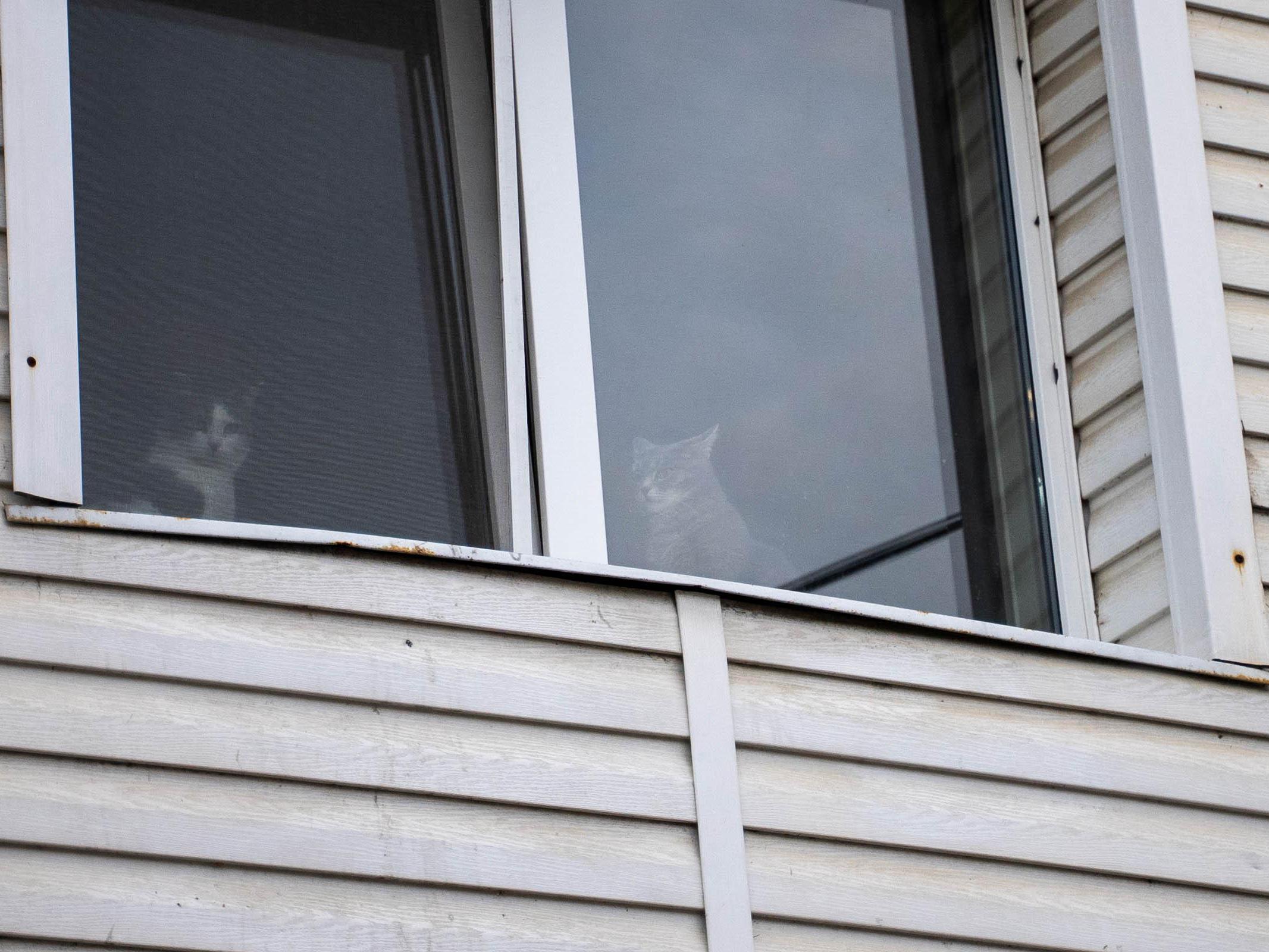
Saving animals doesn«t always involve basements and dilapidated houses. Sometimes, owners abandon their own cats and dogs in rented apartments. Recently in Tyumen, tenants left animals in a rented property. The emaciated cats and a dog were discovered by the apartment owner. Some cats were taken in by caring people, and the dog was temporarily placed in paid foster care.