Nizhnevartovsk traveler on North Korea tour
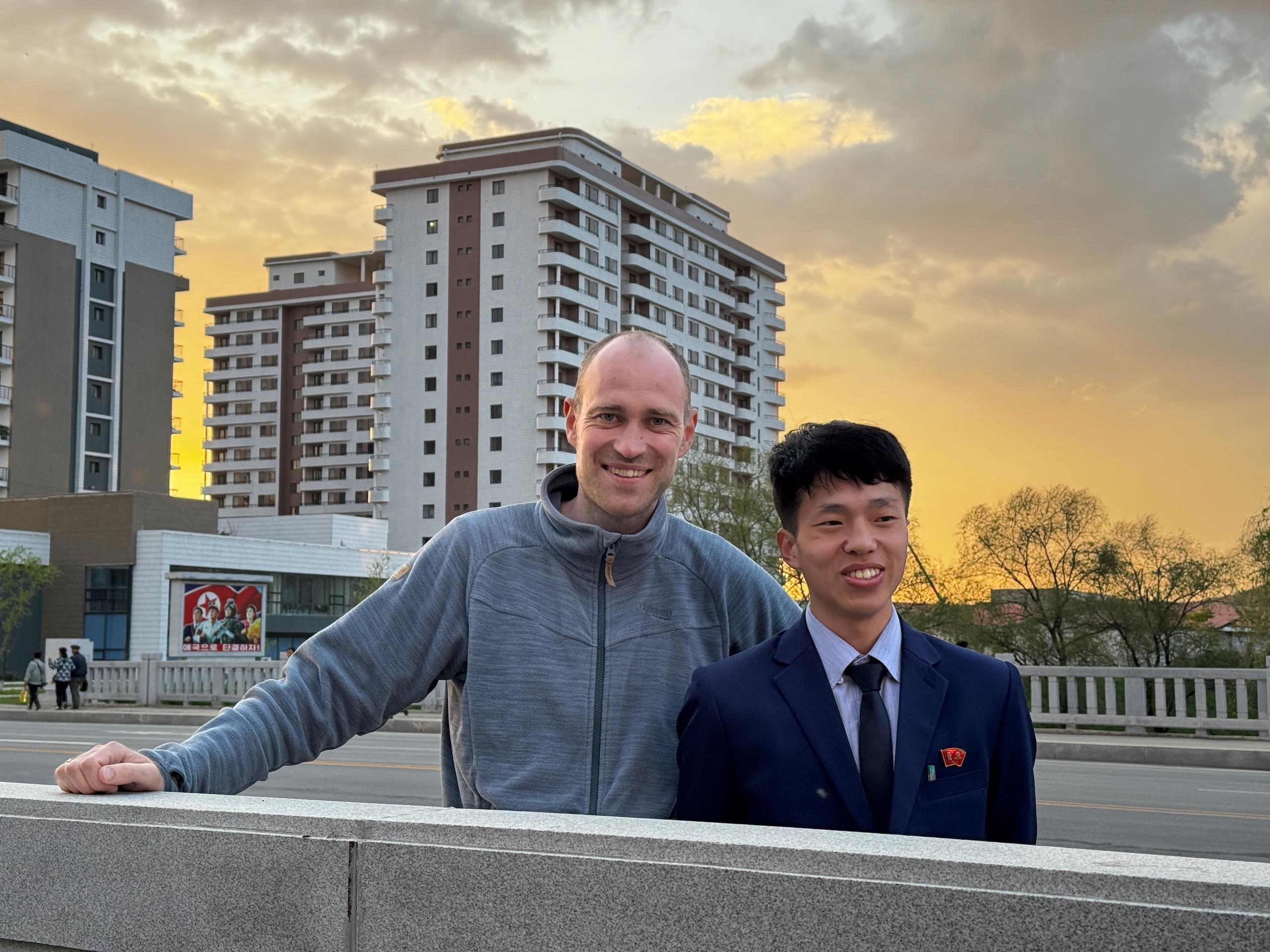

The traveler offered practical tips for planning an organized visit to North Korea.
A traveler from Nizhnevartovsk (Khanty-Mansi Autonomous Okrug), Konstantin Kaskaev, who has covered half the globe, spent a week in the most closed-off country in the world — North Korea. How do you get a visa? How much does a tour cost? Where is it cheaper to buy? And what does dog soup taste like? Konstantin answered the most common questions and shared his impressions of the trip. Below — in the first person.
Visa and flights
North Korea is currently closed to all tourists except Russians, so this trip is a unique opportunity specifically for our passport. However, you cannot go on your own — only as part of a tour group. The only exception is that in summer you can come for a beach holiday to Rason (northeast special city near China and Russia), and in winter — to a ski resort. You can also send children to a camp, which, by the way, has many positive reviews.
There are private and group tours. Private ones are $500–$600 more expensive, but in that case the program is more intensive. Despite that, I recommend choosing a group tour, because it is harder for three or four North Koreans — the guides, the driver, and the chekist (security officer) — to keep track of a group of 20–25 people than of two or three tourists on a private itinerary. If you want to shoot more interesting footage in North Korea, it’s better to go with a group.
Tours run year-round. In my opinion, the best seasons to go are April–May and October–November, when it’s neither hot nor cold.
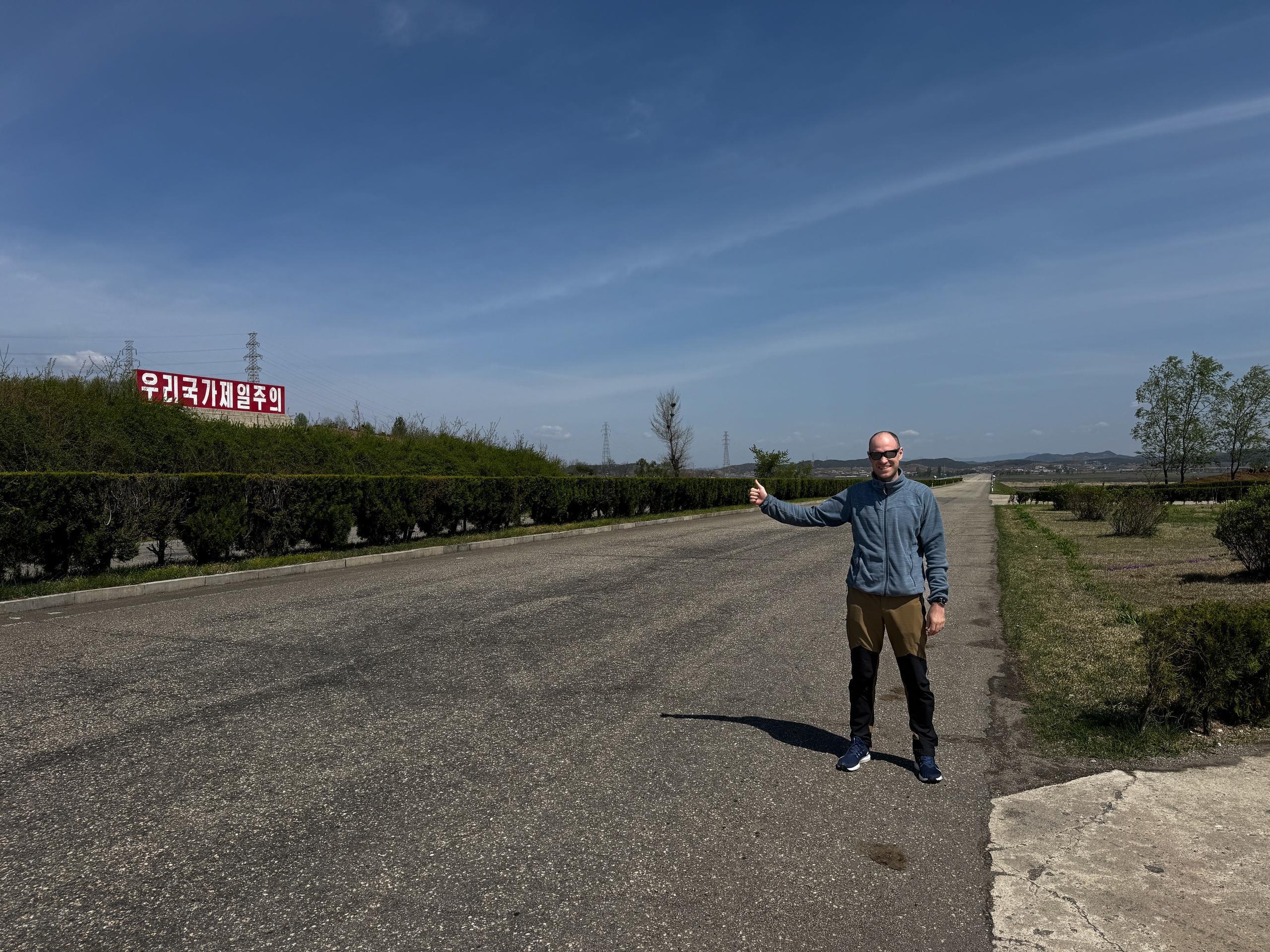
Entry is possible only within an officially supervised tourist group itinerary.
Packages are offered by agencies officially accredited by the Ministry of Foreign Affairs of the DPRK (MOFA). You can also buy them from resellers in Primorye (Maritime Territory), but with a markup of 50,000–60,000 rubles (about $500–$600), even though the program won’t differ much. Tours vary in length — from 3 to 13 days — and cost 40,000–250,000 rubles (about $400–$2,500).
We went in spring. Our seven-day tour cost 150,000 rubles (about $1,500). The price included the visa and the Vladivostok — Pyongyang — Vladivostok flight. Everything else — including the trip from Nizhnevartovsk to Vladivostok with a connection in Novosibirsk or Krasnoyarsk (no direct flights. — Ed.) and en route expenses — is paid separately. Since I managed to save on tickets, I spent 170,000 rubles (about $1,700) on the whole journey.
To get into North Korea, you must submit your visa documents in advance. It’s issued in two weeks and given to almost everyone, because the country needs foreign currency. The document package includes, for example, a certificate from your employer.
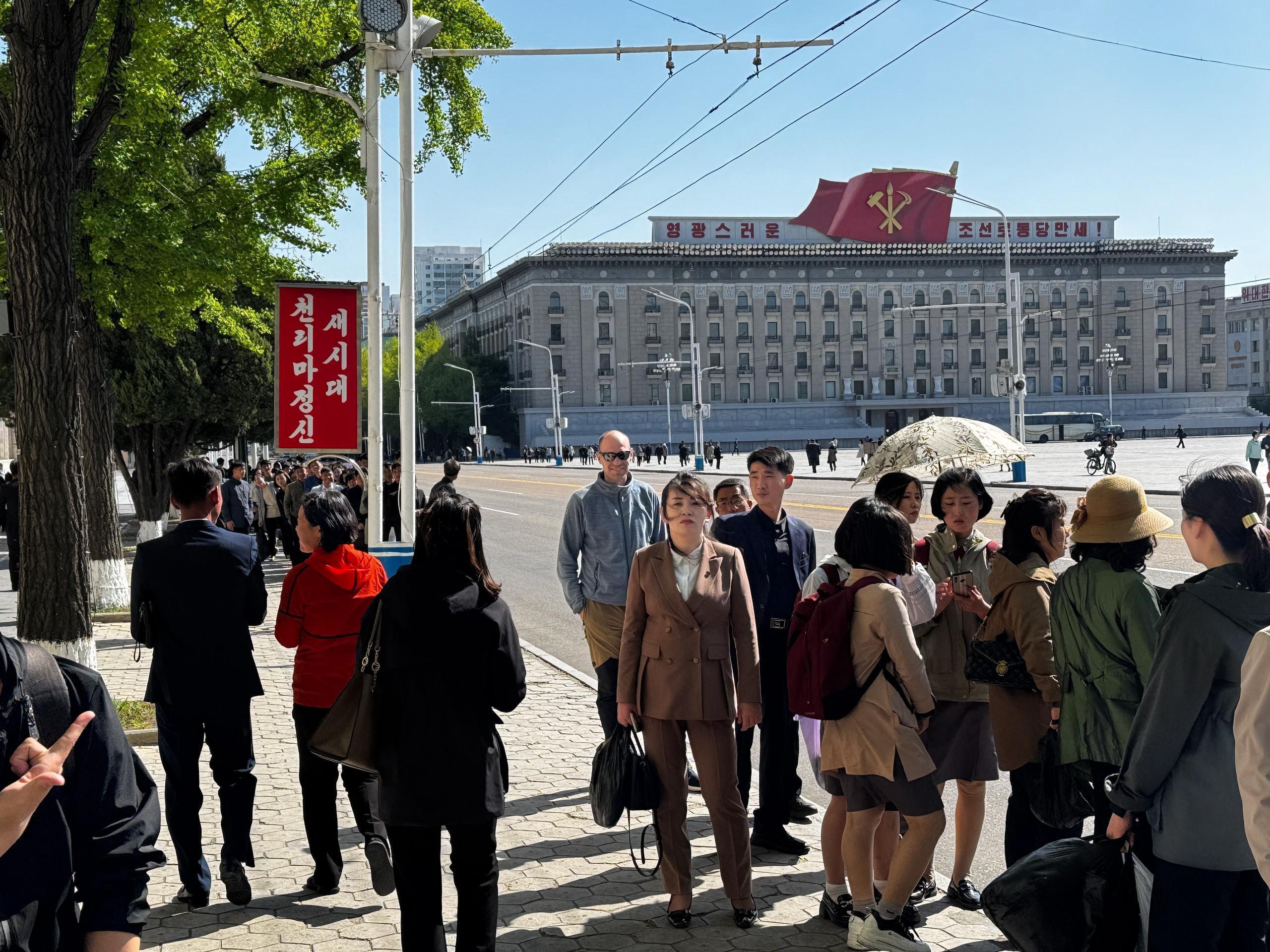
Glimpses of daily life come from bus windows during tightly guided city transfers.
Hotel, food, and entertainment
We spent almost every night at the five-star Yanggakdo Hotel in Pyongyang. The service was excellent, comparable to European standards. We were offered three meals a day, and in the morning there was a buffet. Since North Korea was heavily influenced by the USSR, there were draniki (potato pancakes) and carrot patties on the menu, but mostly we were served local dishes: rice with vegetables, various meats, and cold noodle soup — kuksu (cold noodle soup).
Anticipating the question about dog soup. I asked our guide about it on the very first day of the trip. At first he dodged the question, but after we collected $15 from each person, they brought it out. I didn’t eat it, but other tourists said the dog meat tasted no different from other meat.
We were also given half a bottle of beer at lunch and dinner every day, and sometimes a whole one. Honestly, I had never drunk that much in my life, but I figured since everything was paid for, I could try it. After two days I stopped drinking it. First, it isn’t that tasty, and second, I wanted to push back against the system and not be a “controlled tourist”.
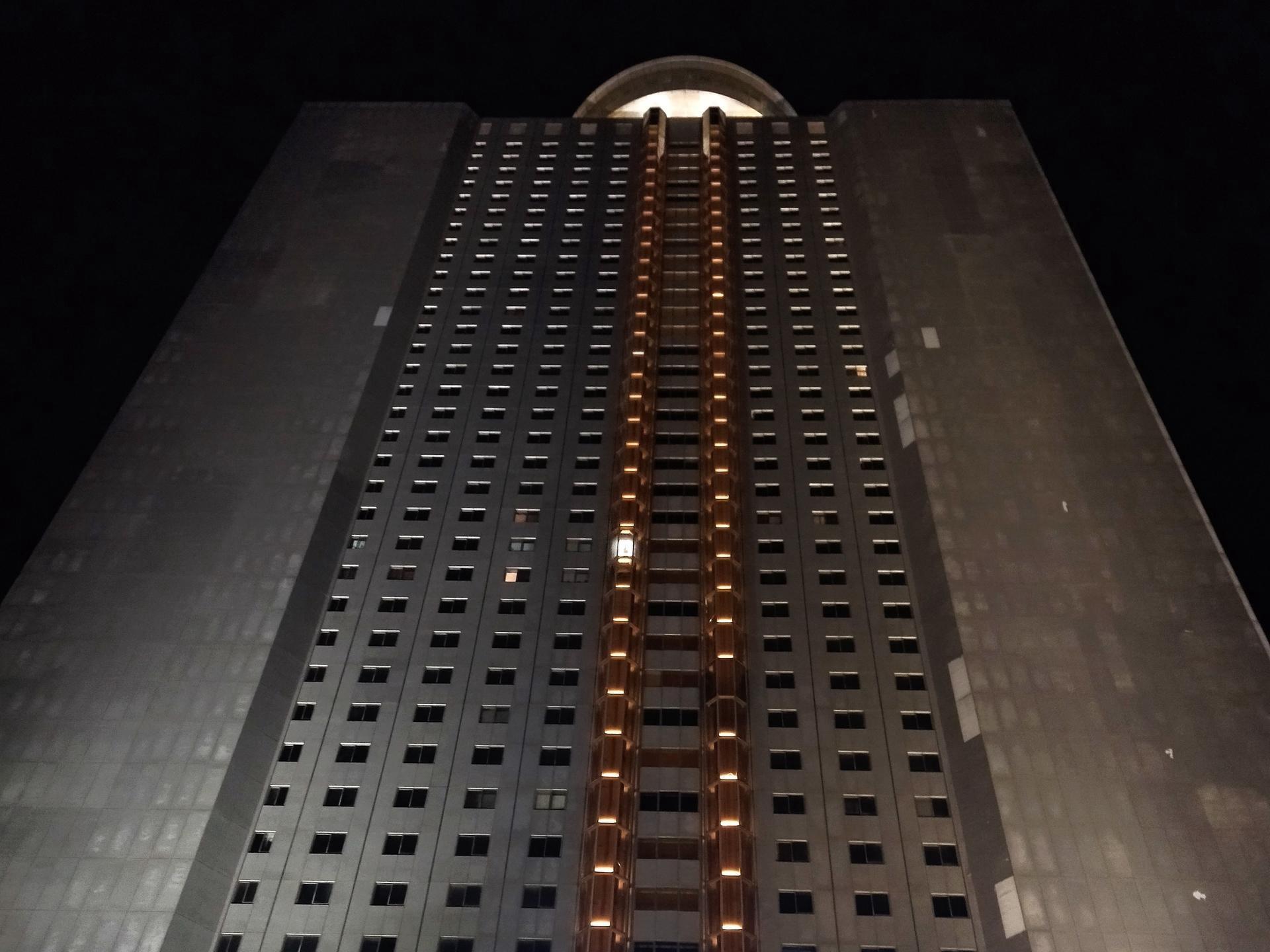
Most nights were spent in a 47‑story hotel in Pyongyang.
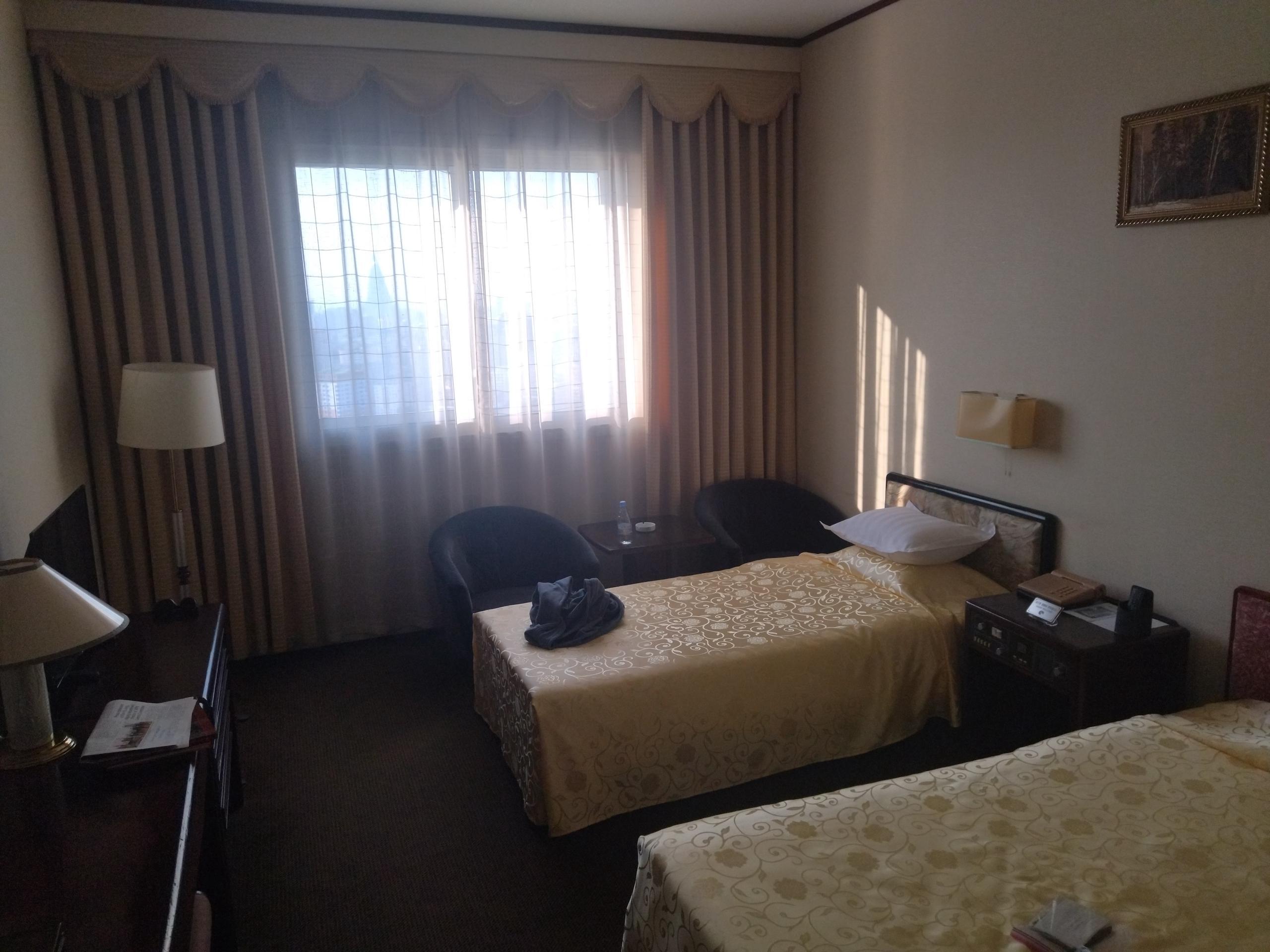
Guest rooms were modest in size but comfortable and clean throughout the stay.
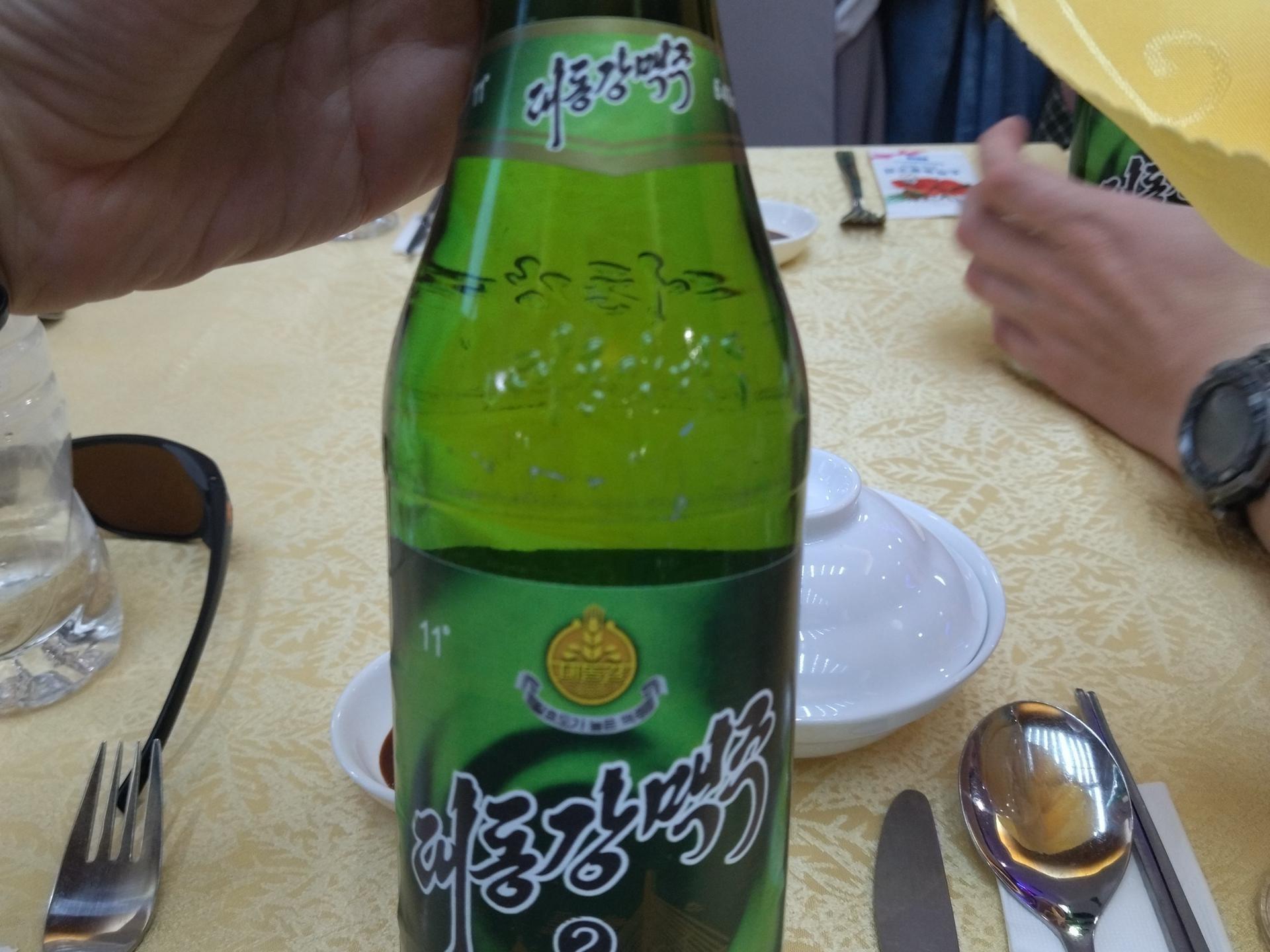
The traveler ultimately decided North Korean beer was mediocre and skipped it thereafter.
Speaking of control. Outside the hotel you may move only when accompanied by a guide, an interpreter, a national security officer, and a representative of the tour company. They monitor your every action — for example, telling you what you may photograph and what you may not. If they notice you shot something prohibited, they’ll demand you delete it. You may not photograph the military or construction sites, and when shooting portraits of the Leader you must ensure the image fits entirely in the frame.
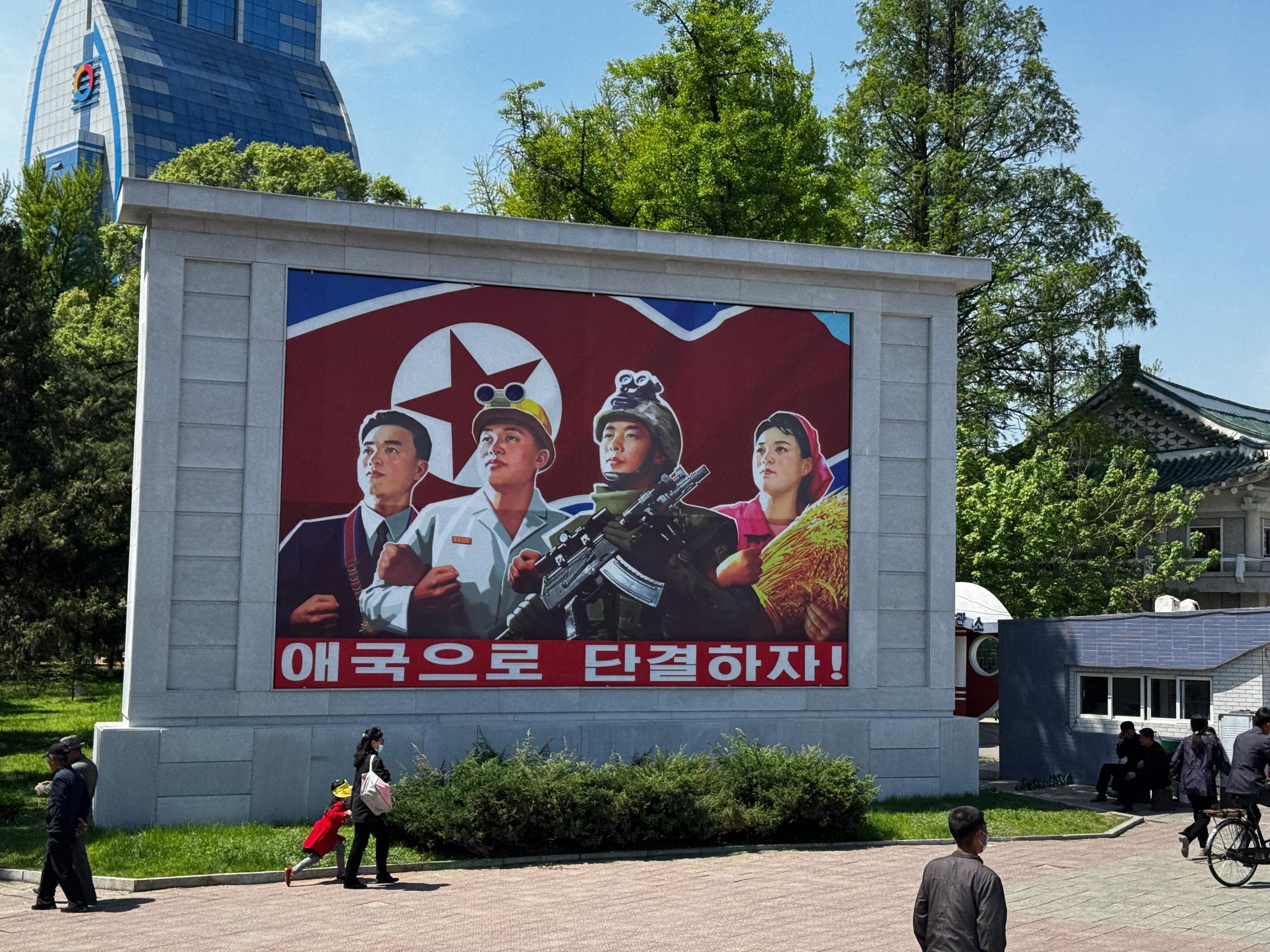
Staff closely monitor adherence to rules, including movement limits and photography restrictions.
Excursions for tourists are prearranged from an approved list of locations. Among them are the Monument to the Juche Idea, Mansudae Hill, and the Myohyang Mountains. For entertainment we went to an acrobatic circus, visited a plantation, and a fabricated tomb of an ancient figure. You won’t be able to stroll the capital’s streets on your own, and you can only lift the veil on North Koreans’ lives by looking out the window as you ride the bus.
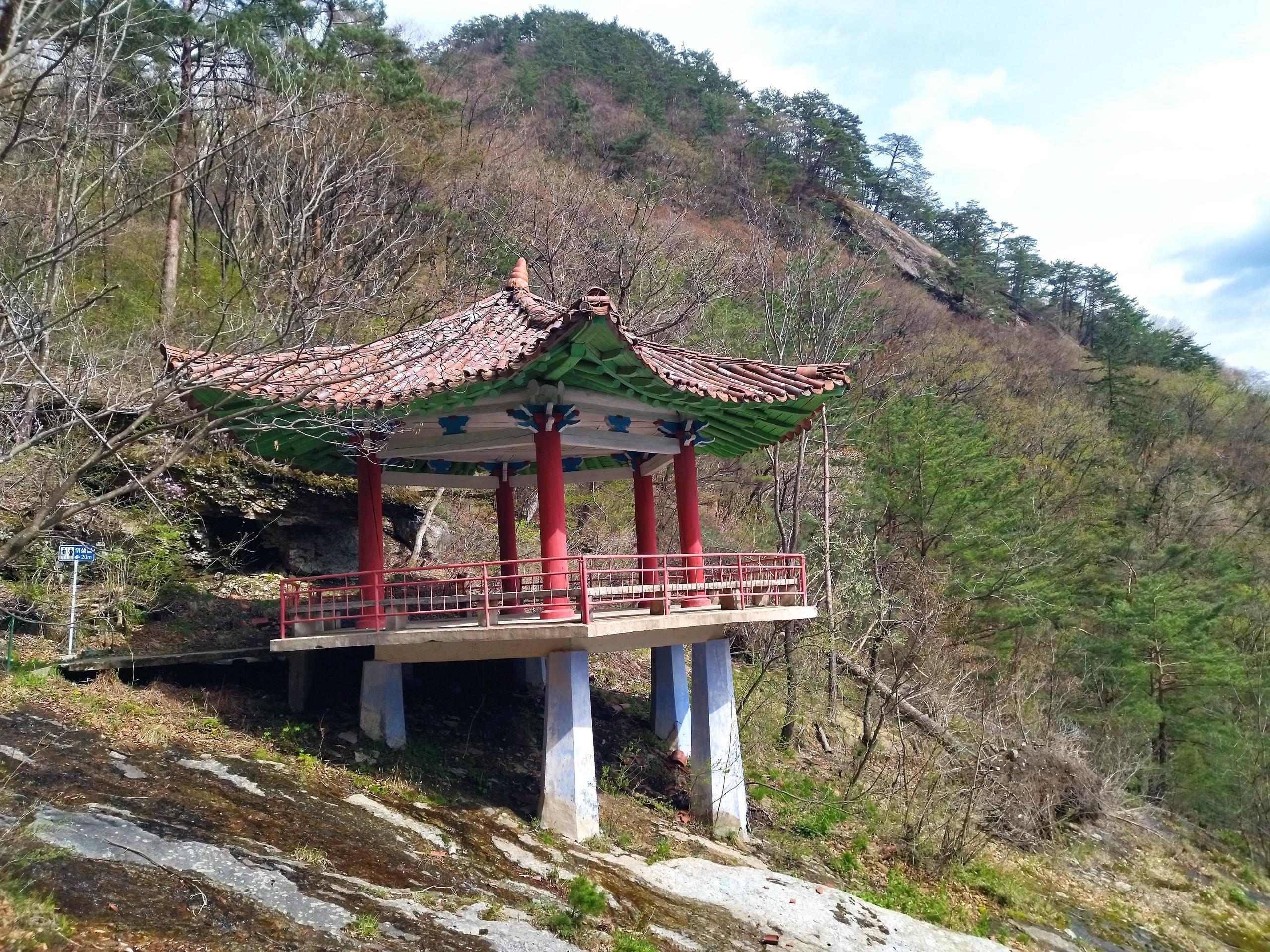
The Myohyang Mountains feature landscapes reminiscent of classical Korean and Chinese paintings.
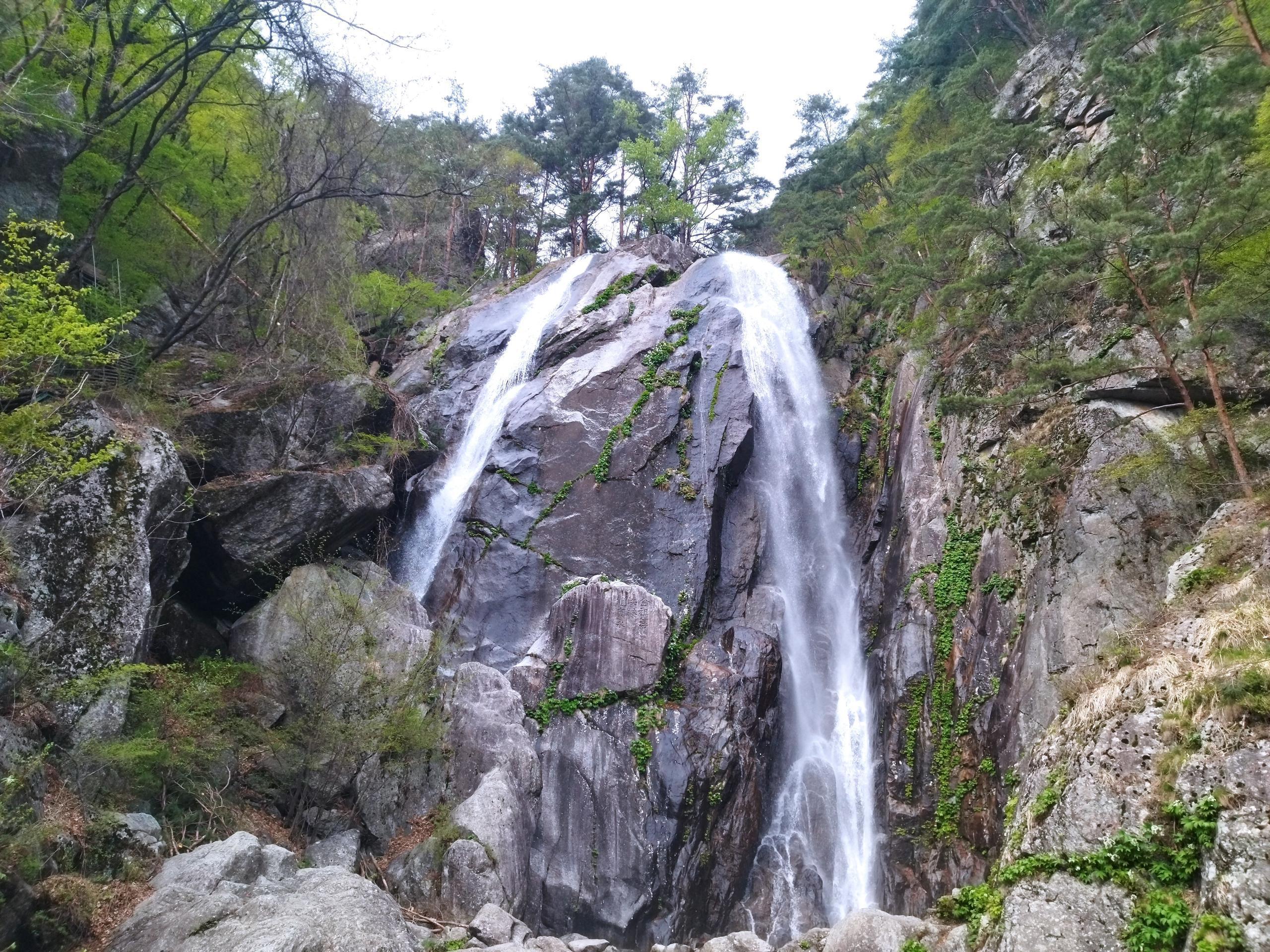
A cascade of waterfalls could be seen along the route through the mountains.
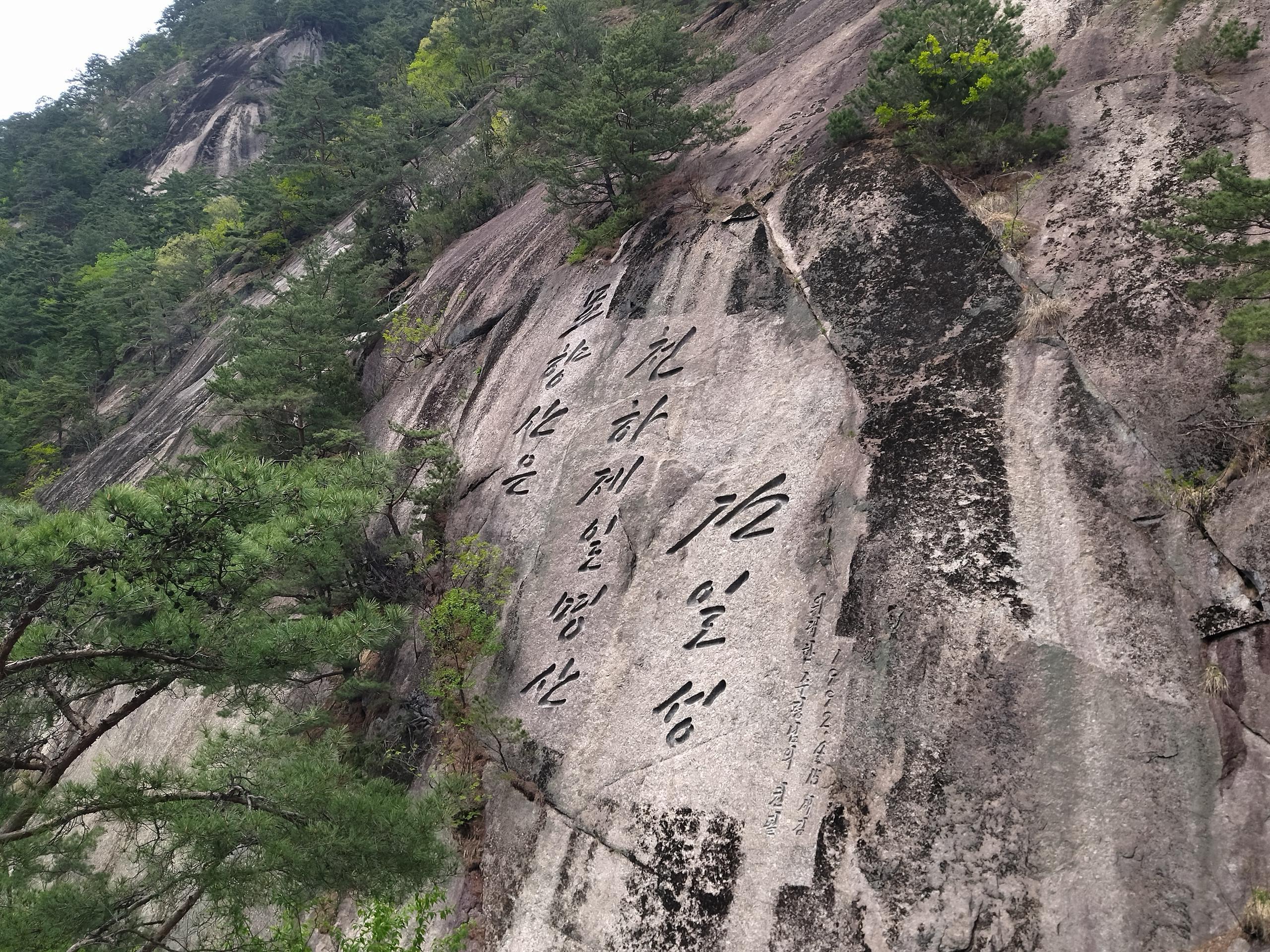
Quotations by former president Kim Il Sung are carved into rock faces.
«The trip was definitely worth it. The main thing is to have no false expectations and remember that in North Korea you will be under constant supervision. The driver, the guide, the chekist — all of them will be watching», shared his impressions Konstantin Kaskaev from Nizhnevartovsk.
Earlier we wrote that the experienced traveler from Nizhnevartovsk, Konstantin Kaskaev, has visited 54 countries. He named the best places to travel and explained how to see half the world without going broke.