Kamchatka Resident Describes Cars Buried in Massive Snowstorm
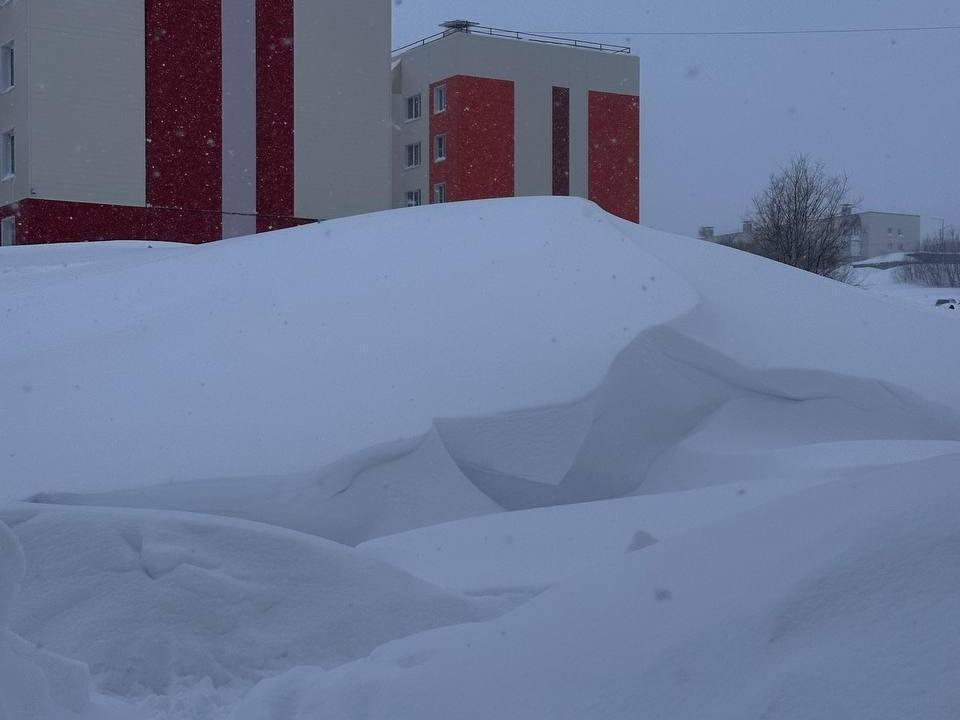

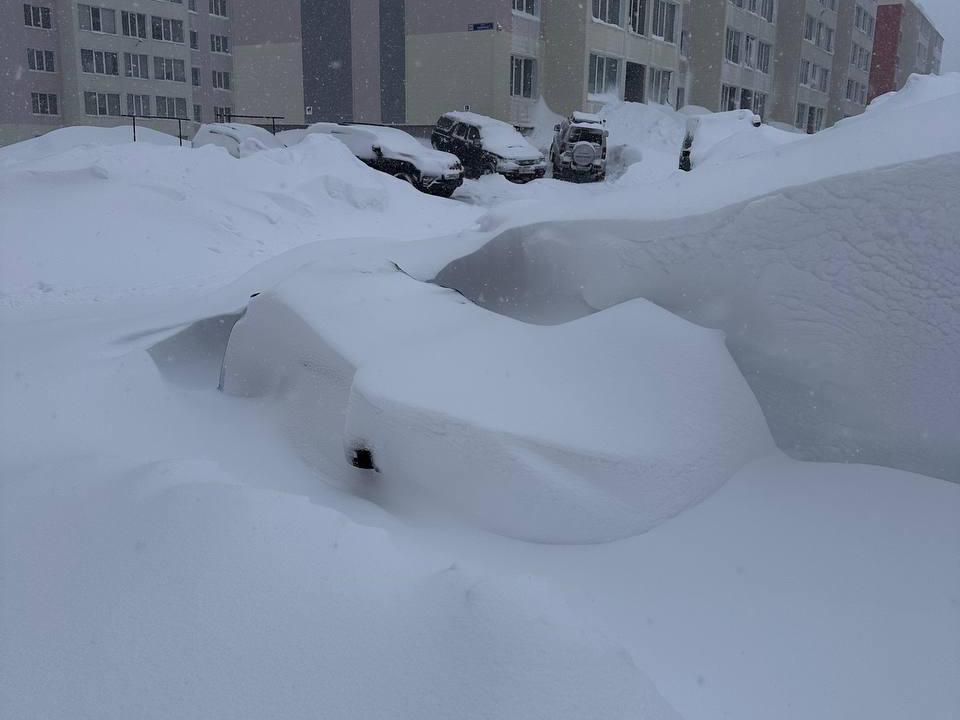
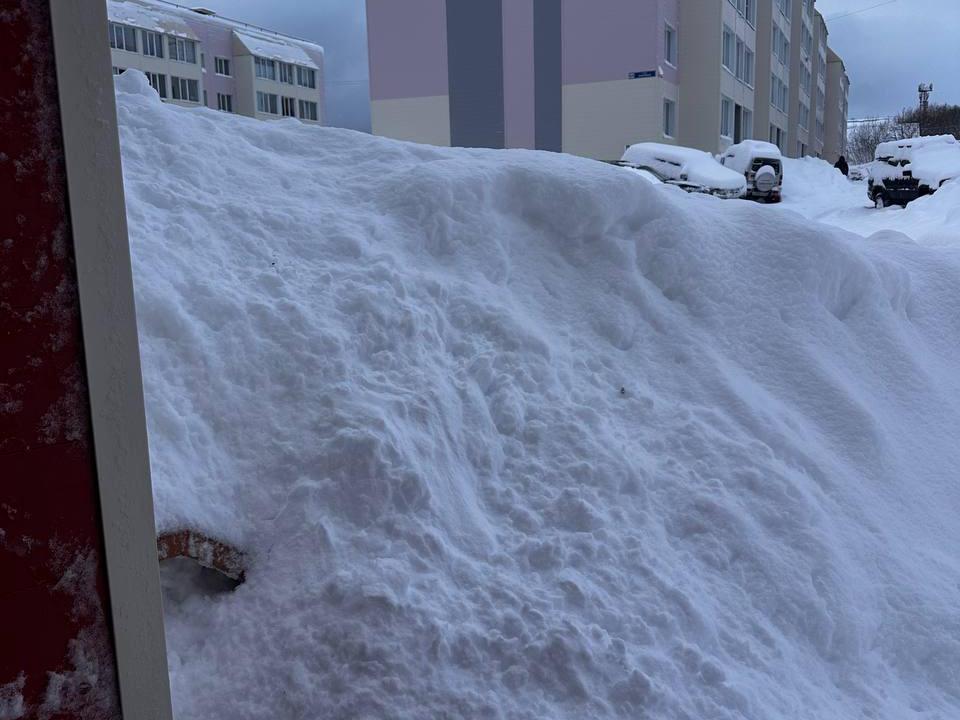
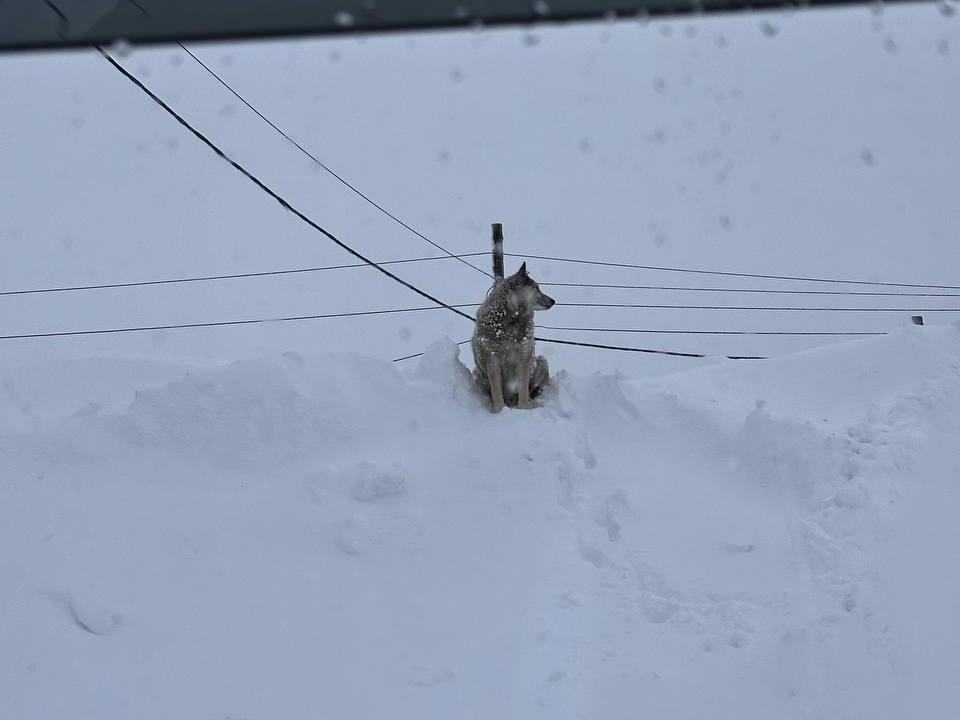
Have you seen the snowfall that hit Kamchatka? Snowdrifts as high as a three-story building, zero visibility, and a constant, unending blizzard — all of this was experienced by Matvey Volkov, who moved to Petropavlovsk-Kamchatsky 10 years ago from the Urals. He notes that in all his time living in Kamchatka, such an apocalypse is happening for the first time.
In a short video, Matvey showed what kind of New Year«s surprise the cyclone brought to all of Kamchatka.
But don«t stop there: read more about what Matvey and all of Petropavlovsk-Kamchatsky faced below in the column E1.RU. And at the end of the article, a poll awaits you!
What follows — in first person.
“No Road”
The road situation is tense. Where there were four lanes, only 1.5 remain — and that«s only on the main road arteries of the city. Some secondary roads were closed for some time while snow was falling and utility workers tried to clear them. In the city center, an avalanche came down from a hill and blocked the main road; it was closed for a day while it was being cleared.
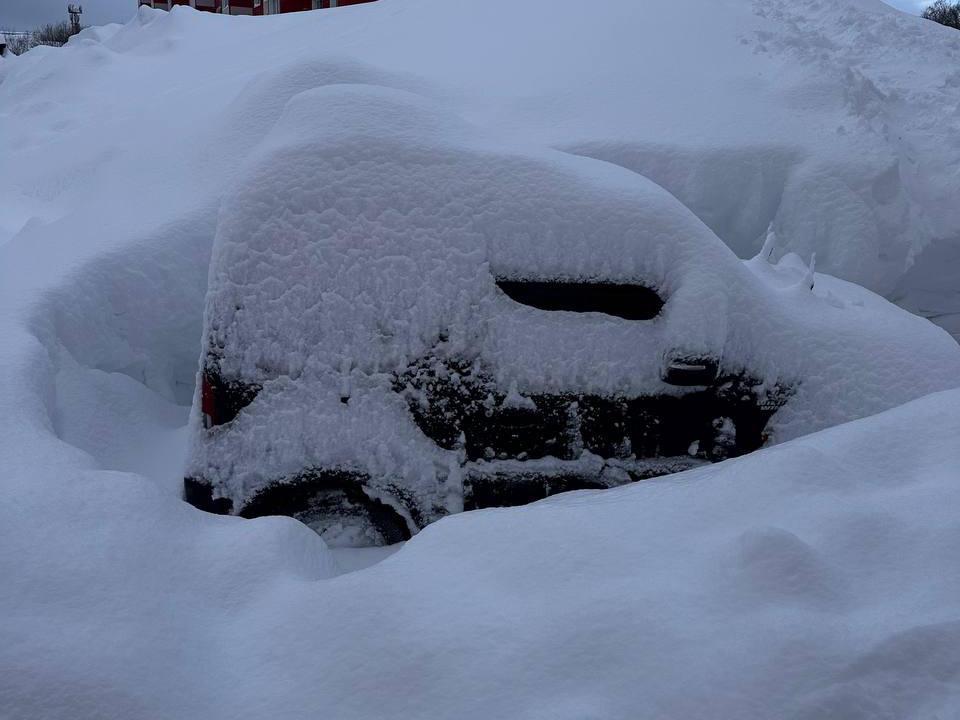
Don«t even mention the neighborhood roads. There are no roads, cars are buried — literally. The road is missing. Roads that were originally intended for traffic have become sidewalks. Now pedestrians and motorists share the road, yielding to each other. Everyone is trying to cope somehow.
Kind-hearted people whose cars are still running offer to give rides to people at «former» bus stops. Taxi drivers in cars charge triple the price for a trip and, of course, don«t pull up to the entrance. You have to walk a bit. People who have snowmobiles or swamp buggies switch to them.
Public transport has been canceled since 13 January. Shift buses have been put on the main routes in the city, but we haven«t seen them. The government allocated its vehicles to transport citizens (like free taxis on main routes). There are few of them, so, of course, not everyone has seen them.
Residents who managed to evacuate their cars on the first day of the cyclone and move around in them are looking for a new place to park every day. They abandon cars on main roads, and overnight snow completely buries everything. Snow removal equipment cannot properly clear the roads because abandoned cars are in the way.
It«s a vicious circle: people have nowhere to put their cars because it»s not cleared, and it«s not cleared because people park their cars in any spot more or less free of snow.
“Medics Transported People on Sleds”
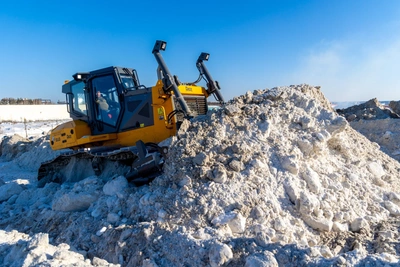
Snow removal is happening at an insufficient pace to avoid adverse consequences. But this is understandable: such an amount of snow has not been observed in the region for at least 10 years, which I«ve lived here. Utility services were not prepared for such an apocalypse. There»s no point in blaming them, because everyone was surprised.
Garbage removal is difficult, naturally. Additional trash bins have been placed on main roads so they can be emptied somehow. In the neighborhoods, garbage has been standing since 13 January, and there«s no way to remove it yet. Generally, since the start of the cyclone, only main roads have been cleared, but now equipment is being seen in other districts of the city, where they are cleaning areas around houses.
Ambulances and EMERCOM equipment can only travel on main, more or less cleared roads. During this time, several tragedies occurred with house fires in private sectors; putting them out was difficult, saving people too. There were reports of medics transporting people on sleds to the ambulance car because access to houses was difficult. Due to avalanches from roofs, people died.
“Everything Closed”
On the very first day of the cyclone, schoolchildren were sent home for a week. All workers were switched to remote work. The only exceptions were government members, emergency services, and heads of regional authorities.
Grocery stores were far from all open and not always. Shopping centers are closed. Pickup points are also closed. Restaurants and everything not related to vital services are closed. Some food service entrepreneurs with separate entrances dug themselves out with their own efforts and tried to work. Deliveries aren«t working, but this type of service isn»t developed here anyway, compared to Yekaterinburg and other cities.
“Kamchatka Winter is More Fun”
The most difficult thing during the cyclone period was getting to the women«s clinic in the morning with my pregnant wife. Thankfully, there are friends who could predict the consequences of the snowfall and parked their car in advance along the main road. We made it to the clinic in zero visibility, by instruments. 100% extreme.
Not going crazy in such weather is helped by daily cardio with a shovel and attempts at family walks — along goat trails with the aim of entertaining oneself with the whole situation. And it«s always fun to watch others dig.