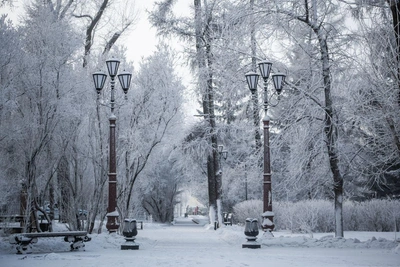
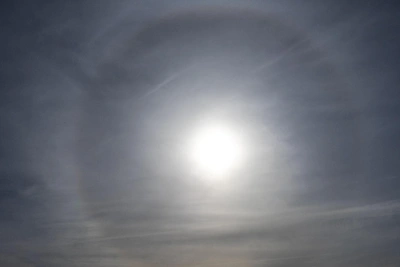
Irkutsk Scientist Predicts Decline in Solar Activity for 2026According to the director of the Institute of Solar and Terrestrial Physics of the Siberian Branch of the Russian Academy of Sciences (ISZF SB RAS), the peak of solar activity is behind us.
Russia plans two new vessels for Lake Baikal researchThe construction of two new research ships for the Limnological Institute in Siberia is slated for completion by 2030, expanding a fleet that currently consists of only four vessels.
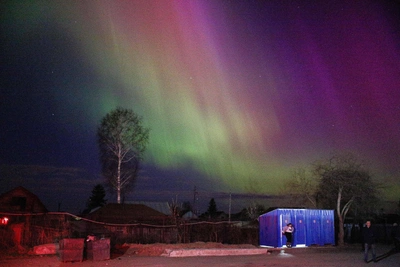
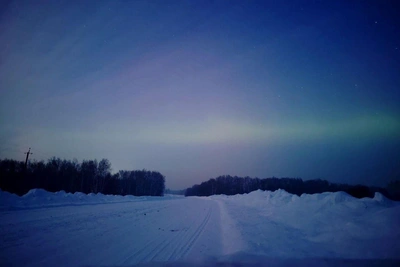
Novosibirsk photographer captures northern lights 30 km from cityAlexey Polyakov, an astrophotographer from Novosibirsk, photographed the aurora borealis from a field 25-30 km from the city. Such intense auroras are visible to the naked eye only two or three times a year.
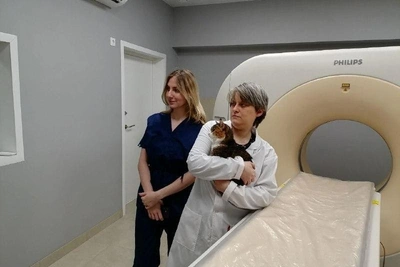
Siberian research treats animal tumors, aids human cancer fightSiberian scientists have launched a joint project using advanced tomography and neutron capture therapy to diagnose and treat cancer in pets, with findings that could help combat human cancers.
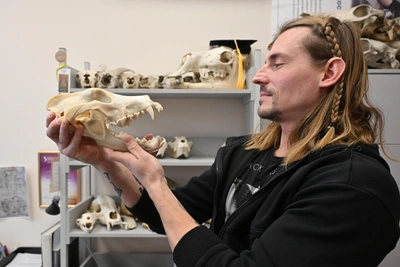
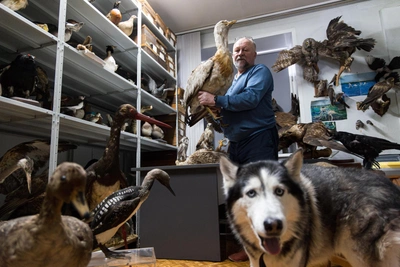
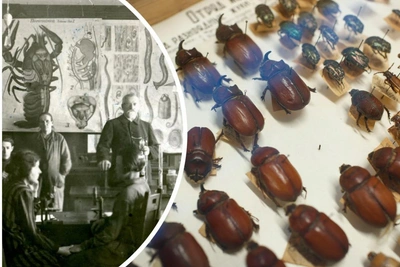
Why a Krasnoyarsk Museum Stores Mammoths and MeteoritesThe Krasnoyarsk Regional Museum of Local Lore houses nearly half a million items, including rare natural specimens that visitors never see, preserved for scientific study.
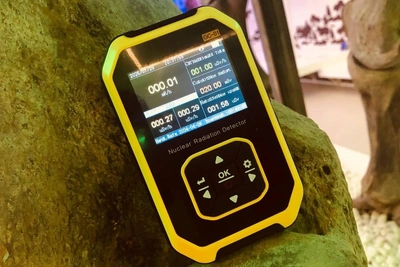
Radiation searched and found in Kuzbass museum exhibitsScientists used a dosimeter to check radiation levels in exhibits at the Kuzbass Regional Museum, finding minimal levels that are within safe limits, as explained by a geologist.