Living Astronomy Textbook: Muscovites Can Observe Rare Planetary Alignment
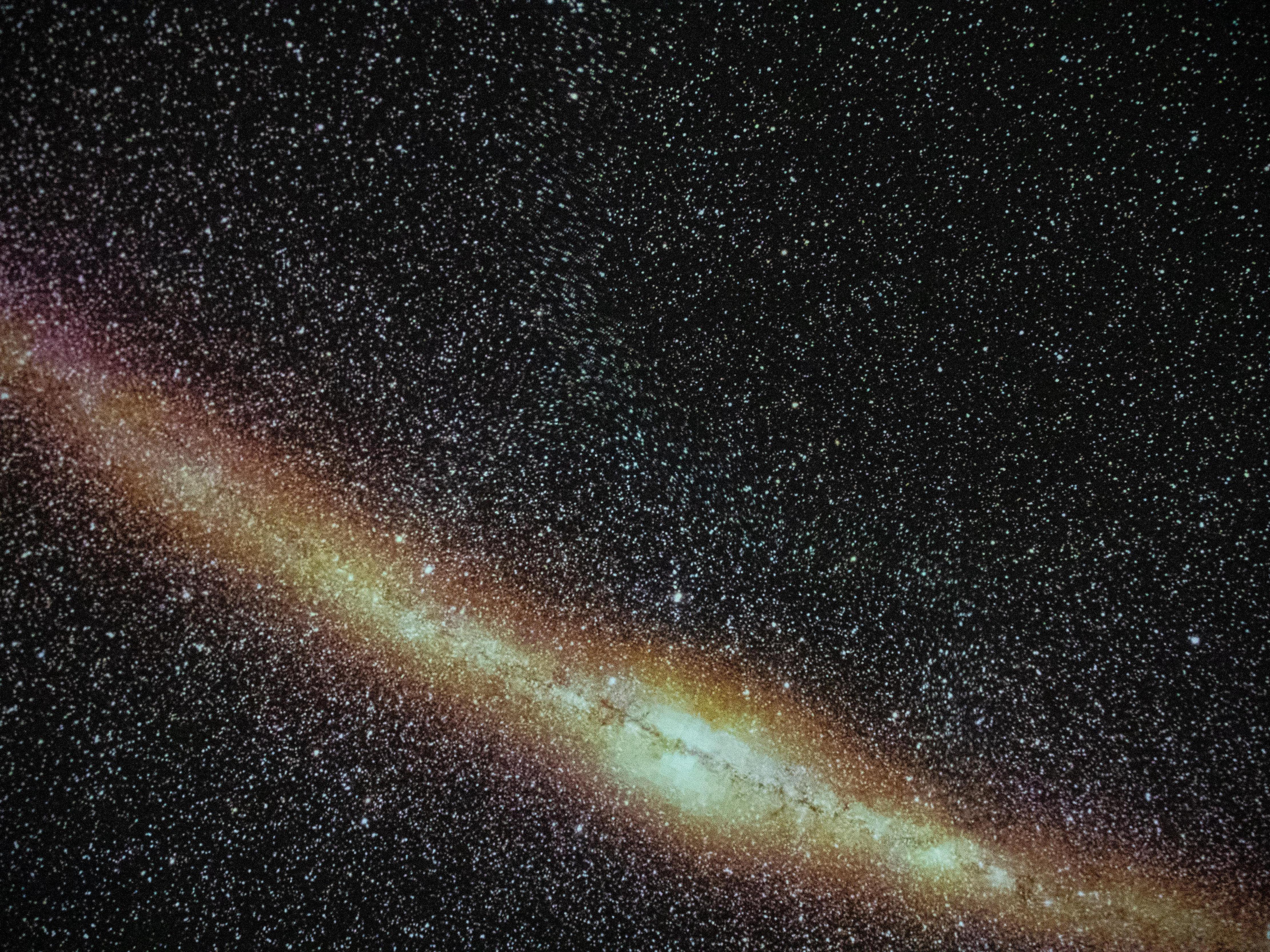

On 22 January, a planetary alignment can be seen in the sky — a rare astronomical phenomenon discussed by both scientists and astrologers. While some explain what is actually happening in the Solar System and why there is no mysticism in it, others look for hidden signs and predictions in the planetary alignment. Let«s figure out what is really happening in the sky and whether this astronomical event should be given special meaning.
What is this planetary alignment
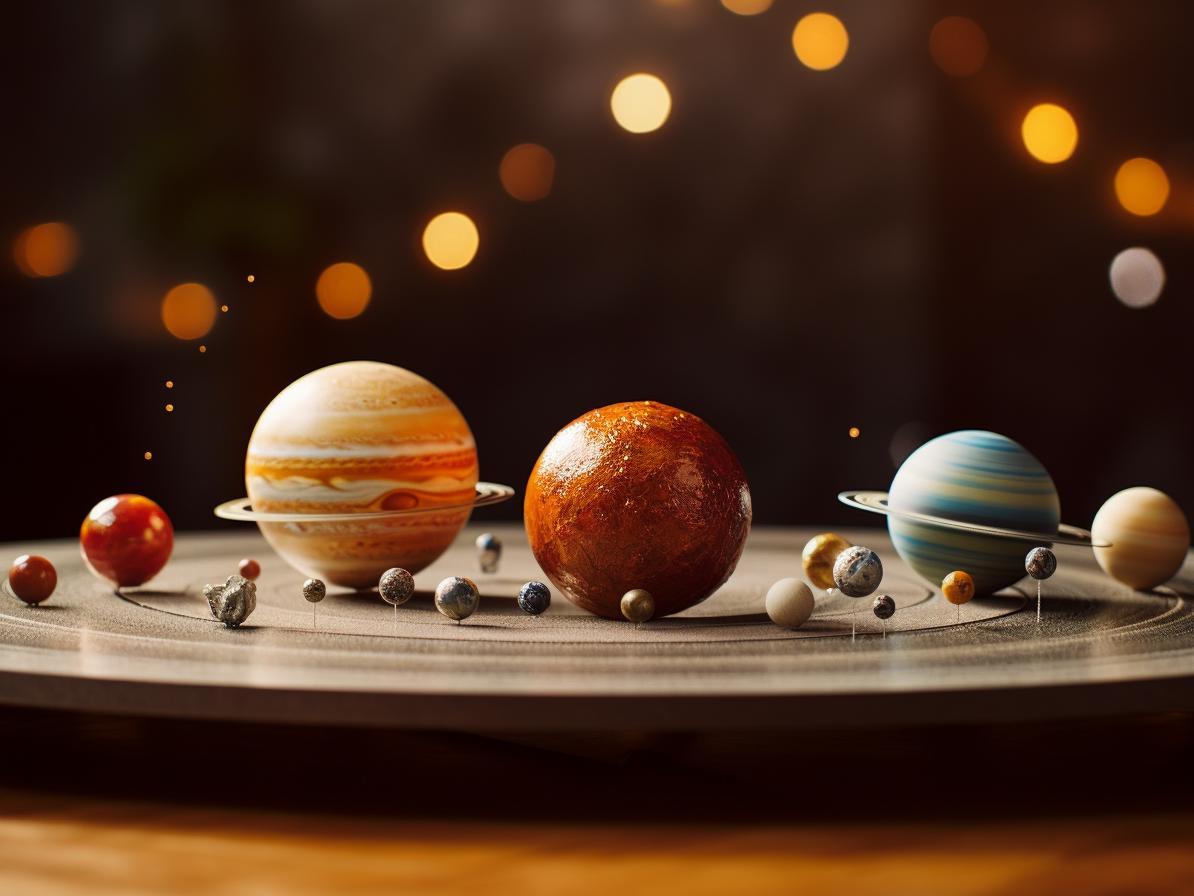
On 22 January, several planets will group into a single line — Mercury, Venus, Mars, and the Sun. This is the so-called planetary alignment, when several celestial bodies are positioned such that from our perspective, they appear to be next to each other.
Moreover, planetary alignment is not a purely scientific term.
“So sometimes they call the opportunity to see the planets of the Solar System lined up in the sky in a single line,” explained Veronika Frolova, a physics methodologist at “Online School No. 1” to MSK1.RU. “This is not a special event, as the planets always move across the sky along the same line. This happens due to the geometry of the Solar System — the orbits of all planets lie approximately in the same plane of the ecliptic, which means that from Earth, it will always seem to us that they are moving one after another along one line.”
How to see the planetary alignment
Observers have a unique chance to see several bright points in the sky at once — planets aligned side by side. Some of them will be visible to the naked eye, and some — through binoculars or a telescope.
21–25 January — the best period for observing six planets, and four of them are visible to the naked eye.
22 January — the culmination: the planets form an almost perfect «diamond» with the Sun, with an angular distance of only 2–3 degrees.
Late February — Mercury joins the alignment, completing the picture. In reality, they do not form a perfect line in space, but from Earth, it will seem as if they have come closer together.
This is not just a beautiful sight, but a rare opportunity to observe the «mechanics» of the Solar System with one«s own eyes and touch the mysteries of space. In Russia, there is even such a direction as educational tourism.
“Planetary alignment is a living astronomy textbook: one can see how planets move along their orbits, understand the scale of the Solar System,” said Oksana Veligodskaya, head of the travel agency “Ninth Planet.” “Interest in astronomical events among tourists is growing exponentially. Over the past 5 years, demand for tours to observatories and «dark» zones has increased by 40–60%, and for rare phenomena (planetary alignments, eclipses, meteor showers) — by 2–3 times.”
The January alignment can be called unique: the next similar planetary convergence will occur only in September 2038.
How planetary alignment affects people«s lives
Planetary alignment is a significant event in astrology as well, though the emphasis shifts from the picture in the sky to the meaning. Astrologers are interested not only in the planets visually «gathering,» but in how exactly they are positioned in the zodiac: in which signs, in what aspects to each other and to the chart of a specific person or country.
“Often, by astrological «alignment,» they mean a stellium, when several planets (3–5 or more) concentrate in one sign or sector of the horoscope, amplifying its theme,” explains esotericist Elena Sovershenova to MSK1.RU. “Planetary alignment does not hit Earth with any rays and does not trigger disasters; the symbolic and psychological layer is more important here. It is this that is often felt by a person. Many get the impression that old patterns no longer work and life seems to be pushing for changes in career, relationships, place of residence.”
Proponents of the scientific approach believe that there is no scientific theory that unequivocally confirms the influence of planetary alignment on human life. There are separate studies that examine the relationship between earthquakes and the geometry of the Solar System.
“They suggest that special cases of the mutual arrangement of the Moon, Earth, and other planets of the Solar System can slightly influence the movement of magma flows, similar to how the Moon causes tides, which can trigger earthquakes near tectonic plate faults,” said physics methodologist Veronika Frolova from “Online School No. 1.” “This relationship is not proven, since based on the same statistical data, not in all cases of planetary conjunctions were earthquakes observed on Earth.”
Earlier, we told which celestial phenomena Muscovites will see in January: here is the list of the most interesting ones.