Novosibirsk's 'Juilliard': 300M rubles revive factory culture house
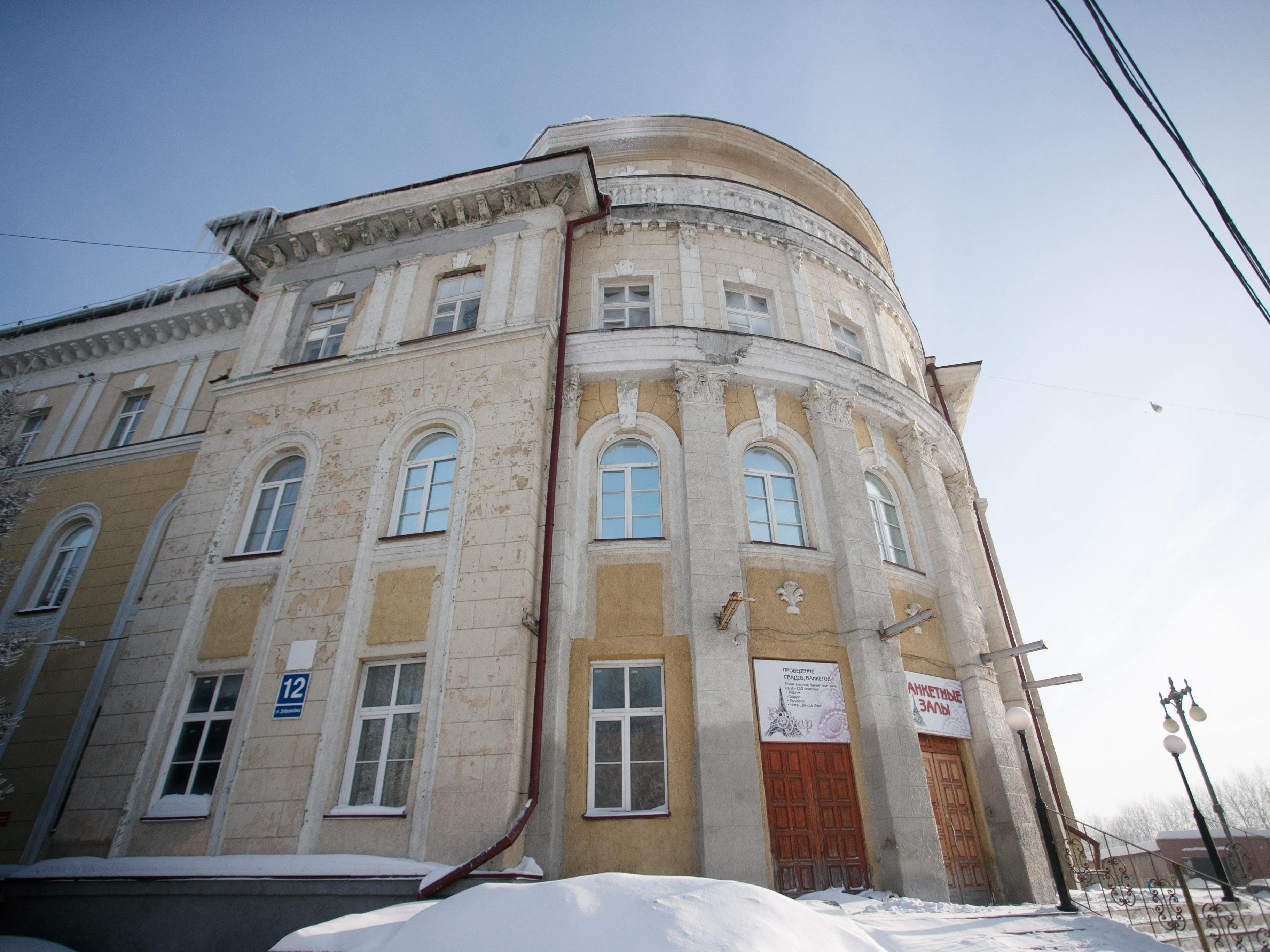

Watching someone restore an old thing is always pleasant and exciting. Especially when an entire building, iconic for the district, is being restored. Into the fading Soviet Popov House of Culture, built by the «Electrosignal» plant, the creators of the «Academy of Arts» seem to be breathing new life. For two years, they have been working on restoring the stucco, repairing classrooms, and realizing the dream of an ideal creative environment. NGS correspondents spoke with enthusiasts who have already invested more than 300 million rubles (about $3 million at current rates) into the old building.
The Majestic Factory House of Culture
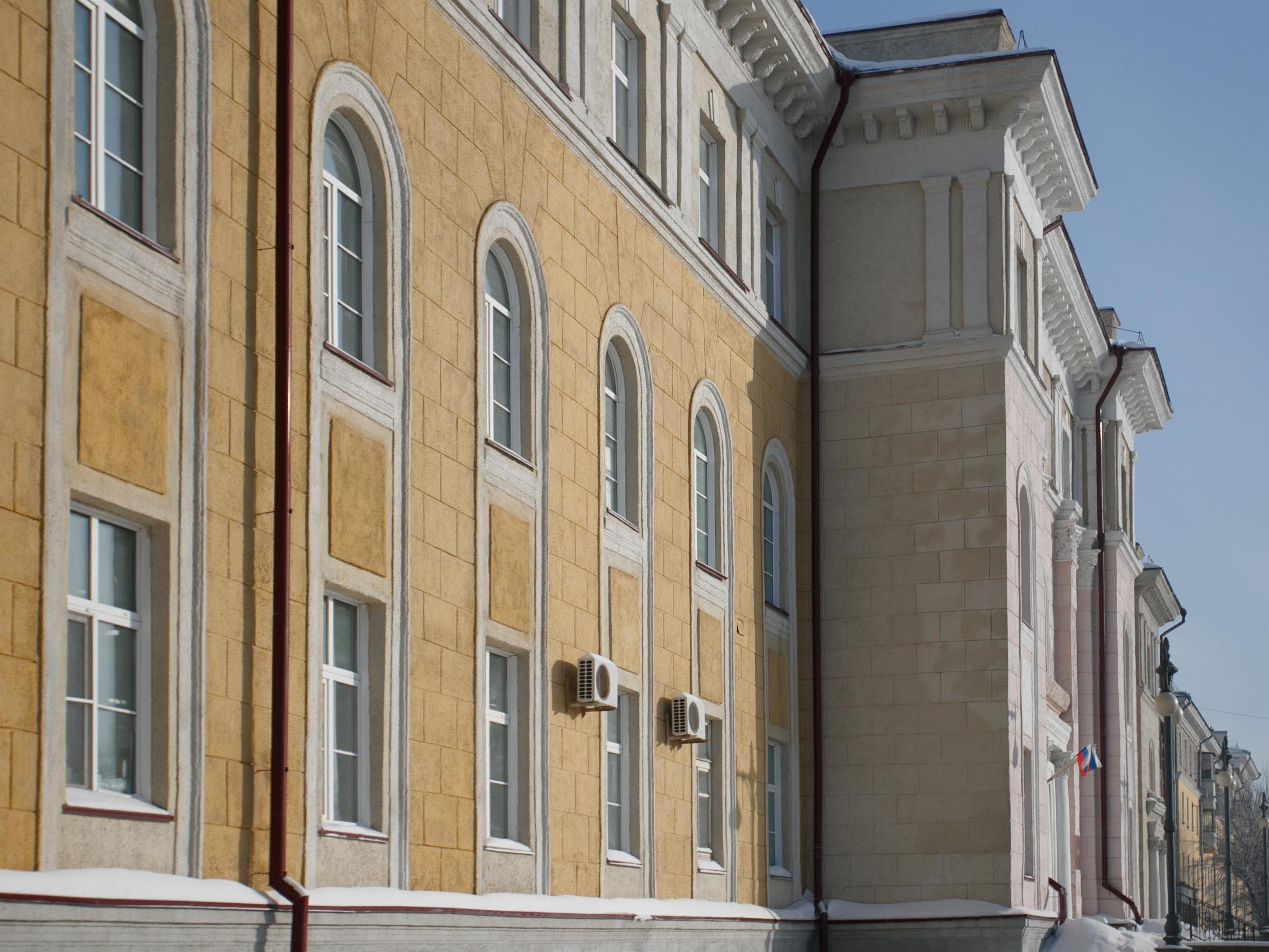
The beautiful Popov House of Culture building, with its rounded corner facade, many windows, and «excesses» of Stalinist classicism, seems tired and a bit worn out. The house of culture was built in 1957 for employees of the «Electrosignal» plant, and time has not been kind to it. In the 1990s, the factory sold the house of culture«s luxurious chandelier to pay salaries. Later, premises were rented out to nightclubs to earn money for the building»s maintenance. Tenants remodeled the interiors to their own taste.
«The building had an owner, a private individual. He handed it over to tenants for management, and they sublet everything. Since the building was on sale for a long time, all subtenants understood that this was all temporary. No one invested money in repairs,» said Elena Rozhkova, artistic director of the «Academy of Arts,» which is now located in the Popov House of Culture.
An announcement about the sale of the building was published in 2022, offering to buy it for 135 million rubles (about $1.35 million at current rates). The deal took place only in November 2023—the factory «Stalinka» was purchased by the married couple Vladimir and Yulia Avgust (the new owners do not disclose the transaction amount).
According to «Kontur.Focus,» Vladimir Avgust was previously a founder of several companies involved in real estate. OOO «Radost-1,» liquidated in 2018, provided intermediary services in real estate transactions. «Kontur.Focus» also links the Novosibirsk resident with OOO «Rynok Vyborny.»
Now the businessman is registered as an individual entrepreneur, with his main activity being the rental of his own property. The individual entrepreneur also posted job vacancies for the «Academy of Arts.» The rights holder of the «Academy» itself is individual entrepreneur Yulia Avgust.
«We Didn»t Leave Here for Two Years at All«
When asked about the source of funds for creating the «Academy,» Vladimir Avgust replied that they invested what the whole family had earned over many years. After receiving the documents, the new owners immediately began repairing the building. According to their estimates, they have already invested about 300 million rubles (about $3 million at current rates) into the work.
«For two years, they didn«t leave here at all. We lived here, we collected everything we could with our own hands, because there is no funding,» said Elena Rozhkova.
The Popov House of Culture is recognized as an architectural monument of regional significance, so it has to be repaired in parts. They started with the roof, then moved to the interiors.
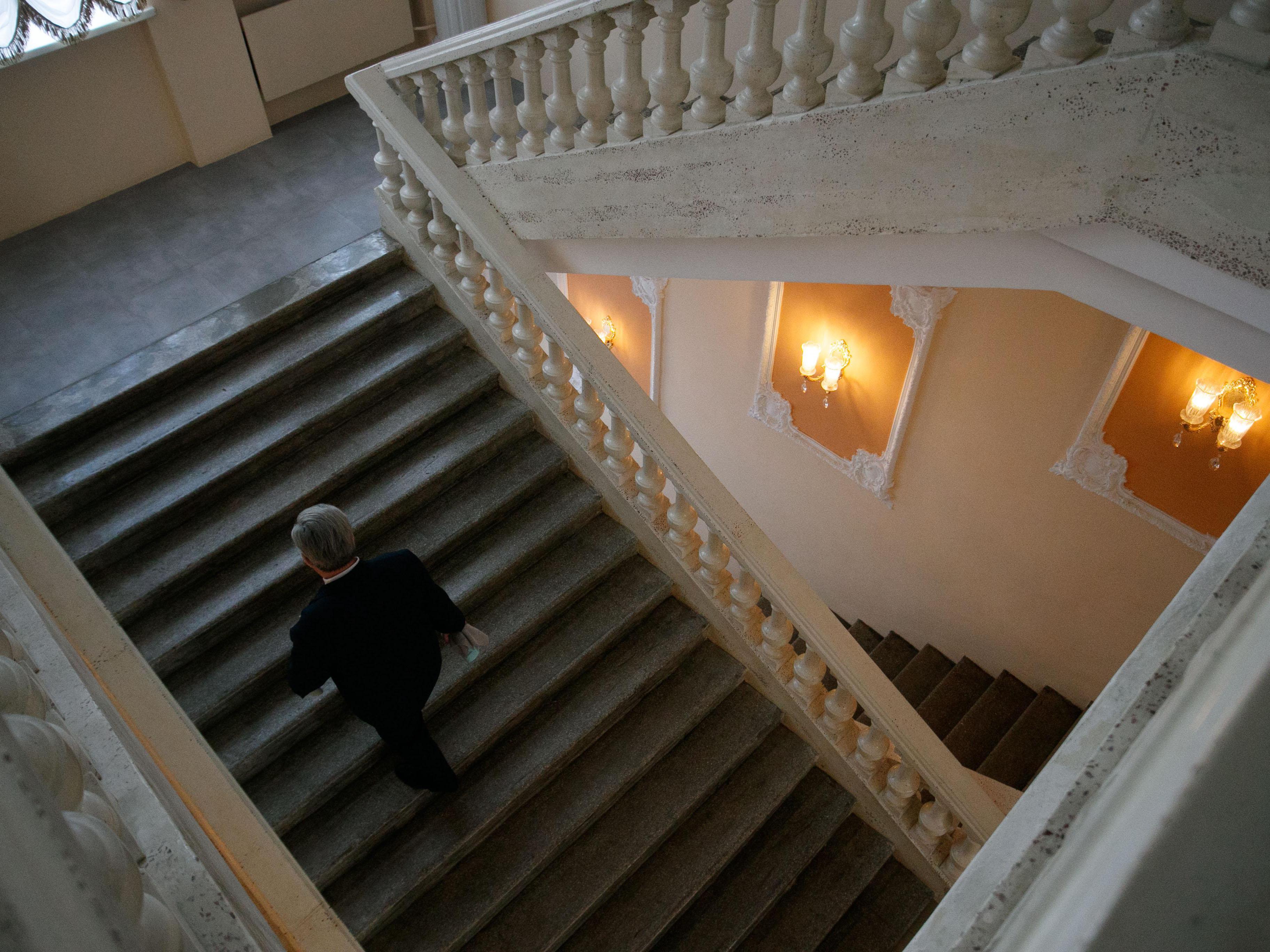
One of the main highlights of the Popov House of Culture is the majestic staircase in the center of the foyer, where even wedding photoshoots are held today. According to the artistic director of the «Academy of Arts,» during the repair, the railings on the staircase were replaced, but the steps cannot be touched—they are part of the protected portion of the building.
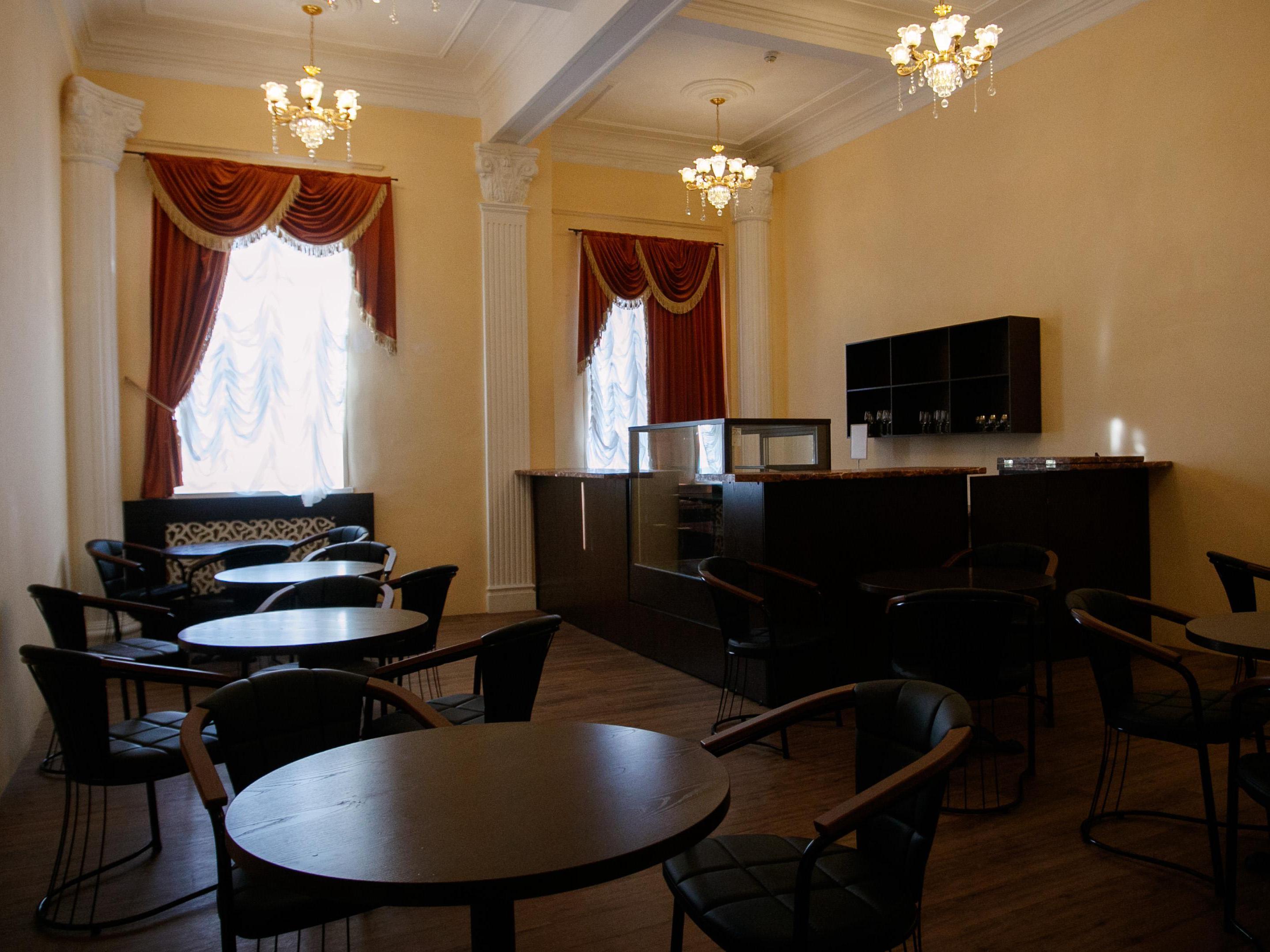
«Vladimir Alekseyevich made the stucco with his own hands together with Yulia Anatolyevna. First, they cast silicone molds, separately poured half-columns, pulled out the bodies of the columns. They did this here, until two, three in the morning daily,» said Elena Rozhkova.
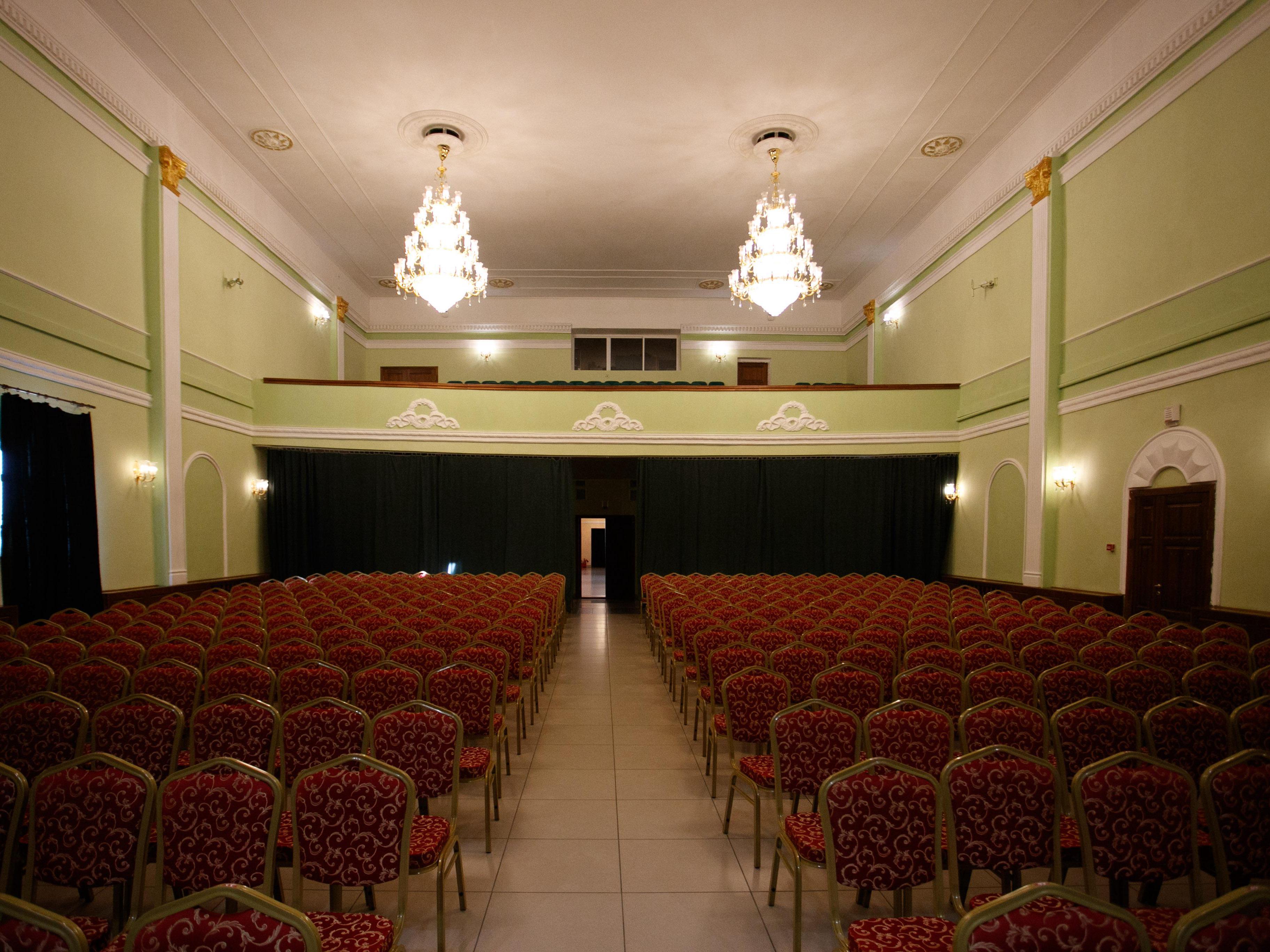
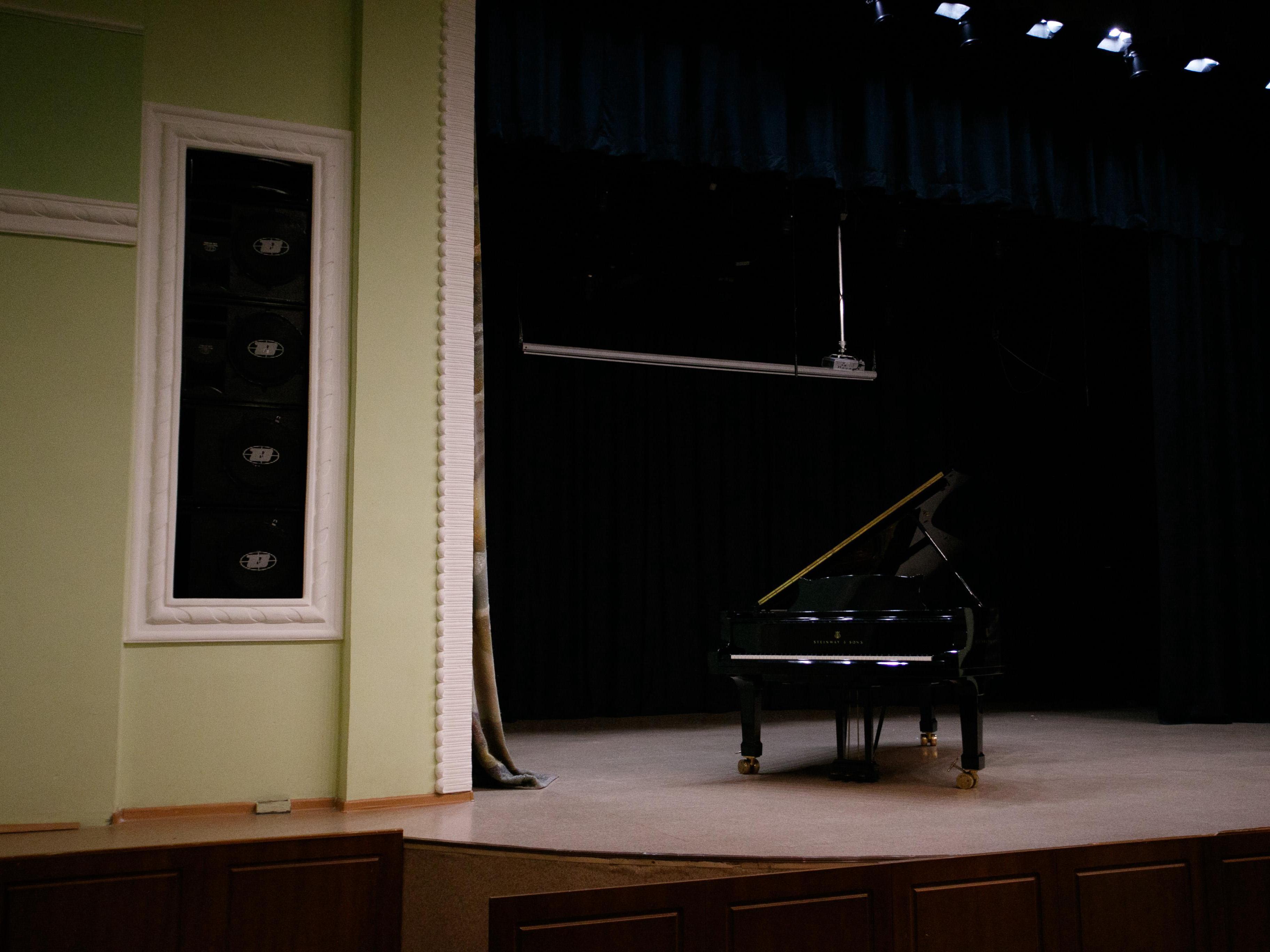
For concerts, the building has two halls: small and large. The interior of the latter has hardly changed after the repair—only huge chandeliers and pilasters have reappeared.
«I look at all this and think: my God, how did we manage? The 49 chandeliers hanging in the foyer, over 30 sconces hanging here, these huge chandeliers—we assembled them all by hand. They came to us disassembled, and we did all this with such love, trepidation, tenderness,» the artistic director surveyed the large hall.
The small hall has changed much more—previously, in its place was a gym. Now the walls are adorned with portraits of great art figures, and on the largest photograph—the orchestra of Arnold Katz. This space is often rented out, because the building cannot be sustained by children«s education alone, its owners admit. It costs several million rubles per month.
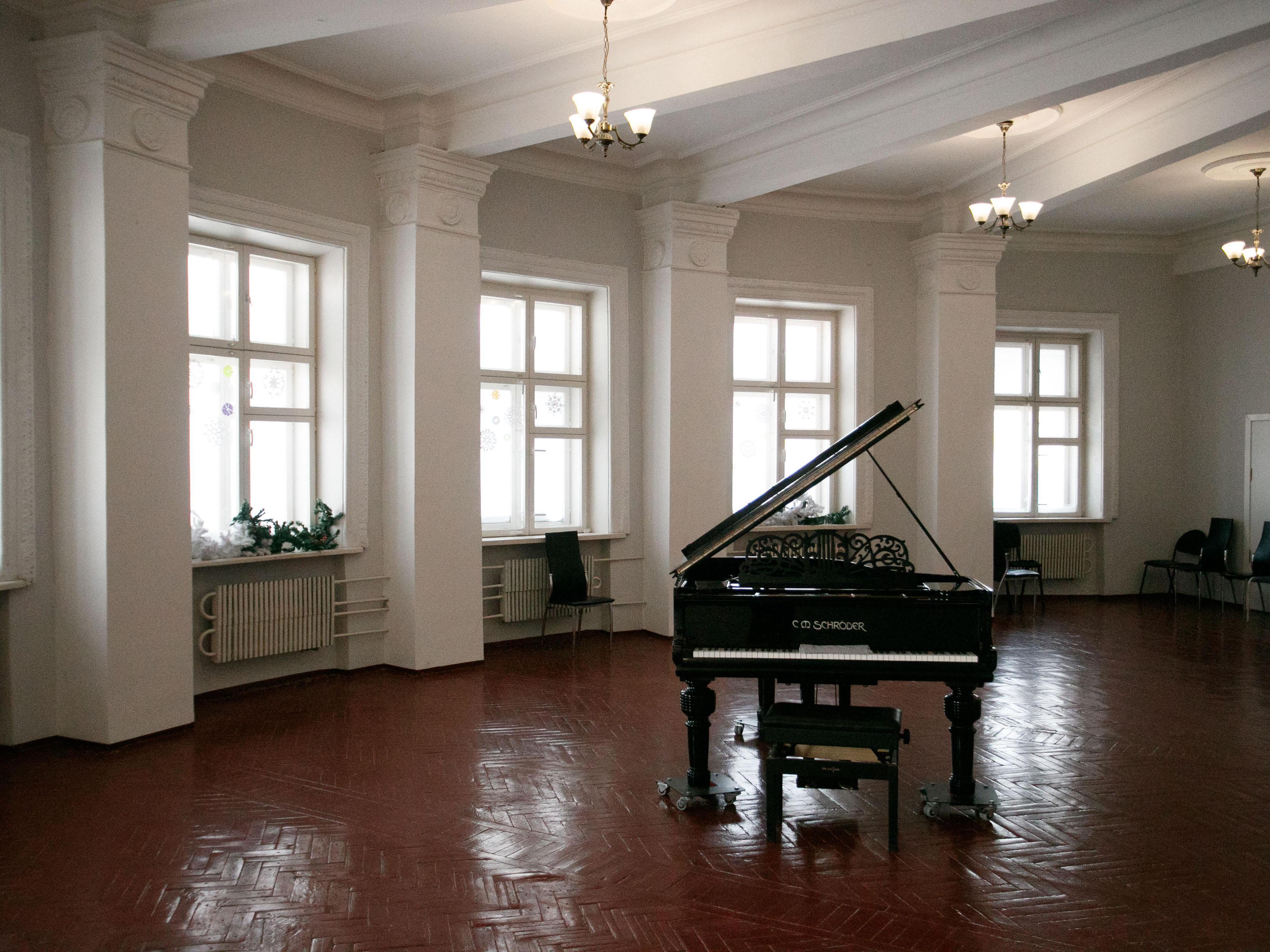
Behind the small hall is the White Studio, where classes for the artistic direction of the «Academy» are held. Here, children paint at easels, but this room—bright, painted white, with frequent large windows—is also decorated with a grand piano. Quite often, they practice to live music here, and not only students of the «Academy» but also adults in master classes.
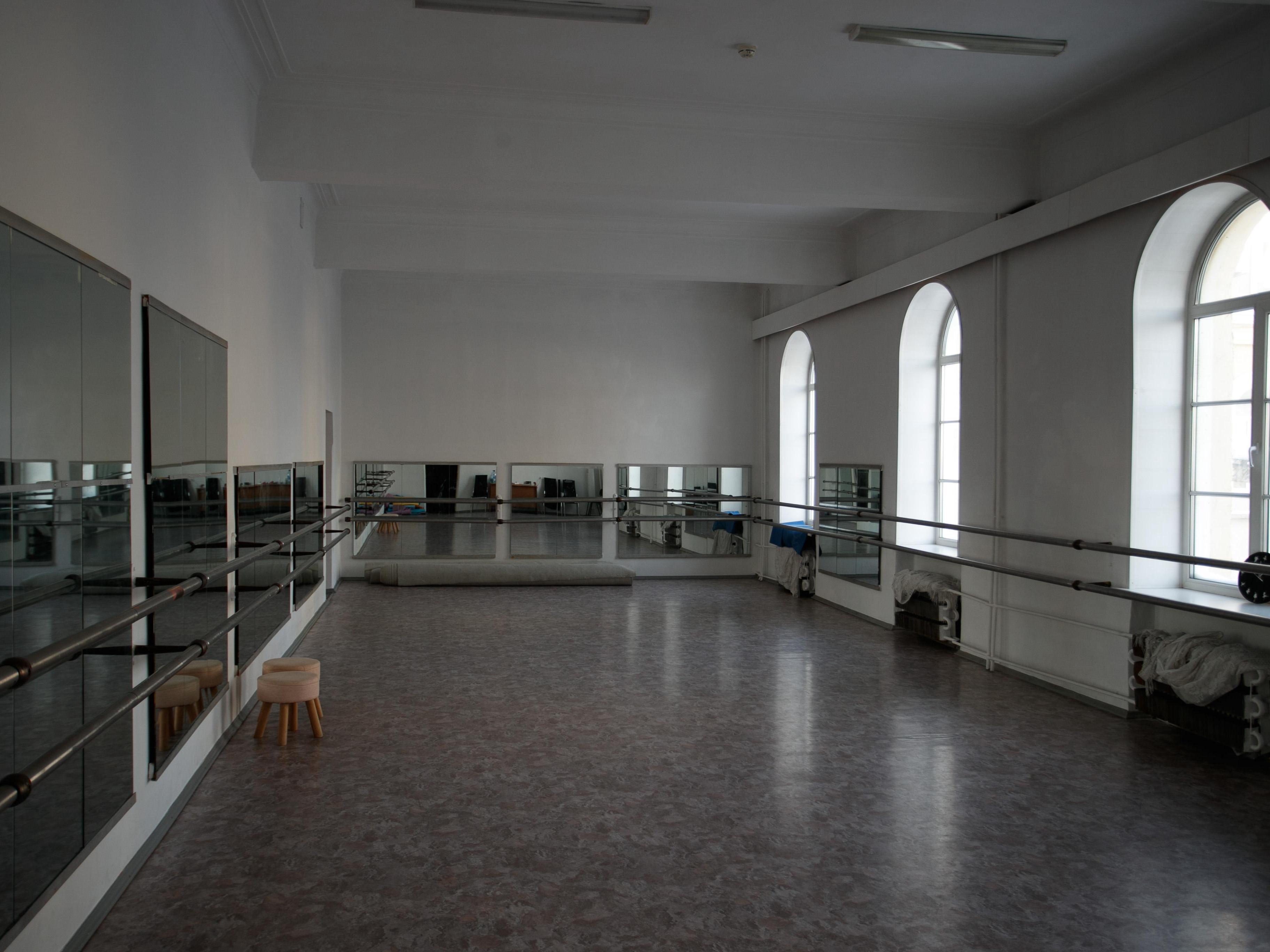
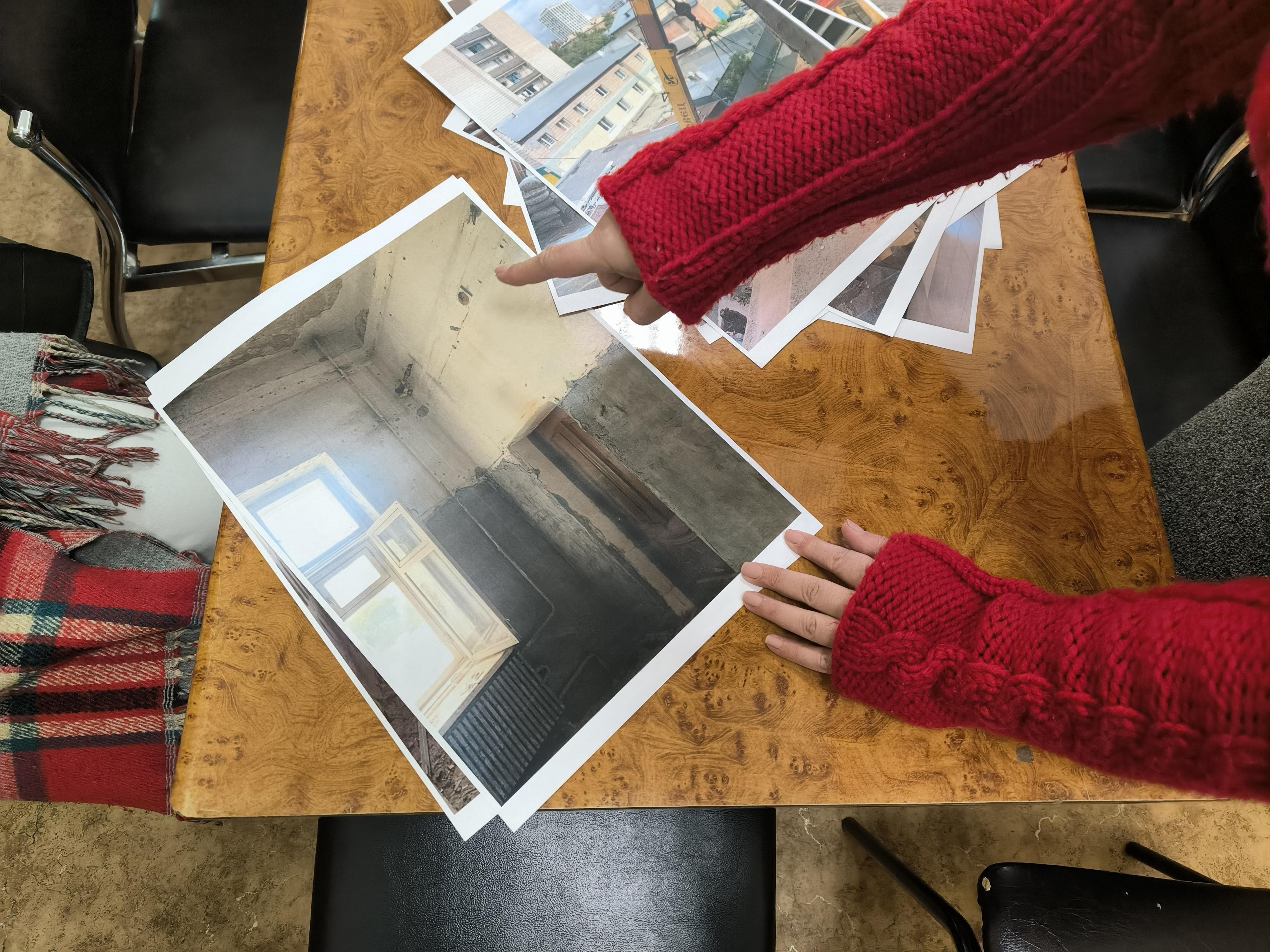
In the long corridors, small offices are lined up in a row. Full-fledged repair hasn«t reached them yet, so they look a bit abandoned. Some spaces just need decluttering, others need floor updates, wall painting.
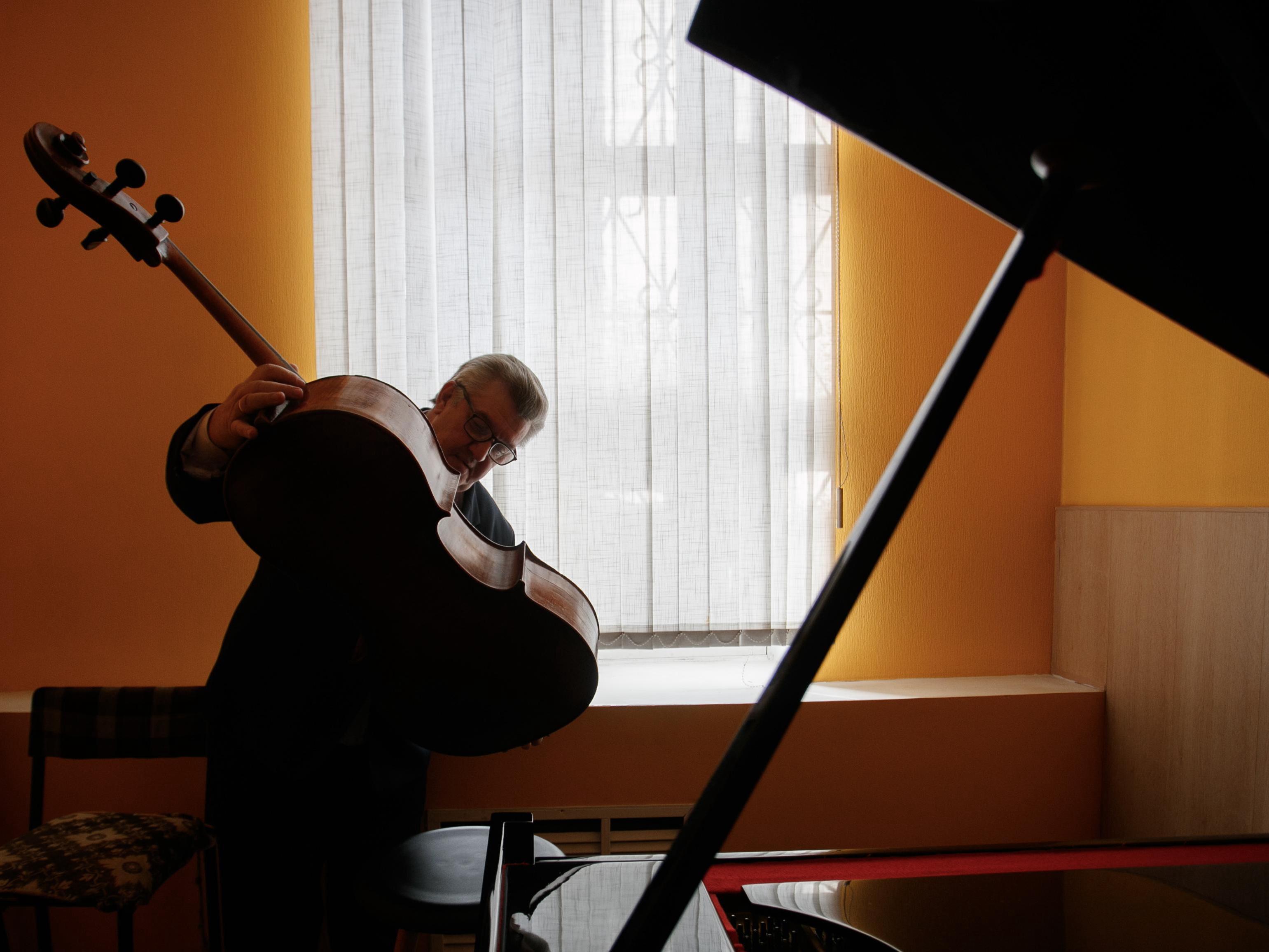
Vladimir Avgust also has his own office in the building, where a cello greets visitors at the entrance. Another one waits in a white case—a new acquisition, recently delivered from Saint Petersburg. It was made in the early 18th century by the legendary master—Antonio Stradivari.
According to Vladimir Avgust, he has been moving towards creating an arts school for many years. In childhood, he attended a music school for violin and admits that he «got injured.» But he didn«t abandon music: he graduated from the conservatory, and until the early 1990s, he performed precisely in the famous orchestra under the direction of Arnold Katz.
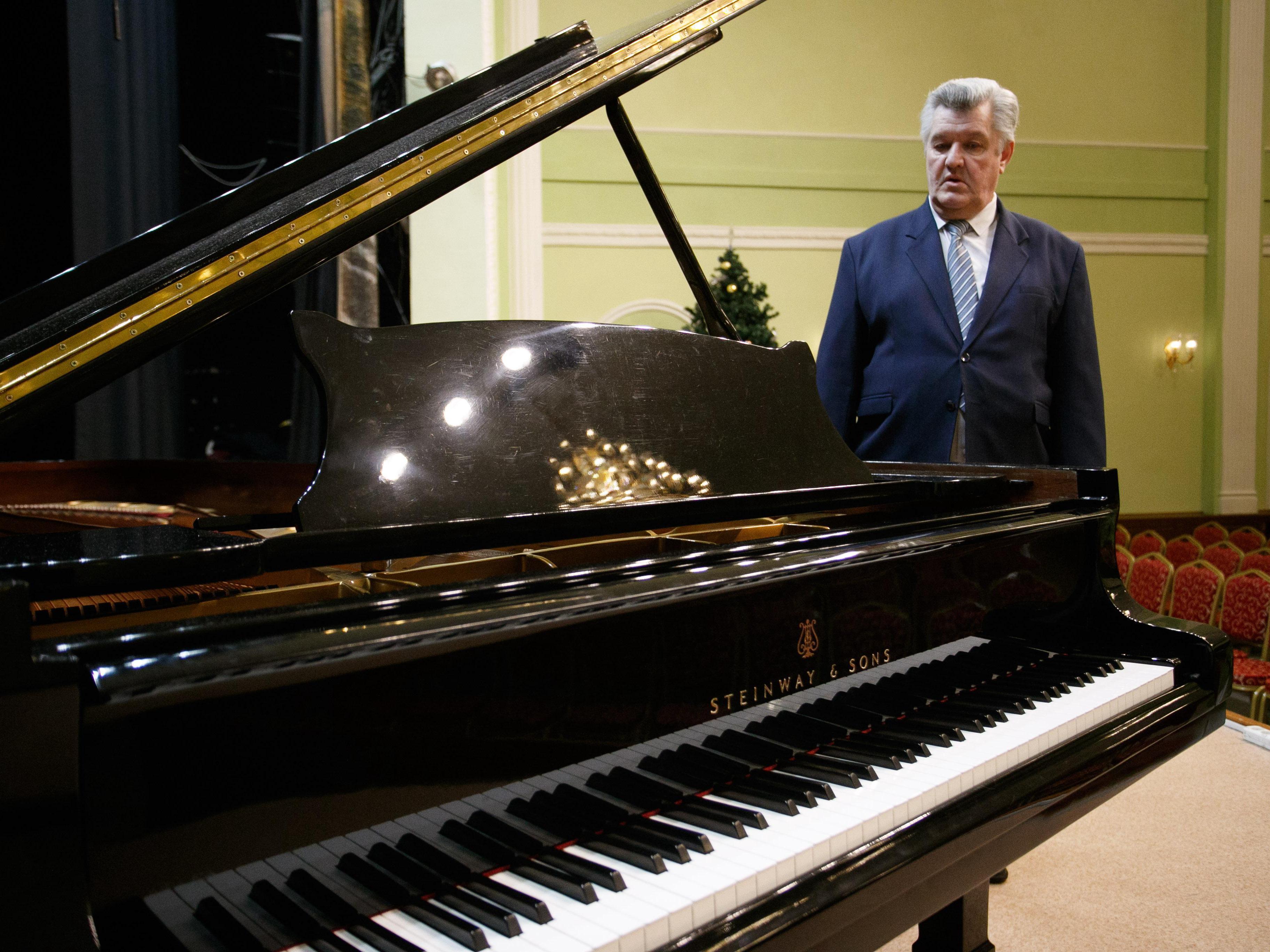
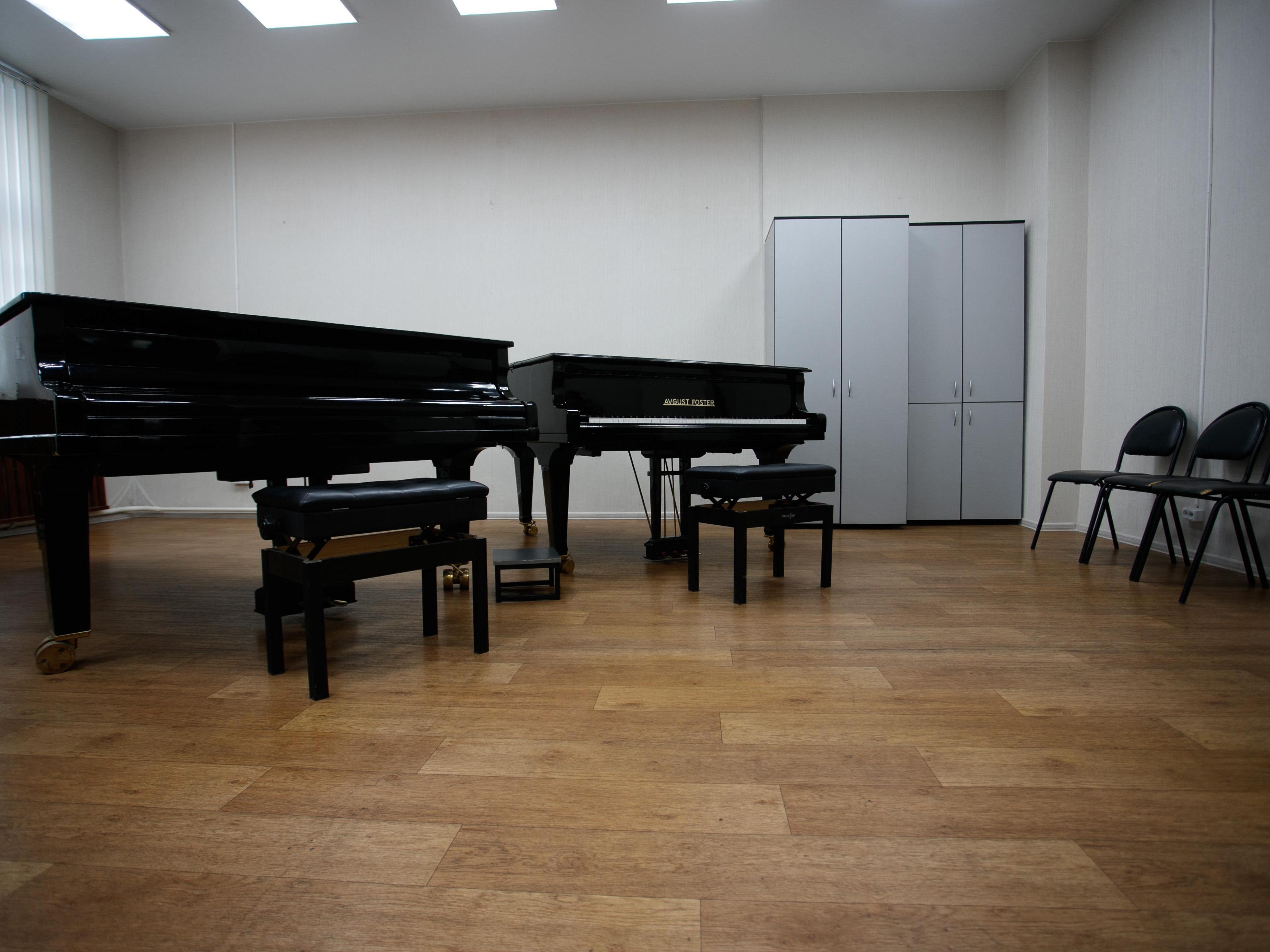
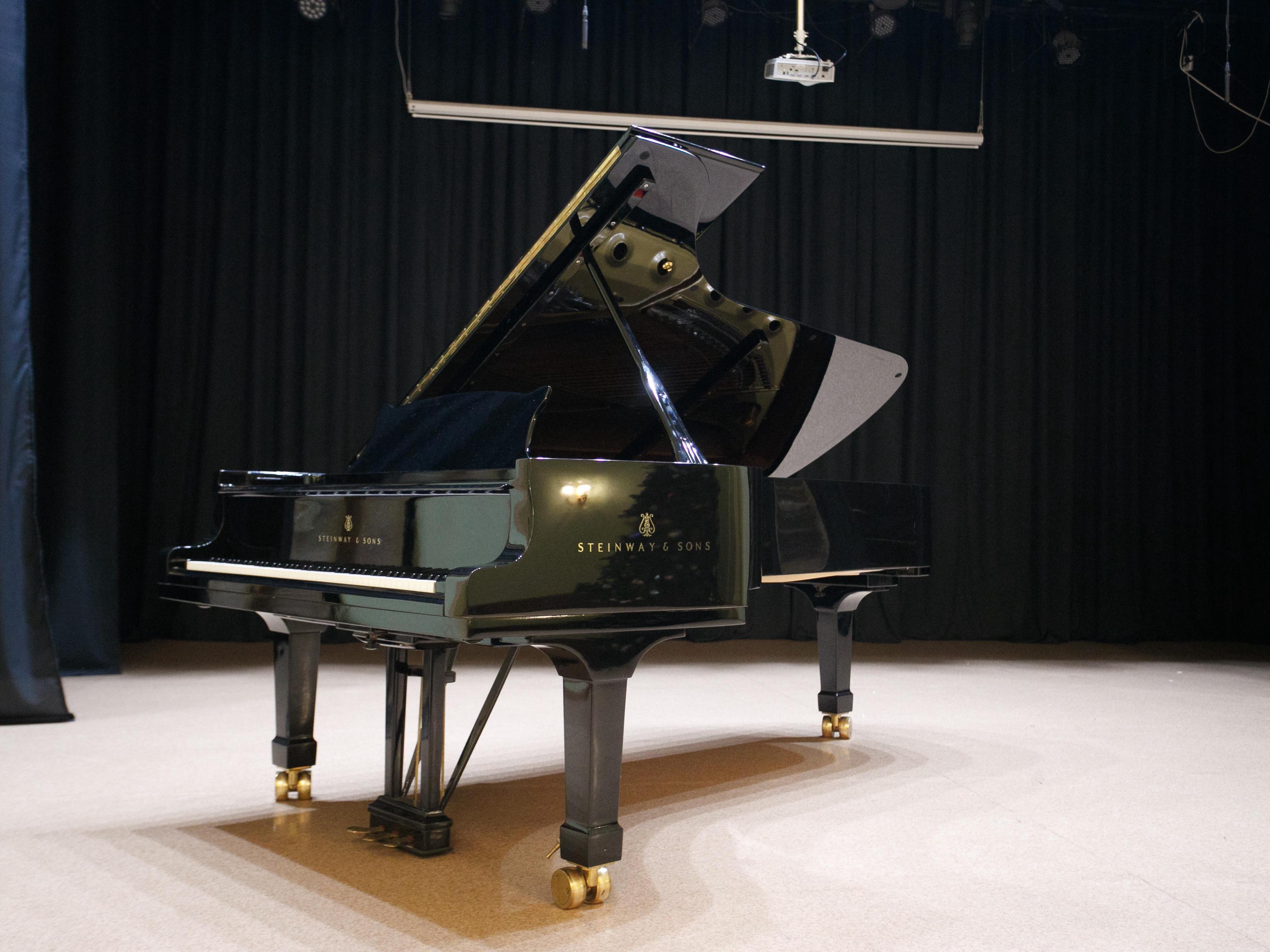
After finishing his music career, Vladimir Avgust still remained involved in the world of music: he created a workshop for repairing instruments, mainly grand pianos. Developing the business, he began collecting them, and now in the halls of the old house of culture, one can encounter rare instruments: Steinways, of which there are only a few in Russia, a 150-year-old Blüthner, August Förster, Schröder. All of them are deliberately not locked; anyone can approach and play. Elena Rozhkova said that once she saw a mother, waiting for her child from classes, playing on one of them.
Vladimir Avgust explained the decision based on the impression from his own learning. Once, he was allowed to practice in the concert hall—alone, in a large room, on a concert grand piano. The sensations, he said, were completely different. Thus, his approach to music education emerged: children are given to play even on unique instruments and in any halls.
Without Opposition
The idea of creating the «Academy of Arts» matured for the Avgust spouses for over ten years. In the 2010s, their daughter Polina was born, in whom the parents discerned musical talent. Now the girl is in her fourth year of music college, playing the cello. But during school years, the family had to literally move into the car, traveling all over the city from teacher to teacher.
«I worked professionally as a teacher for some time. In the USSR, certain conditions were created, comprehensive education for children. Now such things remain in Moscow and Saint Petersburg, but we don«t have it here,» noted Vladimir Avgust.
Elena Rozhkova, before the «Academy of Arts,» also worked for 20 years in the state system of additional education, and in the new place, she tried to account for its shortcomings as well. The issue, she clarified, is not only about a pile of reports and a formal approach to children.
«We categorically avoid methods of psychological violence, when a child is humiliated, they try to motivate in such a way that the child proves, in opposition to the teacher, that he is not talentless, not lazy,» explained the artistic director of the «Academy.» «This principle, unfortunately, was cultivated since Soviet times, and very many parents, having experienced it themselves, doubt whether to send their children to study.»
The «Academy of Arts» has been operating for its second year. The education of the first group of children last year went parallel to active repair, and Elena Rozhkova calls the kids «the bravest.»
Today, over 200 children study at the «Academy,» and at the end of December, they had a reporting concert for all directions: theatrical, dance, music, and artistic. The leaders adhere to the idea that a creative child should receive a complete education, so children who study music sometimes attend dance and choir. And vice versa.
At the same time, according to Elena Rozhkova, the house of culture today partly remains factory-based, district-based. Sometimes former employees of «Electrosignal» drop by, and an ensemble of Russian song, formed by workers in 1987, also gathers here. The building changed hands, changed, but the choir remained. It remained even when the new owners decided to develop the «Academy of Arts.»
«No one touched these dear old ladies who have been going to this choir all their lives. We organize concerts for them here twice a year, they invite the Plant Veterans« Council, pensioners come with pleasure. We preserve our beloved grandmothers,» smiled the artistic director of the »Academy.«
«No Economy—You Can»t Earn on This«
The «Academy of Arts» in the eyes of its creators is only a small part of a big plan. They dream of creating a continuous-cycle cultural educational institution. According to their idea, artistic development of a child should start as early as three years, introducing subjects. By five, he can already choose a specific direction, while continuing to dabble a bit in others.
«If at some point the child understands that he is not interested in this—for example, he sang, but then decided that choreography is more interesting—then he can [change direction],» explained Elena Rozhkova.
After 9th or 11th grade, a child in the «Academy of Arts» can receive secondary vocational education based on the same institution and, possibly, enter the conservatory within it. But there is a nuance.
«We can have any plans, but we are limited in space. We have many large spaces and very few educational offices. At the same time, there are those who want to study, and there will be more and more of them,» the artistic director of the «Academy» is sure.
Most of the premises suitable for classes are in the second part of the building, but it does not belong to the Avgusts. Today, it is occupied by the TUAD (Territorial Administration of Architecture and Development) of Novosibirsk Oblast. According to the creators of the «Academy of Arts,» they offered the department both money and a place to move to, but so far, dialogue is not being built.
«Without the second part of the building, without these areas, the implementation of huge plans is in great doubt,» Elena Rozhkova sadly stated.
Vladimir Avgust recalled meetings with officials from the mayor«s office, who, he said, did not understand at all what he was doing and why, and asked how he planned to earn on this.
«There is no economy. You can«t earn on this. There are no fairy tales. But if we don»t do this now, then no one else does it at all here,» countered the building owner.
Education at the «Academy» is paid, but its cost is not disclosed by the institution«s leaders. In perspective, they plan to allocate free spots for talented children.
There are other problems, technical ones. One of the main ones is pipes and the foundation. It happened, Elena Rozhkova said, that 20 minutes before an event for 400 people, a plumber ran in with a message that there was another flood in the basement and the lights had to be cut.
«When this building was built, a 300-millimeter pipe was laid inside through the basement, the balance holder of which is currently SGK (Siberian Generating Company)—this is boiling water. The pipe is now 70 years old, it was replaced in pieces, and now the basement often floods,» she said.
Elena Rozhkova is trying to get the pipe turned off and rerouted around the building. The NGS correspondent sent inquiries to TUAD and SGK with a request to comment on the situation.
What Else to Read on the Topic?
«The external appearance is deplorable»: when in the center of Novosibirsk they will repair the «Aeroflot House»—the building is almost a hundred years old.
Walking through an old mansion, in which they opened the only dumpling museum in Russia.
«You can«t build up only with housing»: deputies, a developer, and an activist argued about what should be on the site of the Novosibirsk infectious diseases hospital.