SGC and Management Companies Clash Over Cold Radiator Causes
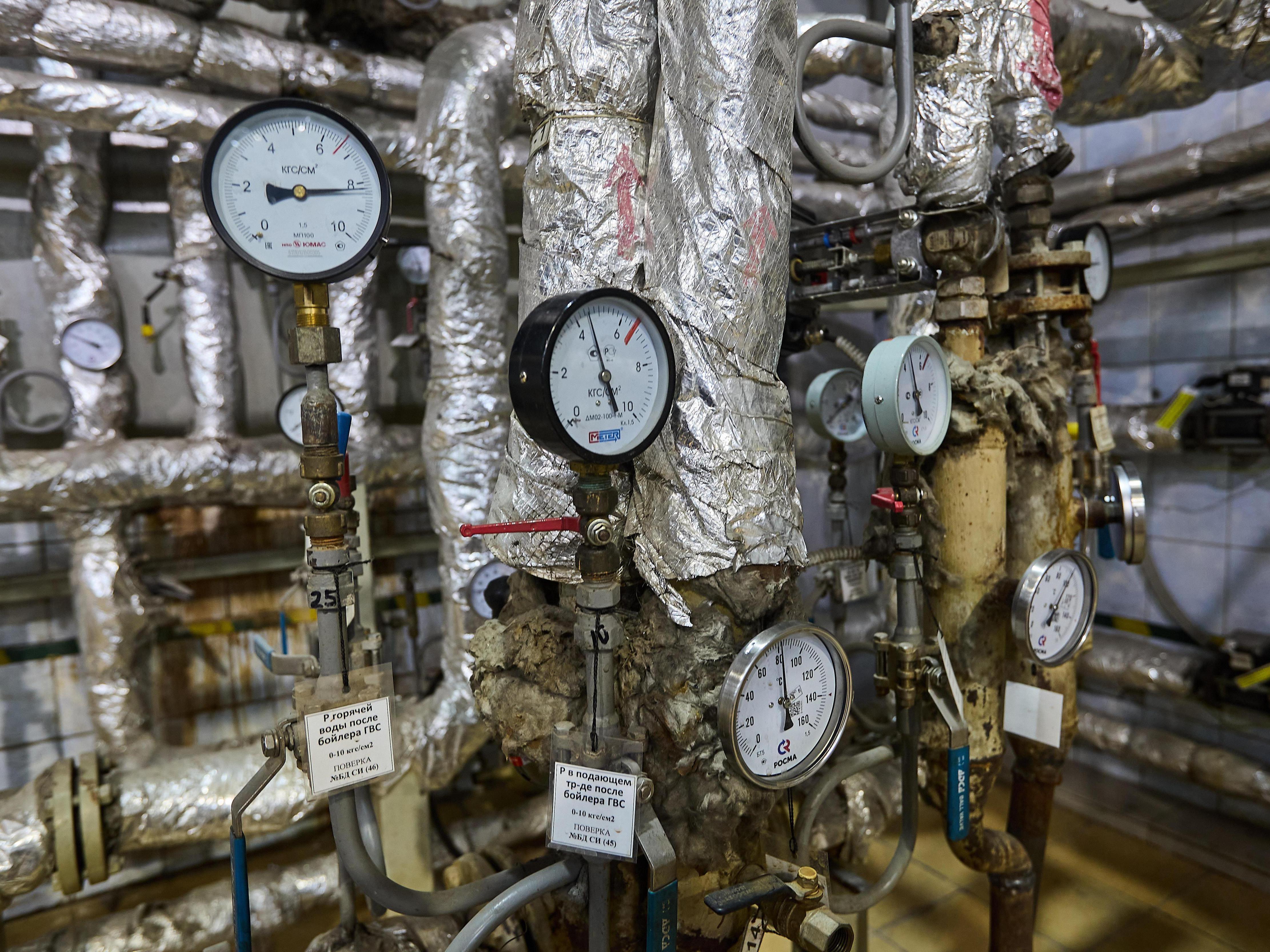

The heating season is proceeding without major accidents (let it continue that way), but it is causing no less dissatisfaction among citizens than in previous years. Hundreds of residents complain about cold in their apartments: the radiators are warm, but their power is insufficient to heat the apartments. This leads to a cycle of complaints and accusations. Resource suppliers keep saying that they are not to blame, but the management companies are. In turn, management companies state that parameters are reduced due to constant ruptures and slowness of those very resource suppliers. Against the backdrop of these disputes, the city hall has created a special headquarters, and the State Housing Inspectorate (GZhI) is threatening everyone with fines. What is happening with the heat in the city was investigated by an NGS journalist.
Who is to Blame?
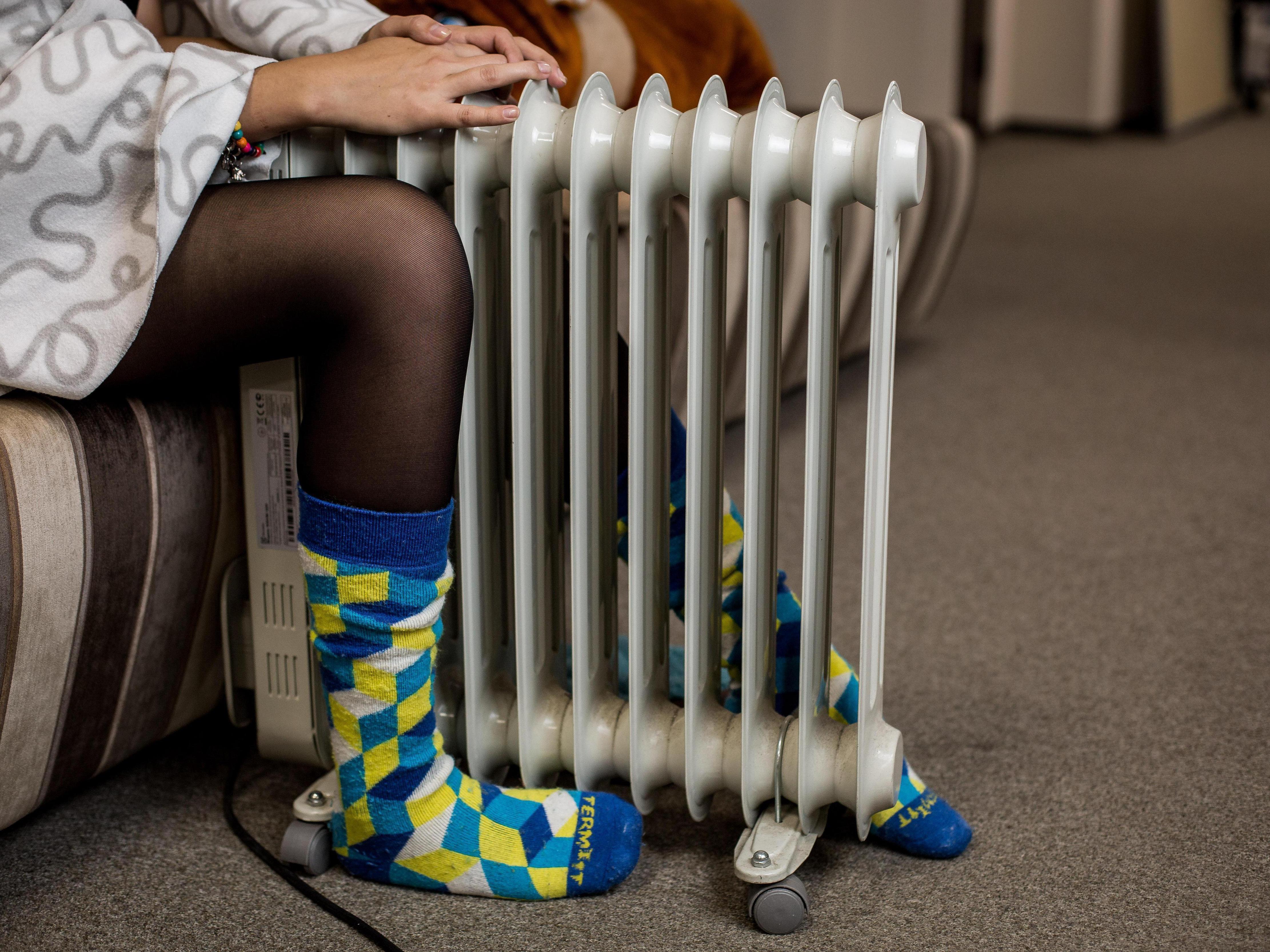
This heating season for the NGS editorial office is noticeably different from previous ones: complaints from citizens about cold radiators and problems with risers have not ceased, although usually their flow dwindles by the end of October. This time, it has weakened but continues. With new force, messages began arriving at the editorial office from mid-December, when the outdoor temperature consistently crossed the threshold of -15 degrees Celsius (5°F). As expected, all the blame for such quality of housing and communal services fell on the management companies.
In the Novosibirsk city hall, they previously reported that the top largest management companies in the city include «MKS-Novosibirsk», «Service Customer of Housing and Communal Services of the Leninsky District», «Spas-Dom», «Dzerzhinets», «Academy of Comfort», and «UKEZh “Siberian Initiative”». The NGS editorial office contacted the companies, asking them to comment on the current situation and name the reasons for barely warm radiators in houses.

“They Don«t React Instantly, as We Would Like”
General Director of Management Company «Spas-Dom» Yevgeny Tkachenko confirmed that this heating season is very difficult.
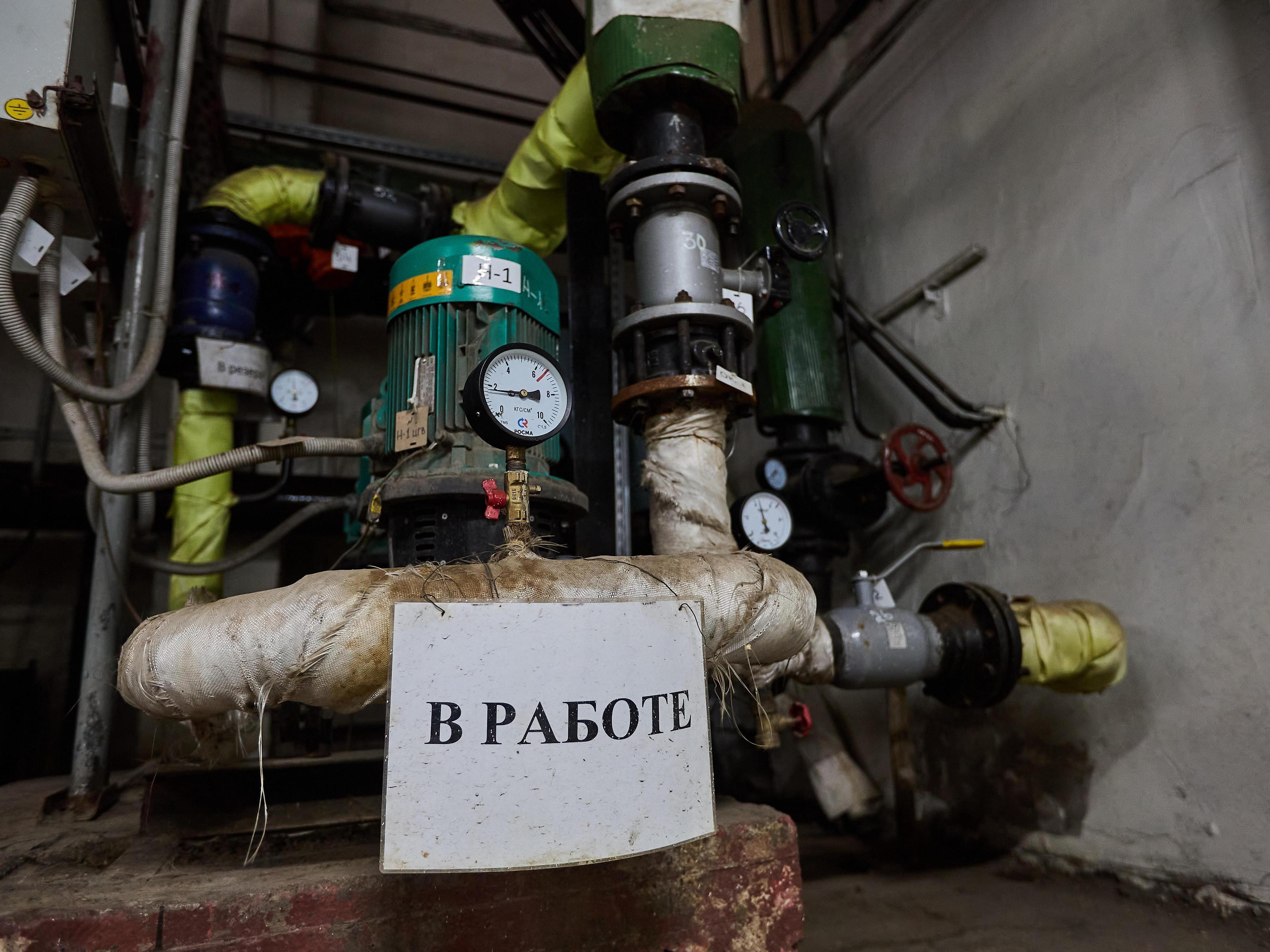
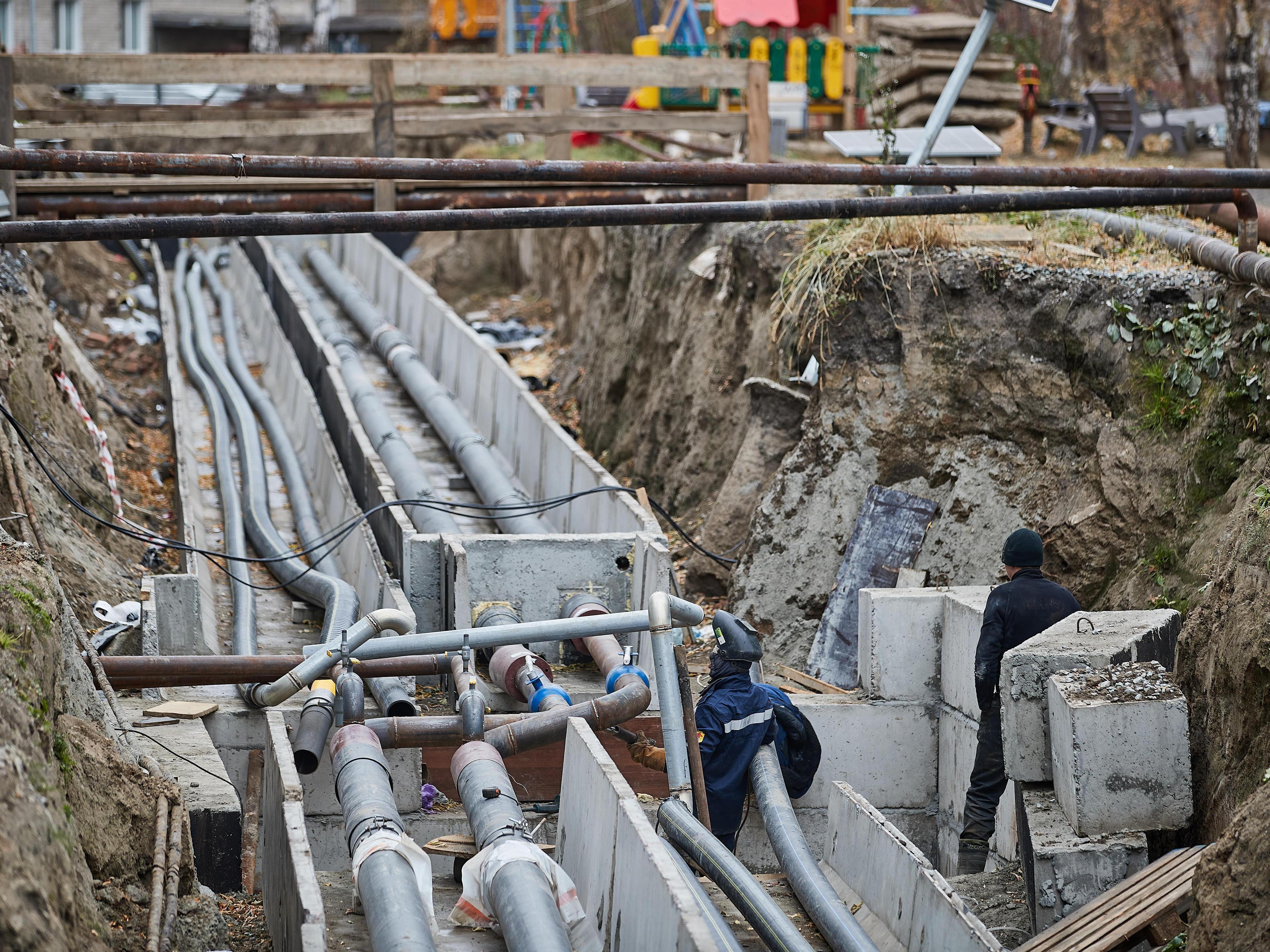
“Frequent defects at Central Thermal Points (CTPs), main and intra-quarter networks, serviced by «NTSK» (part of «SGC») lead to almost daily shutdowns or reductions in heating system parameters in apartment buildings across different districts of the city,” reported Yevgeny Tkachenko.
He added that due to staff shortages, «NTSK» fixes medium and small defects not within a day, but from two weeks to a month — in order of priority and depending on the defect«s importance.
“All this time, the heating systems of apartment buildings are at reduced parameters, when due to low pressure of heat carrier supply, in some apartments it is relatively warm, while in others the radiators are barely warm, or half the apartment has hot radiators, but the heating pressure hardly reaches the other half along the riser,” explained the representative of «Spas-Dom».
Yevgeny Tkachenko also emphasized that often due to defects, the cold water supply pipe heats up as it is in the same tray as the heating pipes. Thus, residents may get hot water, up to 55 degrees Celsius (131°F), from the cold water tap.
Director of General Affairs at Management Company «Dzerzhinets» Yevgeny Cherdyntsev rated the passage of the heating season as «satisfactory» and «routine». He added that most complaints from owners came at the beginning of the heating system rollout, and now everything is working as it should.
Director of «Service Customer of Housing and Communal Services of the Leninsky District» Yevgeny Bykov noted that the situation is difficult but controllable.
“The main problem for the management company is the inability to accurately predict the development of the situation. The utility service provider, for its part, assists in informing about reductions in heat carrier parameters,” emphasized Yevgeny Bykov.
Number of Defects Decreased by 7%
SGC calculated that from the start of the heating season to 20 January, 1,649 defects were recorded. In the previous heating season over the same period, there were 1,767 defects. The company associates the 7% reduction with its large-scale pipeline replacements over the last three repair campaigns.
That shutdowns or parameter reductions can occur every day is not denied by the company. But they note that there are no shutdowns lasting more than a day during the heating period.
“On weekdays and in relatively warm weather, there are about ten work sites for defect elimination in different districts of the city. As a rule, these are local preventive works so that a small defect does not turn into serious damage. During the works, heat supply may be disconnected for a number of houses (typically from one to 20),” emphasized SGC.
During frosts, identified defects are taken under control to be repaired in warmer weather.
“We are gradually reducing the degree of wear on pipelines older than 25 years. Over four years of SGC«s work in the city, investments in heat network infrastructure have reduced the length of dilapidated heat mains by 13%. If in 2020 the share of such heat networks was 71.4%, then by the end of 2025 this indicator should decrease to 66.8%,” added the company.
According to the organization, from 2022 to 2025, SGC replaced, built, and repaired a total of 232 kilometers of heat networks in Novosibirsk, and the lifespan of defects has halved.
What GZhI Says and SGC«s Response to Their Findings
In response to NGS«s request, the State Housing Inspectorate reported that from 23 December to 13 January, they received 118 complaints.
“The main reason for the reduction in the quality of utility services in the city of Novosibirsk, based on information obtained from considering citizens« appeals, is the reduction of heat carrier parameters by resource-supplying organizations for the purpose of conducting repair work on external heat networks and central thermal points,” stated GZhI as the cause of this heating season.
The inspectorate added that on 13 January, a meeting of the headquarters at the Housing and Communal Services Department of the Novosibirsk City Hall was held, where resource suppliers and management companies were reminded that services must be provided properly, especially before frosts.
SGC received four fines from GZhI this heating season under Article 7.23 of the Code of Administrative Offenses of the Russian Federation «Violation of the normative level or regime of providing the population with utility services». Their amounts were not specified.
“The quality of utility services decreases only in case of repair work — for the duration of their execution. In other periods, quality is ensured for all subscribers,” countered SGC.
Complain Properly
The Ministry of Housing and Communal Services and Energy of Novosibirsk Oblast reported that issues of building maintenance and control over management companies lie with GZhI. As of 20 January, no accidents or incidents at heat supply facilities lasting over 24 hours were recorded by the ministry. According to their data, the heating season is proceeding routinely.
The Department of Energy and Housing and Communal Services of Novosibirsk reminded where to complain about poor heating: in writing to the management company, and then to GZhI. From 12 to 15 January, the Committee of Municipal Housing Inspectorate received only two from the list of dozens of problematic addresses sent by the NGS editorial office appeals: from houses on Sem«i Shamsinykh Street, 90/5 and Kropotkina Street, 108. They are under consideration. The mayor»s public reception office received five appeals, and the information line — 14 appeals.
The city hall also noted nuances that many citizens do not consider, yet they are important if you want measures to be taken on the appeal. Without following these rules, no official inspection will be conducted and no one will be punished. At the same time, officials do not indicate that the deadlines for considering citizens« appeals can reach up to 30 days. By the time you collect all the responses and reactions, the heating season might already end.
What Awaits Novosibirsk
There are still no messages about any global changes in the city«s housing and communal services system, planned construction of new CHP plants or mainlines.
“If we talk about the near future, it is important for us to maintain the level of investment. It is obvious to everyone that reducing the pace of modernizing the heat network economy is unacceptable. We are working on this*,” assured SGC.
In turn, management companies are dissatisfied with the tariffs approved by owners and warn that their low level cannot but negatively affect the quality of services.
“The housing and communal services sector has never been a high-income business. The municipality does not adopt municipal tariffs for MKD (apartment buildings — Ed.«s note), as is done in many regions of Russia, and if a management company sets an economically justified tariff, then GZhI challenges it in court,” explained General Director of Management Company »Spas-Dom« Yevgeny Tkachenko. “Many unscrupulous owners take advantage of this, whose tariff has long not corresponded to the realities of our time, and they have not changed it for 5–10 years.”
Management companies also confirmed a staff shortage. Salaries are relatively low, and the workload is huge — all this leads to companies lacking plumbers and welders. If the market situation does not change, a more tangible problem will be added to the pipe issues: there will simply be no one to repair and maintain the systems. In this situation, residents can only write endless complaints, stock up on heaters, and hope that the radiators don«t cool down completely.
Experts have previously spoken out and named reasons why radiators in Novosibirsk residents« homes are not hot this season.
Updated
* After publication, SGC provided NGS with a new comment, clarifying that it is more current. Previously, the message stated that the peak of investments under the investment program had passed, but reducing the pace of modernizing the heat network economy is unacceptable.