Zabaykalye woman dispels bone marrow donation myths
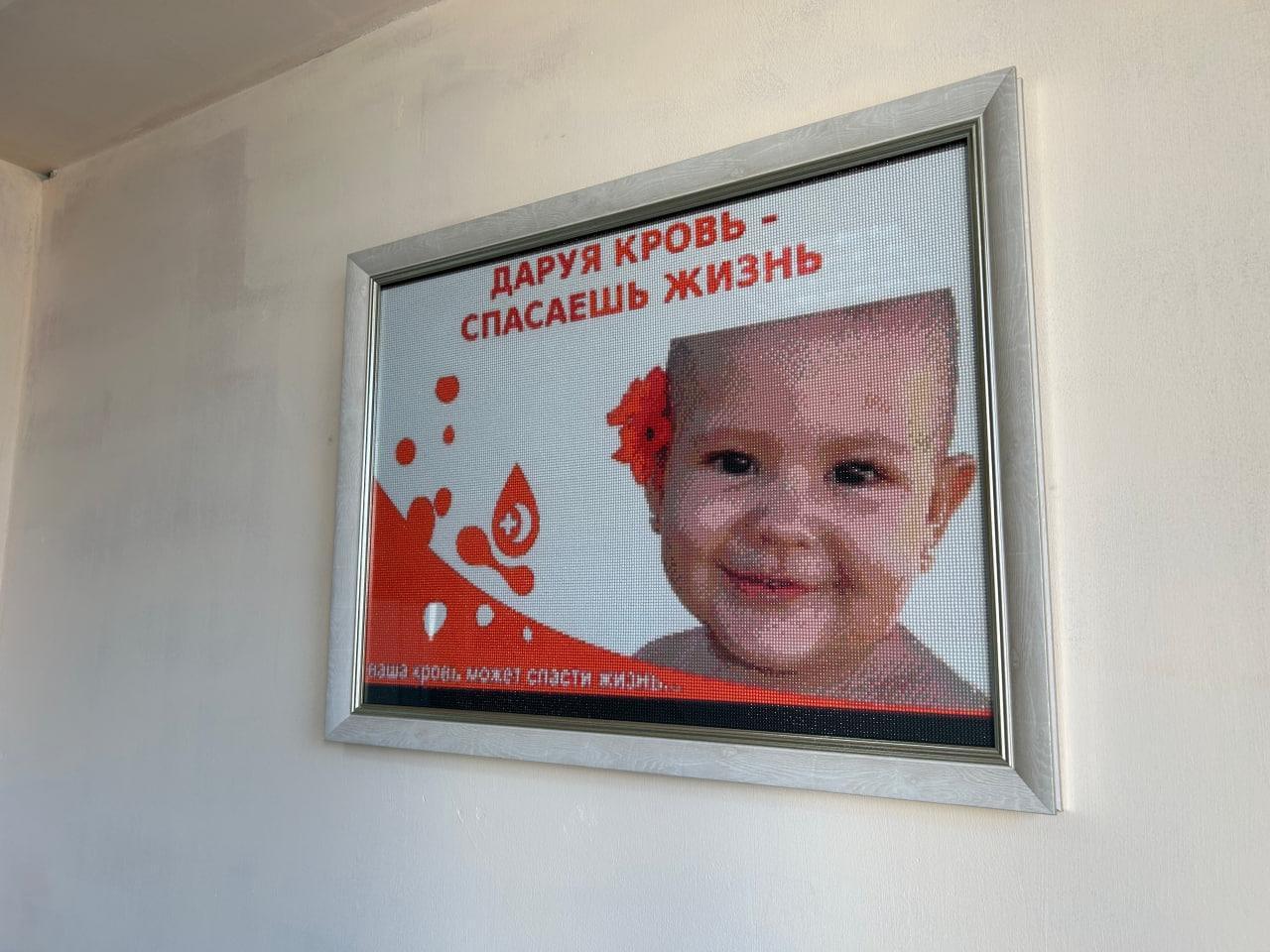

Alexandra, a resident of Chita, decided in 2025 to become a potential bone marrow donor. She faced discouragement from many people who said it was dangerous and would require a puncture under general anesthesia. In reality, it«s much simpler and safer now. That»s why she came to the editorial office of Chita.Ru to share her experience. We listened to her story, added useful information, and are sharing it, hoping that the Federal Bone Marrow Donor Registry will now be replenished more actively by Zabaykalye residents.
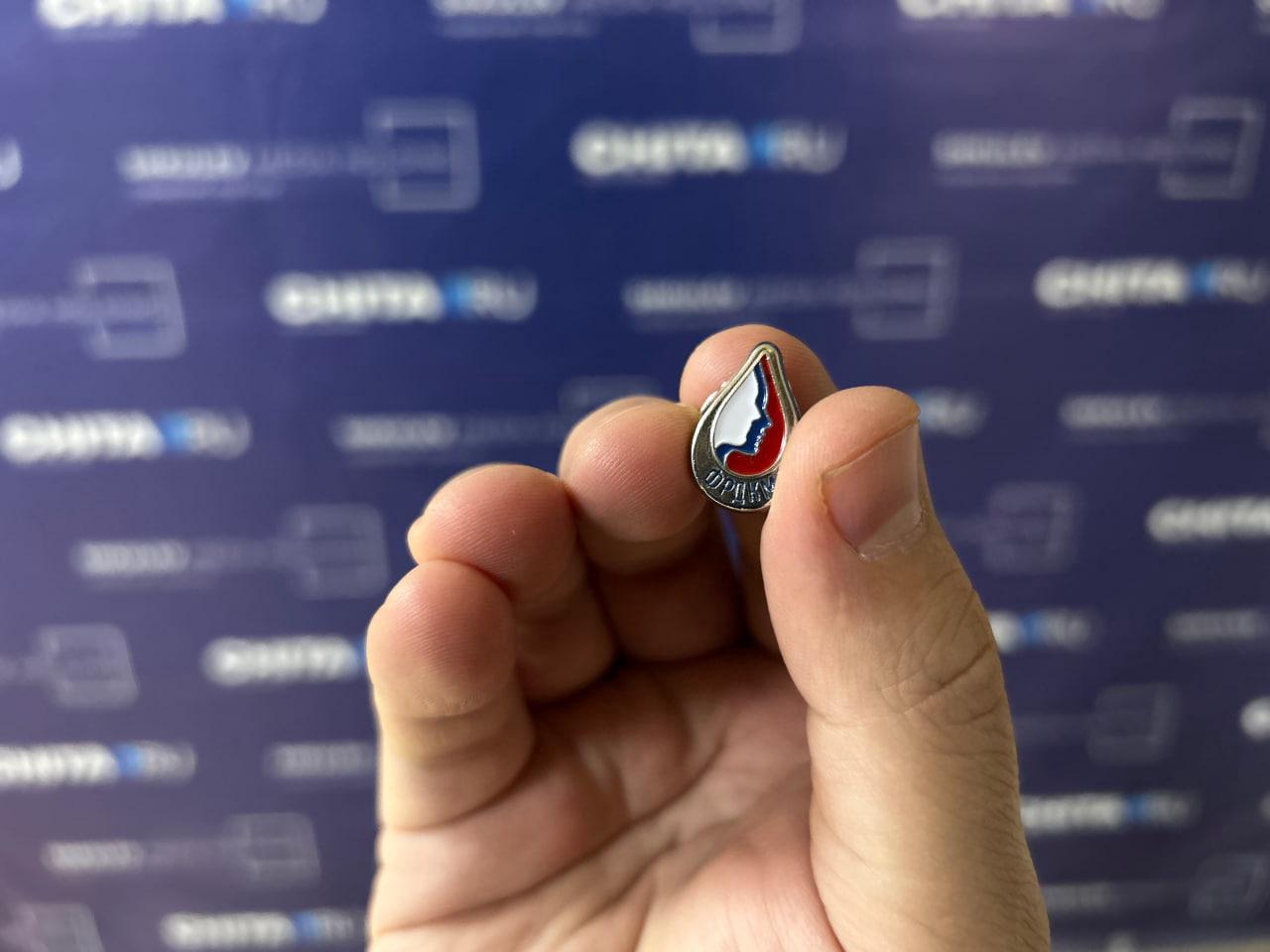
Simple Steps
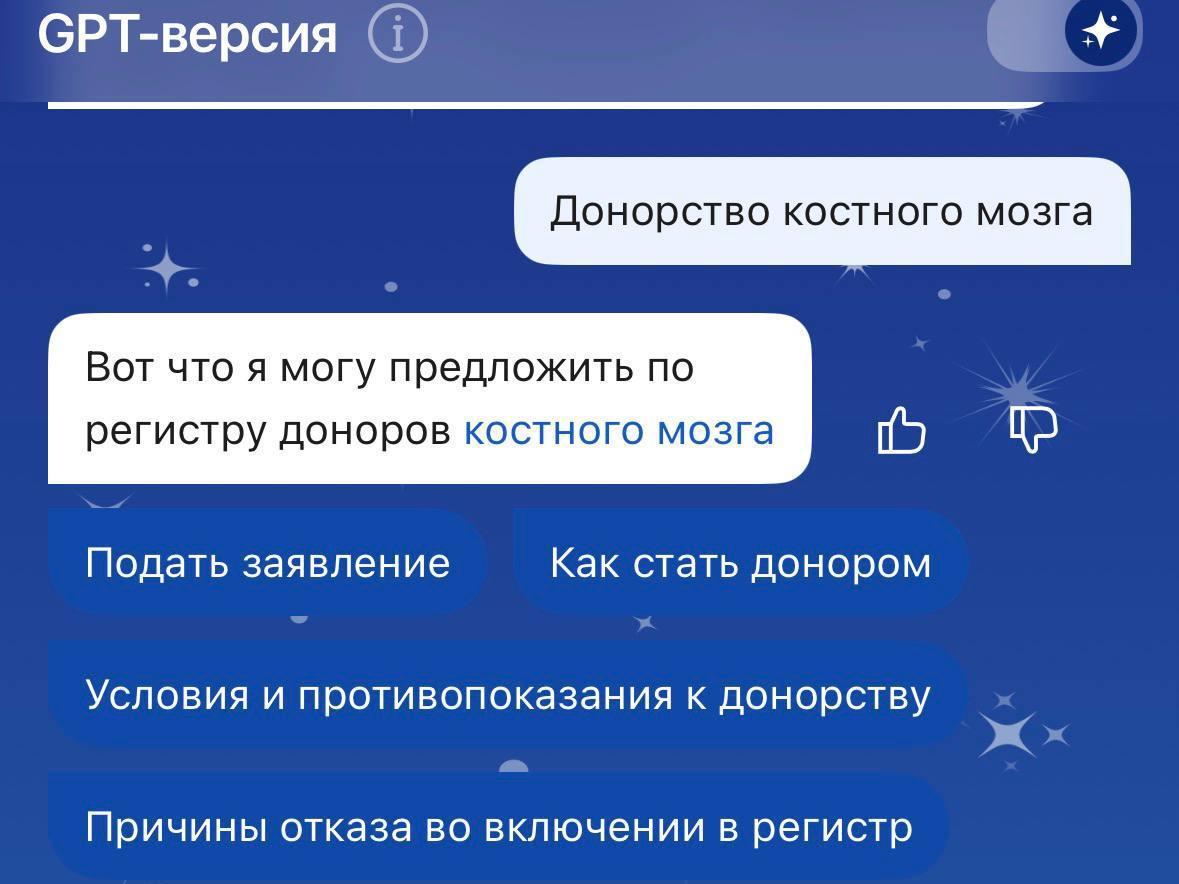
The notification with an offer to become a bone marrow donor came to Alexandra via the Gosuslugi app at the beginning of the year.
«A couple of years ago, I saw a video on social media about a tiny two-year-old girl who received a bone marrow transplant, and two years later she met her savior. I«m a mother myself, so the impression was indelible. At that time, by the way, I was already a blood donor. And then, after some time, a notification came on Gosuslugi. Without hesitation, I sent an application. But no one called me back. Maybe I just missed that moment, didn»t answer the phone. I sent the application again via the app about six months later, two months ago. And then a recruiter contacted me and invited me to donate blood,» recalls Alexandra.
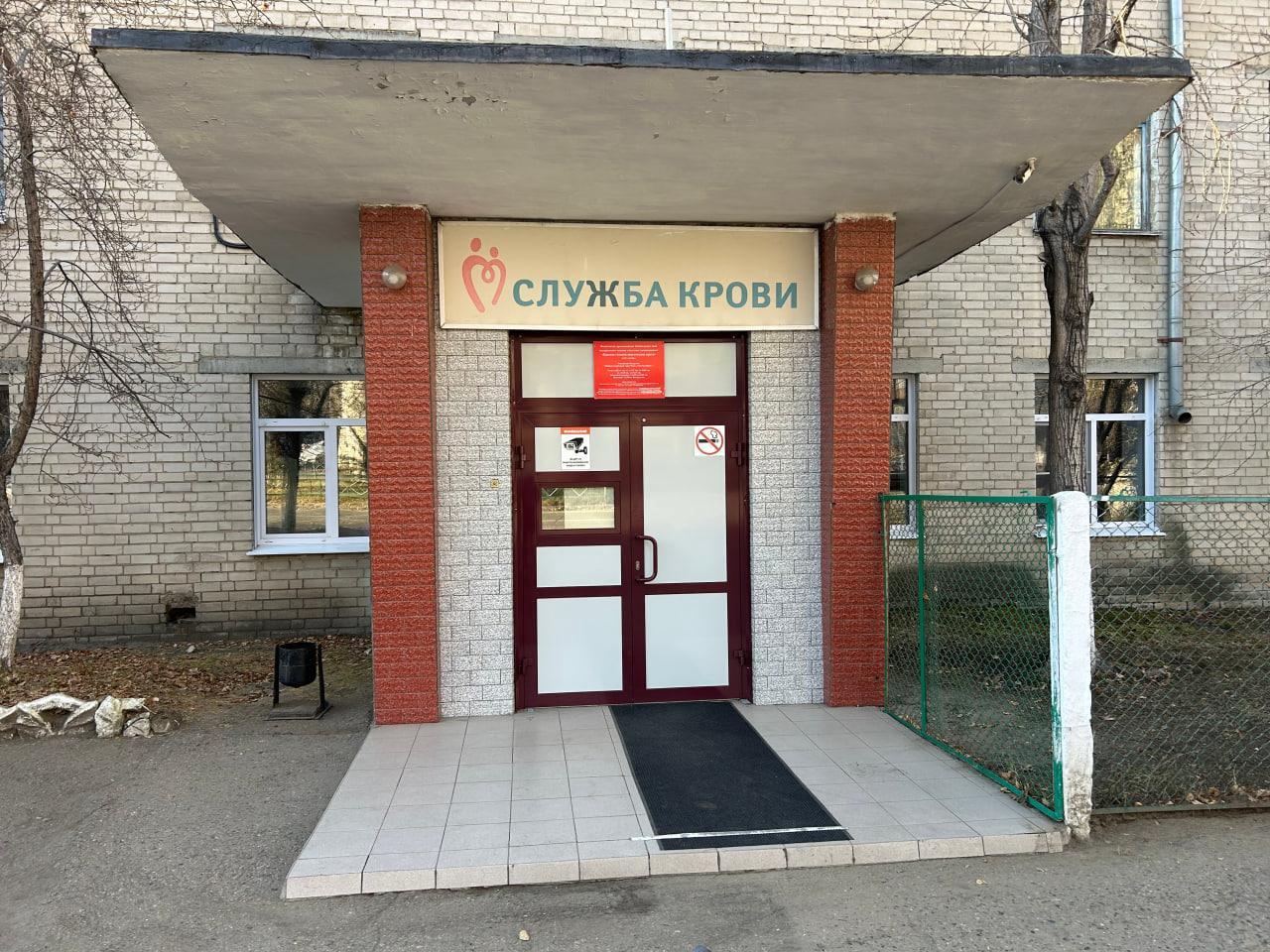
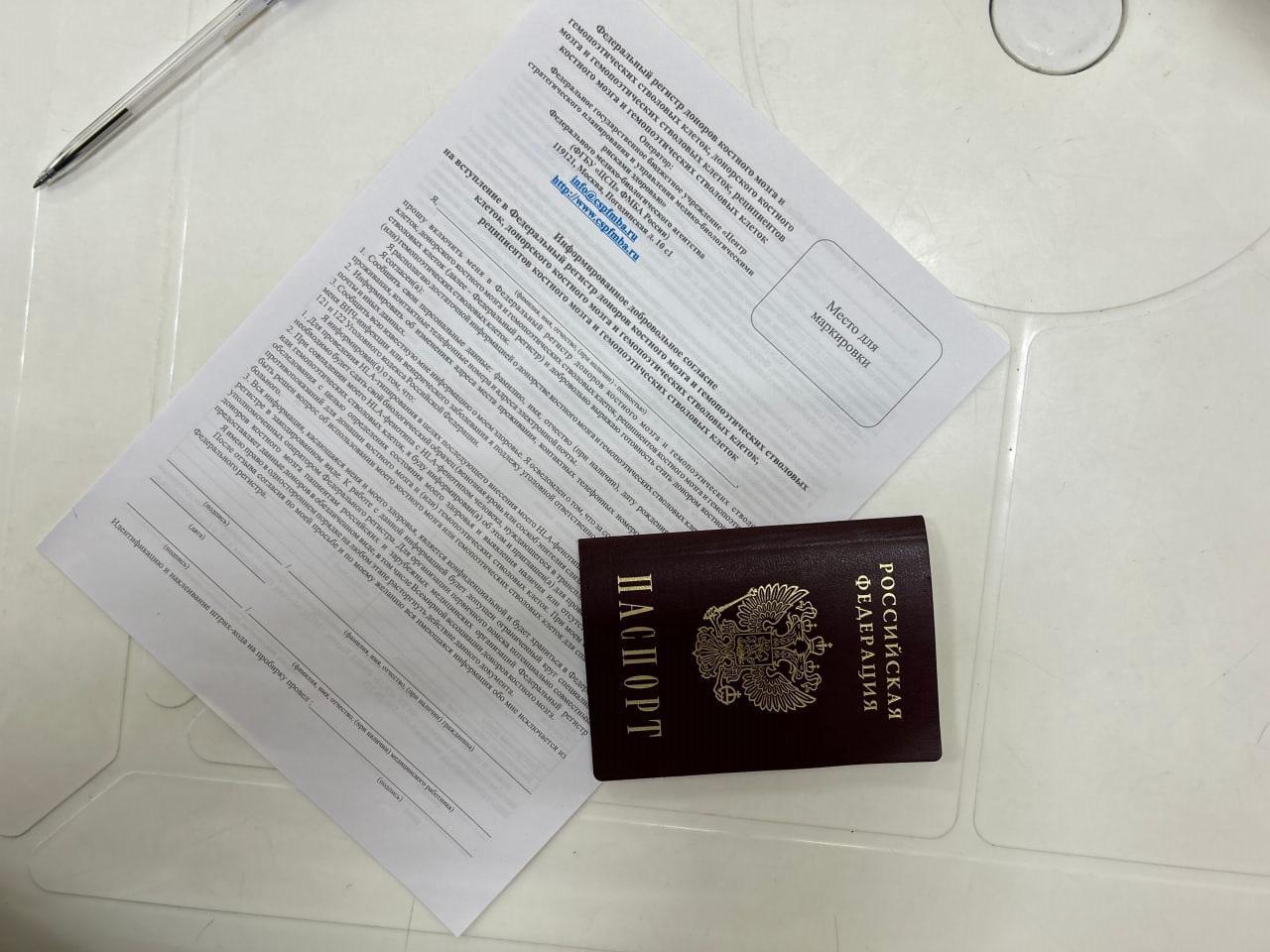
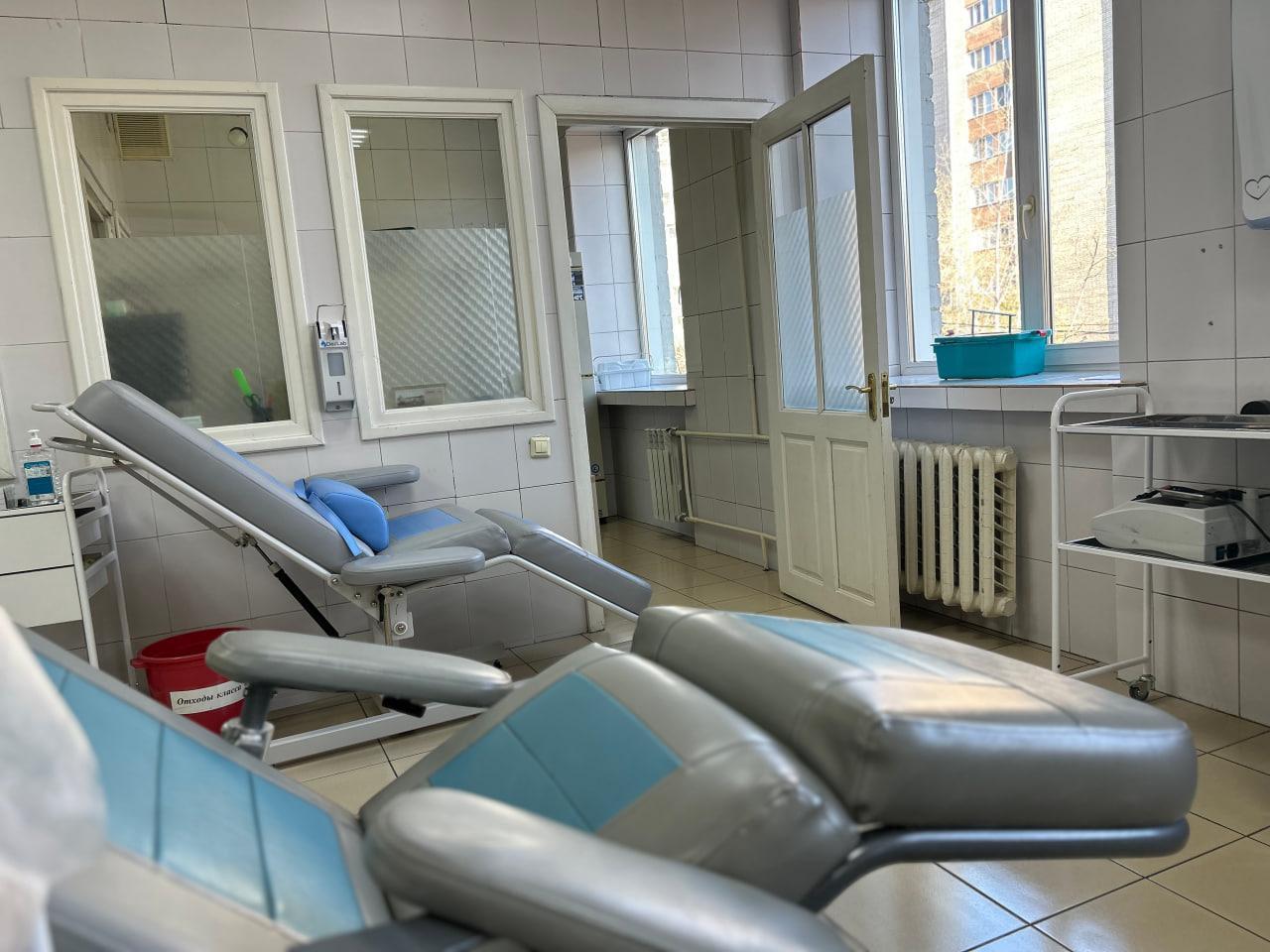
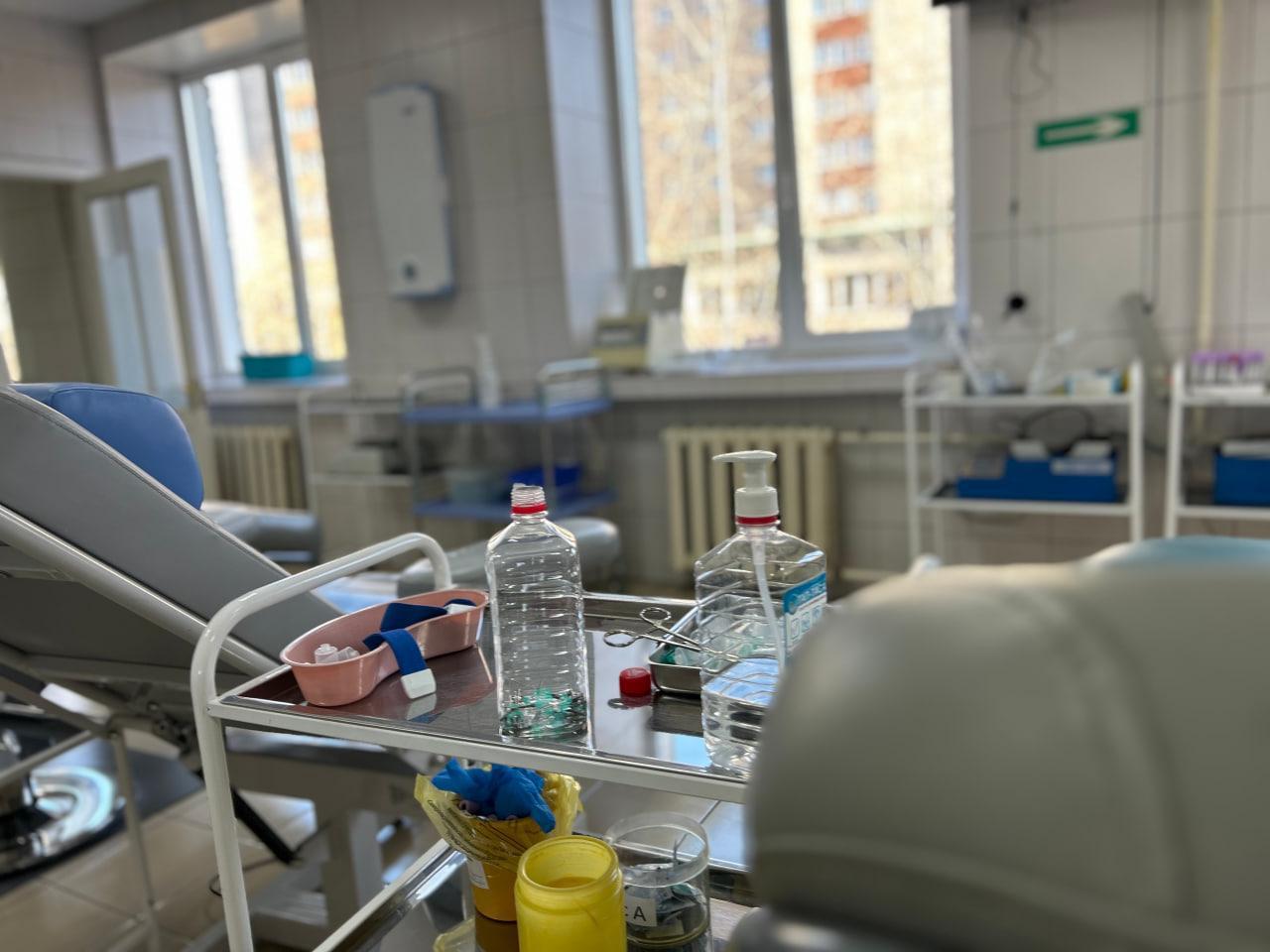
On the appointed day and time, the Chita resident arrived at the Regional Blood Transfusion Station building at 5 Balyabina Street. She filled out the necessary documents, provided contact details, which is extremely important for donation, and then went to the office where her blood was taken—into a small test tube. The whole process took about 40 minutes. And that was it; now it«s just waiting.
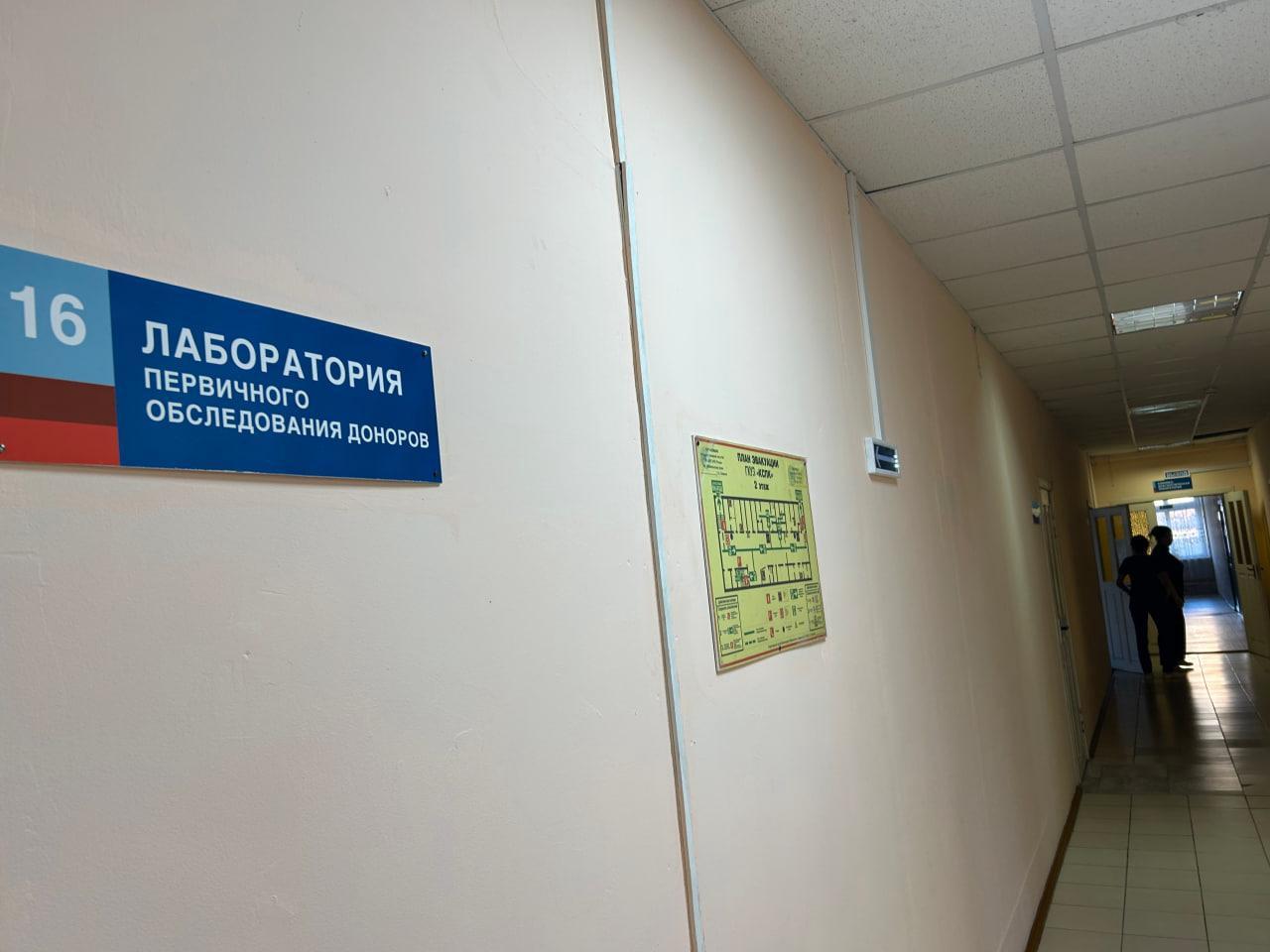
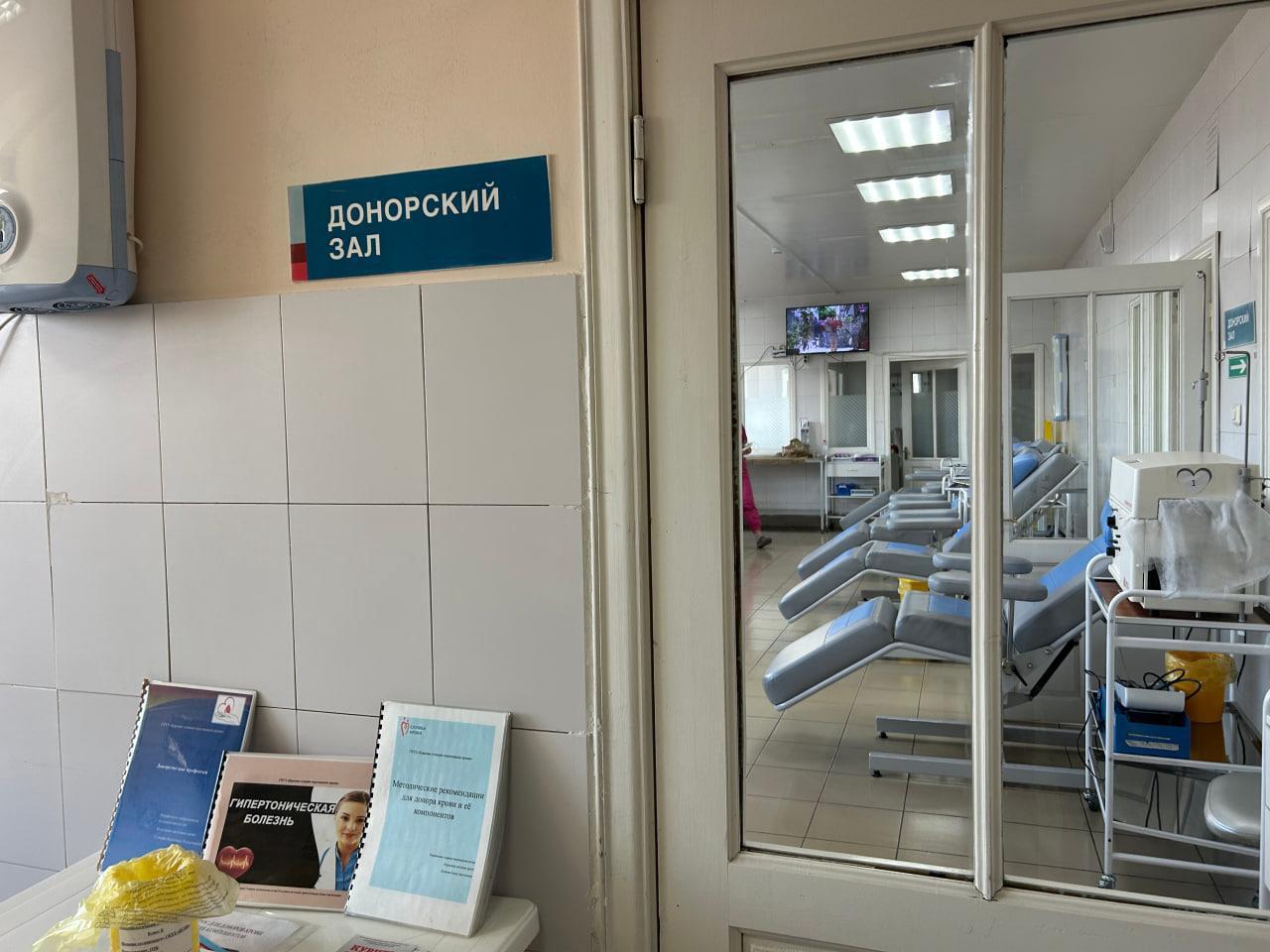
«A man—a blood donor—turned to me. We started talking. And then he found out that I came here to become a bone marrow donor. And he began to discourage me: «What are you doing, that»s a puncture from the back, it«s such a scary procedure.» But before taking the blood, which is necessary for inclusion in the special registry, they explained to me that now in 90–95% of cases, part of the donor«s stem cells is taken from the blood. And then their volume in the body renews itself quickly. In the first day after the procedure, only slight dizziness is possible. A puncture may be required in exceptional cases, and the donor and recipient must have appropriate medical indications,» said the city resident.
According to her, she encountered exactly the same misunderstanding when communicating with relatives and subscribers on social media. But that didn«t stop her from taking the first step—donating blood and entering the federal registry, to wait for when her genetic twin needing a bone marrow cell transplant is found.
«If at some point I«m needed by someone, if I can help someone, then they»ll just call me, examine me, and then send me to donate stem cells. It might take a decade. But I«m ready to wait. Surely you»ve also come across stories of people on social media, especially children, who are fighting leukemia, immunodeficiency. Some help with money, others, I don«t know, with necessary medications. But about this method, as it seems, few people know. That you can simply donate blood and save someone»s life, someone«s child. And then, if the patient wants, after 2 years you can meet them, talk. Or you can just write a letter to your recipient, share your thoughts. It»s all anonymous if the parties don«t wish to reveal their identities. This story inspires me. And I really want as many people as possible to learn about this opportunity—potentially saving people»s lives,» emphasized Alexandra.
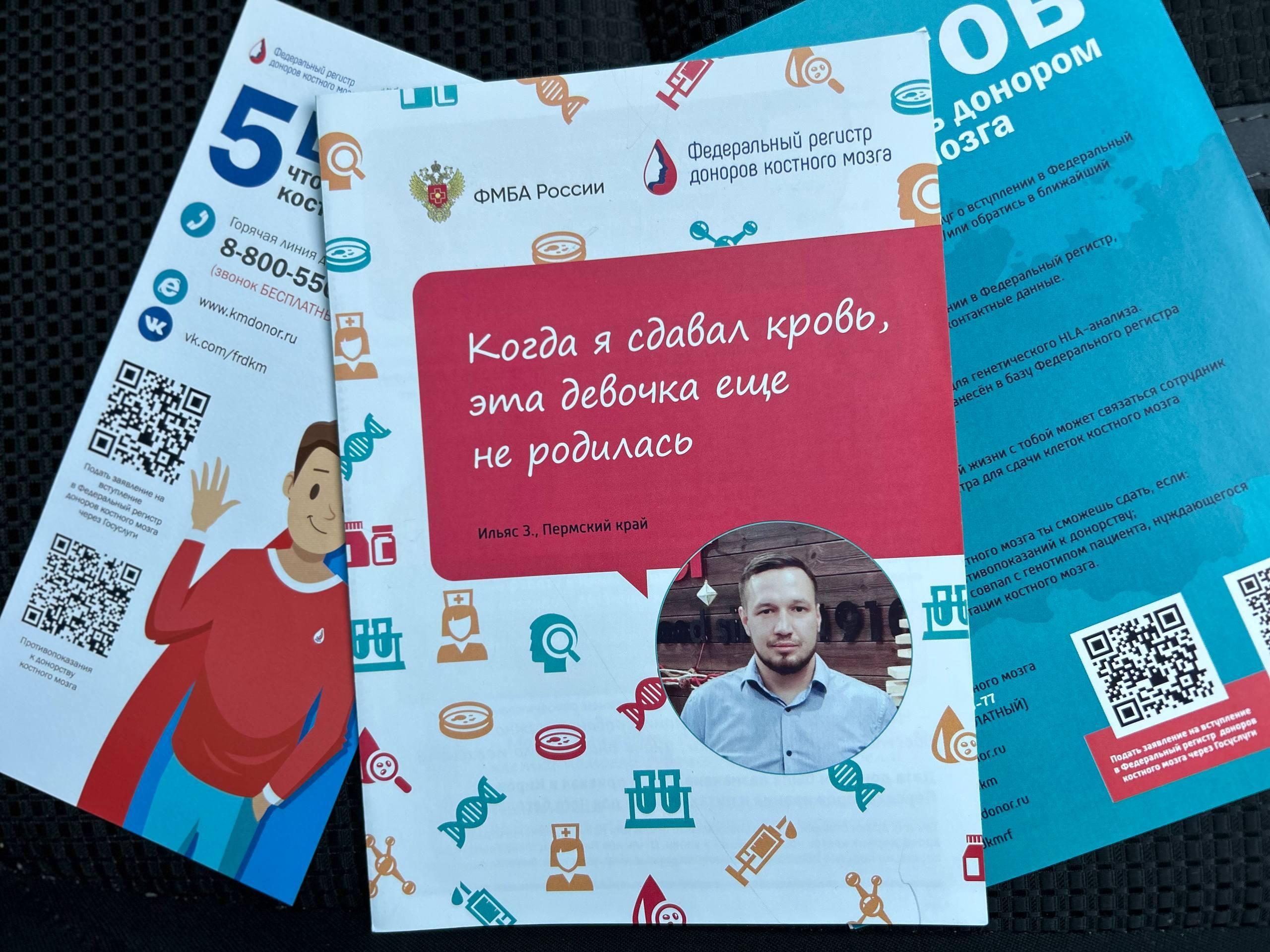
An application to join the Federal Bone Marrow Donor Registry can be submitted through Gosuslugi or on a special website. From March 2025, you can join the registry from age 18 to 35—previously the upper limit was 45 years. All applications are processed by recruiters. In Chita, they are located at 5 Balyabina Street. The registry phone number is 8 (3022) 21-35-23.
To summarize, here are five main steps:
Submit an application and contact the nearest recruitment center.
Fill out a registry entry agreement form (with mandatory correct contact details).
Donate 3 milliliters of venous blood for genetic HLA analysis, the result of which will be entered into a unified database.
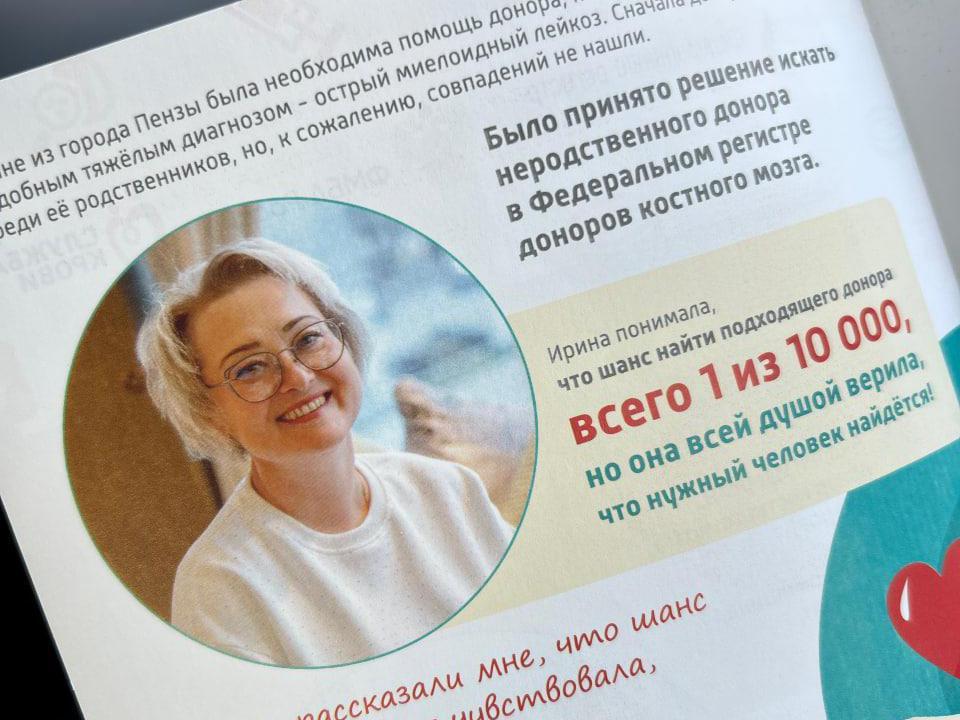
Remember that throughout your life until age 65, an employee of the Federal Bone Marrow Donor Registry may contact you and invite you to donate bone marrow cells for a patient. The probability of this happening is 1 in 10,000.
Know that bone marrow cells can be donated if you are completely healthy and have no contraindications to donation. And provided that your genotype matches the genotype of a patient needing a transplant.
Answers to Questions
And now, so that no one has any doubts, we answer the most common questions about bone marrow donation: how it works in principle and why it«s needed.
What is bone marrow?
Bone marrow is not connected to the brain or spinal cord, or even to the nervous system. It is a soft, spongy tissue located inside bones. In it, precursors of blood cells are formed and developed, participating in the so-called process of hematopoiesis in the body. Hematopoietic stem cells are capable of dividing multiple times and reproducing similar ones. From them, all types of blood cells are formed: platelets, leukocytes, and erythrocytes. They are also called hematopoietic. It is these stem cells that give rise to other blood cells.
Who needs it?
Stem cells from bone marrow are needed by patients suffering from malignant blood diseases: leukemia, lymphoma, aplastic anemia, primary immunodeficiency, severe hereditary metabolic disorders. In these diseases, the patient«s bone marrow stops producing blood cells in the necessary volume or diversity, or produces pathological cells. The only way to defeat the disease is to destroy the patient»s own bone marrow cells and replace them with healthy donor cells. They will gradually restore hematopoiesis.
Can bone marrow be taken from a relative?
In Russia, where bone marrow transplantation has been practiced since the 1990s, donors were often the brothers and sisters of patients. However, the probability of finding a fully compatible relative donor in our country is now only 10–20%. The remaining patients require a search for an alternative donor. For a successful transplant, the HLA genotypes of the recipient and donor must match 100%. Such people are called genetic twins. There are thousands of variations of such genotypes, especially in multinational Russia, and they are increasing.
How long to wait for your patient?
Data on the donor«s genotype is automatically entered into the registry and begins to participate in the search. From the date of entry into the registry until a match with a patient»s genotype, years or even decades may pass. They may call you tomorrow, or in a year, or in 20 years. Therefore, it is very important to report changes in contact details.
Can you refuse?
Bone marrow donation is voluntary, as is joining the Federal Bone Marrow and Hematopoietic Stem Cell Donor Registry. You can refuse at any stage, but you must understand that refusal at the last stage will most likely lead to the patient«s inevitable death.
What if the patient«s genotype matches yours?
From this moment, the donor activation process begins. You will need to confirm consent for donation, undergo repeat/confirmatory typing, sign a consent form, and undergo a medical examination. If contraindications are found, the donor will not be allowed to undergo the procedure.
Previously, bone marrow was indeed taken only one way—with a syringe from the pelvic bones under general anesthesia. There are a number of diseases for which bone marrow taken in this way is needed. But now, in most cases, hematopoietic stem cells are taken from peripheral blood. And the procedure is similar to a regular blood component donation. However, before this, for several days, the bone marrow donor will be subcutaneously injected with a drug that stimulates the release of stem cells from the bone marrow into the blood. The donation itself lasts 4–5 hours, during which you cannot move. Blood from the donor«s elbow vein enters a cell separator, which separates the stem cells into a plastic container, and the rest of the blood is returned to the vein of the other arm.
This way, they will take 200–300 milliliters of stem cells from you. The loss of part of the stem cells, no more than 5%, is not felt by the body. After the procedure, within 2–4 weeks, the stem cells will recover and return completely to normal.
Why is it important to be in the registry?
In Russia, transplantation of stem cells from bone marrow is necessary annually for 5 thousand patients. The more people in the registry, the higher the patients« chances of finding their donor. Donation of hematopoietic cells is an important step to save someone»s life. You are not paid for this, but you are definitely thanked.