Why Everyone Is Sick but Clinics Aren't Testing for Flu

This year, many residents of Yekaterinburg suddenly fell ill right in the midst of the pre-New Year bustle — and not just with a common cold, but with a high fever from the flu. The flu usually arrives in the Urals later, so the atypical incidence rate for December has alarmed city residents. The Sverdlovsk Regional Office of Rospotrebnadzor (the Federal Service for Surveillance on Consumer Rights Protection and Human Wellbeing) reported that 52,000 people in the region fell ill during the previous week, which is 9.3% higher than the week before.
Doctors at polyclinics and hospitals in Yekaterinburg have also noticed a tangible increase in cases; they are currently experiencing a very busy and difficult period. Medical staff told an E1.RU journalist that there is usually no such wave at this time of year.
«It seems like there«s more of it than usual, and it»s more severe. So far, many young people and children are sick. The rise in incidence always starts with them; the active segments of the population get sick, and then they spread it to their grandparents, who usually try to avoid infections,» noted a doctor from a Yekaterinburg hospital.
The medics clarified that it all starts suddenly, with a temperature of around 39°C (102°F), and on the second or third day, a dry, painful cough joins in. Readers themselves are writing to the E1.RU editorial office about the high incidence.
«The flu is really tough; our whole family is down. And the main thing is that at the polyclinic, they didn«t offer to do rapid tests — we bought them ourselves,» shared a city resident.
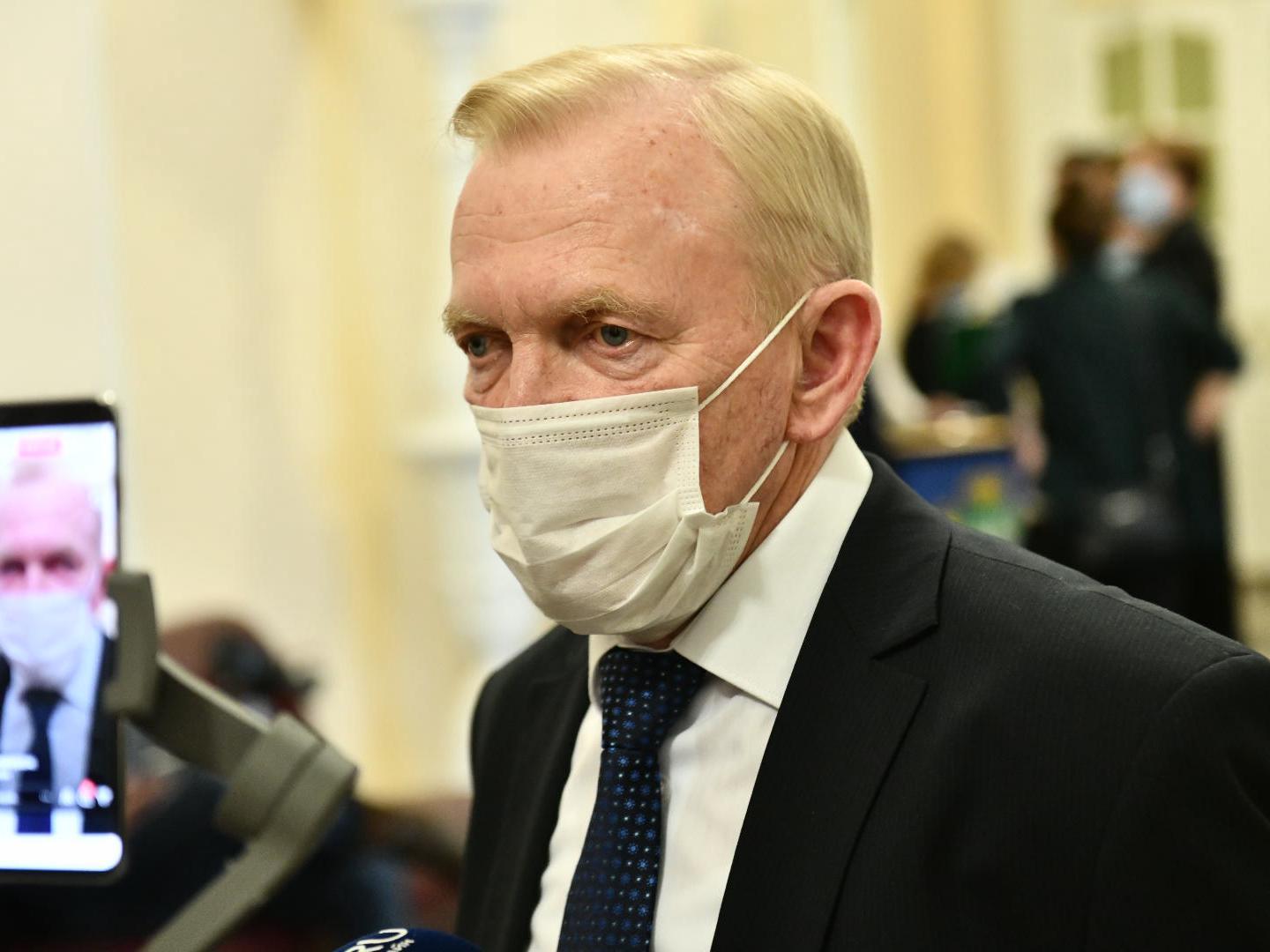
Alexander Kharitonov, the chief epidemiologist of the Sverdlovsk Region Ministry of Health, told E1.RU why the infection «attacked» city residents earlier than usual, who faces the greatest risk, and whether vaccinations really help.
Why Everyone Suddenly Started Getting Sick
The epidemiologist confirmed that an epidemic rise has already begun, with flu incidence starting earlier and with greater intensity.
«It«s hard to explain, but it»s most likely related to our weather conditions because such temperature swings and an unstable, frosty winter in December have their effect. People don«t always dress for the weather; they get chilled more often. The flu differs from a common cold in that it starts acutely with high fever, intoxication, general malaise, and this scares patients,» Alexander Kharitonov noted.
Who Is Getting Sick Now and For Whom Is It Dangerous
According to the epidemiologist, more than 60% of those who are sick are children, and they are predominantly in organized groups: preschoolers and schoolchildren aged 7–14.
«This once again confirms what I keep saying: parents are still sending not-entirely-healthy children to educational institutions, which is very bad because a sick person is a source of infection. Therefore, classmates and groupmates get infected, and teachers and educators also suffer from this,» the expert noted.
Besides children, the elderly are particularly at risk. They get infected from their grandchildren, and the risks from the illness are much greater for them — chronic conditions, which elderly people usually have a whole host of, can worsen due to colds and flu.
«Some have problems with the cardiovascular system, respiratory organs, genitourinary or endocrine system. With chronic diseases, a cold or the flu will have a more severe course,» the epidemiologist explained.
Alexander Kharitonov said that during the swine flu epidemic, they analyzed incidence and mortality, and more often, people with chronic diseases who were not vaccinated died. That is precisely why doctors insist on vaccination, especially for the elderly.
Why Polyclinics Don«t Do PCR Tests
Readers often complain to the E1.RU editorial office that with flu symptoms, a doctor did not do a rapid test and did not send them for a PCR test.
The polymerase chain reaction (PCR) is a highly accurate molecular biology method that allows for the detection of pathogen DNA and RNA in a biological sample.
Patients learned about this method en masse during COVID times, and since then, they expect doctors to check for sure what they are sick with. But is there any point in this with typical flu symptoms, and in what situations is it really worth doing?
«A person should not diagnose themselves and demand some specific treatment. Our doctors are qualified; they have all the regulations on what they must do if a particular disease is suspected. If, based on the clinical picture, the doctor sees the flu, they make a diagnosis and prescribe treatment; there is no great need to test all patients. There is also no directive to diagnose a common cold instead of the flu,» Alexander Kharitonov shared.
Who Gets Tested for Flu

According to the epidemiologist, PCR testing is performed under strict criteria: during outbreaks in organized groups, for severely ill patients, and for pregnant women — they are examined 100% of the time because the health of the unborn child depends on it.
Rapid tests, he said, are used upon admission to a hospital: «When a patient is admitted on a planned basis and has some symptoms, they must be examined before hospitalization. And if they are admitted on an emergency basis, in any case, with symptoms, they should be tested to quickly determine if there is flu or COVID, and then they are managed according to specific rules to prevent introducing it into the hospital.»
Why the Flu Arrived Earlier This Year
Alexander Kharitonov explained that flu circulation traditionally starts earlier in Southeast Asia. Probably, the fact that the flu arrived earlier is related to Russians now traveling more often to Asian countries than to Europe.
«This is also important because it«s an airborne infection. Migration flows play a big role in the spread of infectious diseases. We now fly to Europe less, but more to Africa and Asia — look at how many of our people are vacationing in Thailand, Vietnam, India, and China,» the epidemiologist added.
According to Kharitonov, it is unknown when the peak of incidence will occur this season — it could come at the end of the year or during the January holidays.
Will a Vaccination Protect You?
A vaccination will protect against a severe course of the disease, but no one can guarantee that you won«t get sick at all. If you are vaccinated and do get sick — you will most likely experience the flu like a common cold. This is shown by both statistics and doctors» observations.
«So far, H3N2 — the Hong Kong flu — is predominant among the flu strains; there is also H1N1 (swine flu) and influenza B. That is, we are not observing any unusual strains. The circulating strains match those included in the vaccine. Our medical organizations see that vaccinated people get sick more mildly, there are no severe forms, and in hospitals, there are also no severe cases among the vaccinated,» the epidemiologist said.
Last year, the flu, on the contrary, moved from winter to spring — doctors explained why that happened. In this article, you can find very useful advice on how to slow the development of the illness and ease its course.
Do you know when and how to reduce a fever, when you should go to the polyclinic, and when it«s better to call a doctor or even an ambulance? We are publishing an important guide from general practitioners.