Vital cancer drug Carboplatin vanishes from pharmacies
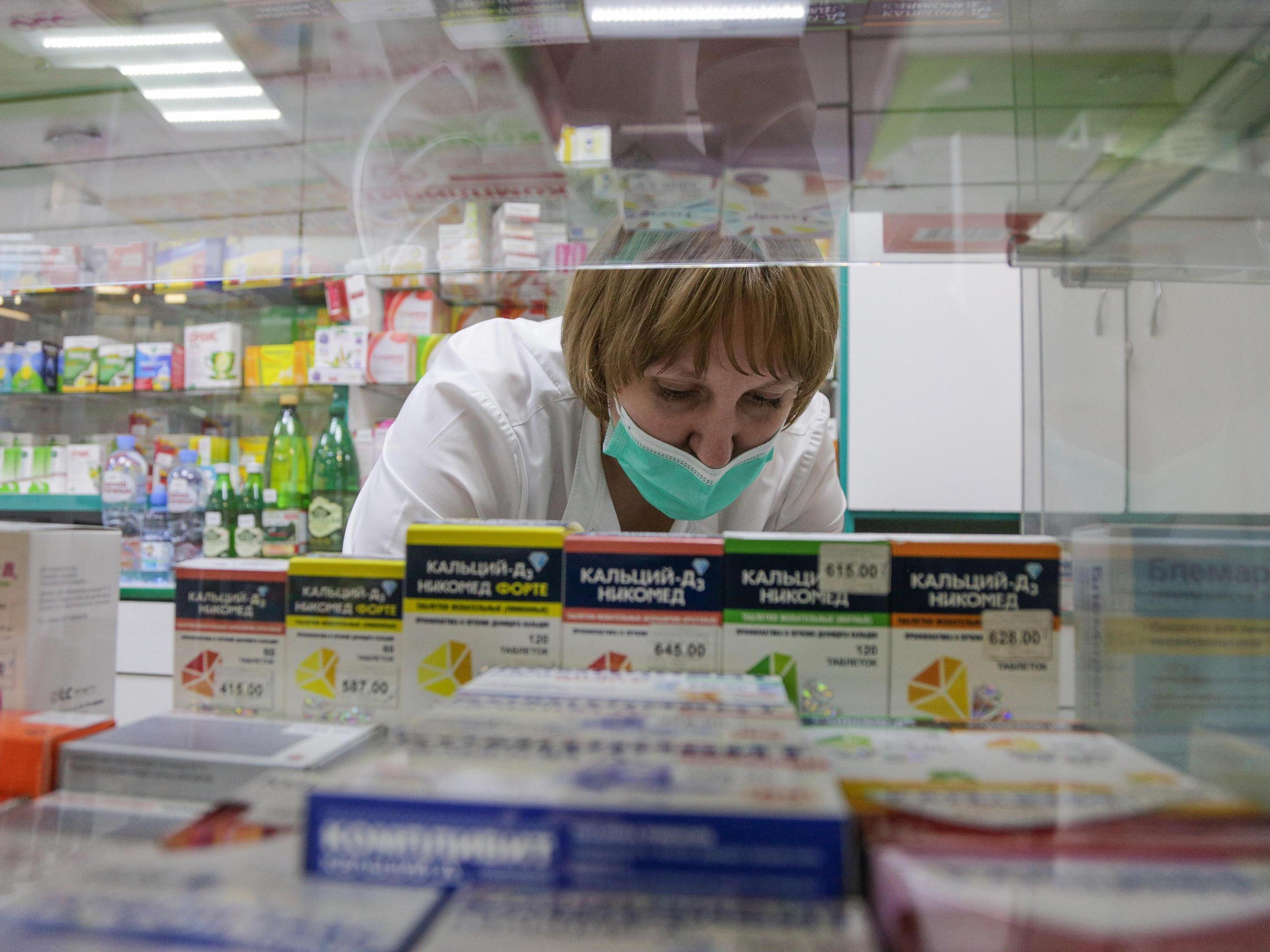

Cancer patients across Russia are facing difficulties in accessing Carboplatin due to supply chain issues.
Cancer patients are sounding the alarm due to the disappearance of an important treatment drug — Carboplatin. It is considered one of the key drugs in chemotherapy regimens for lung, breast, ovarian, and bladder cancer. Supply disruptions have already been noted in a number of regions; patients report that for weeks they cannot find the drug, calling dozens of pharmacies in their cities. The editorial staff of MSK1.RU tried to find out if this problem has affected the capital and how the drug is faring in city pharmacies.
Carboplatin is a second-generation platinum-based antitumor chemotherapy drug. The medication is used to treat various types of cancer. It is included in the list of vital and essential drugs.
Carboplatin is often part of so-called double regimens — combined chemotherapy (using two different treatment methods. — Ed.). This type of treatment is effective due to the platinum component. Excluding the drug from the protocol often means not just a «lightened» course, but a real reduction in the chances of tumor response.
For a week now, patients with severe cancer diagnoses have been unable to obtain the drug in pharmacies. The problem has affected not only the capital but also many other regions, such as Yekaterinburg, Vladivostok, Penza, and other cities.
«The drug is available for 19,500 RUB (approximately $195 at current rates) in Moscow, at a pharmacy on Kashirskoye Highway, and at this address they bought other rare medications for my mother,» reports one of the patients in a cancer patient chat.
After visiting several pharmacies in central Moscow and on the outskirts of the city, the MSK1.RU correspondent failed to find the drug. Pharmacists do not talk about supply problems, only noting that the drug is not available. On online pharmacy websites, the situation is as follows: in many popular chains, the drug is not available. In some places it appears, but costs around 20,000 rubles (approximately $200 at current rates).
Officially, the authorities have not yet commented on the situation with the drug. But experts in the medical field cite «logistical difficulties» and the consequences of sanctions, which have complicated supplies, as reasons for the disappearance of the important drug. Additional pressure comes from rising raw material costs: platinum-containing drugs have become less profitable for manufacturers, which hits production volumes. This was told to the MSK1.RU editorial by oncologist, candidate of medical sciences, chief physician of Ledin Clinic Yevgeny Ledin.
«The drug belongs to second-generation platinum drugs. And precious metals are now becoming more expensive. Platinum is hitting records over the past five years,» the expert noted. «No commercial organization will operate at a loss for long. And, apparently, that is why the production of platinum drugs has significantly decreased. And this is one of the key drugs.»
Another oncologist, Andrey Pylev, noted that there are difficulties with the drug, but according to him, for now they only concern government purchases.
«The issue is specifically with government purchases; in pharmacies, the drug is available, it is accessible. Yes, but, naturally, a significant portion of patients receive treatment and should receive it for free, and I know that they are experiencing problems,» the doctor shared. «There are other platinum drugs, but they are somewhat different. There is no full replacement for the drug.»
Meanwhile, the MSK1.RU correspondent was informed by the Moscow Department of Health that there are no problems with Carboplatin in state institutions. However, according to government procurement data, not a single tender held in the last two months for the purchase of Carboplatin has taken place.
Earlier, Muscovites complained about a shortage of ultrasound coupons, as well as refusals by doctors to issue referrals for free examinations. Citizens are being convinced that the procedure is performed once a year.