Sea Buckthorn: Benefits and Harms from Doctors
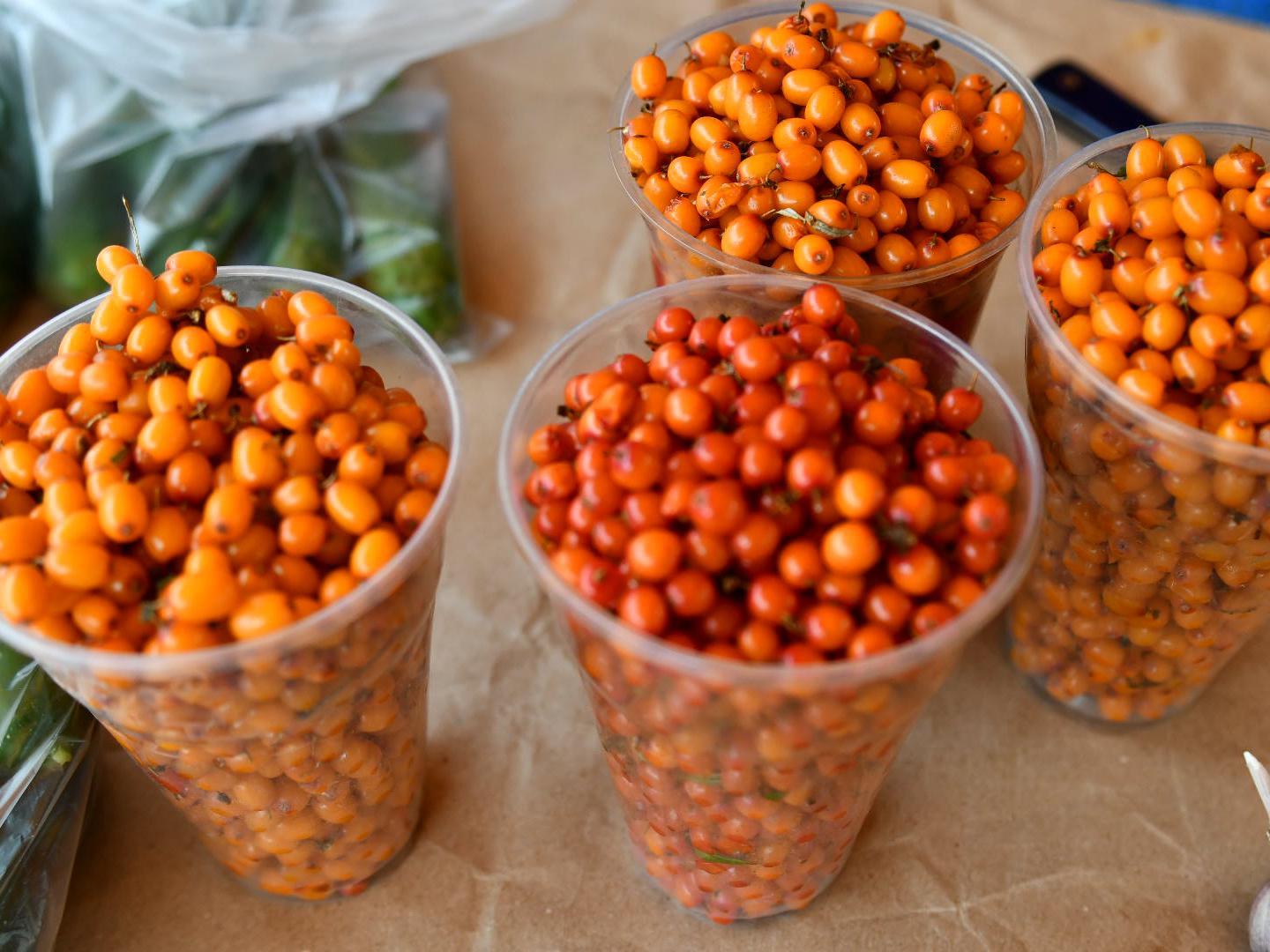

In winter, sea buckthorn is often used to make teas, fruit drinks, or added to porridge. Experts explained its benefits and who should limit consumption of this berry.
How Sea Buckthorn Is Truly Beneficial
Sea buckthorn is a treasure trove of vitamins and microelements; it is also rich in antioxidants and even fatty acids necessary for the normal functioning of the heart and the entire body, says Natalia Ilyina, a gastroenterologist of the highest category at the Smritra clinic.
This berry is loved for its bright color, rich taste, and reputation as a «vitamin bomb.» It is added to tea, jam, cosmetics, bars, and even pharmaceutical capsules, noted nutritionist Olga Bayan.
In 100 grams of fresh berries, there are only about 80 kcal, but also an impressive amount of vitamin C (2–3 times more than in a lemon), vitamin E, carotenoids, folic acid, magnesium, and potassium.
«The main reason nutritionists value sea buckthorn is for its omega-7 fatty acids (palmitoleic acid). They promote the restoration of mucous membranes, skin healing, support of hormonal balance, and vascular elasticity,» notes Olga Bayan.
The nutritionist added that sea buckthorn has a pronounced antioxidant effect, supports immunity during cold season, and can be useful during increased loads, stress, and fatigue.
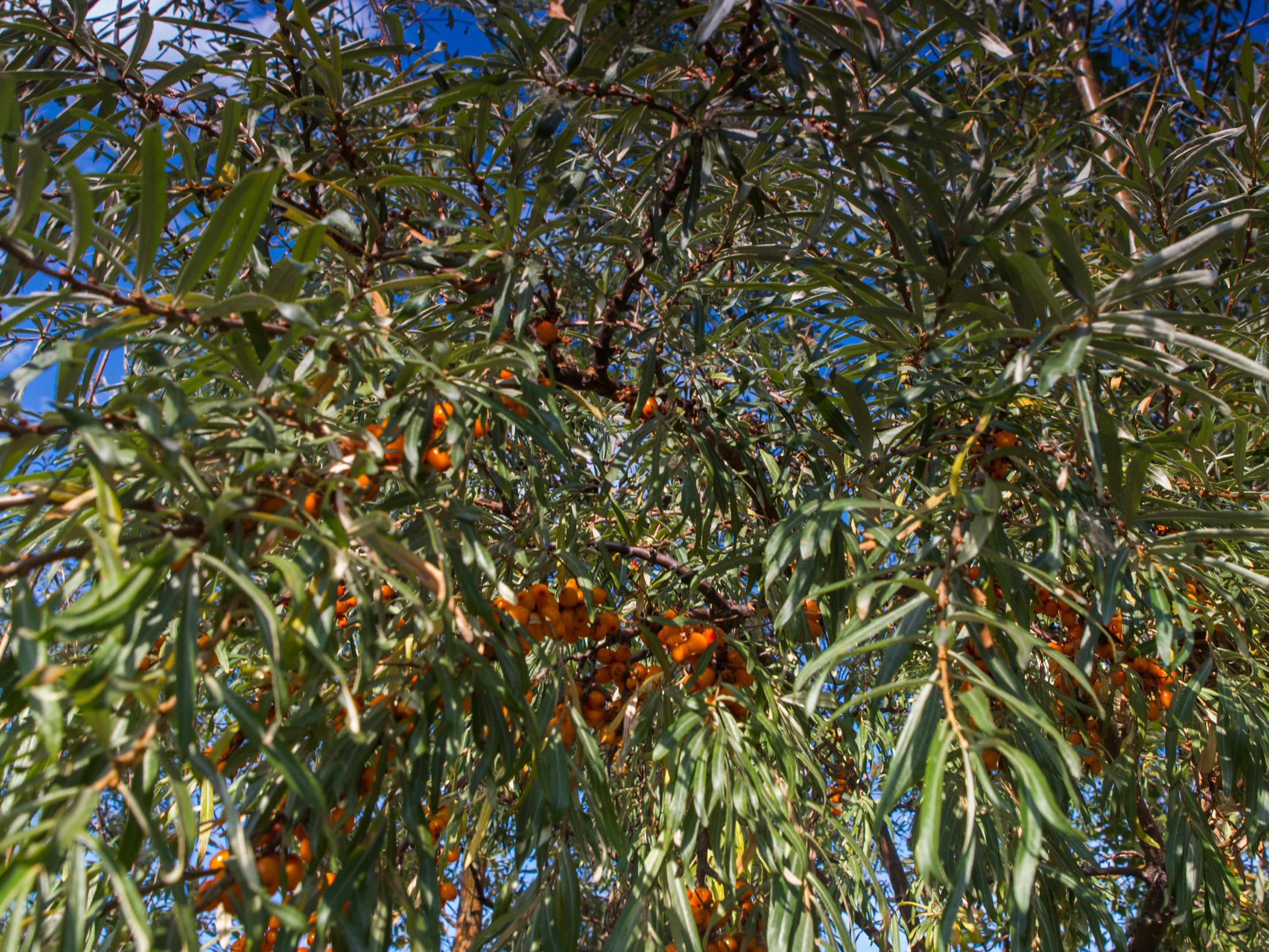
«For most people, sea buckthorn is excellent support in autumn and winter, especially if you often get acute respiratory viral infections or feel tired, are recovering from a stressful period or a cold. If you suffer from dry skin and mucous membranes, want to gently support immunity and metabolism without synthetic additives,» advises the nutritionist.
In the diet, it can be in the form of berries, oil, fruit drink, puree, added to porridge or tea.
When to Use with Caution
Due to the high concentration of biologically active substances, sea buckthorn can cause rash and itching, especially in people prone to allergies.
«Sea buckthorn is a berry with character. And despite all its benefits, it can be unsafe for some categories,» warns Olga Bayan.
Moreover, the acids and essential oils in sea buckthorn stimulate the production of gastric juice. Therefore, with gastritis, ulcers, reflux, pancreatitis, it should be consumed very carefully, preferably in diluted form (fruit drink, tea, diluted oil).
Sea buckthorn oil has a mild choleretic effect, and in the presence of stones, it can provoke pain or movement of the concrement.
Sea buckthorn jams, syrups, and fruit drinks sold in stores almost always contain a lot of sugar. This sharply reduces the benefits – especially for those watching their weight, insulin, and skin.
«Sea buckthorn oil is used for inflammation of the gastric mucosa, erosions, burns. But drinking it “for prevention” by the tablespoon is not advisable: it is a concentrate of fats that can cause nausea and diarrhea in excess,» warns Olga Bayan.
For a healthy person, a safe and beneficial dose is 1–2 tablespoons of berries or a glass of fruit drink per day, or half a teaspoon of oil with food.
Previously, Novosibirsk doctors talked about another useful berry, also called a vitamin bomb – the benefits of cranberries.