Oncologist reveals early lung cancer symptoms
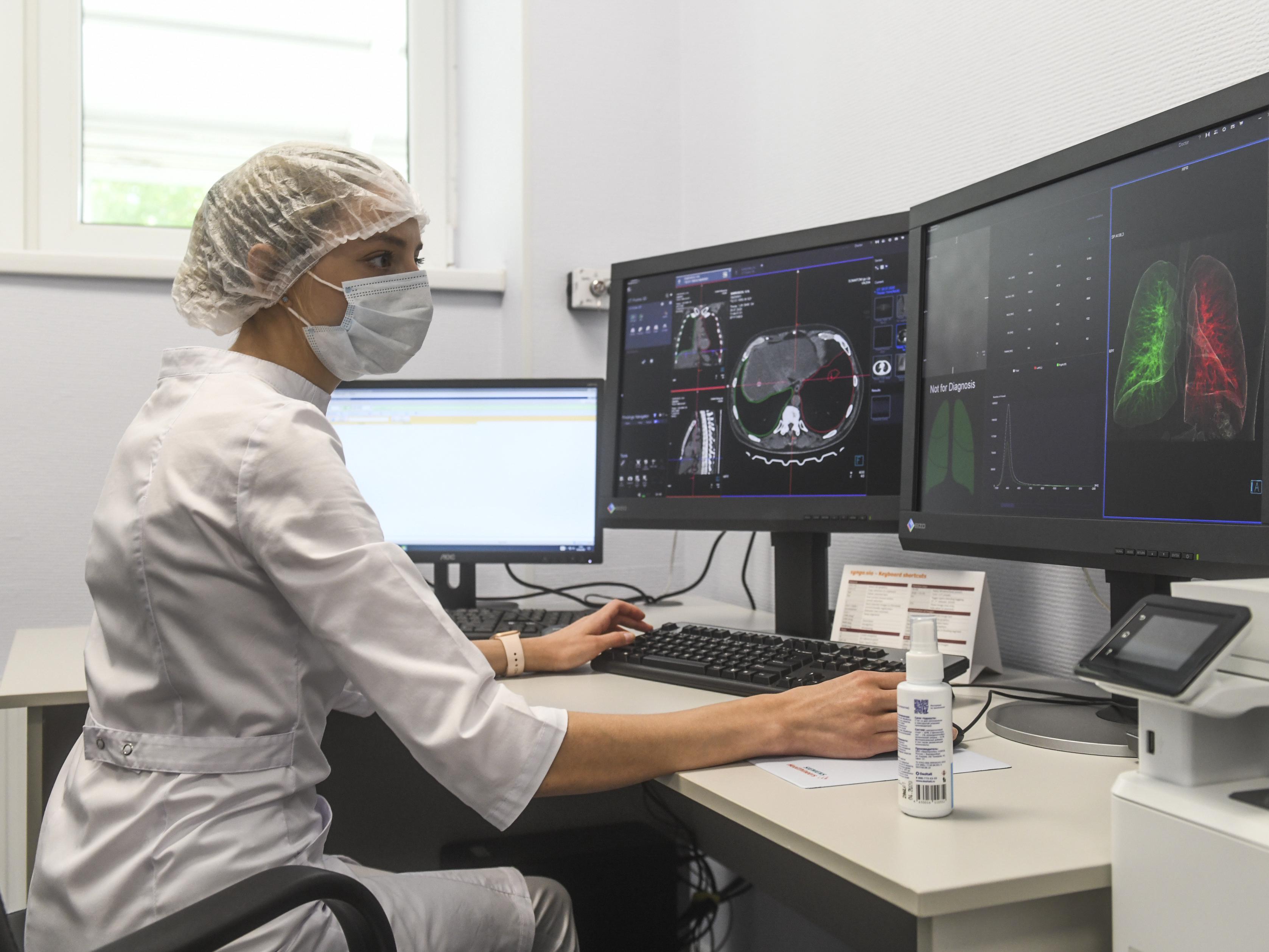

Regular health screenings can detect life-threatening lung cancer at an early stage, improving patient outcomes.
Lung cancer is a deadly disease that develops almost without symptoms in the early stages. It was previously most often diagnosed in long-term smokers over 60 years old, but the situation has changed rapidly recently. Oncologist Yekaterina Lymareva from Sredneakhtubinsk Central District Hospital explained what symptoms should immediately alert a person in the Telegram channel of the Volgograd Oblast Health Committee.
As Yekaterina Lymareva explained, lung cancer is one of the most common malignant diseases in the world.
“The insidiousness of it is also that it develops very quickly and gives multiple metastases. Therefore, the faster the disease is diagnosed, the more favorable the prognosis for the patient,” says the doctor. “For a long time, it was believed that it affects men more often than women. Recently, the clinical picture has changed: women have started getting sick more often, and the age of initial detection of the disease has decreased.”
According to the doctor, lung cancer can be small-cell—the most aggressive type that spreads very quickly throughout the body—or non-small-cell, which offers better chances with adequate and timely treatment.
“The tumor more often develops in the right lung than in the left. And, as a rule, progression occurs in three stages,” the oncologist explains. “The first two stages are almost asymptomatic, changes can only be detected on an X-ray, while in the third, clinical stage, the patient complains of a number of symptoms.”
Yekaterina Lymareva lists the main symptoms that should seriously concern a patient and prompt them to see a doctor.
“The first signs of the disease sometimes have nothing to do with the respiratory system. This includes temperature of 37–38°C (98.6–100.4°F), fatigue, muscle weakness, swelling, loss of appetite, skin itching, and even disorders of the central nervous system,” she enumerates. “As the tumor grows, the symptoms intensify: shortness of breath, coughing up blood, chest pain, and if the cervical nodes are affected, speech problems.”
It is very important, according to the doctor, to detect the disease at the earliest possible stage.
“During preventive fluorography, up to 60% of cases are detected at various stages, with no more than 15% registered at the first stage,” says Yekaterina Lymareva. “Diagnosis includes general clinical blood and urine tests, biochemical blood tests, CT scan of the chest organs, bronchoscopy, ultrasound of the supraclavicular areas, abdominal organs and retroperitoneal space, cytological examination of sputum, and punctures. Based on the test results, stage of the disease, and concomitant pathologies, treatment is prescribed. This can be chemotherapy, radiation therapy, or surgical intervention. Most importantly, the patient must strictly follow the doctor’s recommendations during treatment.”
The doctor assures that with timely diagnosis and treatment, lung cancer in the early stages has a favorable prognosis. After a radically performed operation, the five-year survival rate is 90%. That is why it is important to see a doctor in time and undergo medical check-ups.