Novosibirsk doctors discuss Coxsackie in children
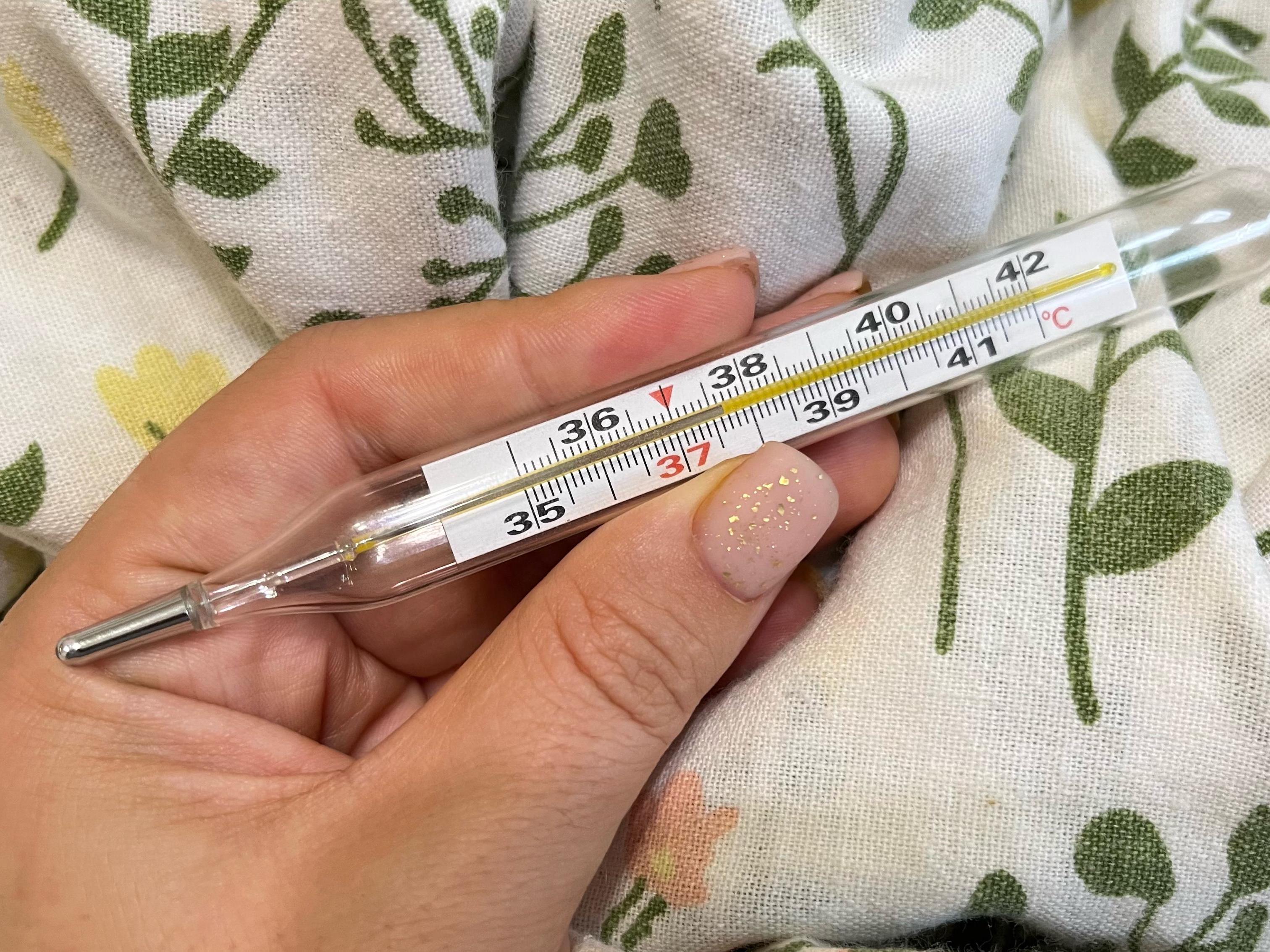

The illness usually begins with unexplained fever, irritability, and a subsequent complaint of sore throat.
In Novosibirsk, October saw a rise in Coxsackie virus cases, experts told an NGS journalist.
How the virus spreads
Infectious disease specialist and chief physician of the clinical diagnostic laboratory “Invitro” (INVITRO) Andrei Pozdnyakov explained that Coxsackie is an enteroviral infection transmitted by contact, fecal–oral, and sometimes airborne routes. Its contagiousness index is not as high as that of measles and coronavirus, but still sufficient.
The doctor notes that the illness has seasonality — summer and autumn:
«Therefore in Siberia we are now seeing a seasonal increase. Outbreaks are indeed possible, especially since children have returned and have essentially been studying for a month, attending kindergartens. The problem is that this illness sometimes has a fairly long incubation period — more than two weeks».
Even during the incubation period, an infected person can transmit the virus to others.
«There is a lot of Coxsackie virus circulating now, and it is most likely related to the warm weather in September. Children from birth to age 10 are more often affected. Adults are usually infected less often and tend to have a slightly milder course, although sometimes adults also become quite seriously ill», — says pediatrician and pediatric gastroenterologist at the Smitra clinic Maria Karasenko.
Enteroviruses can survive in water for quite a long time and persist on objects and surfaces. They do not die from alcohol or from freezing, they endure gastric juice, and are fairly resistant to acids.
What symptoms to watch for
It usually begins with an unexplained fever; the child becomes irritable, then complains of a sore throat.
«On examination of the mouth we may see red dots, blisters, or ulcers in the throat, especially on the uvula and the palatine arches. The child refuses food, eats poorly, and the temperature may rise. And after some time, or all at once, a rash appears on the child’s hands and feet», — the doctor explains.
Walking becomes uncomfortable, and the rash may itch. Sometimes an enterovirus can cause gastrointestinal symptoms: vomiting, diarrhea, and abdominal pain.
Maria Karasenko notes that, as a rule, Coxsackie virus runs a mild course without complications. Some children may not develop a fever at all; some may have a fever for one to three days. It is all individual.
«Sometimes a child’s nails may come off or peel away. It looks frightening, but in fact it is not dangerous — they will grow back», — she clarifies.
When the situation worsens
The pediatrician emphasizes that parents should be alarmed if a child suddenly becomes very lethargic, lies down, does not want to play, does not want to watch cartoons, does not open their eyes, and cannot be awakened.
If they do not drink, and urination occurs less often than every 6–8 hours. Or a sudden severe headache begins without a fever, which is hardly relieved by “Nurofen”, photophobia develops, and vomiting occurs that does not bring relief.
In such cases, you need to call an ambulance and, as a rule, go to an infectious diseases hospital.
«If seizures suddenly begin, repeated vomiting when it is impossible to stop this flow, or diarrhea that does not stop for a day, two, or three despite home treatment, you must urgently call an ambulance and go to a hospital», — warns Maria Karasenko.
Earlier we reported on how adults are falling ill in Novosibirsk, where the cold season began earlier than usual.