MSCT Aorta with Contrast: Uses and Patients
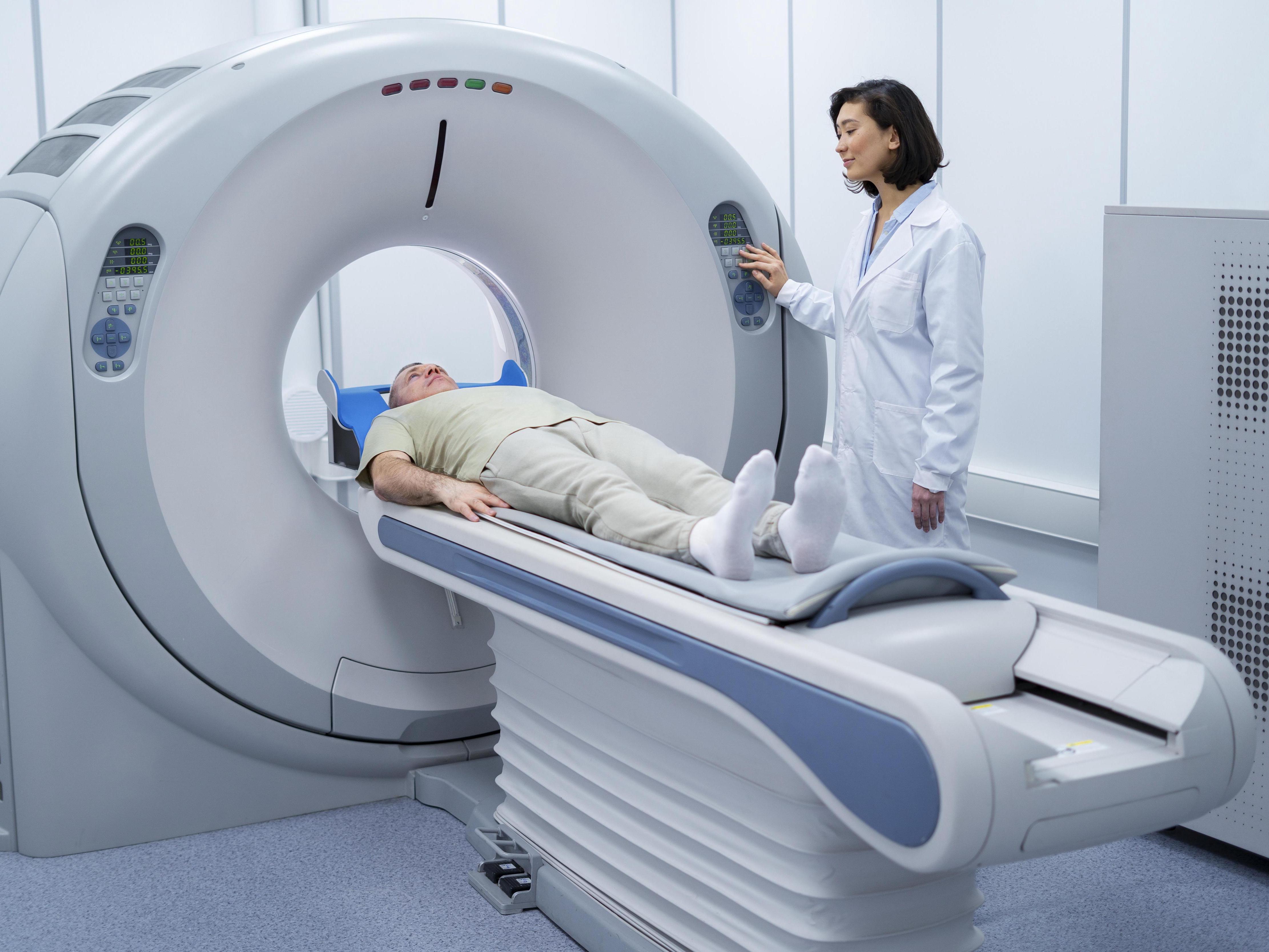

Physicians may order this scan when patients show symptoms or risk factors for aortic diseases.
MSCT stands for multislice computed tomography. It is a type of examination where an X-ray machine takes layered images of the body. When it comes to the aorta, the doctor obtains a clear image of the main vessel that supplies blood to all organs. For better visibility, contrast is used. Thanks to this, the physician sees the smallest details that would be hidden on regular images.
At SM-Clinic in Moscow, MSCT of the aorta with contrast is prescribed to clarify the diagnosis when highly accurate data on blood vessels and the heart are needed.
Purpose of the Examination
The main goal is to assess the condition of the aorta. This vessel is like a major highway where a stream of cars moves. If the road narrows, traffic jams and accidents occur. The same thing happens in the body when the vessel lumen decreases or damage appears.
With MSCT, the doctor can:
check for aneurysms (expansion of the vessel wall that may rupture);
detect a thrombus or tear in the inner layer;
see narrowings due to atherosclerosis;
assess the condition after surgeries and stenting;
prepare for surgical intervention by gathering the most accurate data on the patient’s vessels.
When It Is Prescribed
The doctor recommends MSCT of the aorta if a person has complaints or suspicions of vascular diseases. This may include:
sharp, severe pain in the chest or abdomen that does not subside;
sudden increase in blood pressure;
dizziness and fainting;
suspicion of internal bleeding;
monitoring the condition after heart or vascular surgery.
The examination is also often prescribed to people with a hereditary predisposition to aortic pathologies. In total, it takes no more than 20–25 minutes.
Before the examination, it is necessary to inform the doctor about possible allergies to contrast or kidney problems. This is important because the kidneys excrete the contrast agent.
What the Results Show
After the procedure, the doctor obtains a three-dimensional image of the aorta. On it, even microscopic changes can be examined. The physician sees the wall thickness, vessel lumen, presence of thrombi or plaques. It is also possible to assess how evenly blood flows through the vessel.
The results help in making treatment decisions. Sometimes medication is sufficient, sometimes surgery is needed. It all depends on how serious the changes are.
Safety
MSCT is an X-ray examination, so the body receives a dose of radiation. But modern machines take images quickly, and the dose is minimal. The contrast is excreted from the body within a day. To speed up the process, the doctor usually recommends drinking more water after the examination.
MSCT of the aorta with contrast allows the doctor to see the main vessel of the body in the smallest details. It helps to timely identify dangerous conditions, such as aneurysm or thrombus, and make treatment decisions. At SM-Clinic, the examination is performed on modern equipment, providing the clearest results.