Moscow Court Upholds Terminally Ill Woman's Sentence
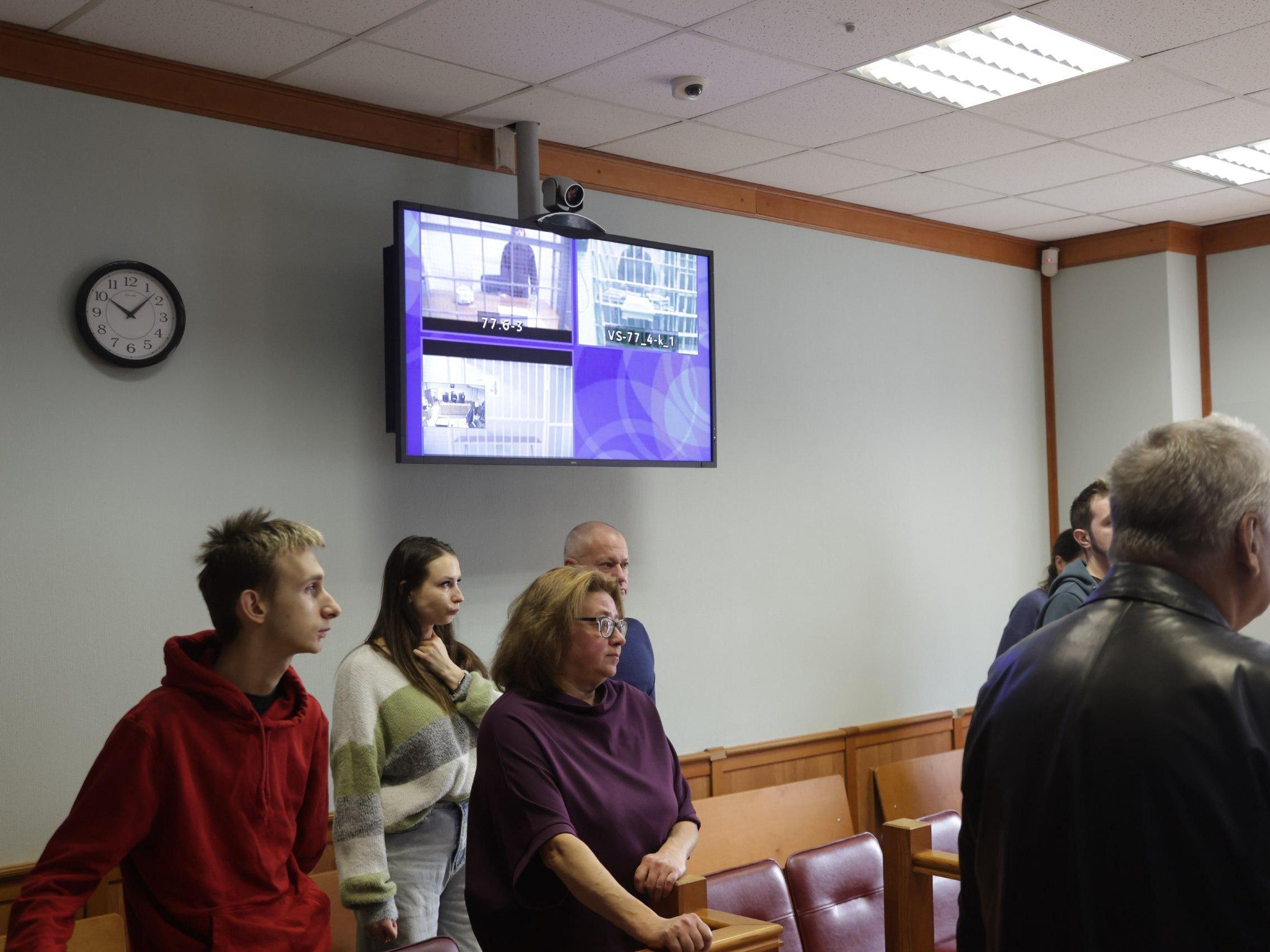

The Moscow City Court upheld the sentence of 20-year-old Zhenya Lomakova, who ended up behind bars despite having an incurable genetic disease—cystic fibrosis. In June, she was sentenced to six years in a penal colony on drug-related charges, and she has been in pre-trial detention since then.
The young woman will be sent to a colony for six years, according to an MSK1.RU correspondent from the Lyublinsky Court hall.
Her relatives had hoped that the appellate court would take her health condition into account: in just a few months, her lung function had halved—from 64% to 32%.
“I’ve had this disease since childhood, and I don’t need long-term observation because my illness is chronic and incurable. That is, it can only be managed and death slightly delayed. My lungs will gradually stop functioning, and I will start suffocating,” Zhenya said in her final statement.
Cystic fibrosis leads to a gradual impairment of all organs and a weakened immune system. The disease affects the entire body, but the respiratory system and digestive tract suffer the most. In Russia, patients with cystic fibrosis live on average to 25–29 years. Only a quarter of them survive to age 18. In the U.S. and European countries, life expectancy with this diagnosis is 40–48 years.
The issue is that with cystic fibrosis, regular inhalations, monitoring by doctors specializing in this disease, and taking a large number of medications are necessary.
One of the medications—Trikafta—costs over 1 million rubles per month (approximately $11,100 at current rates), and is provided free of charge by a commission only after a consultation that the patient must attend in person. Zhenya does not have this opportunity while in detention. At the hearing, she said she did not want to be a burden to her parents.
In recent months, her sister has been bringing her the remaining medication stored at home to the Moscow pre-trial detention center, as well as collecting packages of the Argentine analog—Trilexa—from concerned acquaintances.
“I wanted to help my mom because in 2023 she had a cerebral infarction and was paralyzed. At that time, I was in my final year of college, meaning graduation year, thesis defense, preparing for exams. I also found out that I would only be provided with expensive therapy until age 19 at most,” Lomakova added.
While talking about her acquaintances with cystic fibrosis, the young woman said that many young people die from this disease, after which she burst into tears.
After today’s decision, the young woman will be sent to a colony: her family does not know how she will survive the transfer to the penal colony.
“On the way to the colony in the train, I won’t be able to perform the necessary procedures and could die. There won’t be an outlet to plug in this stationary inhaler. I won’t have any other medication. None at all. The escort will confiscate everything according to regulations. And most likely, I’ll be traveling with smokers, which is also dangerous for me,” Zhenya Lomakova added.