Girl's Scoliosis Overlooked, Now Needs Expensive Surgery
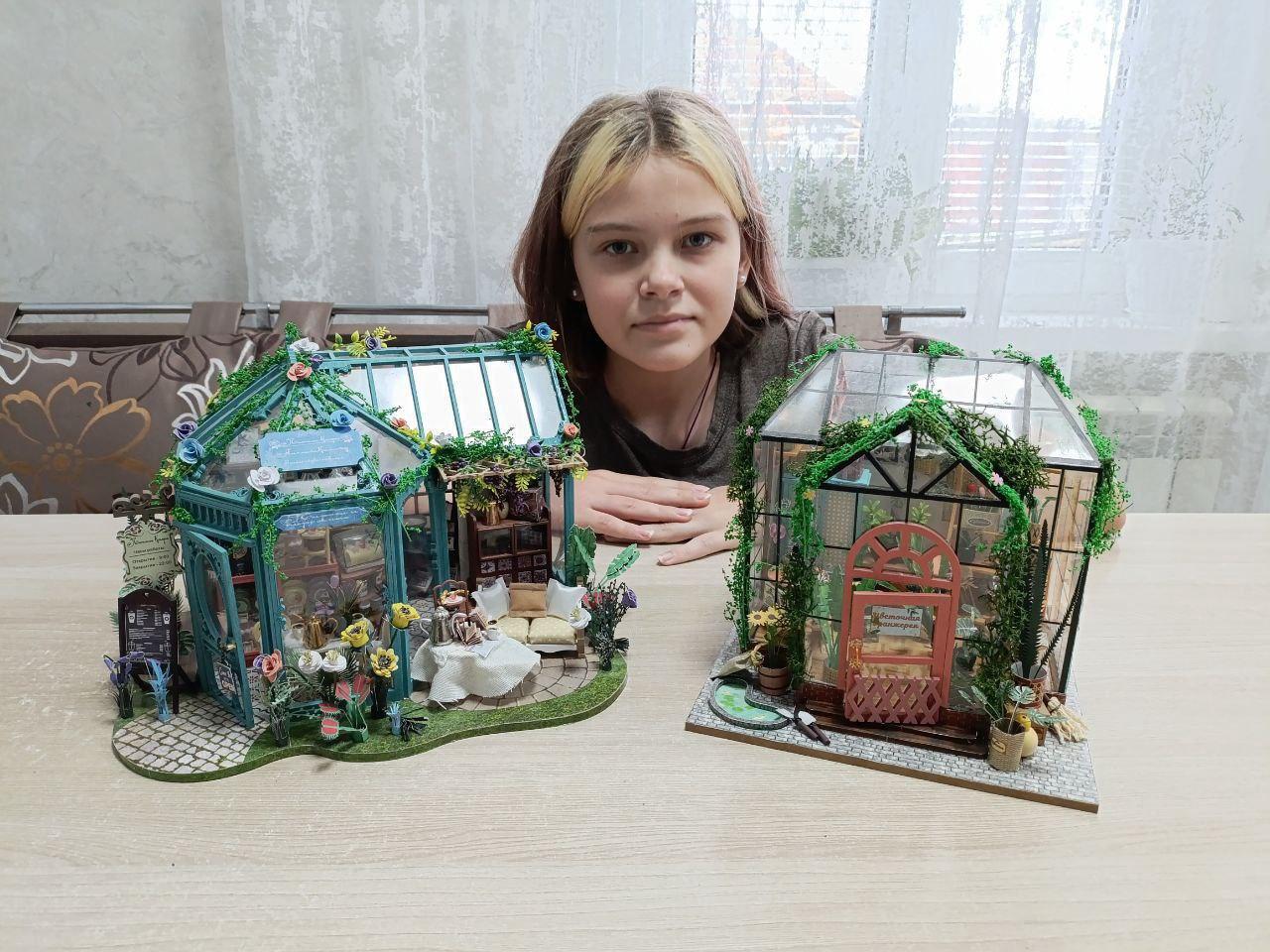

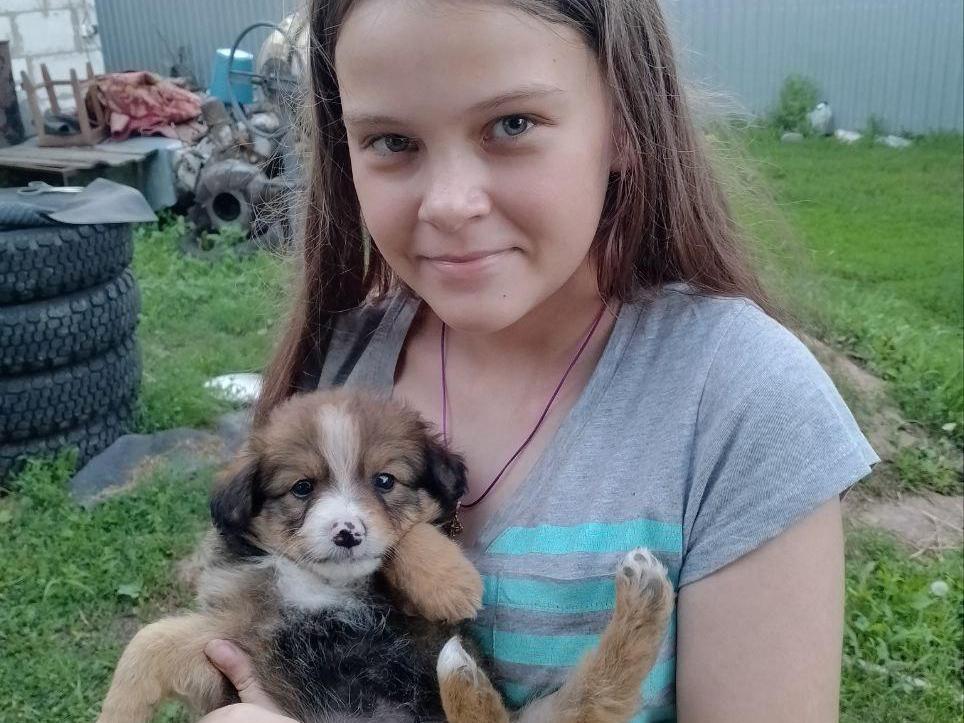
In the village of Khrenovoye, Bobrovsky District, lives 13-year-old Tanya Belousova. She loves collecting diamond mosaics, building kits, and dreams of something simple: having a straight back. Due to severe progressive scoliosis, the girl is forced to hide her illness from classmates and live in constant pain. The only salvation is a complex operation that her family cannot afford without help.
“I first heard that her back hurts during a doctor«s appointment”
Tanya»s back problems started in 2023. Now the girl has severe idiopathic right-sided thoracic scoliosis of the fourth degree, with a rib hump on the right. The disease is progressing rapidly, and without treatment, Tanya faces serious future problems with walking, breathing, heart, and digestion.
Idiopathic scoliosis is a musculoskeletal disorder characterized by a persistent pathological curvature of the spine in three planes. The term “idiopathic” means that the disease occurs for unknown reasons, without any obvious causes.
Idiopathic scoliosis is the most common form of spinal deformity in children and is diagnosed in 2–3% of cases. However, the course of the disease is individual for each child: in some, the deformity progresses rapidly, while in others, the degree of deformity remains almost unchanged during growth and development. Idiopathic scoliosis most often affects girls. In 10% of cases, the disease leads to the child«s disability.
For now, Tanya«s life is full of daily tricks to hide her painful back.
“She really loves collecting diamond mosaics, making room boxes (kits for creating miniature models of rooms or entire houses — Ed.), but unfortunately, she can»t sit for long. I first heard that her back hurts during a doctor«s appointment. Tanya is reserved, keeps everything to herself, and won»t say anything unnecessary. She wears hoodies and leaves her hair down to cover her back at school. However, in some classes, they make her tie her hair up so it doesn«t get in the way. Because of this, she was even seated at the back desk, and she says, ‘Well, at least my back isn»t visible,’” shares the girl«s mother, Svetlana.
As Tanya«s mother shared, few people know about the illness; she doesn»t even tell her friends about it. The girl is very ashamed of her diagnosis.
Behind the outward calm and daily routine in the Belousov family lies a daily struggle with pain and its consequences. Despite the serious illness, 13-year-old Tanya tries to lead a normal teenage life and help with household chores as much as she can.
“I don«t force her to do anything around the house. So she can wash dishes, take laundry out of the wash, help in the garden. And she helped collect potatoes, just putting a little in a bucket,” says Svetlana.
However, even modest household help is the limit of her abilities. The most striking example is school textbooks; Tanya doesn»t have the strength to carry them to school. Because the girl cannot lift heavy things, the school accommodated her.
“She was given a second set of textbooks. And since this year, the textbooks are kept with the homeroom teacher. The backpack is very heavy to carry. And she just comes during break, takes some textbook, and goes to class,” shared the girl«s mother.
For a long time, the family didn«t even suspect that they had the right to apply for disability. They learned about this possibility when they went for an appointment at a Moscow hospital.
“No one told us that we could apply for a disability group. Now we»ve submitted the documents, and we hope they«ll approve and give us the group,” added Svetlana.
How It All Began
The path to the correct diagnosis was long and thorny. First, there were problems with speech and legs. The girl»s foot started slipping out of her shoes. Svetlana then began buying expensive orthopedic shoes for Tanya, but the family didn«t have much money. So the girl wore regular shoes with sturdy soles, and eventually the problem resolved itself.
Then, little Tanya couldn»t start speaking for a long time. Doctors were sure she would start talking when she went to kindergarten, but that didn«t happen. The family invested their last funds in treatment, traveled to neurologists in Voronezh, and underwent expensive and, alas, useless procedures like brain micropolarization.
“Thanks to friends and relatives. I lived with them, so at least we didn»t have to rent an apartment. It was also inconvenient and expensive to travel from here every day. All these procedures are expensive,” recalls Svetlana.
Meanwhile, the spinal curvature remained unnoticed for a long time.
“She was a bit chubby with us, and it wasn«t noticeable. But when she lost a lot of weight, we saw that her spine was like this,” says the mother.
The healthcare system also didn«t rush to sound the alarm. During school medical check-ups, doctors persistently wrote “healthy” in her record. Svetlana herself, not being a specialist, couldn»t suspect anything wrong.
“I«ve never encountered scoliosis before. I»m not a doctor. Even the local pediatrician, when I went to her, she looked at the record and said, ‘Yes, it says, examination by a traumatologist — healthy,’” shared Svetlana.
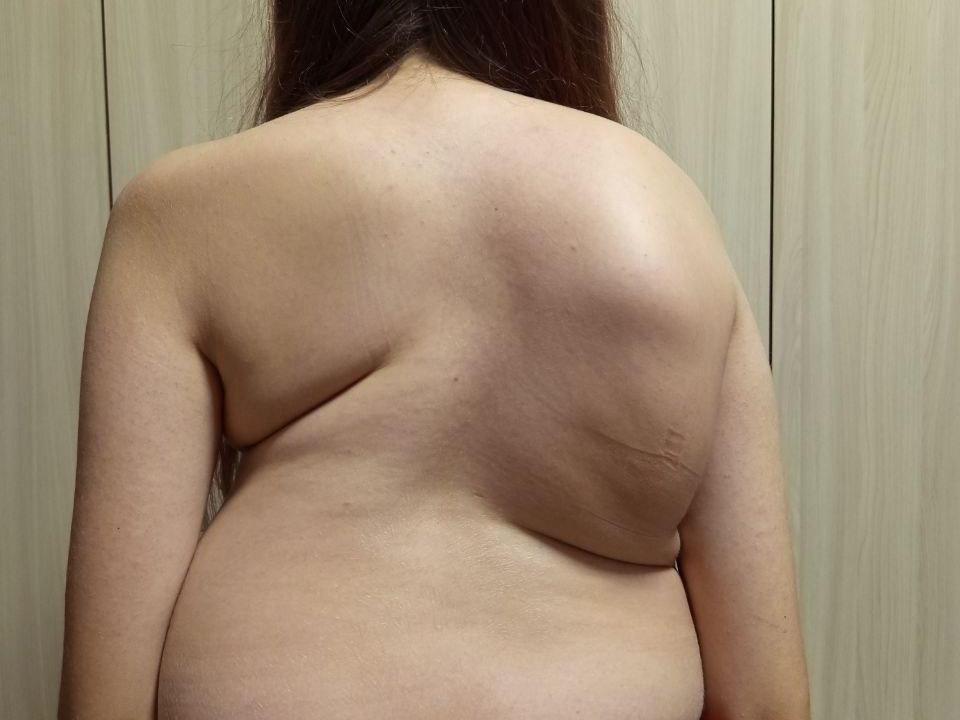
In July 2024, Tanya and Svetlana managed to get an appointment with a Moscow doctor at the Pirogov Russian Children«s Clinical Hospital (RDCB). The verdict was clear: conservative methods, including expensive braces, would no longer help.
“When we saw the Moscow doctor, he said that she shouldn»t wear a brace for more than a month because she wouldn«t be able to walk without it afterward. And he said — only surgery here,” the woman recounted.
Paid Free Operation
Initially, the family was told that the operation would be in November, and no payment was mentioned. But then the hospital called and clarified everything. The operation itself will be performed under compulsory health insurance (OMS), but the unique metal construct needed to fix the long section of Tanya»s spine must be purchased independently. It costs 1,209,000 rubles (approximately $12,100 at current rates). As explained to the family, such long and high-quality constructs (German-made) are not provided under OMS.
“We need a very long construct, that«s why it»s expensive. I understand it will be from head to buttocks,” shared Svetlana.
The woman herself didn«t approach any funds — the initiative came from the hospital, which cooperates with charitable organizations, one of them being the “Pomoshch” (Help) Foundation. A fundraiser for Tanya»s treatment is now open, and anyone can help. The Belousov family believes that with the help of kind people, this dream will come true.
To help Tanya, you can go to the fundraising page and provide whatever assistance you can.