Expert warns of deadly lung mold risk in Volgograd


During flu and cold season, anyone hearing a cough attributes it to a cold, asthma, and other common illnesses that cause this symptom. Meanwhile, behind a simple “cough-cough” could easily hide a pathological process caused by fungi, and spores, entering the lungs, can spread throughout the body and in some cases — lead to a fatal outcome. About the exotic disease with the hard-to-pronounce name «aspergillosis» spoke a participant of the “FactCheck: health without myths” project, head of the department of infectious diseases with epidemiology and tropical medicine of the Volgograd State Medical University Olga Chernyavskaya.
«Everyone can get infected»

— Aspergillosis is a fungal disease caused by aspergillus fungi. These are some of the most common fungi in nature. Aspergilli live in soil, on rotting plants, organic residues, in air, dust, on surrounding objects, — says Dr. Chernyavskaya. — Spores of these fungi can persist in soil for a long time and enter the human body when inhaled with dust or through a wound. Often agricultural workers, poultry farm workers, construction workers, garbage collectors, textile factory workers get infected. The disease is especially dangerous for people with immunodeficiency conditions. At risk for aspergillosis are people living with HIV, cancer diseases, especially after radiation, chemotherapy, individuals receiving therapy that suppresses immunity, having diseases such as diabetes, pulmonary tuberculosis, patients after organ transplantation.
At the same time, one can be completely healthy and get infected without any special predispositions:
— It happens that a person’s immunity is fine, but a very large number of spores enter the body. Massive intake of the pathogen can cause an infectious process even in a person with a normally functioning immune system. For example, spores can get into the ventilation or air conditioning system. Aspergilli are found everywhere, but in some areas the risk of infection is higher, for instance, in countries with warm, humid climates. But one can get infected without traveling anywhere.
All internal organs at risk
According to Dr. Chernyavskaya, aspergillus affects internal organs, most often — the lungs. But in people with immunodeficiency conditions, it can lead to the spread of higher aerobic mold fungi throughout the body, including to the brain, gastrointestinal tract, liver, heart, and cause a fatal outcome.
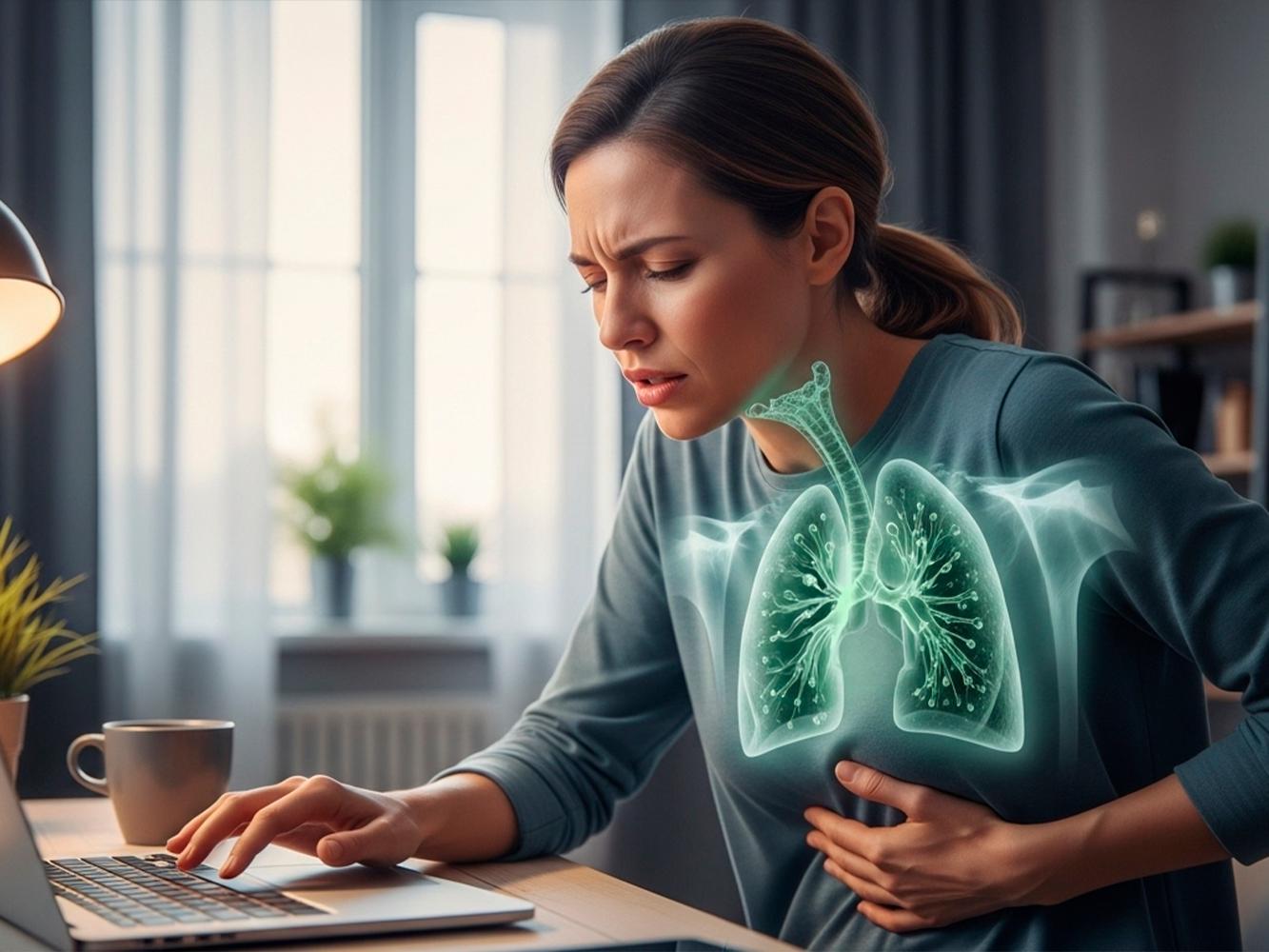
— The least dangerous variant of aspergillus infection is colonization of the respiratory tract mucous membranes by these fungi, or mycocarriage. In this case, they simply colonize the surfaces of the lower respiratory tract mucous membranes. There are no symptoms or changes on the X-ray, but aspergilli are regularly detected in sputum, — says Olga Chernyavskaya. — It is worse if the fungi cause blockage of the bronchi, so-called obstructive aspergillosis. In this condition, a cough with expectoration of mucous plugs appears, sometimes hemoptysis, shortness of breath, sometimes fever and chills. The situation is even worse when aspergilli colonize cavities in the lungs left after other processes. They fill them, forming an aspergilloma. In this case, the fungi grow into tissues, can destroy blood vessels, which is accompanied by hemoptysis, — the most common sign of aspergilloma. But often this process does not manifest itself and is accidentally discovered during X-ray examination.
According to Associate Professor Chernyavskaya, the disease is dangerous and can become chronic. The fungus can disseminate, affecting many internal organs.
— In immunocompromised people, whose immune system does not work properly, the process can become invasive, that is, the fungi grow into tissues, which is accompanied by a dry cough, possibly with hemoptysis, shortness of breath, chest pain, fever, — explains the infectious disease specialist. — Growth into blood vessels is fraught with the development of bleeding. Sometimes spontaneous rupture of the lung can occur with air entering the chest cavity. And things will be even worse in a disseminated process, when aspergilli spread throughout the body, causing damage to various organs. For example, abscesses can form in the brain, with symptoms developing gradually, manifestations may include impaired consciousness, behavior, paresis, convulsions. Symptoms of disseminated aspergillosis will depend on which organ and to what extent is affected.
At early stages pills suffice, later — only surgery
Detecting aspergillosis, according to Olga Chernyavskaya, is not easy. The specifics of identifying the deadly disease are quite unusual, and suspecting it is more difficult.

— Aspergillosis is quite difficult to suspect. Detection of changes on the X-ray helps in diagnosis. That is why it is so important to undergo medical check-ups in a timely manner, — one can detect the process while it has not yet manifested itself with any symptoms, — explains the doctor. — Other instrumental studies help — computed tomography and magnetic resonance imaging. If aspergillosis is suspected, the doctor may prescribe microscopy of materials from the patient (sputum, bronchial mucosal washings) and their culture on special nutrient media, this is called mycological examination. It is also possible to detect antibodies to aspergilli in the blood, but the research result must be compared with other data.
At early stages of the disease, getting rid of mold in the lungs is possible with medication therapy. However, if treatment is untimely, fungal colonies inside the body will have to be removed surgically.
— Treatment is carried out with antifungal drugs and depends on the form of the process, degree of damage, state of the immune system. In general, the prognosis is favorable. The worst prognosis — for invasive forms against the background of immunodeficiency, — assures the doctor.

Dr. Chernyavskaya emphasizes — there is no specific prevention of the disease, but as non-specific protective measures, one can use respirators, masks when performing work accompanied by increased dust formation. People with impaired immune system function should be especially cautious.