Endoscopist: role, procedures, and patient comfort
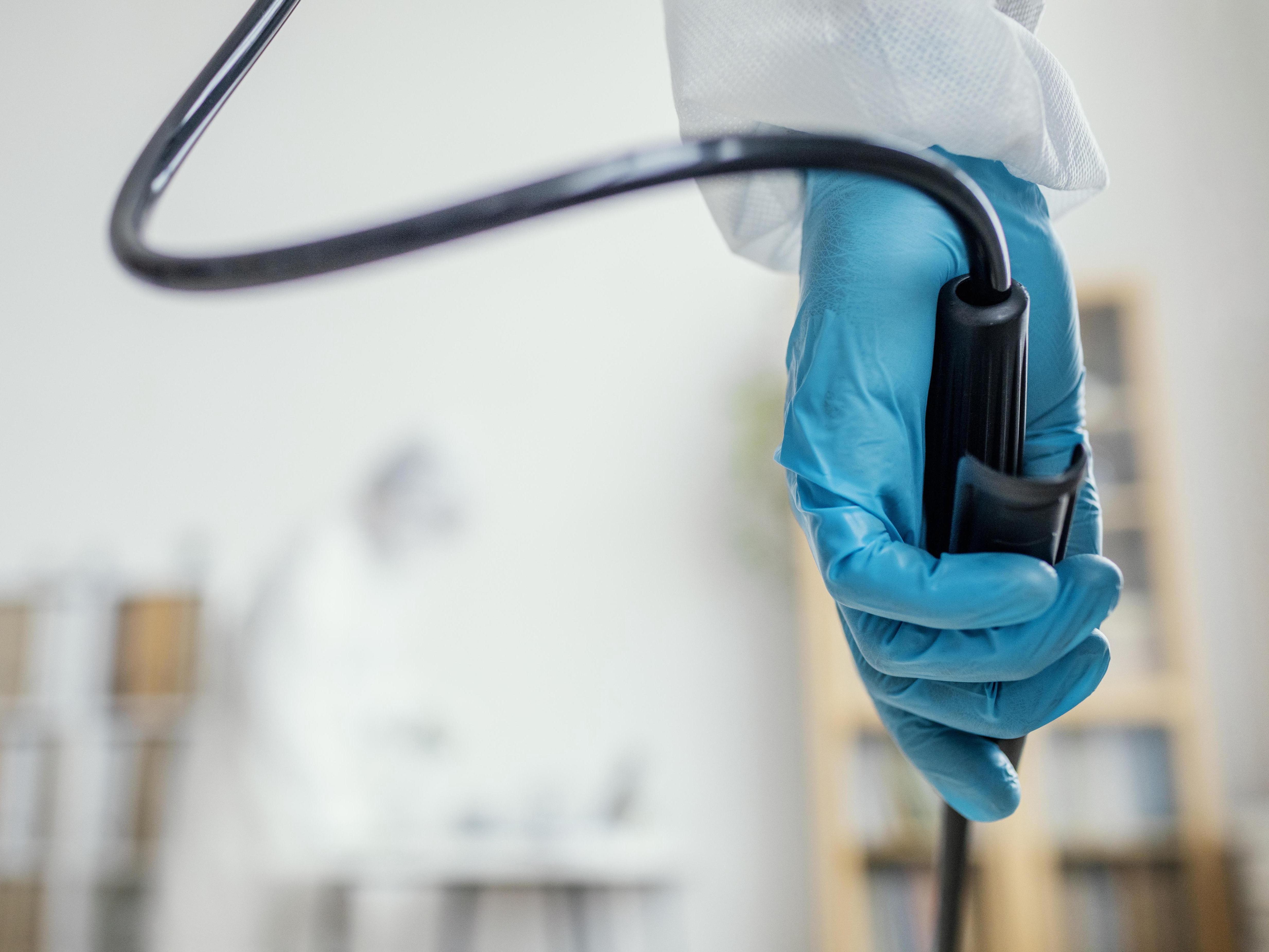

An endoscopist uses advanced imaging to clarify vague patient symptoms and identify underlying issues.
When heartburn bothers you more than a couple of times a week, you feel bitterness in the morning, a pulling pain appears in the upper part of the abdomen (in the center under the breastbone), and nausea comes on without a clear reason, you should not delay the examination. In such a situation, it is reasonable to consult a doctor who sees the mucous membranes from the inside and assesses them in real time: an endoscopist in Moscow helps confirm or rule out inflammation, ulcers, polyps, and other causes of complaints, and if necessary, immediately takes a biopsy (a small fragment of tissue for analysis). This approach provides facts, not guesses, and helps choose treatment without unnecessary rounds of examinations.
The picture of symptoms is unique to each person: some have predominant sour belching and nighttime cough, others feel heaviness after a small meal (early satiety), and others notice black stool (a sign of blood) or scarlet traces on paper. The endoscopist explains what is visible on the screen, where the source of symptoms is, and what steps are appropriate now, taking into account age, medications being taken, and concomitant diseases.
What this specialist is and how they work
An endoscopist is a doctor who performs examinations with optics and miniature instruments. During upper endoscopy, the esophagus, stomach, and duodenum are examined; during colonoscopy, the large intestine is examined. The camera transmits the image to a screen, where the color, folds, and integrity of the mucous membrane, areas of redness, erosions, and ulcers are visible. If necessary, a biopsy is taken through the working channel (a tiny piece of tissue for microscopy), small polyps (benign growths) are removed, and pinpoint bleeding is stopped by coagulation (cauterization).
Comfort is discussed in advance: a local anesthetic spray reduces the urge to swallow, and if indicated, short-term sedation (medicated sleep) is used. After the procedure, a report and photos of key areas are provided, and the histology result (tissue examination) comes in a few days and complements the picture.
Saves time, reduces risk
The endoscopist turns vague complaints into a clear picture: whether there is inflammation, where the source of blood is, which polyps require removal, and at what interval to repeat control. In practice, an endoscopist in Moscow helps choose a justified tactic without unnecessary procedures and exaggerated promises, and the images and histology become support for doctors of related specialties. This approach saves time, reduces the risk of missing significant changes, and makes monitoring predictable.