Doctor explains when swollen limbs are not due to obesity
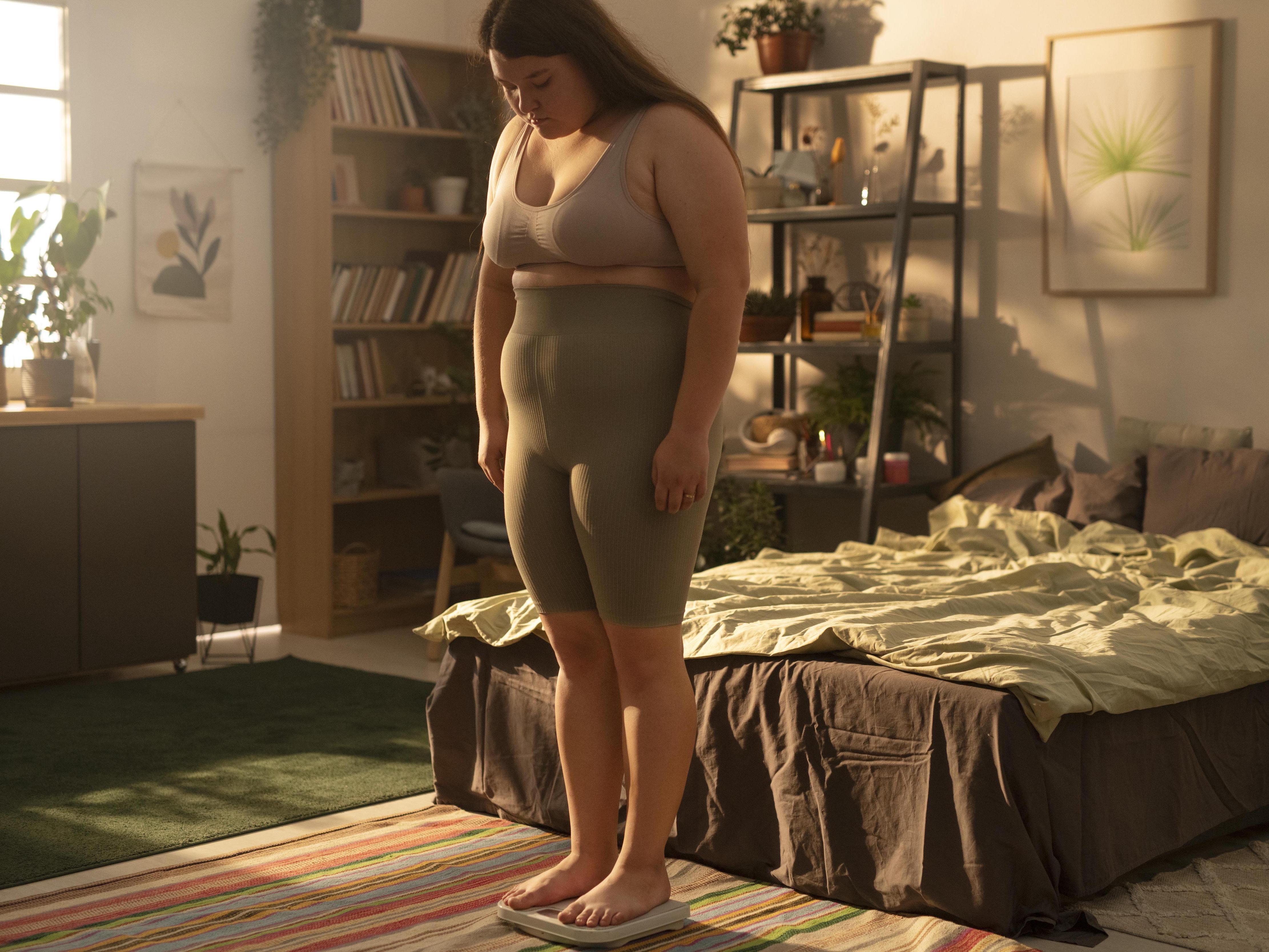

Pathological growth of fatty tissue is not always related to lifestyle factors.
Doctors and nutritionists agree: excess weight appears due to an imbalance between calories consumed and burned. In other words, you need to eat less and move more. But it happens that a woman follows these rules, and everything loses weight except her legs. The upper body becomes slim, while the lower part remains disproportionately massive.
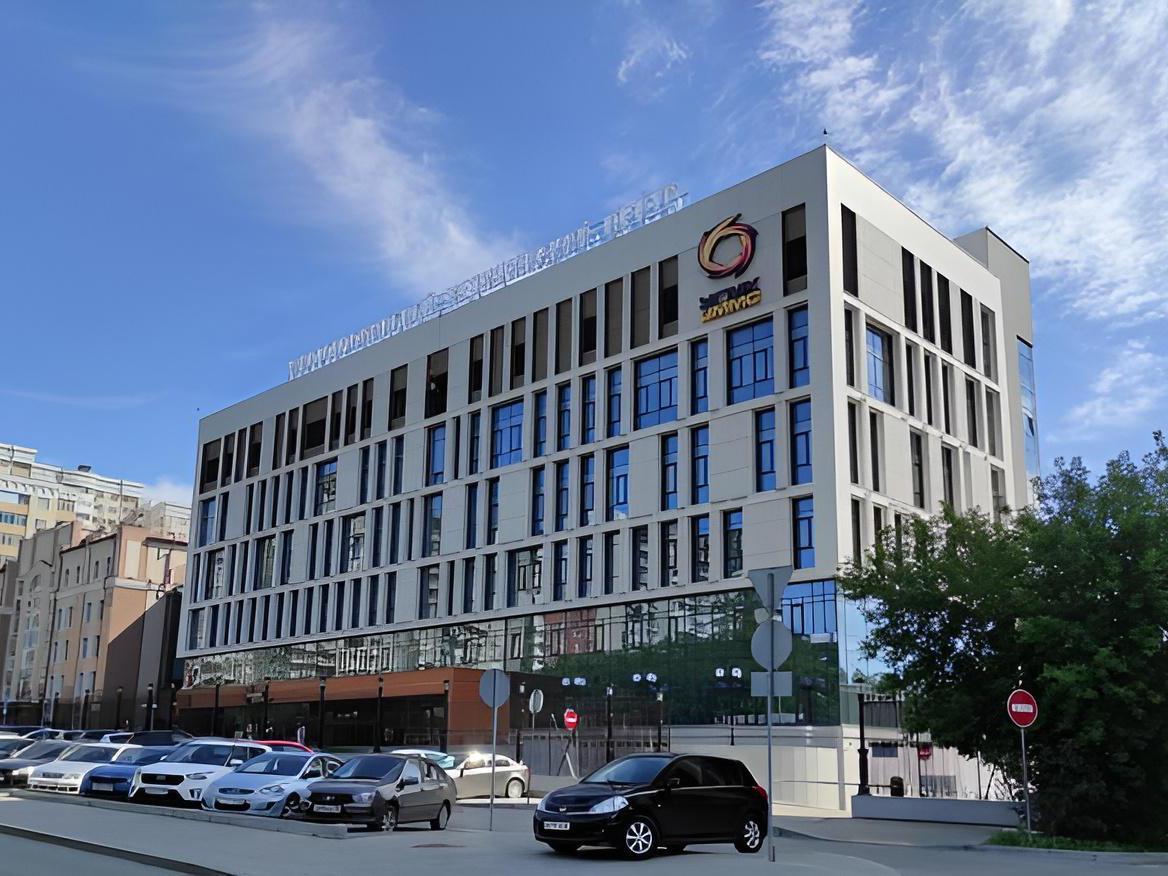
The clinic employs lymphologists who comprehensively treat lipedema and lymphedema.
The cause may be lipedema—a disease in which fat distribution is disrupted. It is often confused with obesity or lymphedema, but it is a separate pathology that is not treated by diets and requires a special approach.
Lipedema is characterized by an abnormal increase in fatty tissue, most often in the lower limbs, thighs, and buttocks. Lymphedema is a chronic disease associated with impaired outflow of interstitial and lymphatic fluid and the development of persistent swelling (lymphostasis) in a limb or other parts of the body. Diagnosis and treatment of such conditions are handled by lymphologists.
“Lipedema and lymphedema significantly affect a patient«s quality of life,” said Ksenia Lyalina, a surgeon, phlebologist, and lymphologist at the UGMK-Zdorovye Clinic. “In advanced stages, loss of limb function, development of elephantiasis in an arm or leg, and the addition of many severe surgical complications are possible. An important distinctive symptom of lipedema is pain in the fatty tissue, increased sensitivity to touch. This is fat that hurts! Furthermore, the patient»s emotional state suffers. Chronic stress, a constant exhausting battle with excess weight that brings no results—all this depresses and oppresses a person, negatively affecting all aspects of life.”
For the treatment of lipedema and lymphedema, the UGMK-Zdorovye Clinic uses complex decongestive physical therapy (CDPT). It includes manual lymphatic drainage, compression therapy (bandaging the limb and selecting the correct compression garments for constant wear), therapeutic exercises with a set of special exercises, and proper skin care for the affected area. During the intensive phase of therapy, the main work falls on the doctor; at the stage of maintaining results, the key role belongs to the patient themselves, their determination and persistence.
“The effectiveness of comprehensive conservative treatment is very high,” noted Ksenia Vladimirovna. “Surgery plays a secondary role: we use it to improve the result achieved through conservative therapy. Surgical intervention is only an addition to it. For example, with lymphedema, we can surgically create a new pathway for lymphatic fluid to drain from the affected area, which can help reduce the class and degree of required compression, but will not relieve the patient of the need to wear special garments. In treating lipedema, liposuction helps achieve acceptable body volumes, balancing the psychological state of patients.”
Make an appointment with a lymphologist without waiting for serious progression of the diseases.
UGMK-Zdorovye Clinic,
Yekaterinburg, 113 Sheinkmana Street;
+7 (343) 283-08-08;
ugmk-clinic.ru.