Chinese candies trigger diarrhea, doctor says
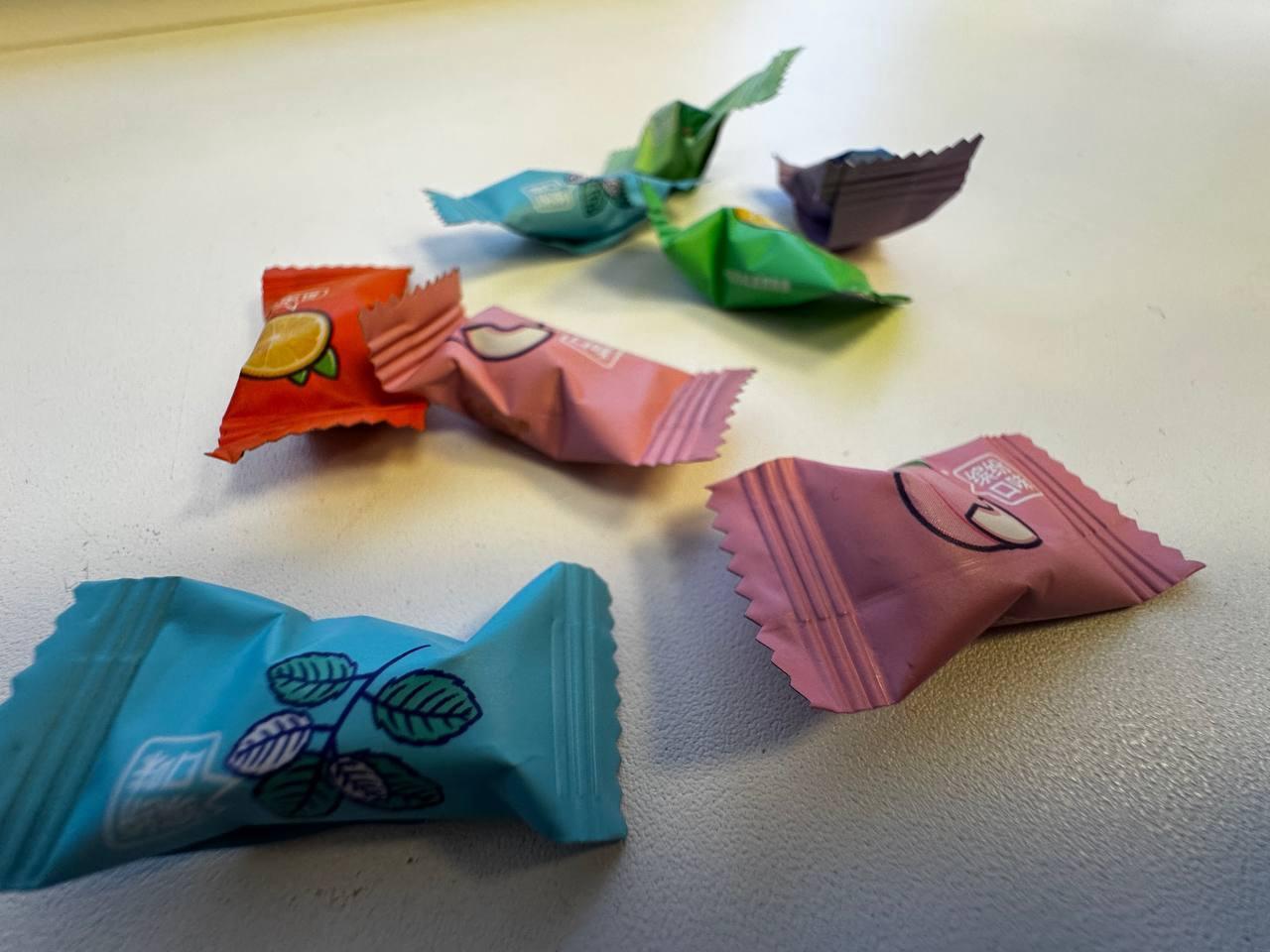

Social media users report diarrhea after trendy Chinese candies, and a doctor explains the mechanism.
Russian schoolchildren have begun complaining on social media about diarrhea after trendy Chinese refreshing candies. The issue is the sugar substitute sorbitol included in their ingredients. Bloggers say these candies have very intense flavors, so you want to eat a lot, but after 5–7 candies the side effects start. In Yekaterinburg, these sweets are easy to buy at any kiosk with Chinese products or at outlets that sell dried fruit and pastila (Russian fruit confection). They are inexpensive — several hundred rubles (at current rates) per kilogram.
Together with gastroenterologist Yuliya Alekseeva, we looked into why this happens and whether such “diet” sweets can be eaten at all.
Many bloggers post reviews of fashionable candies, fueling demand among schoolchildren and teens.
The point is that intestinal upset can happen not only from Chinese candies but from any sweets with sugar substitutes. They can cause bloating, rumbling, gas, and diarrhea.
«Sugar substitutes — for example, sorbitol, xylitol, mannitol, maltitol, isomalt, erythritol, stevia, and others — are not digested in the small intestine the way regular sugar is. They reach the large intestine unchanged, where bacteria take them up for processing. During this processing, gases are released, hence the bloating and rumbling», the doctor explained.
The gastroenterologist explained: because sugar substitutes are not absorbed and broken down like regular sugar, when their concentration in the intestine becomes elevated, the body redirects water from other tissues to lower it. This increases the amount of water, thins the stool, and speeds up peristalsis, leading to diarrhea.
Peristalsis — wave-like contractions of the muscles of the esophagus, stomach, and intestines that help propel food, water, and other substances through the digestive tract to the body’s exits.
How much do you need to eat before it acts as a laxative?
Marketers often call sweets with sugar substitutes “diet,” although their calories can be exactly the same as regular chocolate. One package of such “diet” candies or sugar-free gum can contain 5–10 grams of sugar substitute or more. That is enough to cause a bout of loose stools. Pay attention to the ingredients, and keep in mind there is no exact “dose”: everyone has their own “tolerance” for sugar substitutes that they can handle without consequences.

Some products list sugar-substitute content per unit, such as gum, candies, or chocolate.
«For some people, even one candy with xylitol will make the stomach rumble; others can eat 3–4 candies and feel nothing. But if you eat a handful of “diet” candies at once, especially on an empty stomach, the chances of bloating and diarrhea rise sharply. Be especially careful with sugar-free chewing gum, “diet” chocolate, lozenges, and gummies labeled “sugar-free”», said Yuliya Alekseeva.
How to avoid side effects
Read the ingredients list. If it includes sorbitol, xylitol, mannitol, maltitol, isomalt, erythritol, the more of them appear, the higher the risk.
Do not eat such sweets by the bagful, even if they are “sugar-free” and “for diabetics.”
If bloating or diarrhea has already started, stop eating these products for 1–2 days.
With frequent problems, it is better to limit such substitutes altogether or choose those that less often cause side effects (for example, stevia or sucralose less often have a laxative effect).
Are sweets with sugar safer?
The gastroenterologist said that in moderate amounts sugar almost never causes side effects. It is fully digested in the small intestine: it breaks down into glucose and fructose, which are calmly absorbed into the blood. Therefore, in a healthy person even several spoonfuls of sugar in tea or a piece of cake will not cause bloating or diarrhea.
But in some cases sugar can also be harmful. The doctor listed these situations.
1. If you eat a lot of sweets at once, it is possible to have:
fermentation due to overloading the intestine with carbohydrates, followed by bloating and gas;
as a consequence — accelerated peristalsis leading to soft stools or diarrhea, especially in children or people with sensitive gastrointestinal tracts;
microbiota imbalance; with regular overeating this becomes a chronic problem.
2. Fructose intolerance. Some people have impaired absorption (congenital or acquired). In that case, even regular sugar can cause bloating, rumbling, and diarrhea.
3. Sugar combined with other ingredients:
milk in candies will cause side effects with lactose intolerance;
fats in chocolate increase the choleretic effect;
colorants, emulsifiers, and preservatives can irritate the intestines.
In this article doctors discuss whether safe sugar substitutes exist. Keep in mind they are not a cure-all for those with a sweet tooth who decide to eat less sugar.
Did you know that of the kilograms your bathroom scale shows, two are the weight of bacteria living in your body? It sounds scary, but this microbiota can be “kind,” useful, and even capable of protecting you from disease. More about the microbiota — here.
* The social network is banned in the Russian Federation.