Age Test: Soviet-Era School Meals Remembered Better Than Teachers' Names
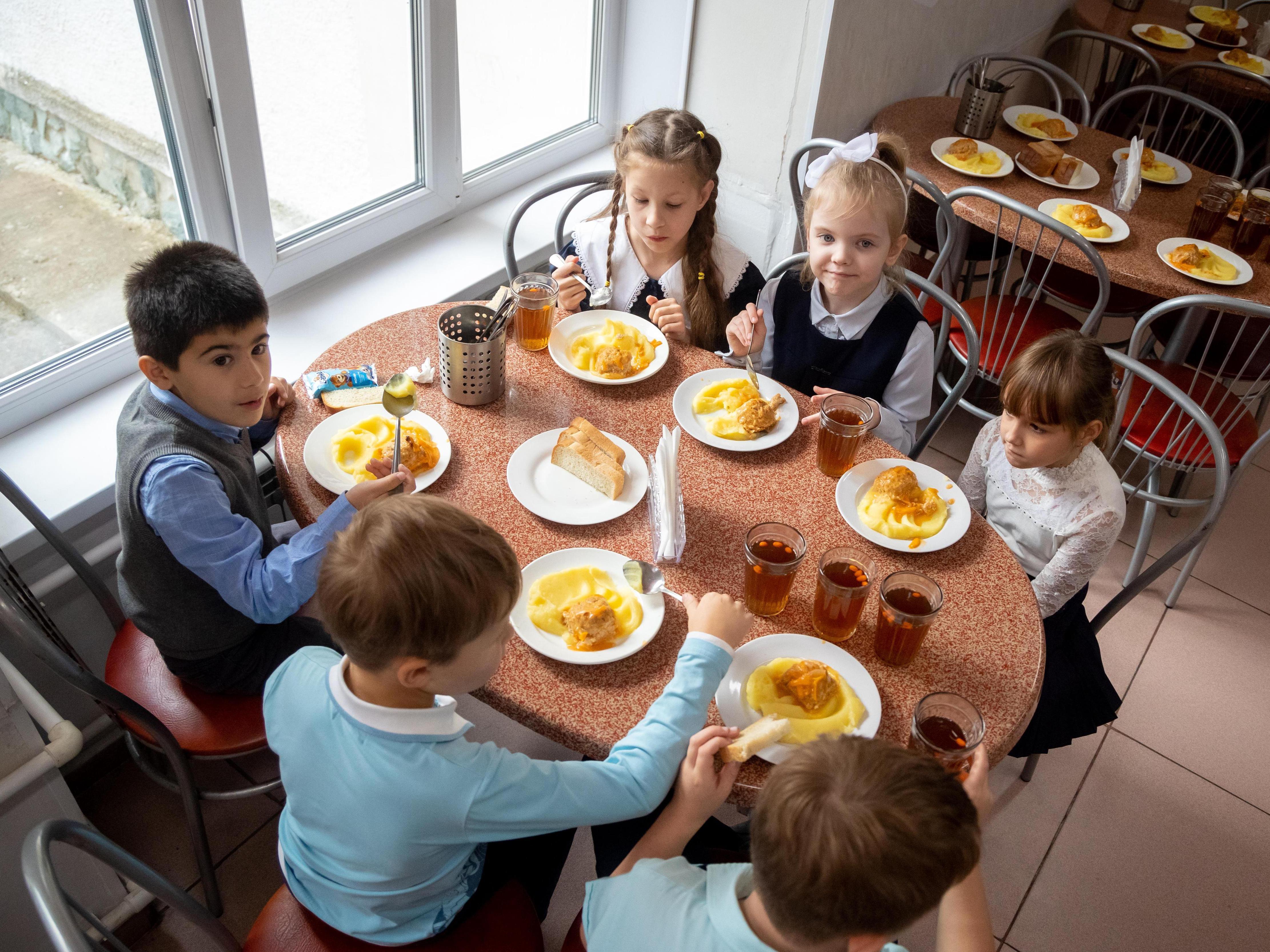

If your childhood was in the times of the USSR, you remember the food in the school canteen very well. Few ever thought of refusing it. On the contrary, after the second or third lesson, a crowd of children would race from the classroom so as not to go hungry, and the position of canteen duty officer was an honorary responsibility. Doctor Piter spoke with biochemist and nutritionist Anna Divinskaya about the benefits and harms of the dishes fed to schoolchildren in the USSR.
1. Navy-Style Macaroni
The combination of boiled macaroni with minced meat still makes the 70s–80s generation salivate. From a biochemical viewpoint, this is a classic example of a high-carbohydrate dish with moderate protein content.
Interesting fact: Soviet group A macaroni was made from durum wheat, which ensured a low glycemic index (about 50–55 units) compared to modern analogues. The minced meat added 15–20 g of protein per serving, a significant contribution to the daily requirement for a growing body.
«One downside: the excess of saturated fats from using fatty meat could reach 30% of the daily norm,» says Anna Divinskaya.
2. Milk Porridge
Many remember warm milk in the school canteen with that skin on top, which some ate with delight while others carefully fished out. The skin«s appearance has a scientific explanation. When milk is heated, the proteins casein and albumin denature and form a film on the surface — a concentrated source of milk protein and fats.
A serving of milk porridge, invariably present in Soviet school canteens, provided 250–300 mg of calcium (25–30% of a child«s daily norm), magnesium for the nervous system, and tryptophan — the precursor to serotonin.
«Modern research confirms: regular consumption of milk porridge in childhood correlates with better bone mineral density in adulthood. However, 15–20% of children had lactose intolerance, which few knew about at the time,» continues our expert.
3. Cutlets
The legendary filling of Soviet cutlets — up to 40% cabbage or bread — was not just a way to save money. From a nutritional standpoint, it added fiber (3–4 g per serving) and reduced the dish«s calorie content from 400 to 250 kcal.
Cabbage brought glucosinolates — sulfur-containing compounds with proven anti-inflammatory effects. The downside: breading in deep-frying added trans fats and acrylamide — a product of the Maillard reaction during high-temperature processing. But the overall balance remained acceptable: proteins — 12–15 g, fats — 10–12 g, carbohydrates — 20–25 g per serving.
4. Buckwheat with Milk
Grandmothers were right: buckwheat with milk is a biochemically sound combination. The grain has all essential amino acids but is low in lysine. Milk is rich in lysine, creating a complete amino acid profile.
Plus rutin — a flavonoid that strengthens blood vessels (up to 60 mg per 100 g of grain), magnesium (200 mg per serving), and resistant starch when cooled, which acts as a prebiotic. The glycemic index is only 50–55 units.
«This dish can rightfully be called a superfood of Soviet public catering, even though that term didn»t exist back then,« the biochemist is sure.
5. Cottage Cheese Casserole
The dense, slightly burnt-on-top casserole was a source of casein — a slow protein providing long-lasting satiety and gradual release of amino acids over 6–8 hours.
A serving contained 18–20 g of protein, 400–500 mg of calcium, and vitamin D from eggs (albeit in small amounts — about 10% of the daily norm).
«Cottage cheese is also rich in phosphorus, necessary for energy metabolism. The sugar in the recipe increased the calorie content to 300 kcal per serving, but for active schoolchildren this was an adequate energy contribution,» explains the expert.
6. Frankfurters with Macaroni
The most controversial dish from the perspective of modern nutrition. Soviet frankfurters contained sodium nitrite (E250) as a preservative — 50–70 mg per 1 kg of product, considered a safe dose.
The problem is different: when heated, nitrites can form N-nitrosamines — potential carcinogens. However, according to Anna Divinskaya, a single serving carried no risks. There was 10–12 g of protein per serving, but the quality was inferior to natural meat due to the emulsified structure. The macaroni added energy, but the dish was clearly unbalanced in macronutrient ratio: an excess of fats (15–18 g) with a deficiency of fiber.
7. Dried Fruit Compote
An underrated drink of Soviet childhood! Compote made from dried apricots, prunes, and raisins contained potassium (300–400 mg per glass), magnesium, and natural sugars in an optimal ratio for quick recovery after PE class.
Dried apricots provided beta-carotene (provitamin A), prunes — sorbitol with a mild laxative effect, raisins — fast carbohydrates. Organic acids (malic, citric) improved iron absorption from the lunch.
«In composition, it was an analogue of modern sports drinks, only without chemical additives. The glycemic index is 50–60 units, ensuring a smooth rise in blood glucose,» says Anna Divinskaya.
8. Fish Cutlet
A cutlet made from pollock or hake, despite the specific smell, was a source of complete, easily digestible protein (15–18 g per serving) and omega-3 fatty acids, albeit in smaller amounts than in fatty fish.
«Iodine (about 100 µg — half the daily norm), selenium, and vitamin D made this dish valuable, especially for children from regions with iodine deficiency. Modern research shows: regular fish consumption in childhood is linked to better cognitive indicators,» adds the biochemist.
The downside: cutlets were often overcooked, destroying sensitive omega-3 acids at temperatures above 180 degrees.
9. Vinaigrette Salad
The colorful mix of boiled vegetables is a phytochemical cocktail: betalains from beets (powerful antioxidants), carotenoids from carrots, resistant starch from cooled potatoes, sauerkraut with probiotics.
Fiber per serving — about 6–8 g (20–25% of the daily norm), which ensured gut health and stable blood sugar. Vegetable oil added omega-6 acids and helped absorb fat-soluble vitamins A and E. Calorie content was low — only 120–150 kcal, yet with high nutritional density. Modern dietitians would call it an ideal side dish.
10. Kissel (Fruit Jelly)
The finishing touch of the canteen lunch had unexpected properties.
«The modified starch in kissel created a protective film on the gastric mucosa, especially valuable for gastritis, which schoolchildren already had back then,» continues the nutritionist. «Berry kissel contained anthocyanins — polyphenolic compounds with anti-inflammatory action, vitamin C (although some was destroyed during cooking). The viscous consistency slowed gastric emptying, prolonging satiety. In terms of glycemic index, it wasn»t the best item (GI — about 70), but as a lunch addition, it was a quite functional drink.«
The Soviet school canteen, for all its culinary imperfections, provided a basic nutritional balance: enough protein for growth, complex carbohydrates for energy, dairy products for bones. Yes, there was a lack of fresh vegetables and fruits, and sometimes they overdid it with fried food, but the overall concept was sound, the specialist notes.
«Modern children often get an excess of simple carbohydrates and trans fats with a deficiency of complete protein and micronutrients. Perhaps we should return to some principles of Soviet public catering, adjusted for new cooking technologies and nutritional knowledge. Nostalgia aside, the canteen casserole was indeed healthier than a chocolate bar,» summarizes Anna Divinskaya.
By the way
A longevity expert shared the most beneficial breakfast — it turns out the day is best started with... soup. But not just any soup, with Italian minestrone.
«This is a vegetable soup with beans, which I season with a small amount of olive oil and avocado,» says Dan Buettner, a famous longevity researcher.
He made his conclusions based on analyzing the diet of residents in «blue zones,» i.e., areas where people live the longest.
Minestrone includes three types of legumes: chickpeas, white and red beans. And also potatoes, onions, celery, carrots, garlic, tomatoes, and spices. All this is cooked using vegetable broth or even just water.