Young Kuzbass Teacher's 30-Kilometer Commute and Nine Classes Bring Happiness
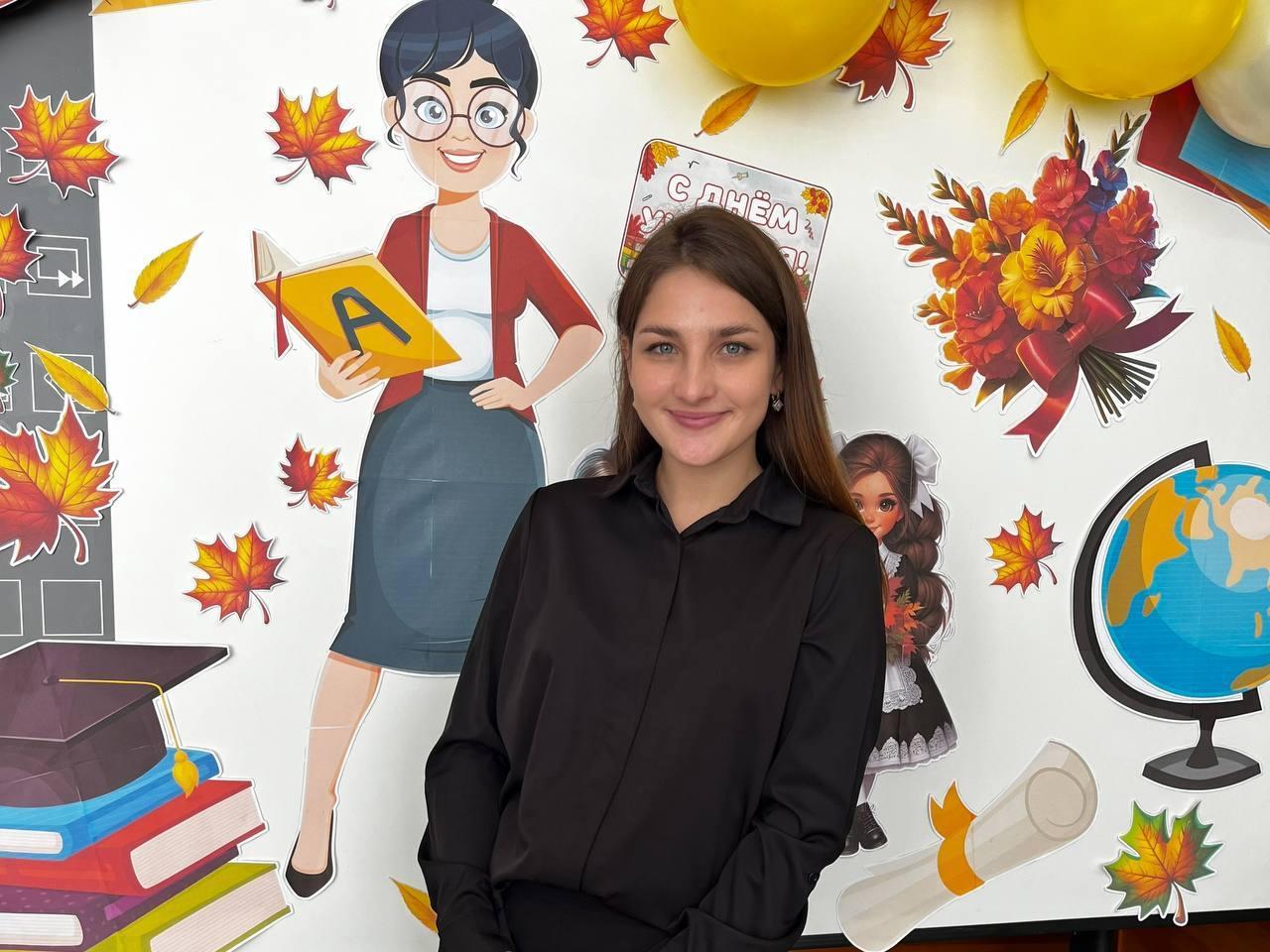

Daria Kuzmina is one of those who appear in news feeds as a rural teacher. After graduating from university and working briefly in the capital of Kuzbass, Kemerovo, at age 26 she consciously moved to a remote rural school to teach children chemistry and biology. Every day she spends about two hours on the commute, but does not regret her choice. She told an NGS42.RU correspondent what rural teachers face and why one becomes an educator.
“I Wanted to Create a Happy Childhood”
Dasha was born and raised in Leninsk-Kuznetsky in a family of an elementary school teacher. From early childhood, the girl watched in the evenings as her mother checked notebooks. The teacher«s busy schedule and lack of personal time did not deter her from the profession, but on the contrary, sparked her interest.
“In fifth grade, I got a new, very active homeroom teacher, Russian language and literature instructor Nina Vasilyevna Rudenko. Unfortunately, she is no longer with us. With her, our class went to literally all events,” recalls Daria.
The teacher showed the girl an example of a selfless mentor and ignited a pedagogical spark in her, which finally confirmed the schoolgirl in her life choice. Nina Vasilyevna encouraged the kids to organize concerts, competitions, skits (kapustniki), to be proactive and independent, and in the summer to work as counselors with younger children in the school camp. As a result, from age 13, Daria learned to find common ground with little ones.
“Until I graduated from university, I was constantly immersed in this children«s atmosphere. I never even thought that I wanted a different profession. It»s like extending your own school life, and you want to give them some joy, inspiration, a happy childhood,” smiles the young education worker.
Nevertheless, the girl did not follow in the footsteps of her mother or her favorite teacher, but chose her own path — a biology and chemistry specialization. It was these subjects that evoked the greatest awe in her school years.
Rural School
After graduating from university, the girl remained living in Kemerovo and began her teaching career in a large city school. After two years, she went on maternity leave, and then due to family circumstances had to return to her native Leninsk-Kuznetsky. However, she did not get a job at a local educational institution; her choice fell on the village of Podgornoye (in Kemerovo Oblast).
“The director found me and offered me a job. I thought about it, weighed the pros and cons, but was interested to try,” says Kuzmina.
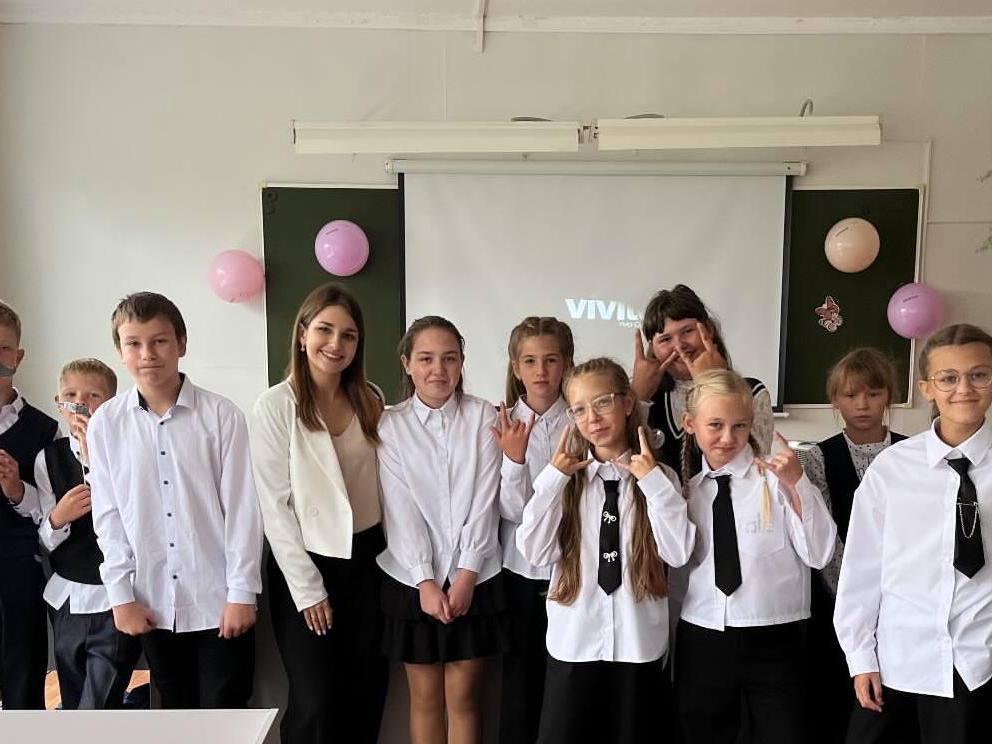
Now under the wing of the young specialist are nine classes — from fifth to ninth, plus homeroom leadership. However, she does not complain about the heavy workload, although every day she travels 60 km to school and back — the bus ride one way takes about 40 minutes. But it all depends on weather conditions and traffic, so she has to leave early to avoid being late.
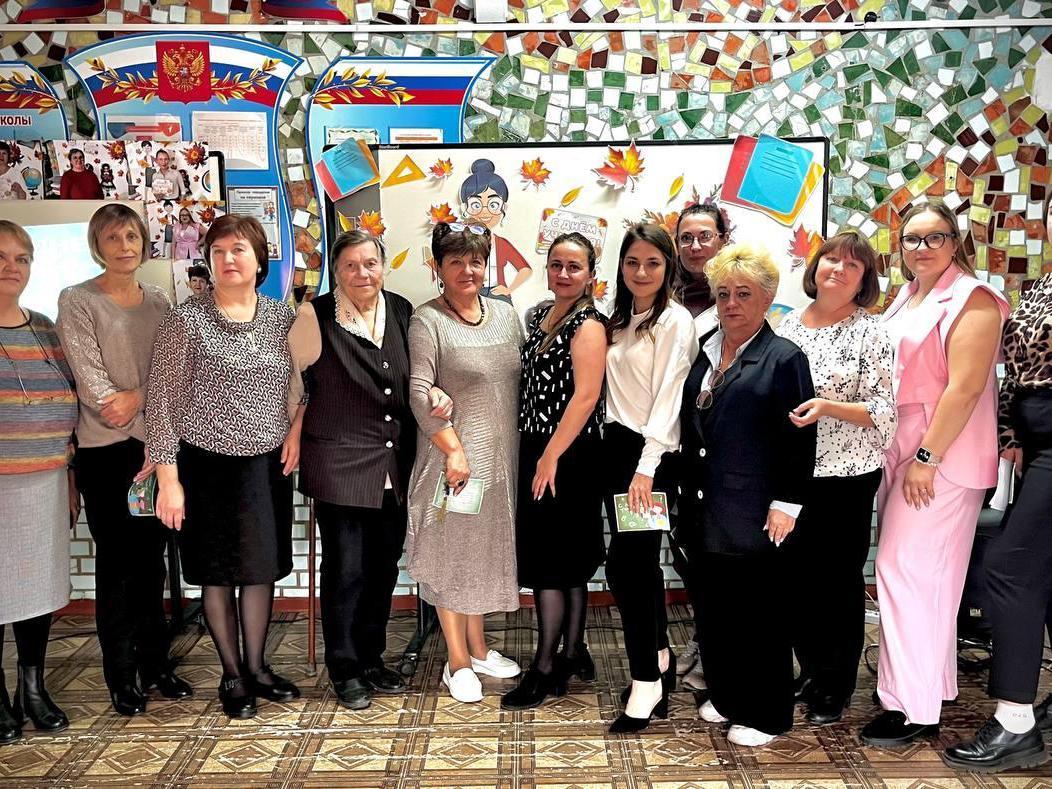
Among the staff of the rural school, there is not much youth; mostly there are veterans — older and experienced teachers. However, the Kuzbass program to attract beginning specialists is bearing fruit.
“This academic year, two newcomers joined us, last year — another two. So, four young teachers in total,” says Daria.
“The Main Thing is to Remember That You Are the Adult Here”
Having many adult “colleagues” around has its advantages: when the girl worked in Kemerovo, there were no electronic journals. At first, it was difficult to keep the innovation in mind, but colleagues helped her figure it out. And in situations with difficult students, they are ready to advise on how to act correctly.
“That there is a lot of work at home, that you need to prepare for all lessons, reporting — none of this was a surprise to me. Thanks to my mom, I knew all this from early childhood. But the children sometimes stump me. I look for an approach to all students, but there are kids whose hearts and minds are hard to reach. Sometimes I really lack experience, in many situations I find myself for the first time,” reflects the interviewee.
According to the teacher, most beginning colleagues make the same mistake — they try to befriend the children. However, it is important for the class to feel that you are not always nice and forgiving, that you won«t allow discipline to be violated.
“I can joke with the guys, thank goodness, we are on the same wavelength, we understand each other. But in class, I am more of a strict teacher than a friend,” says Kuzmina.
Under the “wing” of the biology teacher are schoolchildren of transitional age, which somewhat exacerbates the situation in the classroom. As Daria says, the main tool for a teacher in this case is consistency.
“You scold him for some offense, sometimes you threaten with the principal or a call to the parents. But in the end, you don«t call, thinking he already understands everything. One time you don»t call, a second time. And he starts taking advantage. If I said I would call, then I need to do just that,” explains the teacher.
But you also need to be sensitive and treat the children«s feelings with care, because at this time it»s already hard for them.
“It happens that they react very emotionally to a remark. But perhaps the child had something bad happen before, and he breaks down precisely in your lesson, it«s such an outburst. Here the most important thing is not to continue the conflict with him, not to provoke, but on the contrary, to let him cool down. Usually after this, the student approaches on his own and apologizes. In such moments, the main thing is to remain calm and remember that he is little, and you are the adult person,” says Daria.
How to Combat Bullying
In her short career, Kuzmina has already had to face and deal with bullying in the class. She says that open manifestation is more characteristic of fifth and sixth grades, as at this age children are not as conscious as high school students and have poorer self-control. They don«t always understand how much they hurt others.
“There are special methods for working on team cohesion, on building interaction. The main thing is not to distance yourself and not to keep silent. Of course, there were individual conversations with the children who were the leaders of the group, and with the child who found himself in the position of the victim. I also had talks with parents, constantly raised the topic at meetings. In the end, we managed to cope,” summarizes the homeroom teacher.
According to her, now in the class there are a couple of people who don«t really make contact with other classmates, but no one offends anyone, which is already significant progress.
Teacher«s Work-Life Balance
Daria says that teaching is a round-the-clock job. After getting home from Podgornoye in the evening after classes, she immediately sits down to prepare for the next day. At home, her two-year-old toddler is waiting, who misses her and demands a lot of attention. Fortunately, the teacher«s husband works as a turner and doesn»t have to do “homework.”
“I am very lucky with my husband: he treats my work with understanding and respect. He will take the child for a walk, occupy him while I prepare for lessons. Otherwise, I try to do more household chores on weekends. Of course, it«s very hard in such a regime. But I love my profession,” says the school employee.
For her higher education, category, 22 hours of workload (four hours more than one full-time position), class leadership, and organizing events, the young specialist earns 40,000–45,000 rubles (approximately $400–450 at current rates) per month.
The girl says that now for her in the profession, the main thing is to gain experience. In the future, she wants to write a scientific paper about working with children from a psychological perspective. Recently, she was offered to become an advisor on educational work.
“I started in this position in January, and actually this is exactly what I always wanted to do — to be an organizer,” the teacher shared her joy.
At the same time, in the coming year, she dreams of personal happiness — to rest on a full vacation with her child and husband.
Previously, we told the story of a young male teacher in a remote rural school.