Universities Abruptly Change Required Entrance Exams
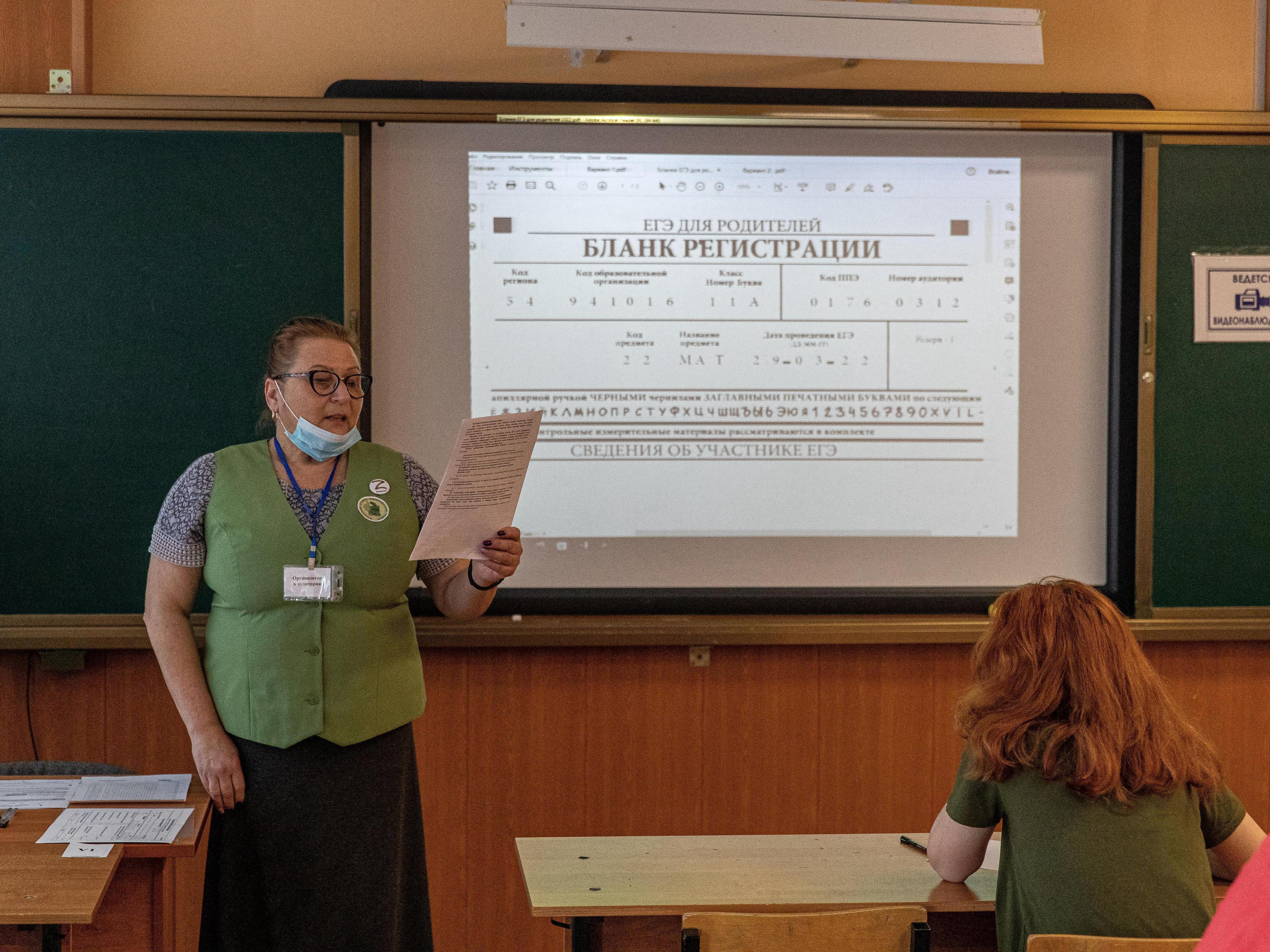

Russian universities have finalized the lists of entrance exams for 2026, making significant adjustments just 12 days before the deadline for Unified State Exam applications. Key changes, affecting 48 fields of study, have made subject-specific exams mandatory for future teachers, physics for engineering specialties, and history for a number of humanities fields. According to the Ministry of Education and Science, this will improve the quality of admissions, but the innovations have caused concern among graduates and parents.
Key Changes
For teachers, the option to apply with the Unified State Exam in social studies for all profiles of pedagogical education has been abolished. Now future teachers are required to take their subject: historians must take history, chemists must take chemistry, etc. Also, for many pedagogical fields, the list of permissible third exams has been sharply reduced.
For engineers, physics has become a mandatory entrance exam for 26 technical fields, including radio engineering, nuclear physics, and power engineering.
For humanities students, universities have gained the right to establish history as a mandatory profile Unified State Exam for 21 fields, for example, for «pedagogy and psychology of deviant behavior».
University Reactions
Vernadsky Crimean Federal University retained the previous sets of Unified State Exams for most fields, except for pedagogical ones, where emphasis is placed on the professional subject.
Lobachevsky University of Nizhny Novgorod — changes affected only two radio engineering specialties, while on a number of humanities fields, history has been added as an option.
Siberian Federal University and Ural Federal University have made physics mandatory on many engineering fields, while specialized mathematics has become an elective subject. Ural Federal University also adjusted the lists for «political science», «philosophy», and other specialties.
Bauman Moscow State Technical University noted that there are no significant changes for applicants, as physics was introduced earlier. However, the university expressed surprise at the possibility of admission to engineering specialties without specialized mathematics, considering it mandatory.
Rationale for Reforms
Experts and representatives of leading technical universities (Moscow Institute of Physics and Technology, National University of Science and Technology MISIS) support the tightening, linking it to hopes for improving the quality of training and reducing dropout rates in the lower courses, writes Izvestia. According to Professor Irina Abankina of the Higher School of Economics, this will help combat the shortage of subject teachers and filter out casual applicants, which will ultimately reduce the expulsion rate.
Concern Among Applicants and Parents
The large-scale adjustment of Unified State Exam lists is aimed at systemically reforming university admissions. While authorities and part of the expert community see this as a path to improving education quality, for the applicants themselves, the innovations have become a factor of uncertainty, requiring rapid adaptation in conditions of high competition.
The main criticism is related to the compressed timelines for introducing changes, when many graduates have already formed their preparation strategy. Parents and experts, including Olga Letkova from the Association of Parent Committees, point to additional stress for schoolchildren forced to urgently change plans. Psychologists recommend that graduates in this situation focus on structuring their preparation and self-regulation techniques.