Russia to raise unemployment benefits from February 2026
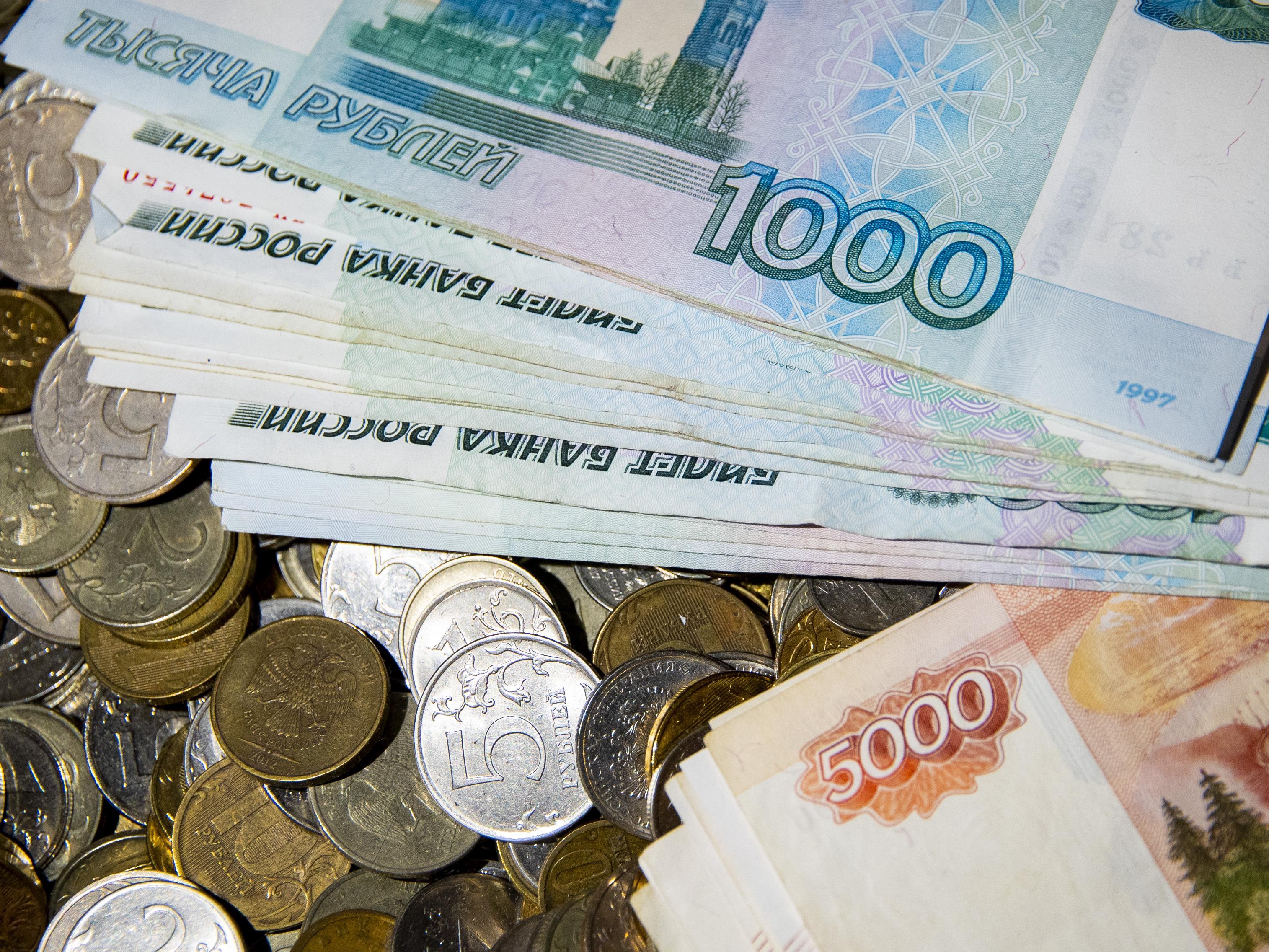

The maximum unemployment benefit from February 1, 2026, will be 15,886 rubles per month (approximately $177 at current rates). This was announced by the press service of the Ministry of Labour and Social Protection.
«From February 1, 2026, the maximum unemployment benefit, like other social payments, will be increased by 5.6% and will amount to 15,886 rubles per month (about $177),» explained the Ministry of Labour to RIA Novosti.
Who can receive unemployment benefits?
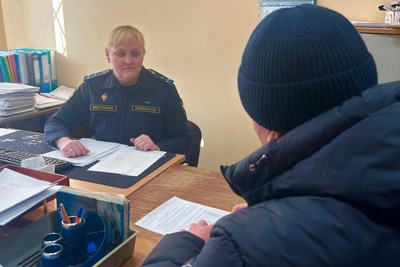
Unemployment benefits can be received by those who are looking for work through the employment center and do not have official earnings or employment.
Under the standard benefit, up to 15,886 rubles (around $177) is paid for the first 3 months of unemployment and 6,209 rubles (approximately $69) for the next 3 months.
The minimum unemployment benefit of 1,764 rubles (about $20) can be received only for 3 months within a year. It is assigned to those who:
are looking for work for the first time;
have not worked for more than a year before applying;
worked less than 26 weeks in the last 12 months (total with any employers);
were dismissed for misconduct;
ceased activity as an individual entrepreneur.
Pre-retirees, who have less than 5 years until old-age pension, can receive benefits up to 15,886 rubles (approximately $177) for a year. Payments can be extended by two weeks for each year of service over 25 years for men and 20 years for women. Two years is the maximum benefit period for pre-retirees.
Benefits cannot be received by people under 16 years old, full-time students, old-age pensioners, individual entrepreneurs, self-employed individuals, citizens who work under an employment contract or perform paid work, and those who are serving in the military.