Pensioner, Don't Hold Your Breath: State Duma Eyes Quarterly Pension Indexation
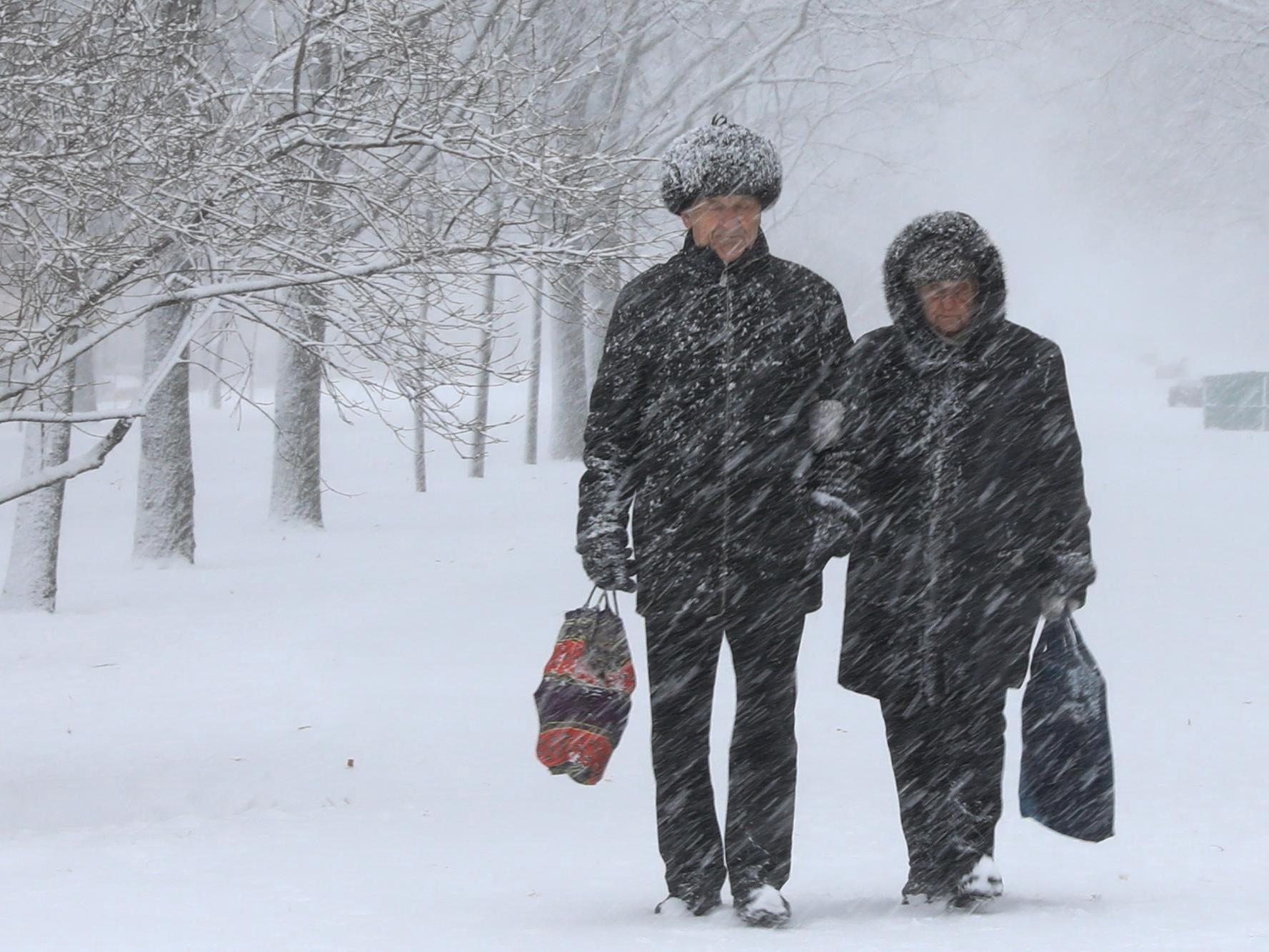

In Russia, a possible shift from annual to quarterly pension indexation is being discussed. The corresponding bill is expected to be submitted to the State Duma by one of the factions.
Current legislation provides for pension indexation once a year — taking into account the growth of the pensioner«s subsistence minimum for the previous period, with the specific increase coefficient approved by the government.
The authors of the initiative consider the existing mechanism insufficiently flexible. In their opinion, a one-time indexation does not keep up with price increases throughout the year, which is why pensioners regularly face so-called «lagging indexation».
The explanatory note states that a quarterly review of payments will allow for a faster response to inflation, reduce the time gap between price increases and income growth, and provide more even support throughout the year.
It is proposed to calculate the indexation coefficient for each quarter based on current inflation rates. In theory, this should increase the predictability of pension income and support the purchasing power of payments.
However, the key issue — the financial realism of the initiative and its real effect — remains open, according to the opinions of experts interviewed by MSK1.RU.
The idea is clear, but without numbers it is premature
Yaroslav Nilov, Chairman of the State Duma Committee on Labor, Social Policy, and Veterans« Affairs, in a conversation with an MSK1.RU journalist, emphasized that it is too early to discuss the initiative in detail. According to him, the bill has not yet been received by the committee, and without a financial and economic rationale, talking about the possibility of implementation is premature.
He notes that the logic of the initiative is clear: «The only way to increase a pension is through indexation. More frequent increases will lead to pensioners receiving more, which will affect purchasing power and quality of life.»
However, at the same time, Nilov points out the obvious side of the issue — additional expenses. According to him, quarterly indexation will require pre-planned sources of funding, which must be clearly fixed in the Social Fund«s budget.
Separately, the deputy draws attention to mechanical and methodological nuances. With several indexations during the year, the total increase in pensions compared to the previous year may be comparable to the current system, and the effect will depend on how exactly the authors prescribed the calculation of coefficients. Moreover, it is not yet clear how much the new model will actually improve purchasing power if price growth continues, Nilov says.
The deputy emphasizes that technically the pension accounting system allows for more frequent recalculations, but without understanding the sources of funds and the parameters of indexation, it is still impossible to assess the social effect of the innovation.
«So far, this is all at the level of announcements,» Nilov summarizes, adding that as the chairman of the relevant committee, he supports any mechanisms for increasing pensions, but only with clear and adequate calculations that reflect economic reality.
The effect is more psychological than economic
Independent experts in a conversation with MSK1.RU assess the idea of quarterly indexation ambiguously, often with noticeable skepticism about its long-term effect.
Anastasia Gorelkina, an economist and member of the board of directors of the holding company «Sibirsky Delovoi Soyuz» (Siberian Business Union) and the company «Azot», notes that regular increases can indeed change the psychological perception of a pension. According to her, the pension ceases to look like a frozen amount, and there is a sense of movement and attention from the state. However, behind this, in essence, is more of an emotional effect than a guarantee of real growth in well-being. The regularity of payments is important, but by itself it does not cancel the structural problems of the pension system and does not protect against accelerated price growth.
Economist and lawyer Elena Romanenko points out the key risk: the real purchasing power of pensions continues to decline. According to her data, over the past year it has fallen by about 5%, while prices for goods in the consumer basket of low-income citizens have grown noticeably faster than overall inflation. Even with formally more frequent indexation, there remains a risk that an increase in demand after the increase in payments will provoke a further rise in the cost of essential goods.
Romanenko emphasizes that inflation for pensioners is often higher than official indicators, especially for food, medicine, utilities, and transport. Under these conditions, quarterly indexation may look positive on paper, but its real impact on quality of life will be limited.
«It is difficult to expect a significant improvement in the material situation, as price growth continues to outpace indexation,» Romanenko summarizes.
Magomet Yandiev, an associate professor at the Faculty of Economics of Moscow State University (MSU), speaks even more harshly. He considers the Russian pension system as a whole unfair, complex, and ineffective. From his point of view, the initiative on quarterly indexation is an attempt at «manual control» that can only temporarily soften the situation but does not solve fundamental problems. Yandiev admits that, if this logic continues, in a few years there may be proposals for monthly indexation, which would only emphasize the lack of a systemic solution.
«The inflation rate announced by the authorities is relatively low. For example, last year»s inflation, according to the Central Bank, was only 5.6%. But this is a generalized assessment for all goods and services. At the same time, if we take the prices of only basic food and utility costs, which make up the main items of pensioners« spending, then over the past few years, in my observations, they have increased on average by more than 2 times. Accordingly, the standard of living of pensioners is declining. At the same time, the average Russian pensioner still somehow manages to save money to pamper children or grandchildren. As a result, almost nothing is left for themselves.» — says Yandiev.